The Culinary Legacy of Melaka Exploring the Tradition of Hainanese Chicken Rice Balls at Kedai Kopi Chung Wah

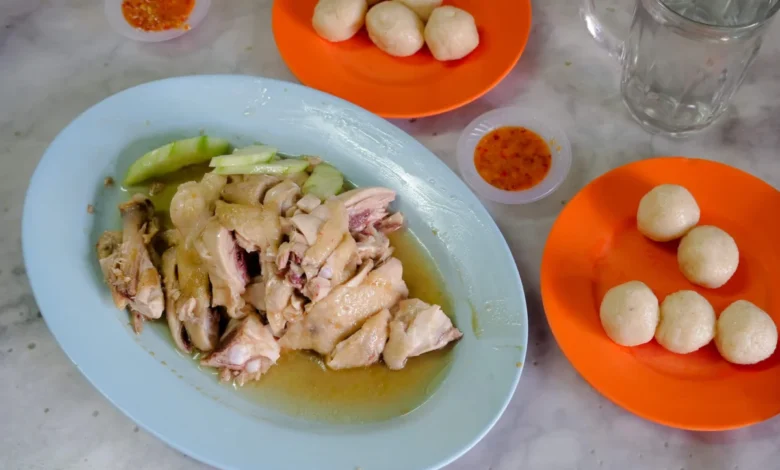
The historic city of Melaka, a UNESCO World Heritage site, remains a focal point for Southeast Asian culinary tourism, driven largely by its unique preservation of Peranakan and Chinese-Malay heritage. Among the most sought-after gastronomic experiences in the region is the consumption of Hainanese chicken rice balls, a localized variation of the traditional Hainanese chicken rice found across Malaysia and Singapore. At the epicenter of this culinary tradition stands Kedai Kopi Chung Wah, a family-owned institution located at the entrance of the world-famous Jonker Street. This establishment has become a benchmark for authenticity, attracting a consistent influx of local and international visitors who wait in extensive queues to sample a dish that represents centuries of maritime history and cultural fusion.
Historical Context and the Evolution of the Rice Ball
The origins of Melaka’s chicken rice balls are deeply intertwined with the city’s history as a strategic maritime hub. Since the 15th century, the Straits of Malacca have served as a vital corridor for trade between the East and the West. The arrival of Chinese migrants, particularly from the Hainan province, brought with them the recipe for Wenchang chicken, which eventually evolved into the Hainanese chicken rice recognized today.
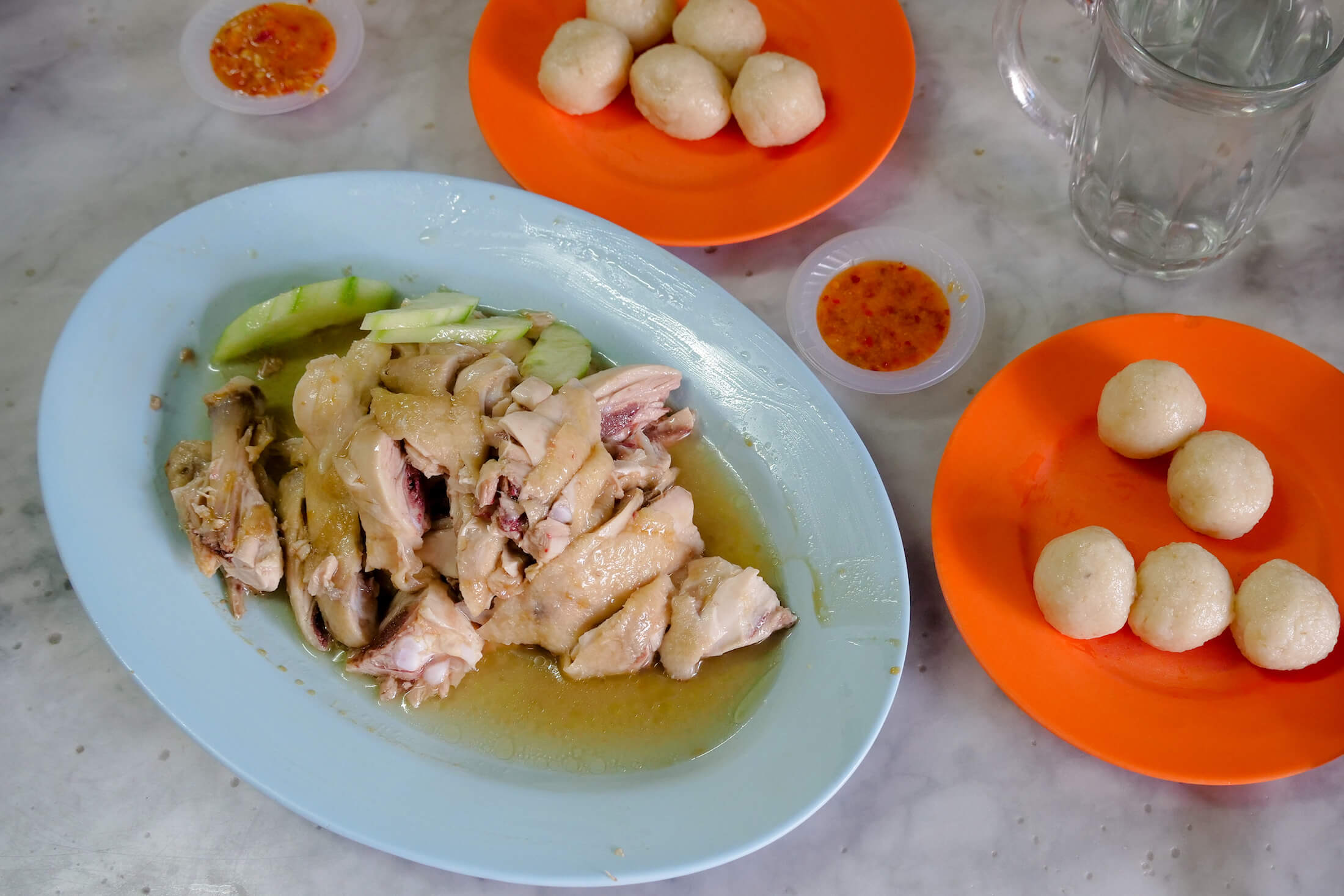
However, the specific "ball" form of the rice is unique to Melaka and a few other coastal enclaves. Historians and culinary experts suggest that this adaptation was born of necessity and practicality. During the early 20th century, laborers working at the docks or in the nearby plantations required a portable and heat-retentive meal. By mashing the rice while it was still piping hot and rolling it into firm, tennis-ball-sized spheres, the food remained warm for longer periods and was easier to transport in tiffin carriers or cloth wraps. What began as a functional solution for the working class has, over decades, transitioned into a celebrated culinary novelty that defines Melaka’s street food identity.
Culinary Technique: The Science of the Perfect Rice Ball
The preparation of chicken rice balls at Kedai Kopi Chung Wah is a labor-intensive process that adheres to traditional methods. Unlike standard chicken rice, where the grains are fluffy and separate, the Melaka style requires a specific texture that allows the rice to hold its shape without becoming overly glutinous.
- Rice Preparation: The rice is cooked in a rich broth derived from poaching the chickens, infused with ginger, garlic, and pandan leaves. The fat from the chicken skin provides a glossy sheen and a savory depth.
- The Shaping Process: The critical step occurs immediately after the rice is cooked. While the rice is still steaming hot, it is hand-rolled into balls. The heat is essential for the starches to bind effectively. If the rice cools too much, the balls will crumble; if handled too aggressively, they become gummy.
- Texture and Flavor Profile: The resulting rice balls are firm and resilient. Patrons often note that the individual grains are nearly indistinguishable, yet the texture is not that of sticky rice. The flavor is subtly smoky and deeply aromatic, often compared to the scorched rice found at the bottom of a traditional clay pot.
The Hainanese Poaching Method and Localized Accoutrements
While the rice balls are the primary draw, the chicken itself is prepared using the traditional "steeping" or poaching method. This involves submerging the bird in sub-boiling water until just cooked, then immediately immersing it in an ice bath. This technique ensures the meat remains tender and succulent while the skin develops a gelatinous, smooth texture.

At Kedai Kopi Chung Wah, the chicken is served at room temperature, drizzled with a light soy sauce and sesame oil blend. However, the true "flavor bridge" between the Chinese-style chicken and the Malaysian palate is the chili sauce. In Melaka, this sauce is distinctively tangy and pungent. It is typically a blend of fresh chilies, garlic, ginger, and lime juice, but with a heavier emphasis on vinegar compared to the sweeter versions found in other regions. This acidity cuts through the richness of the chicken fat and the density of the rice balls, creating a balanced flavor profile that has remained unchanged for generations.
Operational Dynamics and Economic Impact
The business model of Kedai Kopi Chung Wah is a study in operational efficiency. Located at a prime corner facing the flower-filled bridge leading to Jonker Street, the restaurant operates with a streamlined menu that facilitates high turnover.
- Ordering System: The process is simplified to maximize speed. Customers order based on the number of people in their party, which dictates the quantity of rice balls (usually served in sets of five per plate). The chicken is ordered in increments of half or whole birds.
- Throughput: Due to its popularity, the restaurant often sees a line extending down the block before its 9:00 AM opening. The rapid service—where food is often delivered to the table as the customer sits down—is necessary to accommodate the hundreds of patrons served daily.
- Pricing and Accessibility: Despite its fame, the establishment maintains a relatively accessible price point. A full meal for a small group typically costs under 30 Malaysian Ringgit (approximately $7 USD), ensuring that it remains a destination for both budget travelers and local families.
This efficiency contributes significantly to the local economy. Melaka’s tourism sector relies heavily on "food trails," and Kedai Kopi Chung Wah serves as an anchor tenant for the Jonker Street heritage area. The success of such traditional eateries supports a broader ecosystem of local suppliers, from poultry farmers to ginger and chili growers.

Cultural Preservation and the Peranakan Influence
While Hainanese chicken rice is not strictly Peranakan (the fusion of Chinese and Malay cultures), it exists within the same cultural milieu that defines Melaka. The city is a melting pot of Nyonya, Portuguese, Dutch, and British influences. The presence of Kedai Kopi Chung Wah amidst these varying architectural and cultural layers highlights the resilience of migrant food traditions.
The restaurant itself, often referred to as a "Kopi" (the Malay word for coffee), maintains the aesthetic of a mid-20th-century coffee shop. With marble-top tables, simple stools, and an open-air layout, it provides a sensory link to the Melaka of the past. For many visitors, the experience is as much about the atmosphere and the continuity of tradition as it is about the nutritional value of the meal.
Challenges and Future Outlook
As Melaka continues to modernize, traditional establishments like Kedai Kopi Chung Wah face several challenges:

- Urban Logistics: The narrow streets of the heritage zone were not designed for modern vehicular traffic. Parking is notoriously difficult, and the lack of clear road markings often leads to congestion, potentially deterring local diners who wish to avoid the tourist rush.
- Succession: Like many family-owned heritage businesses, the future of these restaurants depends on the younger generation’s willingness to maintain labor-intensive traditions. Hand-rolling hundreds of rice balls daily is a physically demanding task that requires significant dedication.
- Global Competition: As international food chains proliferate, the preservation of "slow food" traditions like the chicken rice ball becomes vital for maintaining Melaka’s competitive edge in the global tourism market.
Conclusion: A Culinary Landmark Worth the Journey
Kedai Kopi Chung Wah represents more than just a place to eat; it is a living museum of Melakan history. The chicken rice ball is a culinary artifact that tells the story of migration, adaptation, and survival. For the traveler, the wait in line is a rite of passage, rewarded by a meal that is deceptively simple yet technically complex.
As Melaka looks toward the future, the continued success of heritage eateries will be essential in preserving the city’s soul. Whether it is the smoky aroma of the rice, the zing of the garlic-chili sauce, or the rhythmic sound of the cleaver hitting the chopping board, the experience at Kedai Kopi Chung Wah remains a quintessential chapter in the story of Malaysian gastronomy. For those exploring the southern reaches of the Malay Peninsula, from the historical streets of Melaka to the durian orchards of Kelantan and Terengganu, the journey is defined by these enduring flavors of the past.