True Maryland Crab Cakes
The Quintessential Maryland Crab Cake: Authenticity, Tradition, and Unforgettable Flavor
The true Maryland crab cake transcends mere culinary preparation; it represents a rich heritage, a dedication to pristine ingredients, and an experience deeply woven into the fabric of the state’s identity. Unlike their often heavily breaded and over-seasoned counterparts found elsewhere, authentic Maryland crab cakes are a celebration of the sweet, delicate flavor of lump crab meat. The defining characteristic of a genuine Maryland crab cake lies in its unpretentious approach, allowing the star ingredient to shine. This means a minimal amount of binder, precisely chosen to hold the succulent lumps together without overwhelming their natural essence. The goal is a tender, moist interior that crumbles slightly with each bite, revealing generous morsels of pure crab. The exterior, ideally, achieves a golden-brown, slightly crisp crust, providing a delightful textural contrast to the yielding interior. This delicate balance is the hallmark of a cake that speaks of the Chesapeake Bay.
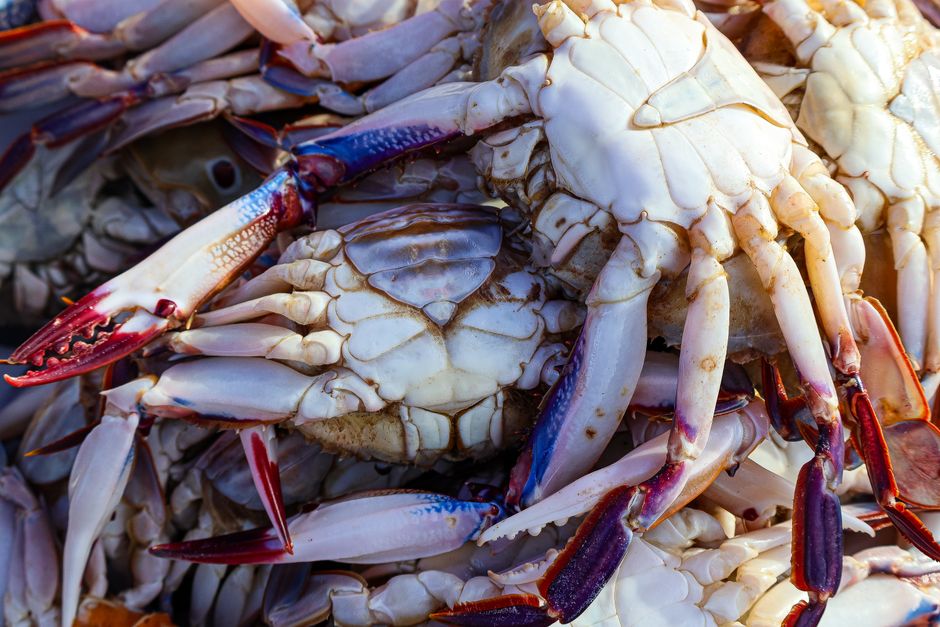
The cornerstone of any exceptional Maryland crab cake is, unequivocally, the crab meat itself. For true authenticity, only fresh, wild-caught blue crab from the Chesapeake Bay will suffice. The seasonality of this prized ingredient plays a significant role in its availability and quality. Spring and summer months typically offer the most abundant and flavorful crab, with larger, sweeter specimens being caught. The distinction between "backfin" and "jumbo lump" is crucial. Jumbo lump, derived from the largest muscles that move the crab’s swimming legs, is the gold standard. These are large, unbroken pieces of sweet, tender crab meat that hold their shape beautifully within the cake. Backfin, while still flavorful, consists of smaller pieces and is often mixed with claw meat, resulting in a less visually appealing but still delicious cake. Claw meat, known for its slightly darker color and stronger flavor, is sometimes used in conjunction with lump meat, but the purest Maryland crab cakes prioritize the sweet, delicate character of the jumbo lump. The careful hand-picking of the crab meat is a laborious but essential step, ensuring that no shell fragments mar the delicate texture of the finished product. This meticulous attention to detail in sourcing and preparing the crab is a non-negotiable element for anyone seeking to replicate the true Maryland experience.
The binder used in a genuine Maryland crab cake is intentionally kept light and simple. Excessive breadcrumbs or filler are anathema to authenticity. Instead, a small quantity of quality binder serves as a gentle embrace, holding the precious crab lumps together. Common and traditional binders include fresh breadcrumbs, often made from day-old white bread or brioche, which absorb moisture without becoming gummy. Panko breadcrumbs can also be used for a lighter, crispier texture on the exterior, but the interior binder should be subtle. Egg, typically just enough to bind without making the cake heavy, is another essential component. A touch of mayonnaise, with its subtle tang and creaminess, is frequently incorporated, contributing to the cake’s moisture and richness. The goal is to achieve a consistency that allows the cake to hold its shape during cooking but still feels tender and yielding when bitten into. Over-reliance on any single binder, or an excessive amount of any binder, will mask the sweet, briny flavor of the crab, a cardinal sin in Maryland crab cake tradition.
Seasoning is another area where restraint is paramount for an authentic Maryland crab cake. The delicate sweetness of the blue crab should never be overpowered by aggressive spices. The ideal seasoning profile is nuanced, enhancing the crab’s natural flavor rather than masking it. A cornerstone of this subtle enhancement is Old Bay Seasoning, a ubiquitous blend of celery salt, paprika, black pepper, mustard, nutmeg, cloves, allspice, and ginger. While Old Bay is iconic, its use should be judicious. A light dusting within the crab cake mixture is sufficient to impart its distinctive flavor without dominating. Other common seasonings include a pinch of salt and freshly ground black pepper, allowing the crab’s inherent sweetness to take center stage. A hint of Worcestershire sauce can add a touch of umami and complexity, while a dash of Dijon mustard can provide a subtle counterpoint to the sweetness. The key is balance – each ingredient should play a supporting role, ensuring the crab remains the undisputed protagonist.
The creation of the perfect Maryland crab cake is a ritual that begins with gentle assembly. Once the highest quality crab meat is meticulously picked, it is combined with the binder ingredients and seasonings in a large bowl. The mixing process should be done with extreme care, using a light hand to avoid breaking up the delicate jumbo lump pieces. The goal is to gently fold the ingredients together until just combined, ensuring that the crab retains its distinct form. Overmixing will lead to a mushy texture, detracting from the desired flaky, yielding interior. Once mixed, the crab cake mixture is carefully formed into individual patties. There’s no strict rule on size; some prefer smaller, individual cakes perfect for an appetizer, while others opt for larger, entrée-sized portions. The patties should be formed with a light touch, neither too tightly packed nor too loosely held. The gentle forming allows the binder to do its job without compressing the crab meat.
The cooking method for a true Maryland crab cake is critical to achieving that sought-after golden-brown exterior and perfectly cooked interior. Pan-frying is the most traditional and widely preferred method. A generous amount of a neutral cooking oil, such as canola or vegetable oil, is heated in a heavy-bottomed skillet over medium-high heat. The oil should be hot enough to create a sizzle when the crab cake is added, ensuring a quick, even sear. The crab cakes are carefully placed into the hot oil, ensuring not to overcrowd the pan, which can lower the oil temperature and lead to soggy cakes. They are typically cooked for approximately 3-5 minutes per side, or until a deep golden-brown crust forms and the interior is heated through. The cooking time will vary depending on the size and thickness of the cake. Another highly regarded cooking method is broiling. This involves placing the formed crab cakes on a baking sheet and broiling them under a preheated broiler, turning once, to achieve a similar crispy exterior. Baking is generally considered less ideal for achieving the signature crispness of a Maryland crab cake, though it can be a healthier alternative. Regardless of the method, the objective is to achieve a beautiful, crisp crust that contrasts with the tender, moist interior.
Serving a true Maryland crab cake is as much about the accompaniment as it is about the cake itself. The philosophy of simplicity extends to the side dishes, allowing the crab cake to remain the star. The classic and most revered accompaniment is a simple lemon wedge. The bright, acidic citrus cuts through the richness of the crab and enhances its sweetness. A small dollop of tartar sauce is also a popular, though some would argue less authentic, addition. However, if tartar sauce is used, it should be a light, homemade version that complements rather than overwhelms the crab. More elaborate sauces or heavy accompaniments are generally avoided in favor of allowing the pure flavor of the crab cake to shine. Simple, fresh sides are ideal. A crisp green salad with a light vinaigrette, steamed asparagus, corn on the cob (especially during peak season), or a simple serving of coleslaw are all excellent choices that do not compete with the crab cake. The idea is to create a harmonious meal where each element enhances the other, with the Maryland crab cake taking pride of place.
The cultural significance of the Maryland crab cake cannot be overstated. It is more than just a dish; it is a culinary icon, a source of regional pride, and a symbol of the Chesapeake Bay’s bounty. From casual seafood shacks lining the waterfront to upscale restaurants, the crab cake is a constant presence, a beloved tradition passed down through generations. Its preparation often involves family recipes, with each household claiming its own subtle variations and secrets. The act of making and enjoying a Maryland crab cake is a communal experience, often shared during summer gatherings, holidays, and special occasions. The economic impact of the blue crab fishery and the associated crab cake industry is substantial, supporting livelihoods and contributing to the state’s identity. Restaurants that master the art of the true Maryland crab cake gain a devoted following, with patrons traveling from far and wide to savor their authentic creations. The pursuit of the perfect crab cake is a continuous endeavor, driven by a deep respect for tradition and an unwavering commitment to quality ingredients.
Beyond the strict adherence to ingredients and techniques, there are subtle nuances that contribute to the legendary status of a true Maryland crab cake. The freshness of the crab is paramount. Crab meat that has been frozen for extended periods, or sourced from regions where blue crabs are not indigenous, will invariably lack the superior sweetness and delicate texture. The skill of the crab picker is another often-overlooked element. The ability to meticulously extract every ounce of meat from the crab while ensuring no shell fragments remain is an art form. Many Maryland crab houses employ experienced crab pickers who have honed their craft over decades. This dedication to detail, from the initial sourcing of the crab to the final presentation of the cake, is what elevates the Maryland crab cake from a simple seafood dish to a culinary masterpiece.
The debate over the "perfect" Maryland crab cake is a passionate one, with enthusiasts championing various subtle variations. Some prefer a hint of old bay, while others opt for a more minimalist approach, relying solely on salt and pepper. The inclusion of a binder like mayonnaise versus a lighter egg wash is another point of contention. However, amidst these discussions, the core principles remain constant: pristine lump crab meat, a minimal binder, and subtle seasoning. The goal is always to let the inherent quality of the crab speak for itself. This dedication to letting the star ingredient shine is what truly defines the authentic Maryland crab cake and ensures its enduring appeal.
In conclusion, the true Maryland crab cake is a testament to the power of simplicity, quality ingredients, and time-honored tradition. It is a dish that requires respect for its origins and a commitment to preserving its essence. The focus on fresh, wild-caught blue crab from the Chesapeake Bay, combined with a light binder and judicious seasoning, creates a culinary experience that is both deeply satisfying and quintessentially Maryland. It is a dish that embodies the spirit of the region and continues to delight palates with its pure, unadulterated flavor.