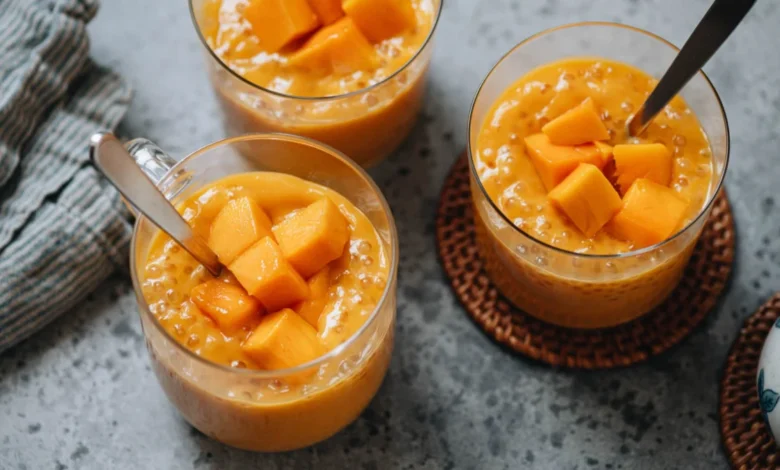
Mango sago, a beloved chilled dessert originating from the culinary landscapes of Hong Kong and Taiwan, is captivating palates with its harmonious blend of creamy mango, succulent tapioca pearls, and rich coconut milk. Known in Mandarin as "yang zhi gan lu" (楊枝甘露), this dessert has transcended its regional origins to become a sought-after treat globally, celebrated for its refreshing taste and delightful textural contrasts. The recipe, detailed by Omnivore’s Cookbook, offers a simplified yet authentic approach to recreating this restaurant-quality delicacy in the comfort of one’s own kitchen, emphasizing the purity of its core ingredients and a streamlined preparation process.
The genesis of this particular rendition of mango sago can be traced back to a culinary awakening experienced by the author at Honeymoon Dessert, a renowned Hong Kong dessert chain, during its expansion into Beijing. The initial encounter with the dessert, characterized by its lusciously smooth mango base, the satisfying chew of tapioca pearls, and generous chunks of fresh mango, left an indelible impression. This experience solidified mango sago as a personal favorite summer dessert for years. However, the practicalities of accessing such an establishment, particularly after relocating to the United States where the nearest Asian dessert shop was a considerable drive away, spurred a desire to master its preparation at home. This personal journey has culminated in an optimized recipe, a refinement of an earlier version that sought to balance authentic flavor with home-cook accessibility.
The evolution of this recipe involved a critical re-evaluation of traditional components. The author noted that the inclusion of evaporated milk, while common in some versions, tended to dilute the vibrant mango flavor. Furthermore, the elaborate layered assembly, often seen in restaurant settings, was deemed unnecessarily complex for home preparation. The revised recipe prioritizes a more integrated approach, ensuring that the natural sweetness and aroma of the mango remain the undisputed stars of the dish. This dedication to ingredient integrity and a focus on straightforward techniques are hallmarks of the updated recipe, promising a delightful and accessible culinary experience for home cooks.
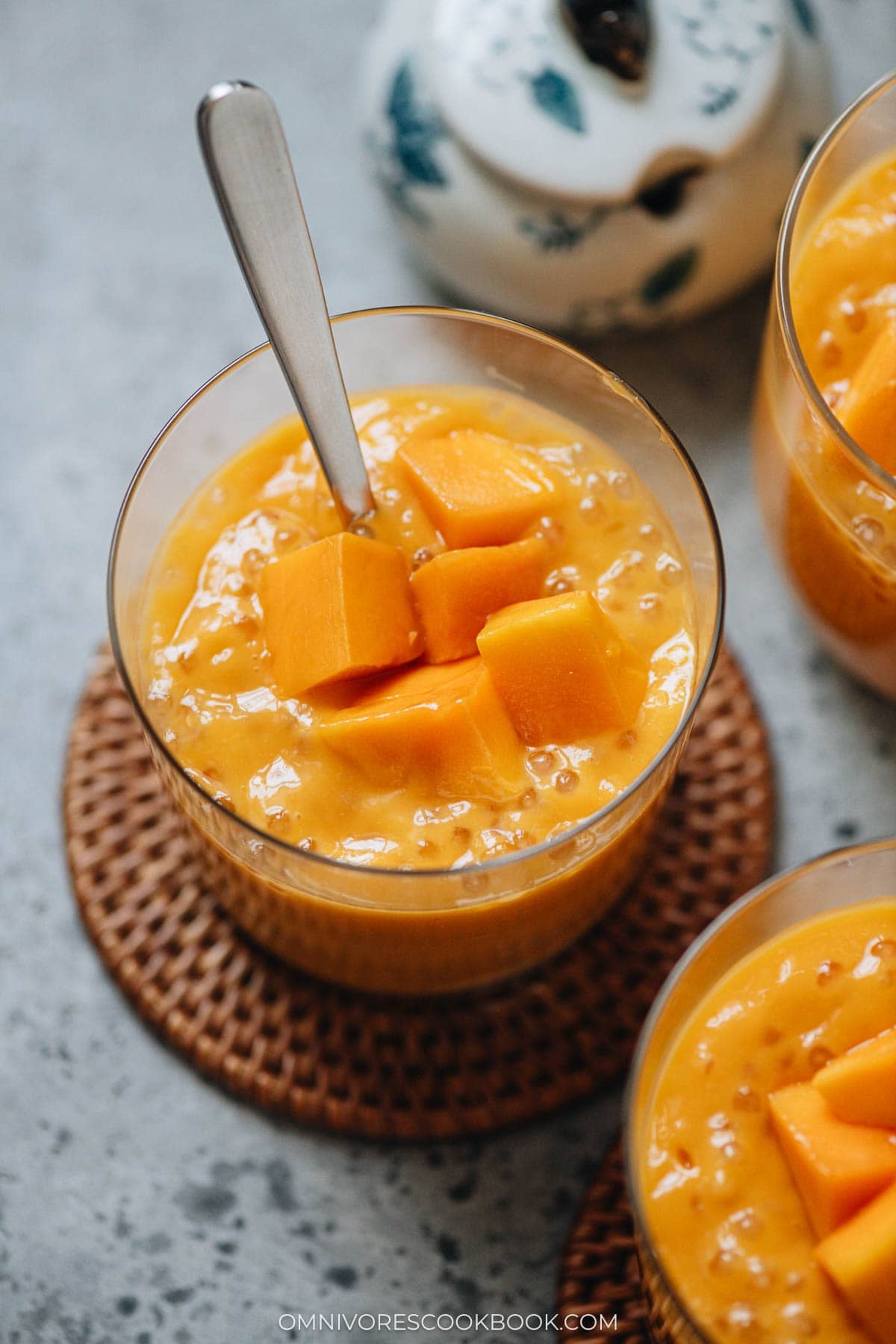
The Art of Mango Sago: Ingredients and Preparation
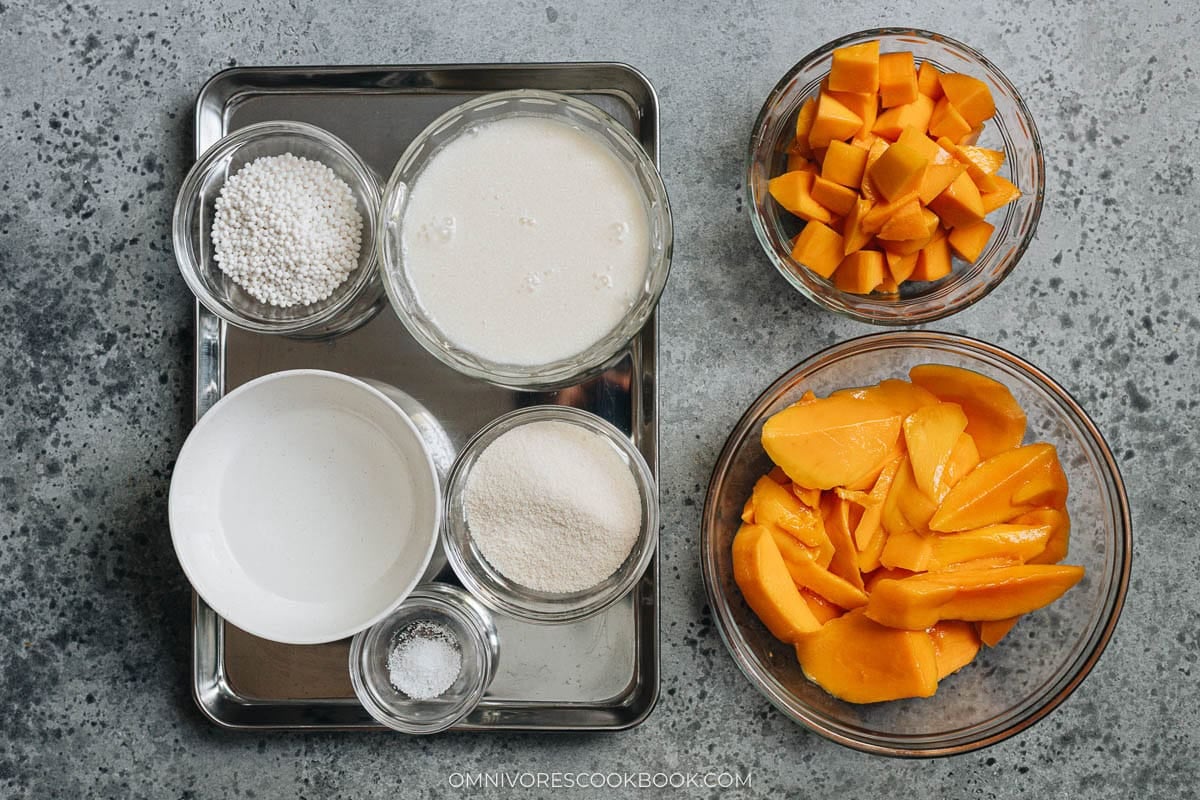
The foundation of a truly exceptional mango sago lies in the quality and careful selection of its constituent elements. This recipe meticulously outlines the necessary ingredients, offering insights into their specific roles and why certain choices are paramount for achieving the desired taste and texture.
Key Ingredients:
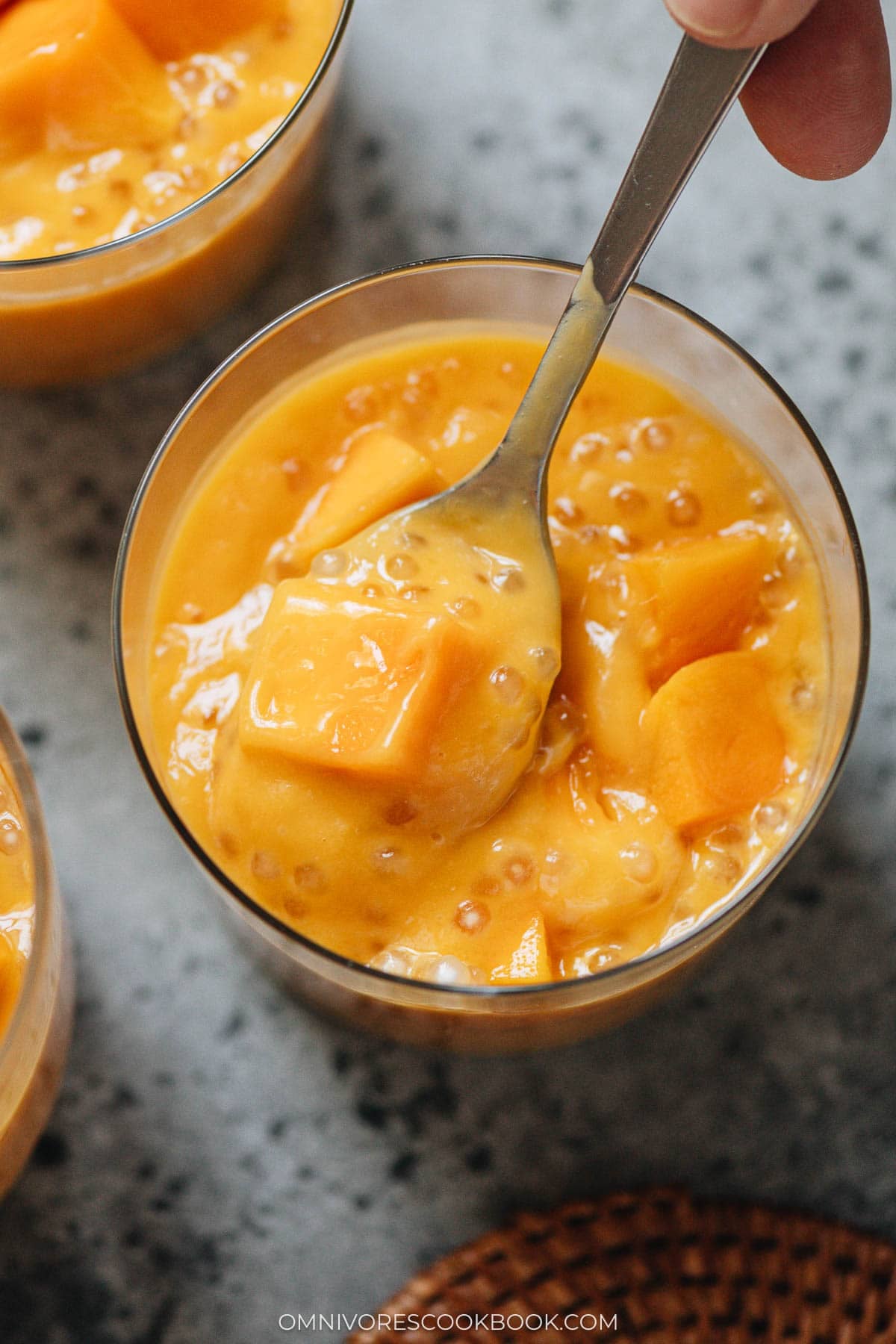
- Tapioca Pearls (Sago): The recipe specifies the use of small tapioca pearls, often labeled as "sago," readily available at Asian grocery stores. These pearls are essential for providing the characteristic chewy texture that contrasts beautifully with the smooth mango base. The cooking process for these pearls is crucial, requiring precise timing to ensure they are perfectly translucent and tender, with a barely perceptible white dot at their core. Overcooking can lead to a mushy consistency, while undercooking results in a hard, unpleasantly chewy texture.
- Mangoes: The choice of mango is paramount, as it is the dominant flavor profile of the dessert. The recipe recommends Ataulfo mangoes, also known as honey or champagne mangoes, when available. These varieties are favored for their exceptional sweetness, buttery texture, and vibrant yellow flesh, which contributes to a silken smooth blended base. While other mango varieties like Tommy Atkins can be used, their larger size necessitates an adjustment in quantity. A significant portion of the mangoes is reserved for dicing to serve as a topping, providing fresh bursts of fruity flavor and visual appeal.
- Simple Syrup: To achieve the perfect level of sweetness without compromising the mango’s natural essence, a simple syrup is employed. This is easily prepared by dissolving sugar in hot water, often with a pinch of salt to enhance the overall flavor profile. The syrup offers a clean sweetness that integrates seamlessly into the mango base, avoiding the dairy-based richness that could overshadow the fruit.
- Coconut Milk: Canned coconut milk is the preferred choice for the creamy base. Its richness and consistency are vital for creating a luscious texture that complements the mango without being watery. Unlike coconut beverages sold in cartons, canned coconut milk typically has a higher fat content, contributing to a more decadent mouthfeel.
Step-by-Step Preparation:
The preparation of mango sago, while requiring a few distinct stages, is designed to be manageable for the home cook. Each step is clearly defined to ensure a successful outcome.
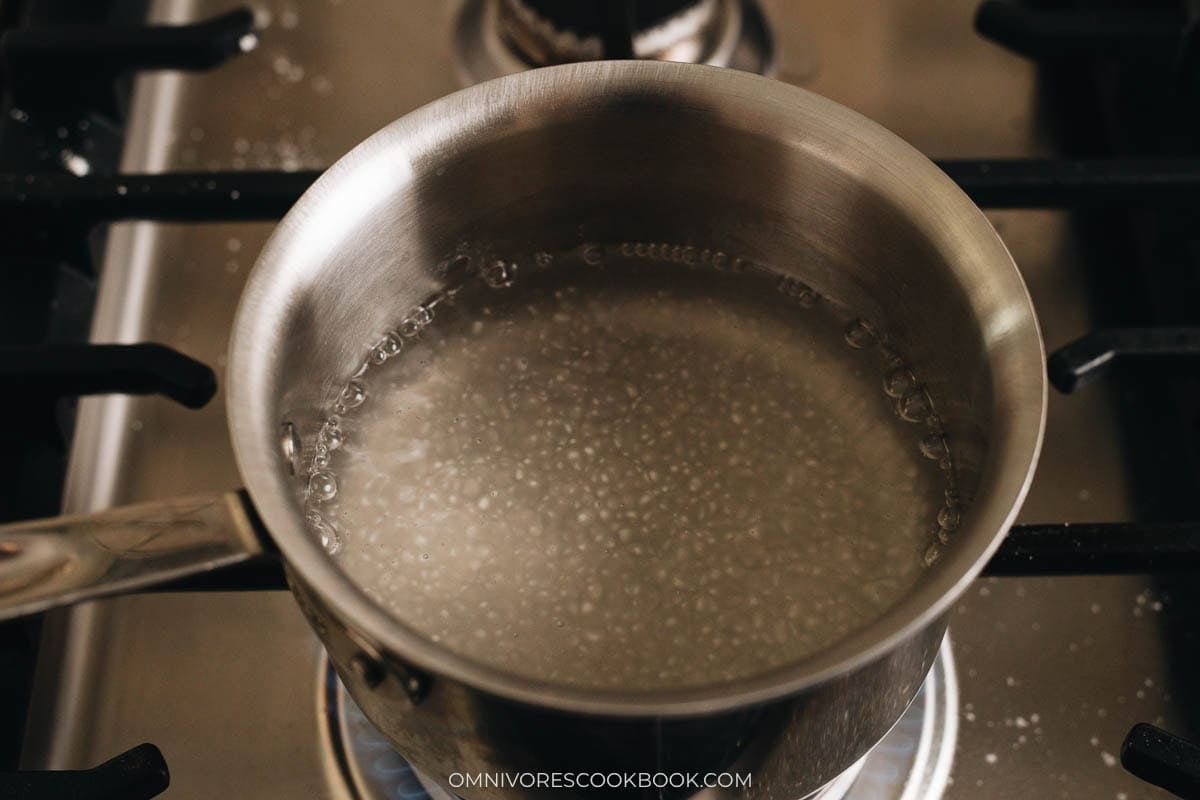
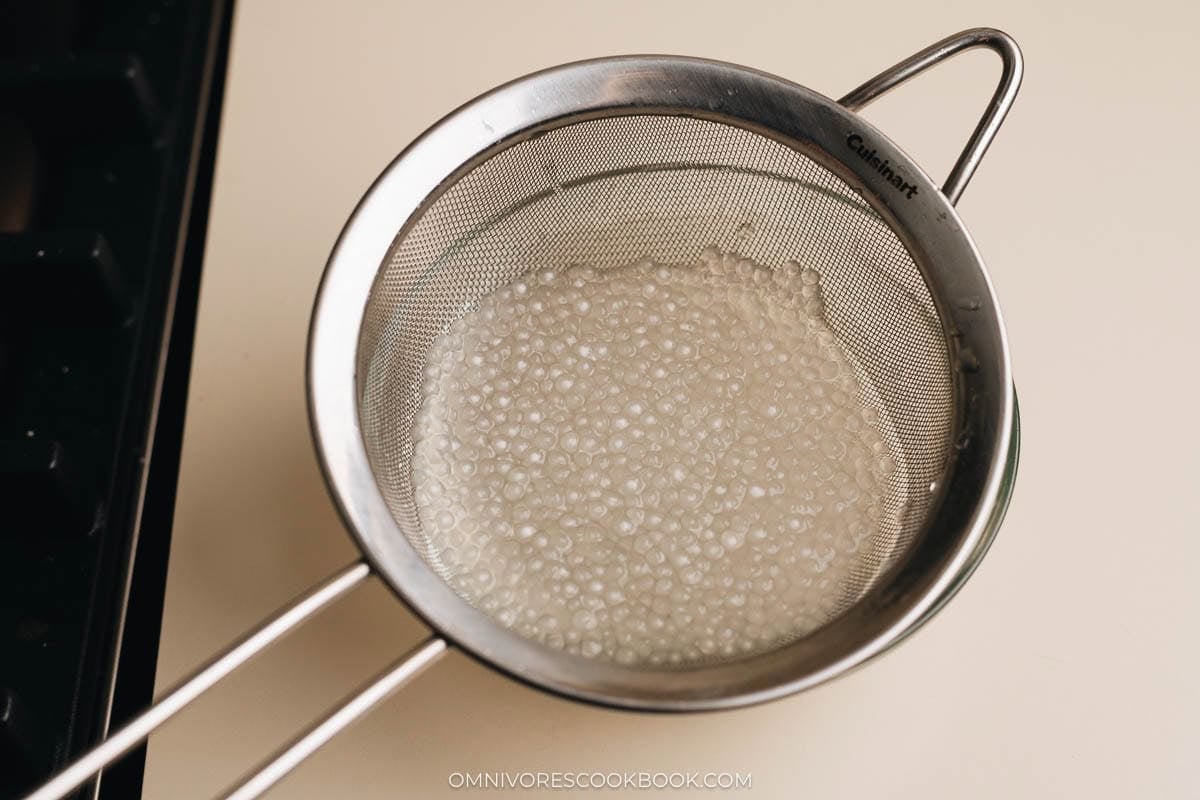
- Cooking the Tapioca Pearls: The process begins with cooking the tapioca pearls. Approximately three cups of water are brought to a rolling boil in a small saucepan. The tapioca pearls are then added and stirred periodically to prevent them from adhering to the bottom of the pot. The cooking time is typically around 12 minutes, or until the pearls become translucent with a small white dot remaining in the center. If a larger white dot persists, an additional one to two minutes of boiling may be necessary, with careful observation to avoid overcooking.
- Cooling and Submerging the Pearls: Once cooked, the tapioca pearls are drained through a fine-mesh sieve and immediately rinsed under cold running water. This rinsing process halts the cooking and removes excess starch. To prevent the pearls from drying out and clumping, the sieve is then submerged into a bowl of cool tap water, keeping them pliable and ready for assembly. This step is critical for maintaining their desirable texture.
- Preparing the Simple Syrup: A small amount of water (about 1/4 cup) is heated, typically in a microwave until hot. Sugar and a pinch of salt are then stirred into the hot water until completely dissolved, creating a basic simple syrup. This provides a controlled method of sweetening the dessert.
- Dicing the Topping Mangoes: Two of the ripe mangoes are prepared for the topping. The author suggests a specific technique: slicing the flesh away from the pit, scoring it in a grid pattern through the skin, and then gently pushing the skin from underneath to create easy-to-scoop cubes. These diced mangoes are set aside.
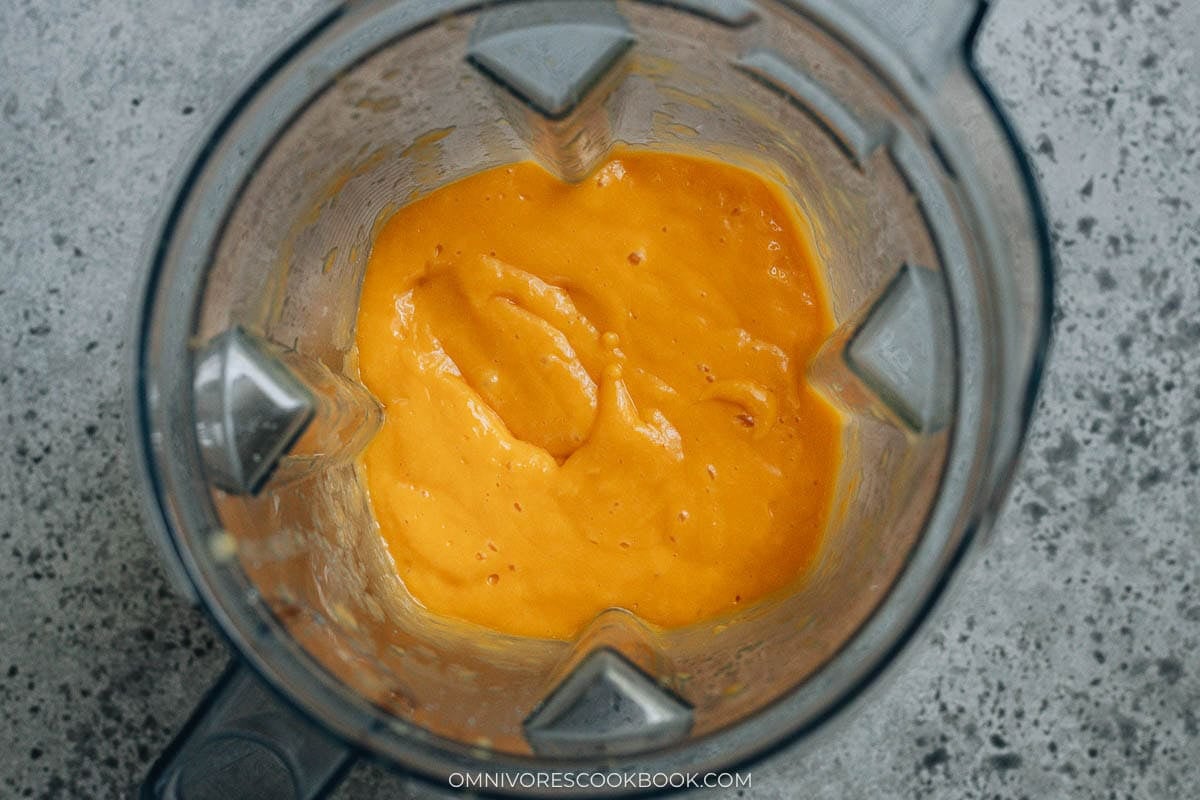
- Blending the Mango Base: The remaining mangoes are pitted, and their flesh is added to a blender. The prepared simple syrup and the canned coconut milk are then incorporated. The mixture is blended on high speed until it achieves a smooth, uniform consistency. The sweetness and thickness of the base are then adjusted. More syrup can be added a teaspoon at a time if a sweeter profile is desired. If the base appears too thick to pour easily, a splash of water can be added to reach the desired consistency.
- Assembling the Dessert: The final stage involves assembling the individual bowls. The blended mango base is divided among four small serving bowls. The cooked tapioca pearls are then spooned into each bowl, and a gentle stir is applied to ensure they are suspended within the mango mixture. Finally, the reserved diced mango is generously spooned over the top of each serving.
Culinary Notes and Serving Suggestions
The success of mango sago hinges on a few key considerations that elevate the dish from good to exceptional. These "cooking notes" offer practical advice for optimizing the flavor and texture of the dessert.
Key Considerations:
- The Dominance of Ripe Mangoes: The recipe strongly emphasizes the use of the ripest mangoes available. The sweetness and aroma of the mango are the defining characteristics of this dessert. A ripe mango will yield slightly to gentle pressure and emit a sweet fragrance near the stem. If mangoes are not yet ripe, allowing them to sit at room temperature for a few days will often suffice. Underripe mangoes will necessitate more syrup, potentially masking the inherent mango flavor.
- Immediate Submersion of Pearls: The timely submersion of cooked tapioca pearls in cool water is crucial. These pearls can quickly dry out and clump together once drained. Keeping them submerged in water ensures they remain loose and retain their ideal chewy texture until they are incorporated into the dessert.
- Adjusting for Coconut Milk Variations: The consistency of canned coconut milk can vary between brands. While it typically creates a thick base that may require a splash of water for optimal pouring consistency, lighter coconut beverages from cartons might not need this adjustment. Tasting the base after the initial blend allows for precise adjustments.
- Strategic Use of Mangoes: The recipe suggests using the most visually appealing mango slices with smooth flesh for the topping. Any mangoes with bruising or less desirable texture can be reserved for the blended base, where their appearance is less critical.
- Sweetness Tailored to the Mango: The amount of syrup is presented as a guideline rather than a strict measurement. Mangoes vary significantly in sweetness based on variety and ripeness. Therefore, tasting the blended base and adjusting the sweetness incrementally is the most effective approach to achieving the desired flavor balance.
Serving Suggestions:
Mango sago is ideally served as a chilled dessert, making it a perfect conclusion to a Cantonese or Hong Kong-style meal. Its refreshing qualities also make it an excellent choice for a light afternoon treat on a warm day. For more elaborate gatherings, such as summer dessert parties, mango sago can be complemented by a diverse array of sweets. Pairing it with other tropical delights like coconut mochi, which echoes the chewy texture of tapioca pearls, or soft pastries such as coconut cream buns, can create a well-rounded and indulgent dessert spread. The inclusion of items like sesame miso shortbread sandwiches can also add a unique textural and flavor dimension.
Addressing Common Inquiries
To further assist home cooks, several frequently asked questions regarding mango sago preparation and storage have been addressed.
Frequently Asked Questions:
- Can I use frozen mango? Frozen mango is a viable alternative when fresh mangoes are out of season. It is important to thaw the frozen mango completely before blending. If desired, a few thawed cubes can be reserved for garnish.
- What if my tapioca pearls still have a white dot after the recommended cooking time? The presence of a small white dot is the indicator of doneness, rather than the clock. If the dot persists after the initial cooking time, continue boiling for short intervals of one to two minutes, checking for doneness. Pearl sizes can vary by brand, so trusting the visual cue over the timer is recommended.
- How long do leftovers keep in the fridge and freezer? Assembled bowls of mango sago are best consumed on the same day. Over time, the tapioca pearls can absorb the liquid base, slightly diminishing their characteristic bounce. However, leftovers can be refrigerated overnight for later consumption. Freezing mango sago is not recommended, as the tapioca pearls tend to become hard and grainy upon thawing, and the mango base may separate into distinct watery and creamy layers that are difficult to recombine smoothly.
This detailed exploration of mango sago, from its origins and refined recipe to practical preparation tips and serving suggestions, aims to empower home cooks to recreate this delightful Asian dessert with confidence and ease, bringing a taste of tropical sunshine to their tables.