Texture – A Hydrocolloid Recipe Collection Announces Major Incremental Update

After a six-year hiatus since its last comprehensive revision, "Texture – A Hydrocolloid Recipe Collection," a foundational compendium for culinary professionals, food scientists, and enthusiastic home cooks exploring the frontiers of food preparation, is set to receive an incremental update. The forthcoming version, designated v3.1, promises to refine existing content, incorporate invaluable community feedback, and strategically expand its coverage of both traditional and innovative gelling and thickening agents. This highly anticipated revision underscores the ongoing evolution of food science and its practical application in gastronomy.
The announcement, originating from Khymos.org, signals a dedicated effort to enhance the utility and accuracy of a resource widely regarded as a seminal work in the field of molecular gastronomy. First published in 2007 as v1.0, followed by v2.0 in 2008, and a significant v3.0 update in 2014, "Texture" has consistently served as a vital bridge between scientific principles and practical culinary execution. Its detailed exploration of hydrocolloids – substances that form gels, thicken, and stabilize food products – has empowered countless individuals to experiment with textures, mouthfeel, and novel food forms previously confined to high-end research kitchens. The incremental nature of v3.1, described as an effort to "iron out wrinkles" rather than a complete overhaul, reflects a commitment to precision and responsiveness to user experience.
A Legacy of Culinary Innovation: The "Texture" Compendium
"Texture" emerged at a critical juncture in culinary history, coinciding with the burgeoning global interest in molecular gastronomy. Pioneering chefs like Ferran Adrià, Heston Blumenthal, and Grant Achatz were captivating the culinary world with dishes that defied conventional expectations, employing scientific techniques and ingredients previously unheard of in commercial kitchens. This movement, often characterized by its intellectual approach to food, necessitated resources that could demystify complex scientific principles and provide practical guidance for their application. "Texture" filled this void, offering a meticulously curated collection of recipes and explanatory notes that made ingredients like agar-agar, xanthan gum, and gellan gum accessible to a broader audience.
The initial release of "Texture v1.0" in 2007 was met with enthusiastic reception, providing a structured approach to understanding the properties and applications of various hydrocolloids. Its subsequent updates, v2.0 in 2008 and v3.0 in 2014, incrementally broadened its scope, refined existing entries, and incorporated new insights gleaned from ongoing experimentation and scientific advancements. Each iteration solidified its reputation as an indispensable reference, not just for avant-garde chefs, but also for food technologists, product developers, and anyone with a deep curiosity about the physical properties of food. The compendium’s open-source nature, allowing for community contributions and feedback, has been a cornerstone of its enduring relevance and continuous improvement.
The Science of Sensation: Understanding Hydrocolloids
Hydrocolloids are hydrophilic polymers, often polysaccharides or proteins, that disperse in water to form viscous solutions or gels. Their unique ability to manipulate the texture, consistency, and stability of food products makes them indispensable in both modern culinary arts and large-scale food manufacturing. They play diverse roles, acting as thickeners, gelling agents, emulsifiers, stabilizers, and encapsulating agents, influencing everything from the creaminess of ice cream to the stability of salad dressings.
In a culinary context, hydrocolloids allow for the creation of innovative textures: spheres that burst with liquid flavor, delicate foams, stable gels, and precise emulsions. From a scientific perspective, their functionality is determined by their molecular structure, hydration properties, and interactions with other food components. The global market for hydrocolloids is substantial and growing, driven by consumer demand for healthier food options, convenience foods, and the continuous innovation in food product development. According to market research reports, the global hydrocolloids market was valued at approximately USD 9.0 billion in 2022 and is projected to reach USD 13.0 billion by 2030, reflecting their pervasive and expanding utility across various industries.
Driving the Update: Community Engagement and Targeted Expansion
A central tenet of the v3.1 update is the active solicitation of community feedback. The author of "Texture" has issued a call for contributions, emphasizing the critical role of user experiences in refining the compendium. Feedback regarding typos, errors, and especially recipes that did not yield successful results is highly valued, as it provides crucial data for troubleshooting and improvement. Perhaps most importantly, the update prioritizes the submission of photographs. The original announcement explicitly states, "If a recipe is accompanied by a photo it’s a good sign that it has been tested with a successful outcome." This visual validation is essential for users, offering tangible proof of concept and inspiring confidence in the recipes’ reliability. Detailed instructions for photo submission are available in a previous blog post and within the compendium itself (p. 8 of "Texture").
A significant focus of v3.1 will be the expansion of content for specific, currently underrepresented hydrocolloids. These include:
- Guar Gum: Derived from guar beans, this polysaccharide is an excellent thickener and stabilizer. It’s widely used in gluten-free baking to provide structure, in dairy products to prevent ice crystal formation, and in sauces and dressings for viscosity. Despite its prevalence, its diverse culinary applications are not fully explored in previous "Texture" versions.
- Gum Arabic (Acacia Gum): Sourced from the sap of acacia trees, gum arabic is primarily known for its emulsifying and stabilizing properties. It’s crucial in confectionery, beverages (to stabilize flavors and prevent settling), and as an encapsulating agent for flavors and essential oils. Its unique properties, particularly its ability to form stable emulsions, warrant more dedicated recipe examples.
- Konjac: Extracted from the konjac plant, this hydrocolloid forms exceptionally strong, elastic gels that are heat-stable. It’s a staple in Asian cuisine (e.g., konjac noodles, vegan seafood alternatives) and increasingly popular as a dietary fiber supplement and gelling agent in modern gastronomy due to its unique texture profile.
- Locust Bean Gum (Carob Gum): Obtained from the seeds of the carob tree, locust bean gum acts as a powerful thickener and stabilizer. It’s often used synergistically with other gums (like xanthan or carrageenan) to create improved textures, particularly in ice cream to prevent ice crystal growth and in various sauces and processed foods.
- Tara Gum: Derived from the seeds of the Tara tree, this hydrocolloid shares structural similarities with guar and locust bean gum, offering excellent thickening and stabilizing properties. It’s known for its good cold solubility and smooth texture, making it suitable for applications in dairy, baked goods, and sauces, often as a cost-effective alternative to other gums.
The call for recipes featuring these specific hydrocolloids aims to showcase their full range of culinary potential, from traditional uses to innovative applications. Contributions can be submitted via the comments section of the blog post or directly to [email protected].
While the compendium seeks to be comprehensive, some omissions are intentional. Proprietary products like Ultra-Tex and Pure Cote (both modified starches) and Trisol (a wheat fiber) are excluded due to their specific commercial formulations and restricted access. However, the author remains open to including rare or novel hydrocolloids that might have been accidentally overlooked, inviting suggestions from the community.
Beyond the Conventional: Exploring Non-Hydrocolloid Gels and Foams
A particularly intriguing aspect of "Texture" is its dedicated section on "non-hydrocolloid recipes." This category celebrates traditional culinary preparations from around the world that achieve unique gelling or foaming mechanisms without the addition of industrial hydrocolloids. These are often techniques passed down through generations, relying on natural processes or inherent properties of ingredients. The v3.1 update seeks to significantly expand this section, recognizing the rich tapestry of global food heritage.
Examples of such preparations already included, or slated for inclusion, highlight the diversity of natural gelling agents:
- Junket and Cuajada: These dairy desserts rely on the enzymatic action of rennet (or similar proteases) to coagulate milk proteins, forming a delicate, custard-like gel.
- Ginger Milk Custard: A traditional Chinese dessert where the proteolytic enzymes in fresh ginger juice cause milk proteins to curdle and set into a soft custard.
- Aiyu Jelly and Grass Jelly: Popular in East and Southeast Asian cuisines, these jellies are made from extracts of specific plant seeds or leaves (e.g., Ficus pumila for Aiyu, Platostoma palustre for Grass Jelly), which contain natural gelling polysaccharides.
- Gelled Seafood Sauce: Often a byproduct of cooking seafood with bones and skin, the natural collagen present breaks down into gelatin upon cooling, forming a savory gel.
- Tofu: The classic coagulation of soy milk proteins, typically achieved with coagulants like nigari (magnesium chloride) or gypsum (calcium sulfate), resulting in a variety of textures from silken to firm.
- Hominy: While not a gel in itself, the nixtamalization process (soaking and cooking corn in an alkaline solution) significantly alters the corn’s texture and cooking properties, making it a precursor to masa for tortillas and other preparations.
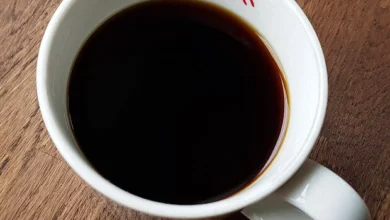
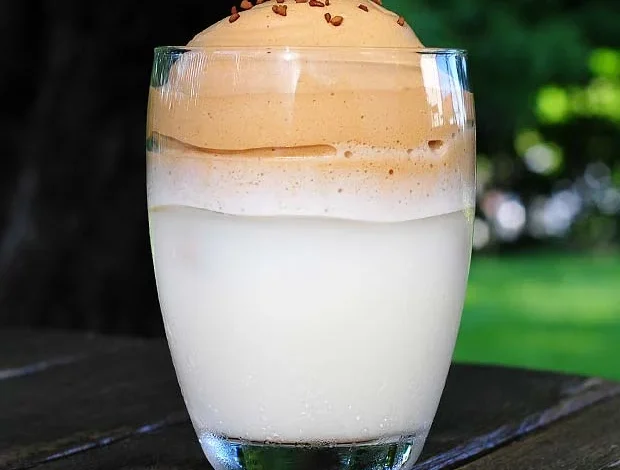
The author explicitly calls for help in identifying more such traditional gels or foams, emphasizing a global perspective. A prominent addition confirmed for v3.1 is the Dalgona coffee foam, which captured global attention during the spring of 2020. This remarkably stable foam, typically made from instant coffee, sugar, and hot water, owes its structure to the emulsifying properties of coffee solids combined with sugar’s ability to increase viscosity and stabilize the air bubbles created through vigorous whipping. Its inclusion underscores the compendium’s commitment to reflecting contemporary culinary phenomena alongside historical techniques.
Implications for the Culinary Landscape and Food Science
The ongoing evolution of "Texture – A Hydrocolloid Recipe Collection" carries significant implications for various sectors. For the culinary world, it continues to democratize advanced techniques, making the principles of molecular gastronomy accessible to a broader audience beyond elite professional kitchens. This fosters innovation, encouraging chefs and home cooks alike to experiment with textures, flavors, and presentations, pushing the boundaries of what food can be. The emphasis on user contributions creates a dynamic, living document that reflects collective culinary intelligence and problem-solving.
From an educational standpoint, "Texture" serves as an invaluable teaching resource. It provides practical examples that complement theoretical knowledge in food science programs, culinary schools, and even high school science curricula. The detailed explanations and recipe formats aid in understanding the functional properties of ingredients, fostering a deeper appreciation for the chemistry of cooking.
For the food industry, a continuously updated "Texture" provides a reference point for ingredient functionality and potential applications, inspiring new product development, particularly in areas like plant-based alternatives, gluten-free products, and texture-modified foods for specific dietary needs. The inclusion of traditional, non-hydrocolloid gels also highlights the potential for drawing inspiration from heritage cuisines to develop natural, clean-label food solutions.
Ultimately, the impending v3.1 update to "Texture – A Hydrocolloid Recipe Collection" is more than just a revision; it is a reaffirmation of the collaborative spirit of culinary exploration and scientific inquiry. By integrating community insights, addressing underrepresented areas, and embracing both cutting-edge and traditional techniques, the compendium continues to solidify its role as an indispensable guide for anyone seeking to master the art and science of food texture. The culinary world eagerly anticipates this enriched resource, poised to inspire a new wave of textural innovation.
Related posts: