A Classic Greek Chicken Favorite: Chicken stewed until tender in a rich tomato sauce.

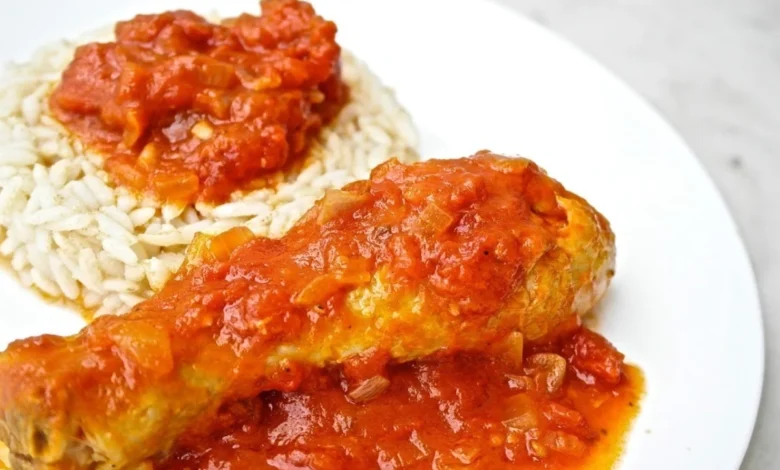
The culinary landscape of Greece is rich with traditions passed down through generations, and among its most cherished dishes is Kotopoulo Kokkinisto. This classic Greek chicken preparation, meaning "reddened chicken," exemplifies the country’s profound connection to fresh ingredients and time-honored cooking methods. The term "kokkinisto" itself refers to a style of cooking where ingredients are simmered until tender in a vibrant tomato-based sauce, a technique applied to a wide array of Greek produce, from summer vegetables like okra, green beans, and eggplant, to hearty meats.
Kotopoulo Kokkinisto holds a special place in the hearts of many Greeks, evoking memories of family gatherings and celebratory meals. The author recalls their grandmothers preparing this dish, often on Sundays or special occasions, utilizing chickens raised in their own yards, a testament to the dish’s rustic origins and the emphasis on self-sufficiency in traditional Greek households. This practice underscores a time when food was sourced locally and prepared with a deep understanding of its provenance, contributing to both its exceptional flavor and its inherent healthfulness.
The appeal of Kotopoulo Kokkinisto extends beyond its comforting taste and nostalgic associations. Modern nutritional science has shed light on the significant health benefits derived from its key ingredients, particularly tomatoes and olive oil. Extensive studies have demonstrated that cooking tomatoes, especially when combined with olive oil, significantly enhances the absorption of lycopene. Lycopene is a powerful antioxidant renowned for its potential to protect against chronic diseases, including certain types of cancer and cardiovascular disease. Furthermore, even when tomatoes are cooked, they retain a notable amount of Vitamin C. This vitamin plays a crucial role in improving the body’s absorption of iron from the meat, making the dish a well-rounded source of essential nutrients.
The preparation of Kotopoulo Kokkinisto typically involves a moderate amount of olive oil, often less than a tablespoon per person, positioning it as a dish that is both balanced in fat content and rich in protein and vital antioxidants. The author often opts to increase the tomato quantity beyond the standard recipe, a practice that not only deepens the sauce’s flavor but also incorporates an additional serving of vegetables into the meal, further boosting its nutritional profile. This flexibility in preparation allows for adaptation to individual dietary needs and preferences, highlighting the dish’s versatility.
A Deeper Dive into the Nutritional Synergy
The synergy between tomatoes and olive oil in Kotopoulo Kokkinisto is a prime example of how traditional Mediterranean cooking aligns with contemporary nutritional science. Lycopene, the vibrant red pigment in tomatoes, is a fat-soluble compound. This means that its absorption into the bloodstream is significantly improved when consumed with dietary fats. Extra virgin olive oil, a staple of the Mediterranean diet, provides these beneficial monounsaturated fats, acting as a carrier for lycopene. Research published in journals like the Journal of Nutrition has consistently shown this enhanced bioavailability. For instance, studies have indicated that the lycopene content in cooked tomato products can be several times higher than in raw tomatoes, especially when consumed with a source of healthy fat.
The Vitamin C content in tomatoes, while susceptible to heat, remains present in cooked preparations. Vitamin C is a crucial co-factor for non-heme iron absorption, the type of iron found in plant-based foods and, to a lesser extent, in meat. By pairing the chicken (a source of heme iron) with tomatoes, the dish effectively supports iron metabolism, which is vital for energy production and oxygen transport throughout the body. This is particularly beneficial for individuals who may be at risk of iron deficiency, such as women of childbearing age or vegetarians who consume the dish.
The Cultural Significance and Evolution of Kotopoulo Kokkinisto
The cultural roots of Kotopoulo Kokkinisto are deeply embedded in Greek agricultural practices and social customs. For centuries, chicken was a more precious commodity than it is today, often reserved for special occasions or raised in small backyard flocks. The "kokkinisto" method, utilizing readily available tomatoes and olive oil, provided an economical yet flavorful way to prepare this protein. This approach reflects a broader Mediterranean culinary philosophy that prioritizes maximizing the flavor and nutritional value of simple, seasonal ingredients.
The evolution of Kotopoulo Kokkinisto also mirrors broader trends in Greek cuisine. While traditional recipes often relied on whole chickens, modern adaptations frequently utilize specific cuts like thighs and drumsticks, which tend to remain more moist and tender during the simmering process. The choice of tomatoes also plays a role, with ripe, flavorful varieties contributing the most to the sauce’s depth.
Accompaniments and Versatility
Kotopoulo Kokkinisto is a highly adaptable dish, lending itself to a variety of accompaniments that can transform it from a simple weeknight meal to a more elaborate culinary experience. Traditionally, it is often served with potatoes, either roasted or mashed, which soak up the rich tomato sauce beautifully. Other popular pairings include:
- Rice: Brown rice, as mentioned by the author, offers a whole-grain option that complements the dish’s heartiness. White rice or even orzo pasta can also be excellent choices.
- Bread: Crusty, fresh bread is essential for mopping up every last drop of the flavorful sauce. A simple village bread or a rustic sourdough would be ideal.
- Salad: A light, crisp Greek salad, featuring cucumbers, tomatoes, onions, olives, and feta cheese, provides a refreshing contrast to the rich, slow-cooked chicken.
- Pasta: For a heartier meal, the chicken and sauce can be served over spaghetti or other pasta shapes, creating a Greek-inspired take on a pasta dish.
The flexibility in serving options underscores the dish’s role as a staple that can be tailored to different dietary needs and culinary preferences, making it a truly inclusive part of Greek cuisine.
A Glimpse into the Recipe’s Details
While the full recipe details are not provided in the original excerpt, the description highlights key elements of its preparation: chicken stewed until tender in a rich tomato sauce. This implies a slow-cooking process that allows the flavors to meld and the chicken to become fall-apart tender. The use of tomatoes suggests a base that is likely seasoned with olive oil, herbs (such as oregano, thyme, or bay leaves), and possibly a touch of garlic and onion. The final dish is characterized by its deep red hue, a visual cue to its tomato-rich composition.

The provided metadata indicates a preparation time of 10 minutes and a cooking time of 1 hour, resulting in a total time of 1 hour and 10 minutes. This suggests a relatively straightforward preparation process, with the majority of the time dedicated to the simmering phase. The recipe is noted to yield 3 servings and is estimated to contain approximately 435 calories per serving. These figures offer a practical understanding of the dish’s preparation and nutritional profile for home cooks.
Broader Implications for Health and Culinary Heritage
The enduring popularity of Kotopoulo Kokkinisto speaks to the timeless appeal of well-prepared, nutrient-dense food. In an era where processed meals are increasingly common, dishes like this serve as important reminders of the health benefits and cultural richness found in traditional cooking. The emphasis on whole ingredients, healthy fats, and antioxidant-rich produce positions Kotopoulo Kokkinisto not just as a meal, but as a culinary ambassador for the Mediterranean way of eating.
As dietary guidelines continue to evolve, the principles embodied in Kotopoulo Kokkinisto – a focus on vegetables, healthy fats, lean proteins, and slow cooking – remain central to promoting long-term health and well-being. The dish’s ability to satisfy both the palate and the nutritional needs of the body makes it a compelling example of how culinary heritage can contribute to modern health objectives. Furthermore, its continued presence on family tables across Greece and in Greek diaspora communities worldwide ensures that this cherished recipe will be passed down to future generations, preserving a vital piece of Greek culinary identity.
The author, Elena Paravantes, MS, RD, brings a unique perspective to this dish, combining her expertise as a Registered Dietitian Nutritionist with her deep understanding of the Mediterranean Diet. Her insights into the nutritional advantages of Kotopoulo Kokkinisto are invaluable, offering a scientifically grounded appreciation for a dish that has long been a cornerstone of healthy eating in Greece. Her background, including extensive experience as a clinician, consultant, author, and lecturer, and her collaborations with esteemed institutions, further solidify her credibility in promoting the benefits of Mediterranean cuisine. This expertise lends significant weight to the analysis of Kotopoulo Kokkinisto‘s health attributes, moving beyond anecdotal evidence to offer a scientifically supported understanding of its dietary value.
The persistence of such traditional recipes in modern diets is not merely a matter of nostalgia; it reflects a growing awareness of the connection between food, culture, and health. Kotopoulo Kokkinisto, with its simple yet profound preparation and its inherent nutritional benefits, stands as a vibrant testament to this enduring connection, offering a delicious and healthy way to experience the heart of Greek cuisine.