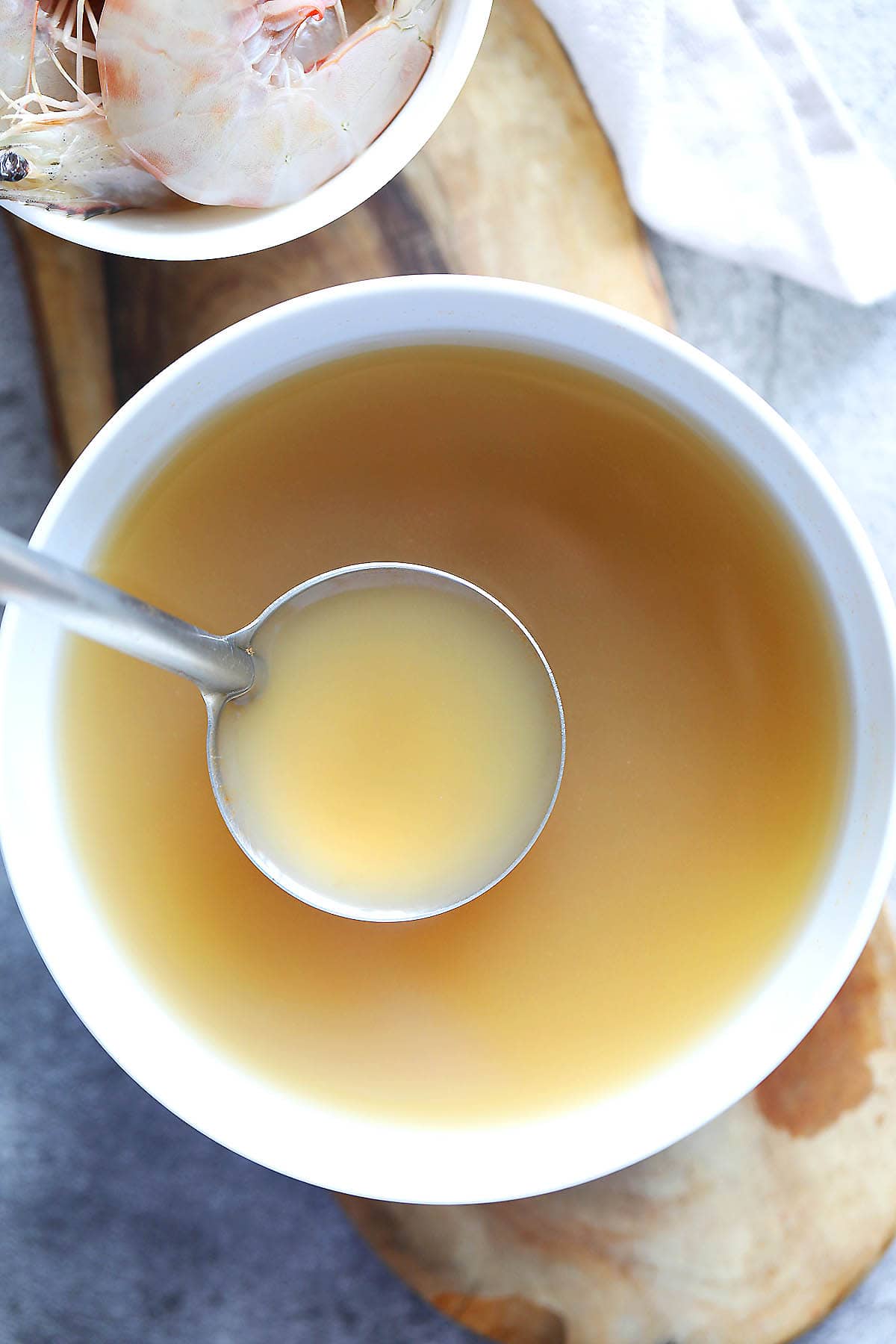
Making homemade shrimp stock is an accessible culinary endeavor, transforming readily available seafood byproducts into a rich, golden broth with immense depth of flavor. This foundational ingredient, often overlooked in home kitchens, elevates a myriad of dishes, from delicate soups to robust curries. The process, surprisingly simple and swift, yields a superior taste and aroma compared to any commercially produced alternative, underscoring the value of utilizing every part of the shrimp.
The Culinary Significance of Shrimp Stock
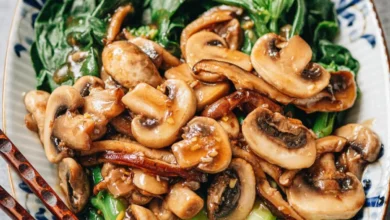
Shrimp stock is more than just a liquid base; it’s a cornerstone in many Asian cuisines, prized for its ability to impart a sweet, savory, and subtly oceanic essence. It forms the soul of iconic dishes such as Tom Yum Soup, Penang Hokkien Mee, and various Thai fish curries, providing a complexity that is difficult to replicate with store-bought broths or powders. This recipe highlights a budget-friendly approach, utilizing shrimp shells and heads that are typically discarded after preparing shrimp for other meals. This practice not only minimizes food waste but also unlocks a treasure trove of flavor for virtually no additional cost, positioning it as a truly economical yet luxurious culinary asset.
Sourcing the Finest Ingredients: A Guide to Selecting Shrimp Shells
The quality of the final shrimp stock is directly linked to the quality of the shrimp shells and heads used. When procuring shrimp, whether at a local fish market or a supermarket seafood counter, opting for fresh, high-quality crustaceans is paramount. The shells should be vibrant in color, firm to the touch, and possess a clean, oceanic scent, free from any signs of spoilage or ammonia. For the purpose of stock making, it is often more economical to purchase whole shrimp, as the shells and heads are the primary flavor carriers.
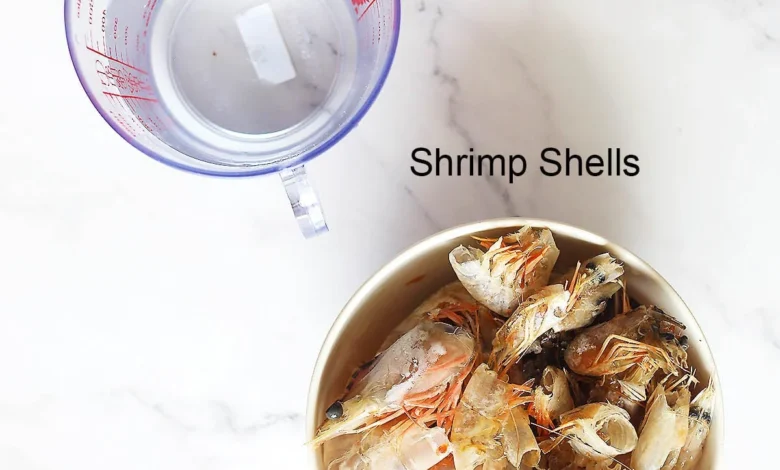
A crucial preparatory step involves the meticulous trimming of the shrimp heads. Specifically, the long antennae and sharp feelers should be snipped away using kitchen shears. While seemingly minor, these parts are brittle and can easily break off during the boiling process. If left intact, they can disintegrate into fine, prickly fragments that are challenging to remove during straining, potentially compromising the clarity and texture of the final stock. Once trimmed, these valuable byproducts can be stored in a tightly sealed freezer bag. This allows for the gradual accumulation of shells and heads over several weeks, ensuring a sufficient quantity is on hand for stock preparation without requiring an immediate shopping trip.
The Essential Components for Superior Shrimp Stock
The beauty of this shrimp stock recipe lies in its minimalist ingredient list, emphasizing purity and natural flavor extraction.
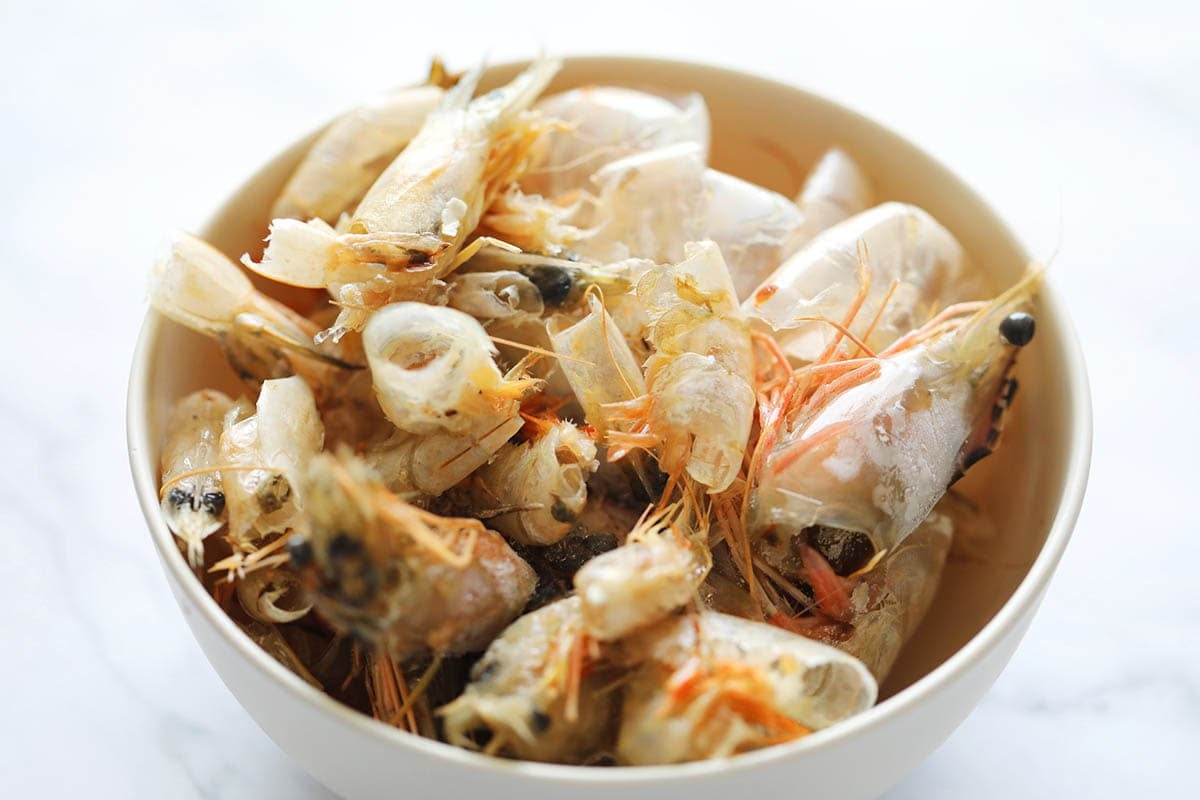
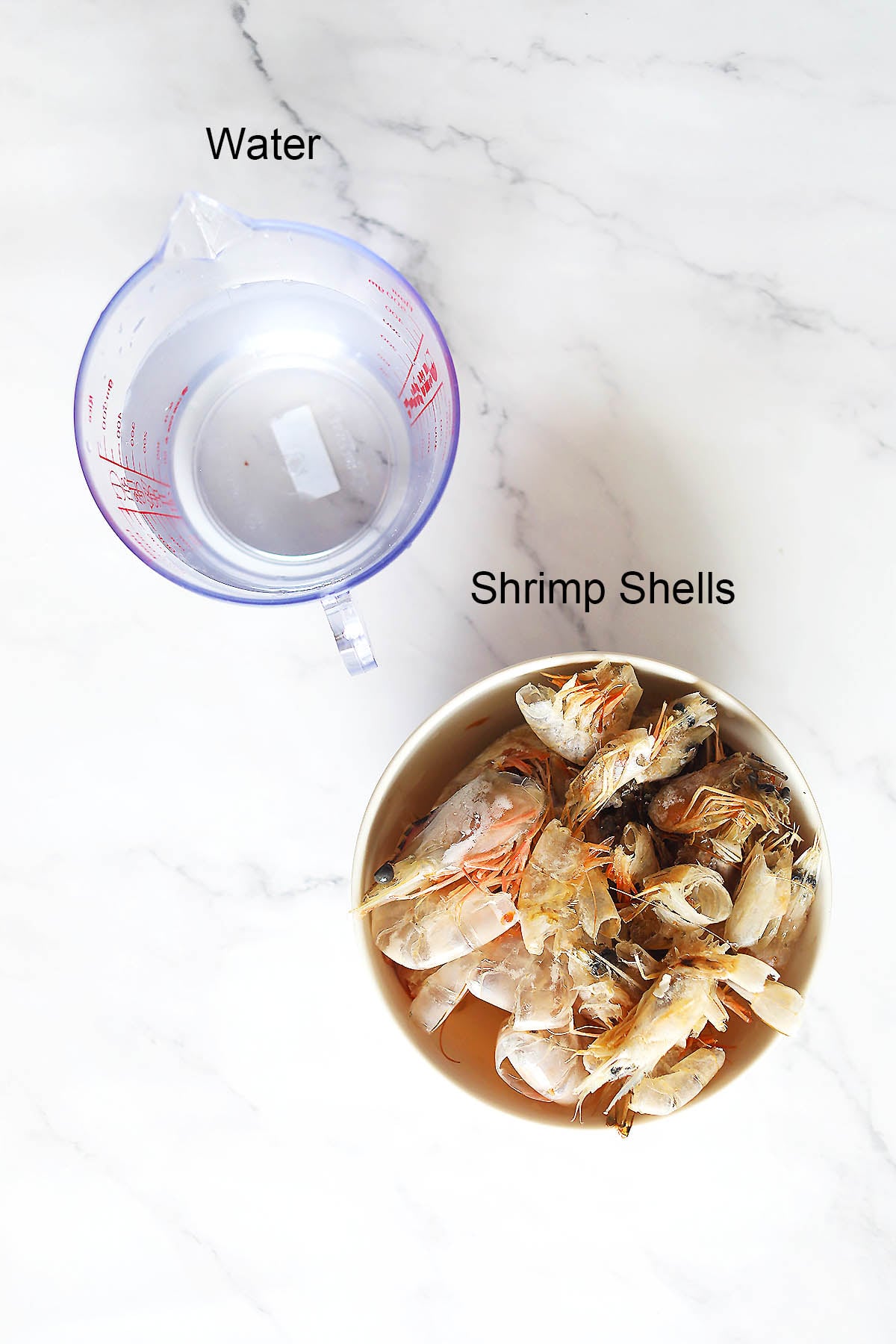
- Shrimp Shells and Heads: Approximately 1 to 1.5 pounds of fresh, raw shrimp shells and heads are ideal for this recipe. It is crucial that these are from raw shrimp, as cooked shells have already released a significant portion of their flavor. The vibrant pink hue that develops during cooking is a visual indicator of the flavor being released.
- Water: 8 cups of fresh water form the base of the stock. The quantity is carefully calibrated to achieve the desired concentration of flavor without diluting the essence of the shrimp.
While this recipe advocates for a pure, unadulterated stock to maximize versatility, the author notes that other recipes may suggest incorporating aromatics such as ginger, scallions, or lemongrass. However, the philosophy here is to maintain a neutral flavor profile, allowing the cook to introduce specific aromatics directly into the final dish, thereby ensuring the stock can be seamlessly integrated into a wider array of culinary creations without flavor clash.
The Swift and Simple Method for Crafting Shrimp Stock
The preparation of this exceptional shrimp stock is designed for efficiency, requiring only about 15 minutes of total time, including preparation and simmering. The key to its success lies in a specific technique: introducing the shrimp shells and heads directly into boiling water. This immediate immersion ensures that the shells rapidly release their rich juices and flavor compounds, creating a deeply aromatic and flavorful broth.
Step-by-Step Preparation:
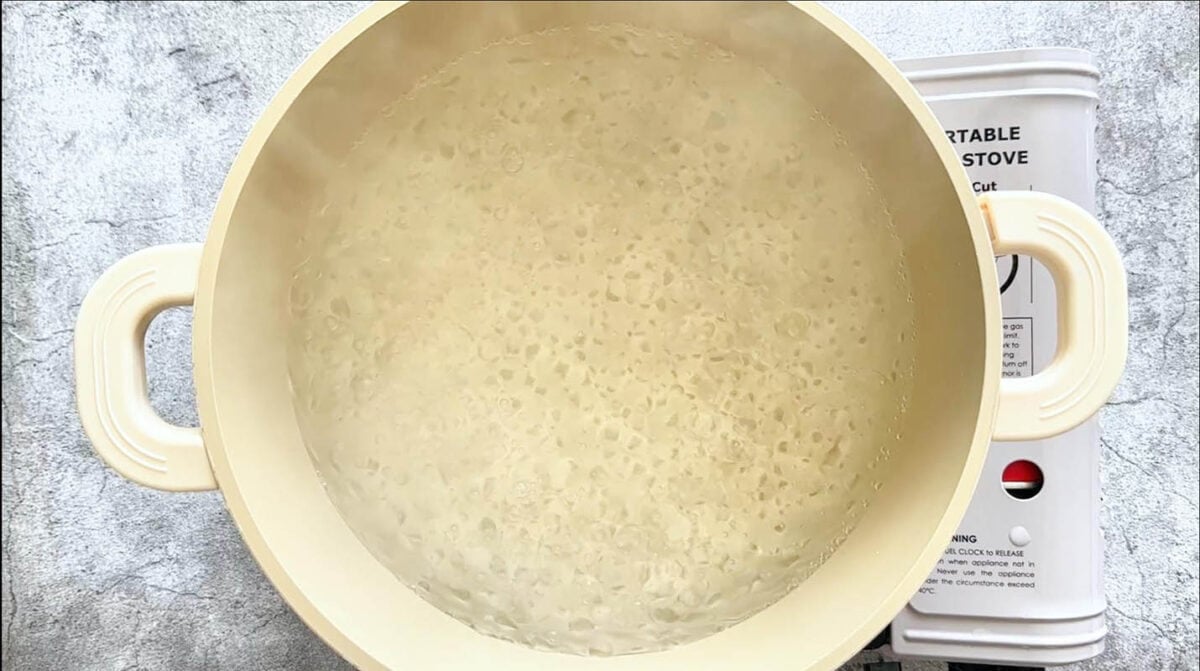
- Initiating the Boil: Begin by bringing 8 cups of fresh water to a vigorous, rolling boil in a large pot over high heat. Ensuring the water is at a full boil before adding the shrimp components is critical for optimal flavor extraction.
- Introducing the Shells and Heads: Carefully add the reserved shrimp shells and heads to the rapidly boiling water. The immediate high temperature will cause the shells to turn a bright pink almost instantaneously, a visual cue that their flavorful essence is beginning to infuse the water. While the addition of the shells may temporarily reduce the water’s temperature, allow it to return to a full boil.
- Simmering for Flavor: Let the mixture boil steadily for 10 to 15 minutes. During this period, the liquid will transform into a beautiful, light golden color and become intensely fragrant. The short simmering time is deliberate; seafood shells are delicate and release their flavor quickly. Over-simmering can lead to the breakdown of the shells, resulting in a bitter or muddy-tasting broth.
- Skimming for Clarity: Throughout the simmering process, it is essential to monitor the surface of the stock and skim off any foam or scum that rises to the top. This is a crucial step in ensuring a clean, clear, and unclouded final product. A simple spoon or skimmer can be used to remove these impurities. This practice prevents the stock from developing an undesirable "fishy" or muddy taste, preserving its sweet and pure essence.
- Straining for Purity: Once the simmering is complete, carefully strain the liquid through a fine-mesh sieve into a large, heatproof bowl. Discard the spent shrimp shells and heads. It is vital to allow the liquid to drain naturally and to resist the temptation to press down on the solids in the sieve. Doing so can force small, gritty particles through the mesh and into the stock, compromising its clarity.
- Cooling and Storage: The freshly made shrimp stock can be used immediately in your chosen recipe. Alternatively, allow it to cool completely on the countertop before transferring it to airtight containers for storage in the refrigerator or freezer.
Maximizing Freshness and Versatility: Storage and Usage Guidelines
Proper storage ensures that the homemade shrimp stock remains a convenient and flavorful asset in the kitchen. Once the stock has cooled completely to room temperature, it can be decanted into airtight containers or jars. In the refrigerator, it will retain its freshness for up to 3 days. For longer storage, the stock can be frozen. Freezing in smaller portions, such as in ice cube trays or specialized freezer bags, allows for easy retrieval of the exact amount needed for a recipe. When properly frozen, homemade shrimp stock can maintain its quality for up to 3 months.
Addressing Common Queries: Frequently Asked Questions About Shrimp Stock
A deeper understanding of the nuances of shrimp stock preparation can be gained by addressing frequently asked questions:
-
Can I use cooked shells instead of raw ones?
No, it is imperative to use raw shrimp heads and shells. Raw components retain all their natural juices and sweetness, which are essential for a flavorful stock. Cooked shells have already surrendered a significant portion of their flavor during the initial cooking process, resulting in a weak and watery broth.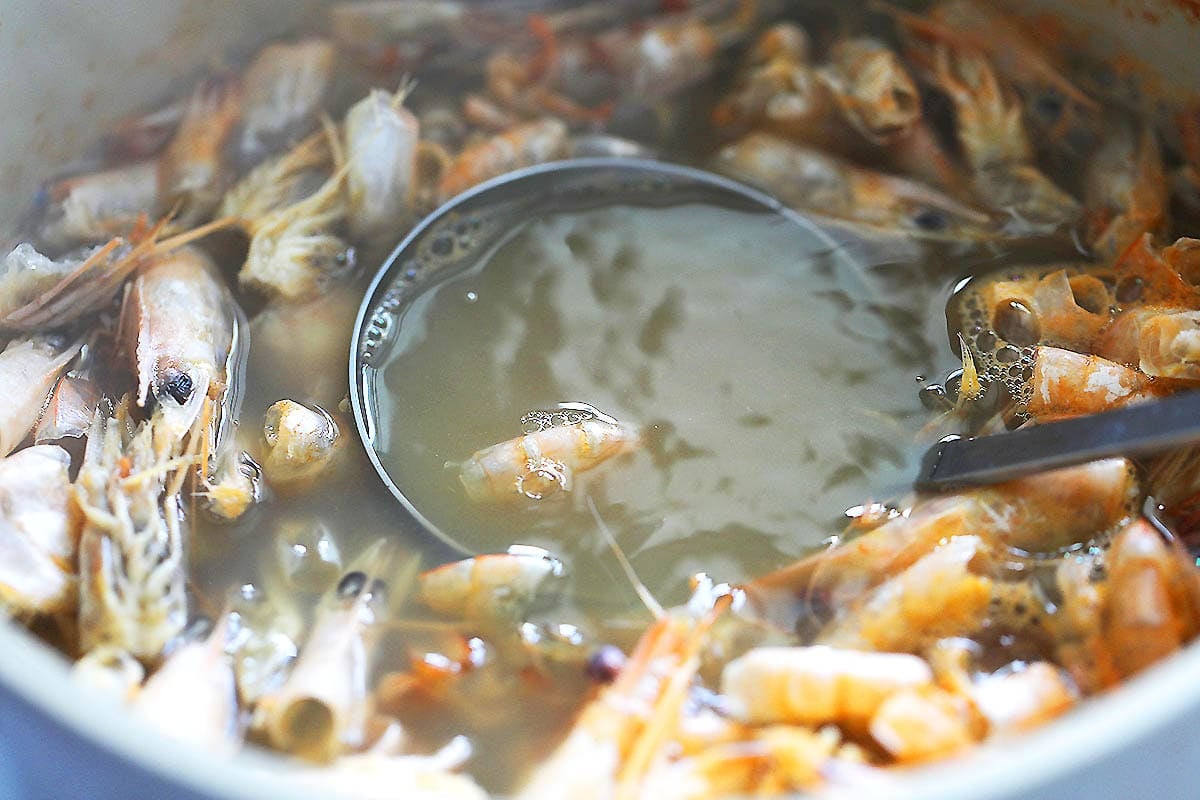
-
Can I add extra seasonings or vegetables to the stock?
While tempting, it is strongly advised against adding salt, vegetables, or aromatics like ginger, garlic, or lemongrass to the stock itself. This recipe emphasizes creating a pure, neutral base. By keeping it unseasoned and unadorned, the stock becomes incredibly versatile, suitable for a wide range of dishes without imposing a predefined flavor profile. Aromatics and seasonings should be added directly to the final dish where they can be better controlled and integrated. -
Can I simmer the stock for a longer period for more flavor?
Unlike bone broths, which benefit from extended simmering, seafood shells are delicate and release their flavor rapidly. Simmering for more than 20 minutes is unnecessary and counterproductive. Prolonged boiling can cause the shells to break down excessively, leading to a bitter, muddy taste and a cloudy texture. The 10-15 minute simmer is precisely calibrated to extract maximum flavor while maintaining clarity.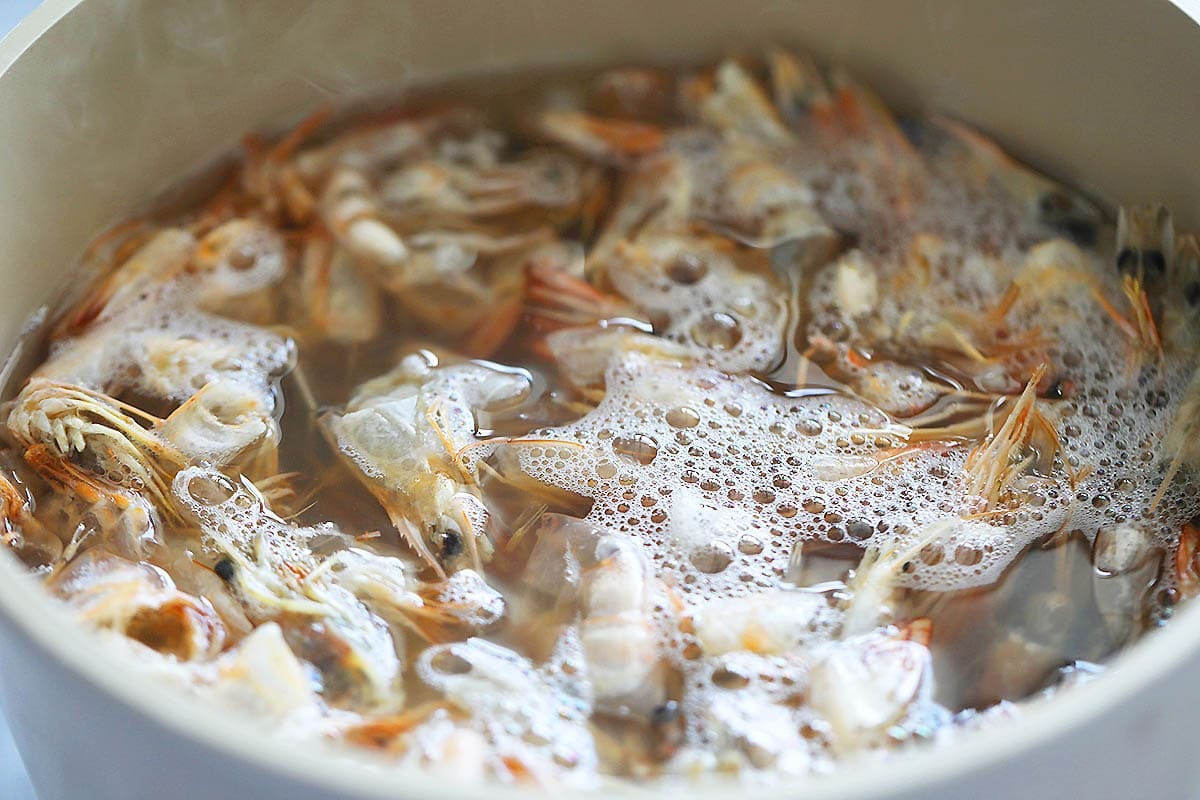
-
What if I don’t have a fine-mesh sieve?
If a fine-mesh sieve is unavailable, a standard colander can be used, but it must be lined with a fine filtering material. Options include a double layer of cheesecloth, a sturdy paper towel, or a clean coffee filter. This lining will effectively catch any small shell fragments or gritty particles, ensuring a clear broth. -
How long does the stock stay fresh?
Refrigerated shrimp stock is best consumed within 3 days. For extended preservation, freezing is recommended, with the stock remaining of good quality for up to 3 months when stored properly in airtight containers.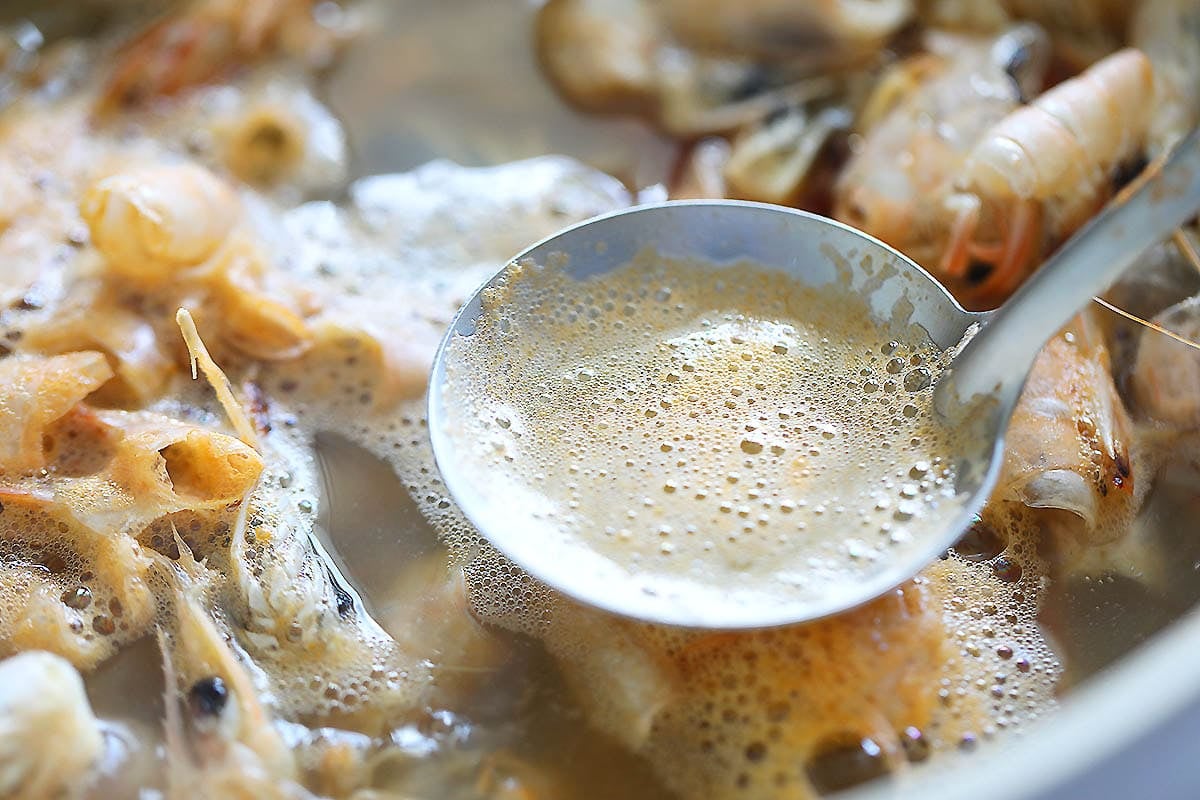
-
Nutritional Information:
This recipe yields approximately 7 cups of shrimp stock. Each cup contains roughly 12 calories, 2g of protein, 0.3g of fat (0.1g saturated fat), 8mg of cholesterol, 95mg of sodium, 60mg of potassium, 25mg of calcium, and 0.3mg of iron. This information is an approximation and may vary.
The Broader Impact of Culinary Resourcefulness
The practice of creating homemade shrimp stock from kitchen scraps embodies a growing movement towards sustainable and mindful cooking. In an era where food waste is a significant global concern, transforming what would otherwise be discarded into a valuable culinary ingredient is both environmentally responsible and economically astute. This approach not only enhances the flavor profile of home-cooked meals but also fosters a deeper appreciation for the interconnectedness of ingredients and the potential for resourcefulness in the kitchen. By mastering this simple technique, home cooks can significantly elevate their culinary repertoire while contributing to a more sustainable food system. The rich, golden broth is a testament to the idea that deliciousness and responsibility can go hand in hand, proving that even the most humble of kitchen byproducts can yield extraordinary results.