The Golden Spectrum: Exploring the Nutritional and Culinary Richness of Orange Vegetables


Orange vegetables bring warmth, color, and remarkable versatility to countless dishes, enriching both the palate and the nutritional profile of global cuisines. From the familiar sweet roots and creamy squashes to the fiery peppers and aromatic rhizomes, this vibrant group spans an impressive range of flavors, textures, and health benefits. Their characteristic bright hues are predominantly derived from carotenoids, a class of natural plant compounds celebrated for their potent antioxidant properties and their critical role in human health. This comprehensive exploration delves into the diverse world of orange vegetables, moving beyond common staples to highlight ingredients that contribute sweetness, earthiness, heat, and undeniable visual appeal to everyday cooking, while also examining their historical significance, nutritional contributions, and broader culinary implications.
The Power of Carotenoids: A Nutritional Cornerstone
The prevalence of carotenoids, such as beta-carotene, alpha-carotene, and beta-cryptoxanthin, is a unifying factor among many orange vegetables. These lipid-soluble pigments are not merely responsible for the appealing color; they serve as precursors to Vitamin A in the human body, a vital nutrient for maintaining healthy vision, robust immune function, and optimal skin integrity. Beyond their role as provitamin A, carotenoids act as powerful antioxidants, combating oxidative stress and potentially reducing the risk of chronic diseases. The diversity within this category offers a broad spectrum of these beneficial compounds, making their inclusion in a balanced diet a strategic choice for health and well-being.
1. Carrots: The Ubiquitous Root
Carrots have firmly established their place as one of the world’s most dependable and widely consumed vegetables, equally at home in gourmet preparations and daily meals. Their iconic bright orange color is primarily due to beta-carotene, which the body efficiently converts into vitamin A. A medium carrot can provide over 200% of the daily recommended intake of vitamin A, underscoring its importance for eye health and immune support. Historically, carrots were cultivated in various colors, including purple, white, and yellow, with the orange variety gaining prominence in the Netherlands in the 17th century, purportedly bred in honor of the House of Orange.
Their gentle sweetness and earthy flavor make them incredibly versatile. They are a foundational ingredient in stocks, soups, and stews across myriad cuisines. When grilled or roasted, their natural sugars caramelize, enhancing their savory depth, as seen in dishes like balsamic-glazed carrots or roasted root vegetable medleys. Grated raw, they add crunch and sweetness to salads and slaws, while their puréed form contributes to everything from smooth baby foods to classic desserts like carrot cake. Global production of carrots and turnips combined reached approximately 44 million metric tons in 2022, with China being the largest producer, highlighting their significant role in global food systems.
2. Butternut Squash: Autumn’s Creamy Delight
With its distinctive hourglass shape, smooth, tan skin, and vibrant orange interior, butternut squash is a comforting classic, particularly associated with autumn and winter. Like carrots, its rich orange hue signals a high concentration of beta-carotene, supporting healthy eye function and skin. Its sweet, nutty flesh transforms into an incredibly velvety texture when cooked and pureed, making it an ultimate choice for silky autumn soups, creamy risottos, and rich pasta sauces.
Butternut squash roasts beautifully in cubes, developing deeply savory, caramelized edges that elevate grain bowls, salads, and side dishes. It can also be baked, steamed, or sautéed. Originating in North and Central America, squashes have been cultivated for thousands of years, with butternut squash being a relatively modern cultivar developed in the 20th century. Its robust skin allows for long storage, making it a valuable vegetable during colder months, and its natural sweetness also lends itself to dessert applications, such as pies and custards.
3. Sugar Pie Pumpkins: The Sweetheart of the Harvest
Unlike their giant, often watery relatives typically grown for decorative carving during Halloween, sugar pie pumpkins (also known as pie pumpkins or sweet pumpkins) are specifically cultivated for culinary excellence. They possess a dense, firm flesh with a concentrated sweetness and smoother texture, making them an indispensable staple for baking and creating rich, flavorful purees.

These smaller, more manageable pumpkins bring a warm, familiar flavor profile to an extensive range of dishes, from savory appetizers like sun-dried tomato and pumpkin biscuit rolls to elegant baked risotto, and even decadent desserts such as chocolate pumpkin mousse cake. Their intense flavor and creamy consistency make them superior for pumpkin pies and other baked goods, offering a more robust taste compared to canned pumpkin puree, which is often derived from other squash varieties. Their seasonal appearance is eagerly anticipated by home cooks and professional chefs alike.
4. Sweet Potatoes: A Global Staple of Comfort
A beloved staple across cultures, sweet potatoes are prized for their rich flavor, diverse textures, and exceptional nutritional value. Their vibrant orange flesh, characteristic of varieties like the Beauregard or Jewel, is packed with beta-carotene, offering a significant boost to vitamin A intake. Beyond this, sweet potatoes are excellent sources of dietary fiber, vitamin C, and manganese, contributing to digestive health, immune function, and bone health. Nutritionists often highlight sweet potatoes as a complex carbohydrate with a lower glycemic index compared to white potatoes, making them a favored choice in health-conscious diets.
Sweet potatoes are incredibly versatile, holding up beautifully whether baked whole, mashed with butter and spices, or cut into crispy fries. They lend warmth and substance to almost any meal. They can be enjoyed roasted with herbs like rosemary, blended into hearty curried lentil stews, or even transformed into unexpected desserts like crème brûlée. Globally, sweet potatoes are a crucial food security crop, particularly in parts of Africa, Asia, and Latin America, with China being the largest producer. Their adaptability to various climates and their nutrient density make them a cornerstone of many diets.
5. Orange Bell Peppers: A Burst of Fruity Sweetness
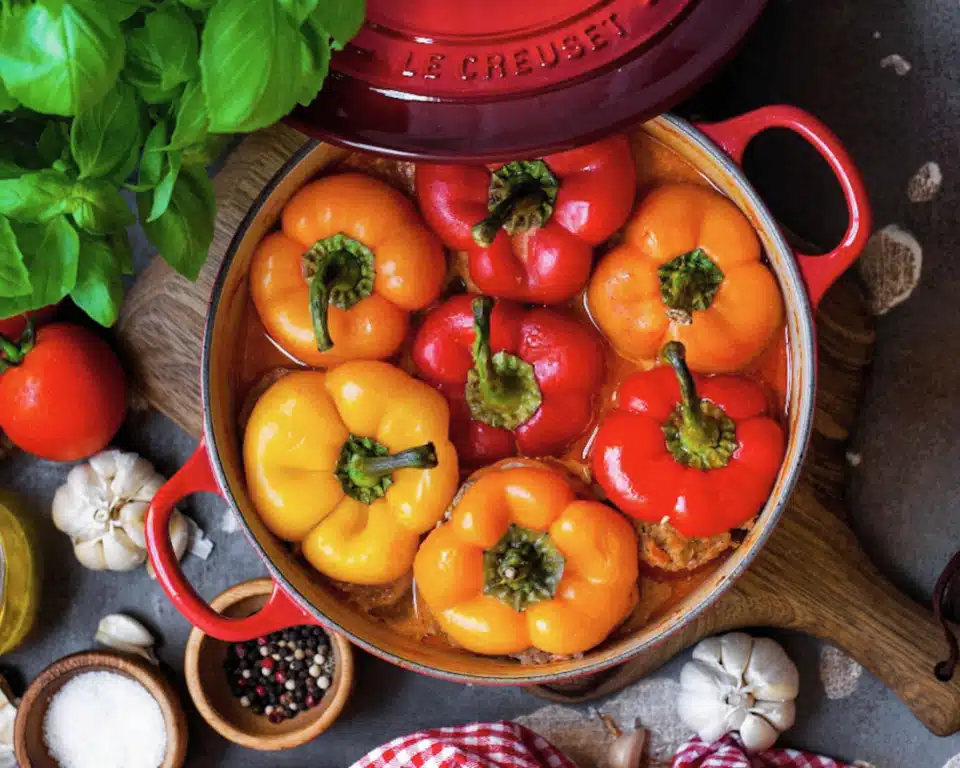
Brilliant and sunny, orange bell peppers ( Capsicum annuum) bring a wonderfully mild, fruity sweetness to the kitchen. Unlike their greener, slightly more bitter counterparts, orange bell peppers are fully ripened, allowing their sugars to develop, resulting in a less pungent and more palatable flavor profile. They are particularly rich in vitamin C, with a single medium pepper providing more than 150% of the daily recommended value. This high vitamin C content supports collagen production, aids in iron absorption from plant-based foods, and functions as a powerful antioxidant.

Their crisp texture and sweet taste make them an excellent choice for raw preparations, such as salads, snack platters with dips, and crudités. When roasted or grilled, their sweetness intensifies, and their skin softens, making them ideal for purees, sauces, and as an addition to stir-fries or fajitas. Orange bell peppers add a vibrant pop of color and a mild, refreshing crunch, enhancing the aesthetic and flavor of countless dishes without overpowering other ingredients.
6. Kabocha Squash: The Japanese Pumpkin
Often referred to as Japanese pumpkin, kabocha squash (Cucurbita maxima) boasts a dense, firm texture and a rich, earthy flavor profile that lies somewhere between sweet potato and roasted chestnut. Its deep orange flesh is a good source of dietary fiber, vitamin A (from beta-carotene), and vitamin C. Unlike many other squashes, kabocha holds its shape exceptionally well during cooking, making it particularly useful in curries, hearty roasted vegetable dishes, and robust soups.
A distinct advantage of kabocha is its edible skin, which softens considerably when cooked, often negating the need for peeling—a significant time-saver in the kitchen. This characteristic makes it popular in Asian cuisine, where it is frequently used in tempura, stews, and side dishes. Its naturally sweet and slightly savory notes make it a versatile ingredient for both traditional and contemporary recipes, from simple steamed wedges to complex curries.
7. Orange Habanero Peppers: Tropical Heat with Flavor
The definition of both beautiful and fierce, orange habanero peppers (Capsicum chinense) are renowned for their intense heat and striking blazing color. While their Scoville Heat Unit (SHU) rating typically ranges from 100,000 to 350,000, placing them among the hotter chili peppers, they also deliver distinct tropical and floral notes that make them especially valuable in Caribbean and Latin American cooking, as well as in crafting gourmet hot sauces.

Beyond their capsaicin-induced heat, habaneros are a good source of vitamin C, providing antioxidant benefits. Culinary caution is advised due to their potency; a little goes a very long way in adding significant spice and complex flavor to marinades, salsas, and cooked dishes. Their unique flavor profile, often described as fruity and smoky, distinguishes them from other super-hot peppers, making them a favorite among chili enthusiasts and adventurous cooks.
8. Cheddar Cauliflower: A Colorful Twist
This unique cauliflower variety stands out immediately thanks to its warm, inviting orange color, a natural genetic mutation. While its flavor remains close to traditional white cauliflower, many culinary experts and home cooks find it to be subtly sweeter and possess a creamier texture. The distinctive orange hue is attributed to elevated levels of beta-carotene, making it a naturally more nutritious option in terms of provitamin A.
Cheddar cauliflower behaves identically to standard white cauliflower in cooking applications. It can be roasted to bring out its nutty notes, mashed into a velvety side dish, or broken into florets for vibrant salads and crudités. Its primary appeal lies in its ability to add a vibrant pop of color to meals without altering familiar cooking methods or flavor expectations, making it an excellent choice for adding visual interest to vegetable platters and cooked dishes.
9. Turmeric: The Golden Rhizome
While often categorized as a spice due to its pulverized form, fresh turmeric (Curcuma longa) is botanically a rhizome and can be considered a vegetable in its fresh, whole form. It is instantly recognizable thanks to its intensely orange flesh, which has a powerful ability to color almost everything it touches. Its earthy, slightly bitter, and subtly peppery flavor forms the undertone of countless curries, spice blends, and soups, particularly in South Asian and Southeast Asian cuisines.
The rhizome contains curcumin, a natural pigment responsible for both its striking color and much of the scientific interest surrounding turmeric’s potential health benefits. Curcumin has been extensively studied for its anti-inflammatory and antioxidant properties, leading to its widespread use in traditional medicine systems like Ayurveda. Recent research suggests potential positive influences on liver health, cognitive function, and joint health. Fresh or dried, turmeric adds warmth, color, and profound depth to cooking, working exceptionally well in cheesy scones, Brazilian fish stew, and spiced chicken dinners. Its growing popularity in Western cultures, particularly in "golden lattes" and health tonics, underscores its recognized wellness attributes.
10. Orange Tomatoes: Milder and Sweeter
Low in acidity and naturally sweet, orange tomatoes offer a gentler, less acidic flavor profile than many traditional red varieties. Their sunny color comes primarily from carotenoids, though they typically contain less lycopene (the predominant carotenoid in red tomatoes) and more beta-carotene and prolycopene. They still provide a good source of vitamin C and a variety of antioxidant compounds, contributing to overall health.
Their mildness and vibrant color make them especially attractive in fresh salads, colorful caprese platters, and as a garnish. When cooked, orange tomatoes create sauces with a softer, sweeter character, appealing to those who find red tomato sauces too sharp or acidic. They are a versatile addition to Mediterranean and international cuisines, offering a delightful alternative to standard red tomatoes for both visual appeal and nuanced flavor.
11. Orange Swiss Chard: A Visual and Nutritional Feast
Often featured in "Rainbow Chard" seed mixes under specific cultivar names like ‘Oriale’ or ‘Orange Fantasia’, orange Swiss chard (Beta vulgaris subsp. cicla) is a striking leafy green. It features broad, deep emerald leaves supported by fibrous, thick stalks that blush a brilliant, glowing orange. This vivid pigmentation adds significant visual appeal to dishes. Nutritionally, orange Swiss chard is a powerhouse, providing substantial amounts of vitamin K, essential for normal blood clotting and bone health, along with magnesium, potassium, and vitamins A and C.

Culinary, orange Swiss chard behaves identically to standard chard varieties. Its leaves can be sautéed, steamed, or blanched, while the thicker stalks require slightly longer cooking times and can be treated similarly to celery. It adds a vibrant pop of color and a mild, earthy flavor to rustic winter braises, frittatas, tarts, and stir-fries, making it a favorite among chefs and home cooks looking to enhance both the nutrition and aesthetics of their meals.
12. Delicata Squash: The Edible-Skin Gem
True to its name, delicata squash (Cucurbita pepo) features a tender, striped skin that is entirely edible when cooked, making it one of the easiest winter squashes to prepare. When sliced into attractive rounds, it creates beautiful, scalloped rings that look particularly appealing on a plate. Its creamy orange flesh contains beneficial carotenoids, the pigments responsible for many yellow and orange vegetables, contributing to its vitamin A content.
Delicata squash bakes up quickly, offering a sweet, mild flavor often described as reminiscent of fresh corn and sweet potatoes. Its small size and thin skin make it ideal for quick roasting or stuffing. It’s a versatile ingredient that pairs well with both sweet and savory seasonings, from maple syrup and cinnamon to herbs and spices. Its ease of preparation and delightful flavor have contributed to its growing popularity in contemporary cuisine.
13. Squash/Zucchini Blossoms: Culinary Elegance
While botanically the flower of the squash or zucchini plant rather than the fruit (and thus not strictly a vegetable), squash and zucchini blossoms are widely treated as a culinary vegetable and are highly prized for their delicate texture and subtle, fresh squash flavor. These ephemeral orange-yellow flowers are typically harvested in spring and early summer and are enjoyed more for their unique culinary appeal and aesthetic beauty than for substantial nutritional content, though they do provide small amounts of vitamin C and carotenoid pigments.

Traditionally, they are often stuffed with soft cheeses (like ricotta or goat cheese) and herbs, then lightly battered and fried until crisp, creating an elegant appetizer. They can also be added raw to salads, used as a garnish, or gently sautéed. Their short season and delicate nature make them a sought-after ingredient in fine dining and regional cuisines, symbolizing freshness and a touch of seasonal luxury.
14. Red Lentils: The Orange Pulse
Though technically a pulse (a legume harvested for its dry seed) rather than a botanical vegetable, red lentils earn their place here thanks to their striking bright orange-red color and exceptional versatility. Their inclusion in this list highlights the broader "orange food" category and their complementary nutritional role. Red lentils cook quickly and break down easily, making them ideal for creamy dals, hearty soups, and creative appetizers like croquettes.
Rich in plant protein, dietary fiber, folate, and iron, red lentils add both significant nutrition and body to dishes with very little effort. They are a cornerstone of vegetarian and vegan diets globally, providing essential nutrients that might otherwise be harder to obtain from plant-based sources. Their rapid cooking time and ability to absorb flavors make them a favorite for quick, nutritious meals, demonstrating how "orange" extends beyond typical vegetables to other vital food groups.
Broader Impact and Implications
The rich array of orange vegetables underscores their vital role in promoting health and culinary diversity. From staple crops that feed millions to gourmet ingredients enhancing fine dining, these foods offer a spectrum of flavors, textures, and essential nutrients. Their high carotenoid content directly translates into significant health benefits, particularly regarding vision, immune function, and antioxidant defense.

The increasing awareness of the health advantages associated with these vibrant foods has fueled their popularity in various dietary trends, from plant-based eating to functional food movements. Furthermore, the genetic diversity within these species, as exemplified by the historical progression of carrots or the varied forms of squash, highlights the ongoing potential for agricultural innovation and the development of new cultivars with enhanced nutritional profiles or unique culinary attributes. By embracing the golden spectrum of orange vegetables, consumers and culinary professionals alike can continue to enrich their diets and expand their gastronomic horizons.
Related posts: