The Art and Science of Preservation Julia Skinners Guide to Reducing Food Waste and Enhancing Culinary Flavors

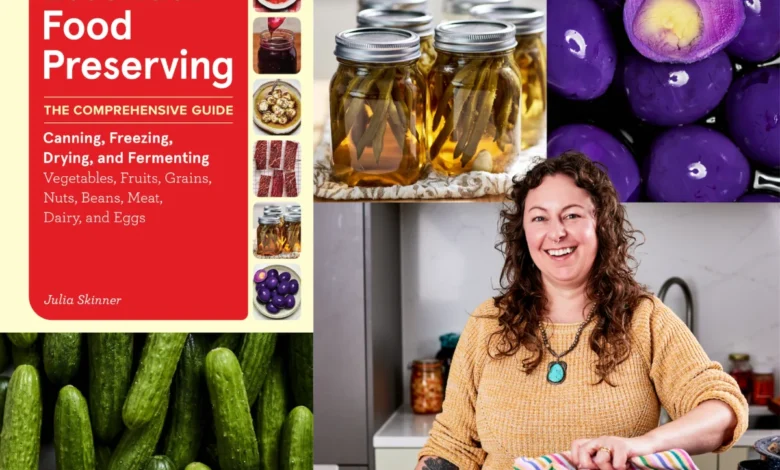
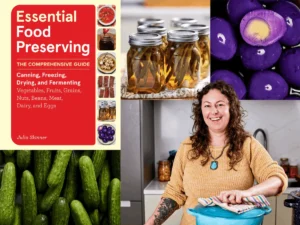
In an era defined by fluctuating grocery prices, supply chain vulnerabilities, and a growing consciousness regarding environmental sustainability, the ancient practice of food preservation has transitioned from a niche survivalist skill to a mainstream culinary necessity. The modern kitchen is increasingly becoming a laboratory for experimentation, driven by the dual pressures of economic inflation—exemplified by the rising costs of seasonal produce like strawberries and citrus—and the moral imperative to reduce household waste. Julia Skinner, a prominent fermentation expert and author, addresses these contemporary challenges in her latest publication, Essential Food Preserving, released in May. This comprehensive guide serves as both a technical manual and a philosophical exploration of how "putting up" food can transform a household’s relationship with its resources.
The Economic and Environmental Context of Modern Preservation
The resurgence of interest in food preservation is not merely a hobbyist trend but a response to significant macroeconomic shifts. According to data from the U.S. Bureau of Labor Statistics, the Consumer Price Index for food has seen volatile spikes over the last three years, making bulk purchasing and seasonal preservation more financially attractive than ever. When a surplus of garden zucchini or a "two-for-one" sale on eggs presents itself, the ability to extend the shelf life of these items translates directly into household savings.
Beyond the financial benefits, the environmental implications of food preservation are profound. Current estimates from organizations like FoodPrint indicate that U.S. households contribute approximately 23.45 million tons of food waste to landfills annually. When food rots in a landfill, it produces methane, a greenhouse gas significantly more potent than carbon dioxide. Skinner’s work posits that by mastering techniques such as fermentation, drying, and canning, consumers can effectively intercept the waste stream, turning potential refuse into high-value pantry staples.
A Chronology of Technique: From Ancestral Necessity to Modern Innovation
The history of food preservation is as old as human civilization itself. Before the advent of mechanical refrigeration in the late 19th and early 20th centuries, preservation was a daily requirement for survival. Skinner’s "Essential Food Preserving" honors this timeline by bridging the gap between traditional methods and modern safety standards. The book is structured to guide the reader through the evolution of these techniques, starting with the simplest forms of temperature control and moving toward complex biological transformations.
The first phase of the methodology focuses on "cold and heat" management. This includes advanced freezing techniques that go beyond simply placing items in a chest freezer. Skinner details the science of blanching—a process of briefly boiling vegetables to stop enzymatic activity—which preserves color, texture, and nutritional value. The progression then moves into "dry packing" and "syrup packing," methods that protect delicate fruits from freezer burn and oxidative stress.
The second phase explores the "acid and salt" methods, which include quick-pickling and brining. This section serves as a gateway to the more complex world of fermentation. Unlike standard pickling, which relies on added vinegar, fermentation utilizes the naturally occurring bacteria on the surface of produce to create lactic acid. This process not only preserves the food but also enhances it with probiotics, aligning with the modern consumer’s focus on gut health and microbiome diversity.
The Diversification of the Preserved Pantry
One of the most significant contributions of Skinner’s recent work is the expansion of preservation beyond the "produce aisle." While many guides focus exclusively on fruits and vegetables, Skinner incorporates animal proteins, dairy, and legumes. This holistic approach reflects a more realistic view of the modern diet and the various points at which waste can occur.
For many contemporary cooks, the idea of preserving meat at home can be intimidating. However, Skinner demystifies these processes by grounding them in familiar products. The transition from raw protein to preserved delicacy is illustrated through instructions for beef jerky, smoked salmon, and pickled oysters. Furthermore, the inclusion of dairy—such as homemade cheeses—and plant-based proteins like tofu and tempeh, ensures that the guide is applicable to a wide range of dietary preferences.
The book also introduces "upcycling" in the kitchen. Skinner challenges the definition of "food waste" by providing recipes for items typically discarded. Artichoke leaves, often thrown away after the heart is consumed, can be transformed into aromatic vinegars or bitter liqueurs. Mango pits, rather than being composted, can serve as the base for an effervescent mead. This level of resourcefulness mirrors the practices of historical food cultures where every part of the hunt or harvest was utilized.
Supporting Data: The Impact of Household Intervention
The necessity of Skinner’s teachings is supported by harrowing statistics regarding the efficiency of the global food system. It is estimated that nearly one-third of all food produced for human consumption is lost or wasted. In developed nations, a significant portion of this waste occurs at the consumer level.
| Category of Waste | Estimated Annual Household Loss (U.S.) | Potential Preservation Solution |
|---|---|---|
| Fresh Produce | 8.3 million tons | Fermentation, Drying, Freezing |
| Meat and Seafood | 2.1 million tons | Smoking, Salting, Pressure Canning |
| Dairy and Eggs | 3.5 million tons | Pickling, Cheese-making |
| Grains and Prepared Foods | 9.5 million tons | Drying, Repurposing into Ferments |
By implementing even a fraction of the techniques outlined by Skinner, an average household could reduce its food waste by up to 25%, according to environmental impact studies. This reduction not only benefits the planet but also provides a "flavor boost" to domestic cooking, as many preserved ingredients, such as miso or sauerkraut, offer concentrated umami profiles that fresh ingredients cannot replicate.
Official Responses and Expert Analysis
Culinary historians and food scientists have noted that Skinner’s approach aligns with a broader "back-to-basics" movement that gained momentum during the COVID-19 pandemic. When grocery store shelves were empty and supply chains broke down, the value of a stocked, self-preserved pantry became evident.
"We are seeing a shift from ‘just-in-time’ consumption to ‘just-in-case’ preparation," notes Dr. Elena Rodriguez, a food systems analyst. "Julia Skinner’s work is vital because it provides the technical safety parameters required for home cooks to experiment without the risk of foodborne illness, which is the primary barrier to entry for many."
Skinner herself emphasizes that these practices are a form of "cultural recovery." By learning to ferment, smoke, and salt, modern cooks are reclaiming knowledge that was nearly lost to the industrialization of food.
Practical Application: Recipes for the Modern Pantry
To illustrate the accessibility of these techniques, Skinner provides "Choose-Your-Own-Adventure" style recipes that encourage creativity rather than rigid adherence to formulas. Below are two foundational recipes that demonstrate the ease of fermentation and preservation.
Recipe: Choose-Your-Own Adventure Herbal Soda
Makes 1 gallon
This recipe utilizes the wild yeasts present on fresh herbs and flowers to create a naturally carbonated beverage. It is an ideal way to use a surplus of garden herbs before they wilt.
Ingredients:
- 1½ cups sugar
- 1 cup fresh herbs of your choice (e.g., lavender, rosemary, or mint)
- 1 gallon water
Method:
- In a 1-gallon glass jar, combine the sugar, herbs, and water. Stir thoroughly until the sugar is completely dissolved.
- Cover the jar with a breathable cloth (such as a tea towel) secured with a rubber band. This allows gases to escape while keeping out dust and insects.
- Store the jar at room temperature. Stir the mixture twice daily for approximately 3 days. You will know it is ready when the liquid becomes fragrant and small bubbles begin to form.
- Strain the liquid to remove the solids. Taste the soda; if a stronger flavor is desired, additional herbs can be added during the bottling phase.
- Pour the liquid into pressure-rated bottles (like swing-top bottles), leaving about an inch of headspace.
- Seal the bottles and let them sit at room temperature for 2 to 3 days to build carbonation. Once the bottles feel firm or show visible bubbles, move them to the refrigerator. The soda will remain fresh for at least one week.
Recipe: Fermented Salsa
Makes 1 quart
This salsa uses lacto-fermentation to preserve tomatoes and peppers, resulting in a tangy, probiotic-rich condiment that lasts significantly longer than fresh salsa.
Ingredients:
- 3-4 large ripe tomatoes, diced (reserve all juices)
- ½ yellow or white onion, finely diced
- ½ jalapeño, finely diced (optional)
- 3 tablespoons fresh cilantro or tarragon
- 1 tablespoon salt
- 1 cup water
- Freshly ground black pepper to taste
Method:
- Pack the diced tomatoes, onions, peppers, and herbs into a clean quart-sized glass jar.
- In a separate bowl, whisk the salt into the water until fully dissolved to create a brine.
- Pour the brine over the vegetables until they are completely submerged, leaving at least ½ inch of headspace at the top of the jar.
- Close the lid tightly. Leave the jar at room temperature for 3 to 7 days.
- "Burp" the jar daily by quickly opening and closing the lid to release built-up carbon dioxide.
- Once the salsa is bubbly and has achieved a tangy flavor, transfer it to the refrigerator. It will keep for at least two weeks, though the texture of the tomatoes will soften over time.
Broader Impact and Future Implications
The publication of "Essential Food Preserving" marks a turning point in the democratization of food science. As Skinner notes, "Preserving our food isn’t just a tactic for making it last longer; it’s a portal to new flavors and textures." The long-term implications of this movement suggest a more resilient consumer base—one that is less dependent on global supply chains and more attuned to the seasonal cycles of their local environment.
As climate change continues to impact agricultural yields and economic volatility remains a constant, the "creative toolbox" of preservation will likely become a standard component of domestic life once again. Skinner’s work ensures that this transition is not one of hardship, but one of discovery, flavor, and sustainable abundance.