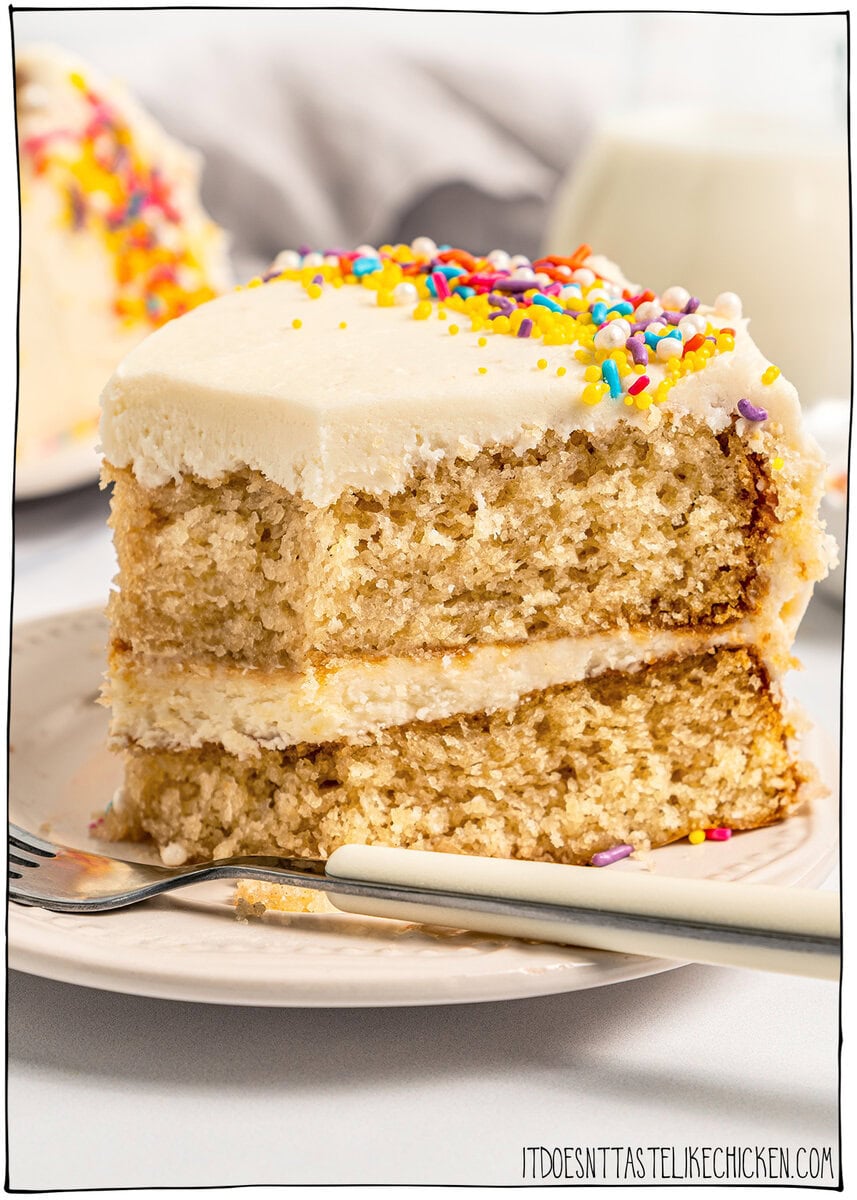
The landscape of modern baking has undergone a seismic shift over the past decade, driven by consumer demand for sustainable, plant-based alternatives that do not compromise on taste or texture. At the forefront of this culinary evolution is the rise of high-performance vegan desserts, specifically celebration cakes that successfully replicate the crumb, moisture, and aroma of traditional dairy- and egg-based confections. Among the most rigorously tested and widely praised recipes in this category is a standardized formulation for a two-layer vegan vanilla cake developed by culinary researcher and author Sam Turnbull.
The Chemistry of Plant-Based Baking
Achieving a light and tender crumb without the structural binding properties of eggs and the high fat content of butter has historically been one of baking’s greatest challenges. Traditional cake recipes rely heavily on eggs for protein coagulation during the baking process, which provides structure, and on dairy fats to trap air pockets created during creaming.
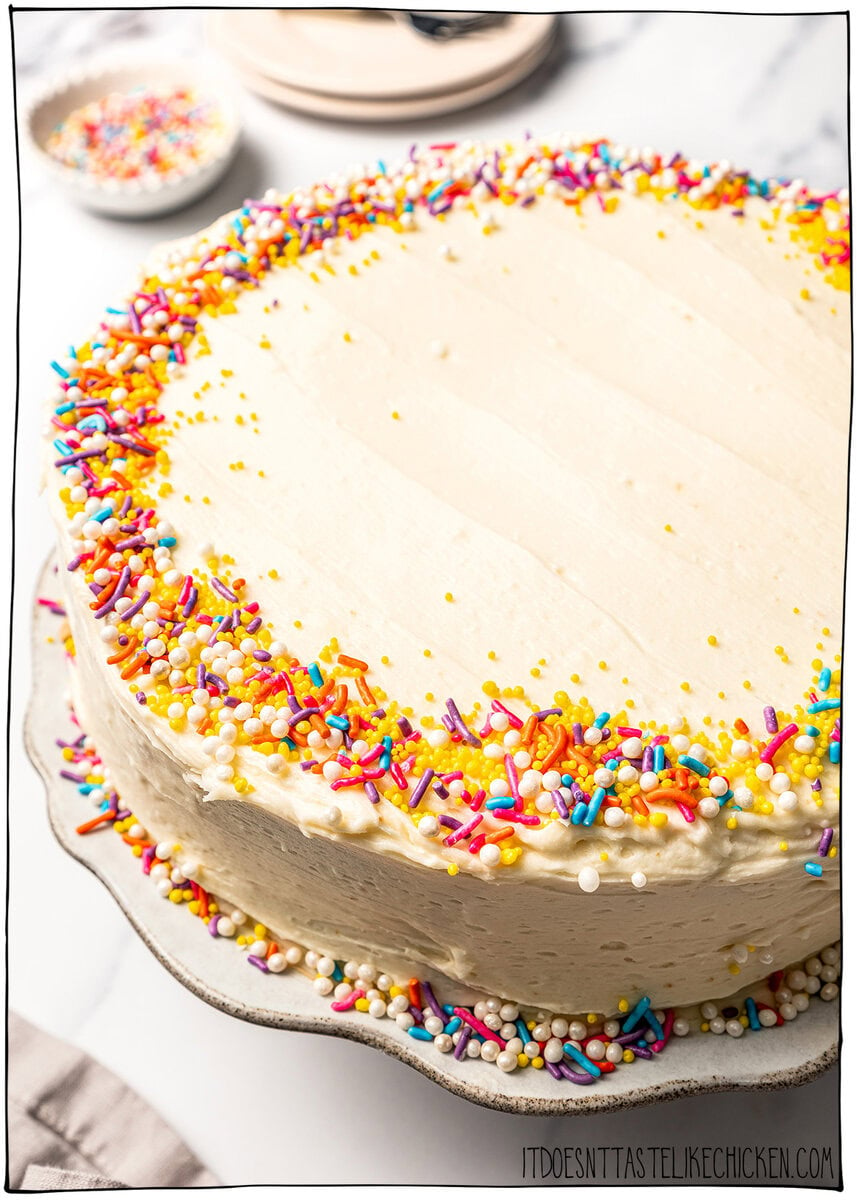
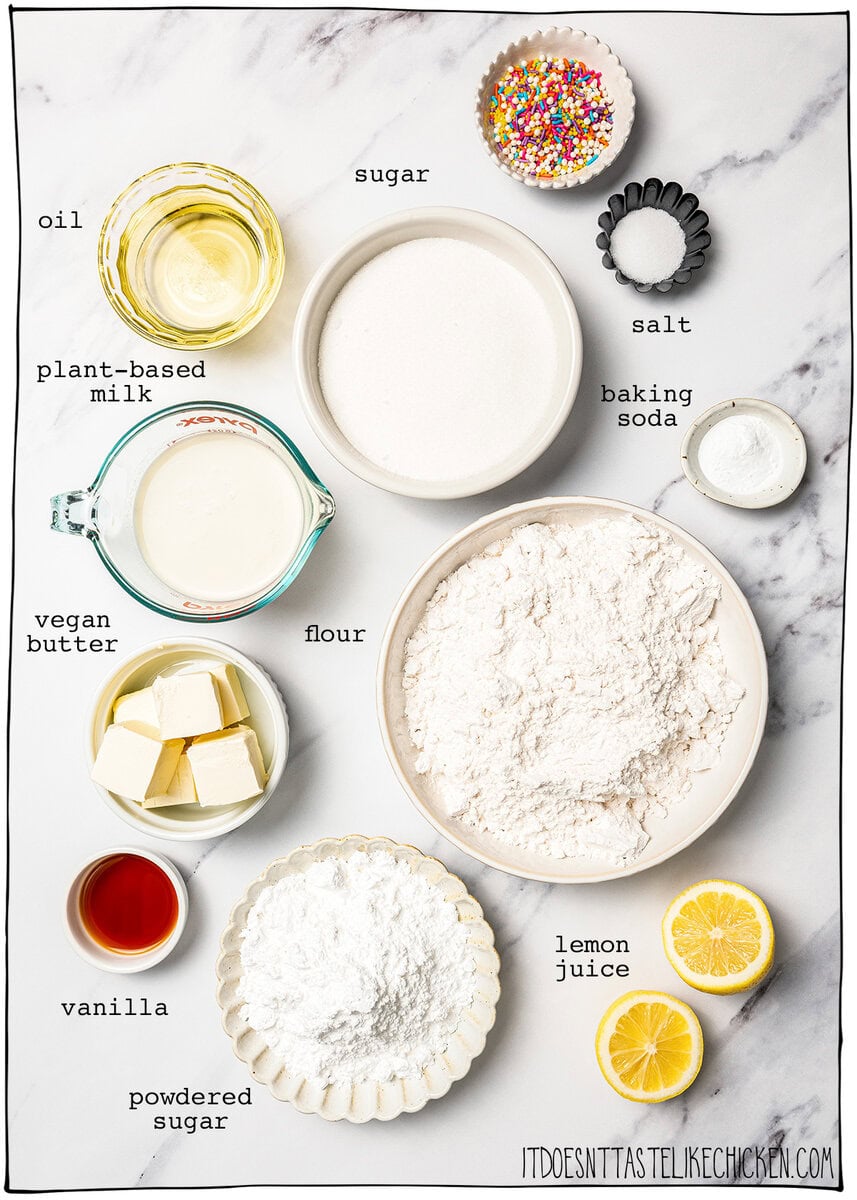
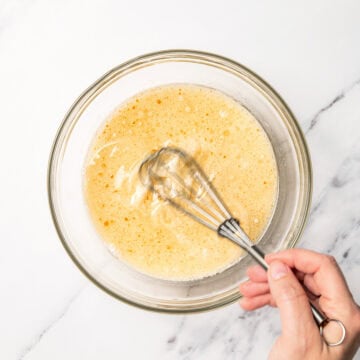
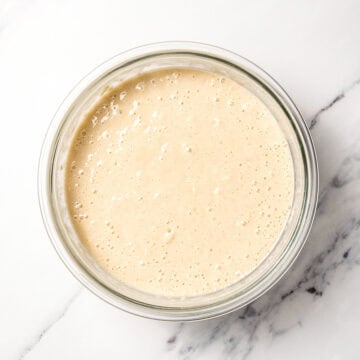
In professional vegan baking laboratories, these functions are replicated through precise chemical interactions. The formulation relies on an acid-base reaction between pantry staples: an acid—typically fresh lemon juice or apple cider vinegar—combined with baking soda. When these two elements meet in the presence of liquid, they generate carbon dioxide bubbles, which expand in the oven heat to provide the necessary rise. Furthermore, standard vegetable oils or melted plant-based fats coat the flour proteins, preventing excessive gluten development and ensuring a moist mouthfeel that often surpasses traditional butter cakes, which can dry out quickly upon cooling.
Historical Context and Evolution of Vegan Confectionery
The evolution of plant-based baking reflects broader changes in global dietary habits. Throughout the late 20th century, vegan baking was frequently characterized by dense, heavy textures and specialized health-food ingredients that alienated mainstream consumers. However, the 2010s marked a turning point characterized by a "democratization" of plant-based cuisine. Recipes began focusing on accessibility, utilizing standard supermarket ingredients such as unbleached all-purpose flour, granulated sugar, vegetable oil, and plant-based milks.
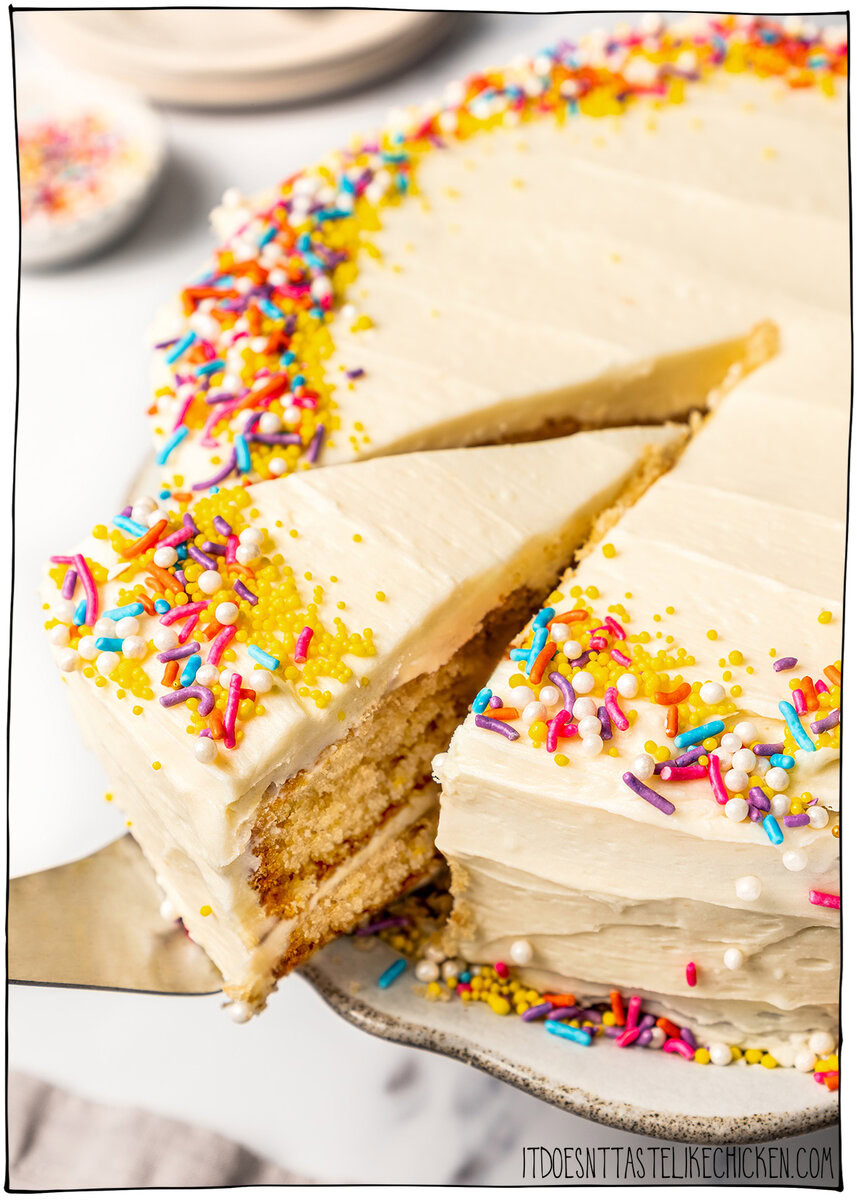
Turnbull’s formulation, which gained prominence through online culinary platforms and community feedback channels, represents this shift. By eliminating the need for expensive commercial egg replacers or hard-to-source emulsifiers, the recipe demonstrated that plant-based celebratory foods could be produced economically using standard household inventory. This democratization has directly contributed to the normalization of vegan options at milestone life events, including weddings, anniversaries, and corporate celebrations.
Chronology of Formulation and Community Adoption
The recipe’s trajectory from an experimental blog post to a globally recognized standard highlights the power of digital culinary communities in shaping food trends:
- Initial Development: Early iterations focused on testing various ratios of chemical leaveners to compensate for the absence of whipped eggs. The discovery that an exact balance of citrus acid and sodium bicarbonate yielded a consistent vertical rise without a metallic aftertaste served as the primary breakthrough.
- Mainstream Testing: Over subsequent years, home bakers and professional caterers began adapting the batter for multi-tier wedding cakes and large-scale celebrations, stress-testing its structural integrity under heavy fondant and complex buttercreams.
- Community Standardization: The integration of user feedback loops—such as the "It Doesn’t Taste Like Chicken Community" and verified ratings platforms—allowed for continuous refinement of troubleshooting notes, particularly regarding humidity adaptations and gluten-free flour substitutions.
Technical Specifications and Nutritional Profile
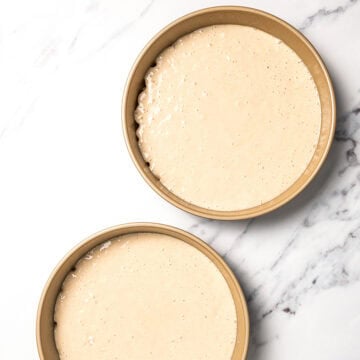
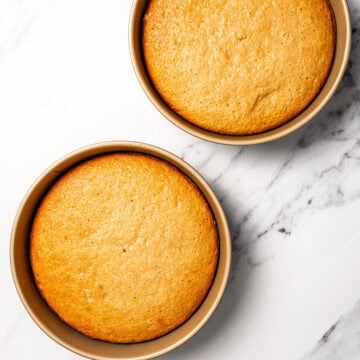
From a nutritional and logistical standpoint, the standard two-layer vanilla cake yields approximately 16 distinct servings, designed for two nine-inch pans. The average preparation time is logged at 15 minutes, with a thermal bake time of 28 minutes at standard residential oven temperatures (typically 350°F or 175°C).
According to standardized nutritional analyses per serving (including classic vegan vanilla buttercream frosting):
- Energy Content: Approximately 419 kilocalories per slice.
- Macronutrient Distribution: 57 grams of carbohydrates, 20 grams of total fat (comprising a mix of monounsaturated, polyunsaturated, and saturated fats derived from plant-based oils and solid vegan butter), and 3 grams of protein.
- Micronutrient Profile: Trace amounts of iron, calcium, and sodium (380 mg), primarily introduced through standard baking powder, salt, and fortified plant milks.
Culinary experts note that ingredient selection remains critical for the frosting component. Professional bakers recommend firm, stick-style vegan butter formulated specifically for baking, rather than soft tub-style spreads, to prevent structural collapse during ambient temperature exposure. For operations requiring high-stability piping, incorporating a measured ratio of vegetable shortening provides additional thermal resistance.
Broader Economic and Cultural Implications
The mainstream adoption of foolproof plant-based baking formulations carries significant implications for the commercial baking industry and event planning sectors. As dietary restrictions—ranging from lactose intolerance and egg allergies to ethical veganism—become increasingly prevalent among event guests, hosts face mounting pressure to provide inclusive menus.
Recipes that bridge the taste gap between conventional and plant-based options reduce the logistical burden of preparing separate allergen-friendly menus. Instead, as noted by numerous consumer reviews where non-vegan demographics praise the final product, a well-executed vegan vanilla cake functions as a universal dessert option capable of satisfying diverse palates without culinary compromise.
As food science continues to advance plant-based dairy and fat analogs, standard home recipes like this one serve as the bedrock for a more inclusive culinary future, proving that traditional celebrations can evolve alongside modern dietary values while retaining the sensory markers of comfort and nostalgia.