Scallion Pancake Popovers: A Modern Approach to Traditional Culinary Textures

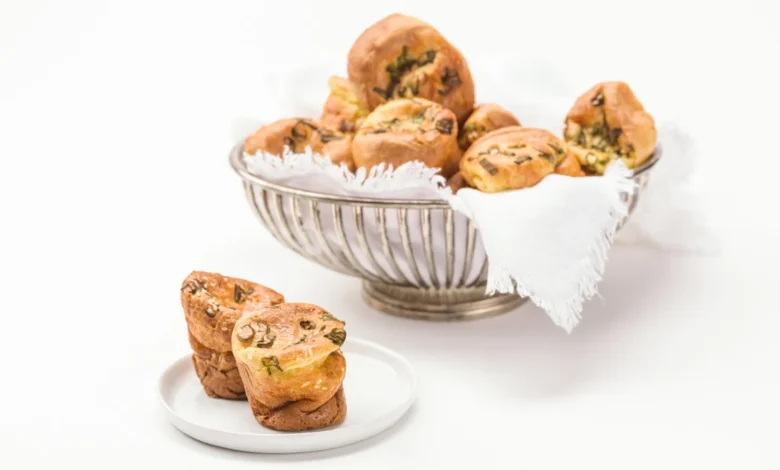
The evolution of home cooking in the 21st century has been defined by a persistent tension between the desire for authentic, culturally rich flavors and the modern necessity for efficiency, health-conscious ingredient substitutions, and streamlined preparation methods. A notable development in this culinary landscape is the emergence of the Scallion Pancake Popover, a dish that reinterprets the traditional Chinese scallion pancake—traditionally known as cong you bing—into a baked, gluten-free format that bypasses the labor-intensive lamination and stovetop frying process. This innovation reflects a broader shift in domestic food preparation, where high-heat, high-maintenance frying is being replaced by oven-based technologies that mimic traditional textures while reducing overall oil consumption.
The Historical and Cultural Context of Scallion Pancakes
To understand the significance of this adaptation, one must first examine the historical footprint of the original cong you bing. Historically, these pancakes are a staple of Northern Chinese cuisine, dating back to the late Ming and early Qing dynasties. Unlike Western pancakes, which are leavened with baking powder or soda, the traditional scallion pancake is an unleavened flatbread. Its signature texture—a delicate interplay of crispy, flaky exterior layers and a chewy, resilient interior—is achieved through the technique of rolling scallion-infused dough into a spiral, flattening it, and pan-frying it in a generous amount of oil.
While this dish has garnered global popularity, it presents several barriers for the contemporary home cook. The traditional preparation requires specific mastery of wheat-based dough hydration, significant active time for kneading and resting, and constant supervision during the frying process to prevent the scallions from burning while ensuring the dough cooks through. Furthermore, the rising demand for gluten-free diets has historically excluded many consumers from enjoying this traditional treat, as the elasticity of the wheat flour is essential to the classic structure of the pancake.
The Engineering of the Popover Adaptation
The transition from a pan-fried flatbread to a baked popover represents a technical pivot in food science. By utilizing a high-protein, gluten-free batter—often relying on starch blends such as tapioca, rice flour, or specialized xantham-gum-stabilized mixes—culinary developers have created a formulation that relies on steam expansion rather than mechanical lamination to create interior volume.
The popover mechanism is chemically distinct from the traditional pancake. In a popover, the batter contains a high moisture-to-protein ratio. When placed into a preheated, greased vessel—typically a muffin tin or specialized popover pan—the water in the batter instantly turns to steam. This rapid expansion lifts the structure before the proteins coagulate, resulting in a hollow, airy center encased in a crisp, golden-brown crust. This process effectively replicates the "crispy-soft" dichotomy of the original scallion pancake without the need for constant flipping or the use of large quantities of hot oil.
Chronology of Culinary Modernization
The shift toward "healthier" iterations of fried comfort foods has occurred in distinct phases over the last decade.
- 2014–2017: The Rise of Gluten-Free Alternative Flours. This period saw the proliferation of high-quality gluten-free flour blends in retail markets, making it easier for home cooks to replicate the mouthfeel of wheat-based products.
- 2018–2021: The Air Fryer and Oven-Bake Revolution. As countertop convection ovens became ubiquitous, home cooks began experimenting with "un-frying" techniques. This established a consumer appetite for recipes that offer the sensory experience of frying—the crunch and the aroma—without the cleanup of a stove.
- 2022–Present: The "Elevated Appetizer" Trend. Culinary influencers and professional test kitchens have increasingly focused on the "glow-up" of traditional recipes. The Scallion Pancake Popover represents the current peak of this trend, blending the nostalgia of street food with the technical precision of modern home baking.
Supporting Data: Health and Nutritional Implications
The pivot to baked savory pastries carries significant nutritional implications. According to data from the USDA FoodData Central, a traditional pan-fried scallion pancake can contain anywhere from 15 to 25 grams of fat per serving, depending on the oil absorption rate of the dough. By contrast, a baked popover formulation requires minimal fat—usually limited to the initial coating of the baking vessel.
Analysis suggests that replacing pan-fried dough with a baked popover can reduce caloric density by approximately 30 to 40 percent. Furthermore, for individuals with celiac disease or non-celiac gluten sensitivity, the shift toward standardized gluten-free blends allows for safe consumption of a dish that was previously considered "off-limits" in a restaurant or street-market setting.
Operational Logistics: Preparation and Execution
The logistical efficiency of the Scallion Pancake Popover is a key driver of its recent popularity. Unlike traditional pancakes, which require a sequential cooking process—making them difficult to serve to groups simultaneously—the popover approach is highly scalable.
- Active Preparation Time: Approximately 25 minutes. This involves whisking the batter, folding in fresh scallions, and preparing the muffin tins.
- Total Time: Approximately 60 minutes. This includes the essential resting period for the batter, which allows for proper hydration of the starches, and the bake time.
- Yield Efficiency: A standard muffin tin can produce 12 popovers simultaneously. This allows for high-volume production, making the dish a viable candidate for social gatherings or meal prepping—a stark contrast to the one-by-one cooking method required by the traditional frying method.
Professional Analysis of Industry Impact
Culinary analysts suggest that the Scallion Pancake Popover is indicative of a broader trend: the "democratization of complex textures." By simplifying the methods used to achieve professional-grade results, home cooks are increasingly capable of replicating high-effort culinary experiences.
"We are seeing a move away from the ‘low-and-slow’ cooking of the mid-20th century toward high-heat, high-precision methods that yield immediate results," says a lead analyst in the culinary tech space. "The popover is the perfect vessel for this. It is a forgiving, chemically reliable format that rewards the cook with impressive volume and texture, regardless of their level of expertise."

Furthermore, the integration of savory ingredients into what is traditionally a sweet format—the popover—signifies a change in the Western palate. As consumers become more adventurous, the lines between breakfast staples (popovers) and dinner appetizers (scallion pancakes) continue to blur. This cross-pollination of categories is expected to continue as home-cooking platforms prioritize cross-cultural, accessible recipes.
Broader Implications and Future Outlook
The Scallion Pancake Popover is not merely a recipe; it is a case study in modern culinary adaptation. It addresses the friction points of traditional ethnic cuisine—specifically the labor, the gluten content, and the health concerns associated with frying—while preserving the core flavor profile that makes the original dish a global favorite.
As food technology continues to advance, we can expect to see more of these "hybrid" dishes. Future iterations may involve the use of air-fryer-specific equipment or even more specialized flour blends that further enhance the crispy-to-soft ratio. For the consumer, this signifies a future where the complexity of professional, heritage cooking is increasingly available within the constraints of a standard residential kitchen.
In conclusion, the Scallion Pancake Popover serves as an efficient, modern bridge between the past and the future of home cooking. By stripping away the grease and the complexity of the traditional pan-fried method, it provides a replicable, inclusive, and efficient way to enjoy a classic flavor profile. As more home cooks adopt these baked methods, it is likely that the "fried-only" standard for such snacks will continue to diminish, replaced by a preference for the cleaner, faster, and more convenient popover format. This shift serves as a testament to the power of culinary innovation in ensuring that traditional flavors remain relevant in an increasingly health-conscious and time-poor society.