Watermelon Salsa: The Culinary Evolution and Nutritional Profile of a Summer Staple

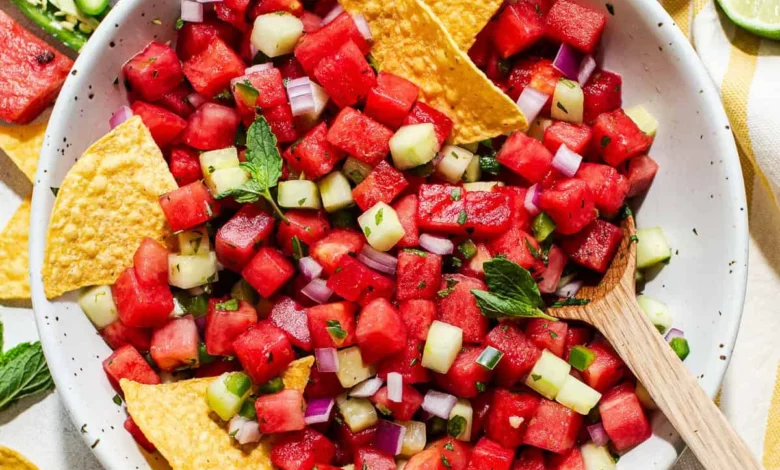
The consumption of watermelon salsa has seen a significant surge in popularity throughout the summer months in North America, reflecting a broader trend toward fresh, plant-forward, and fusion-style culinary practices. As temperatures rise, consumers are increasingly seeking dishes that offer both hydration and nutritional density. Watermelon, a fruit comprised of approximately 92% water, serves as an ideal base for these preparations, providing a low-calorie, nutrient-rich profile that pairs effectively with the traditional savory components of classic salsa.
Historical Context and Culinary Fusion
The integration of fruit into savory salsa—a staple of Mexican cuisine—represents a shift in contemporary North American dining. While traditional pico de gallo relies on a foundation of tomatoes, onions, serrano peppers, and cilantro, the introduction of watermelon serves as a modern adaptation of these traditional techniques. This culinary evolution aligns with historical practices in regions where tropical fruits like mango and pineapple have long been incorporated into spicy, acidic flavor profiles.
The rise of watermelon-based salsa can be attributed to the fruit’s widespread availability during the peak harvest season, which generally runs from May through September in the United States. During this period, the abundance of high-quality, high-sugar-content watermelons allows for a versatile ingredient that balances the piquancy of jalapeños and the acidity of fresh lime juice.
Nutritional Composition and Health Implications
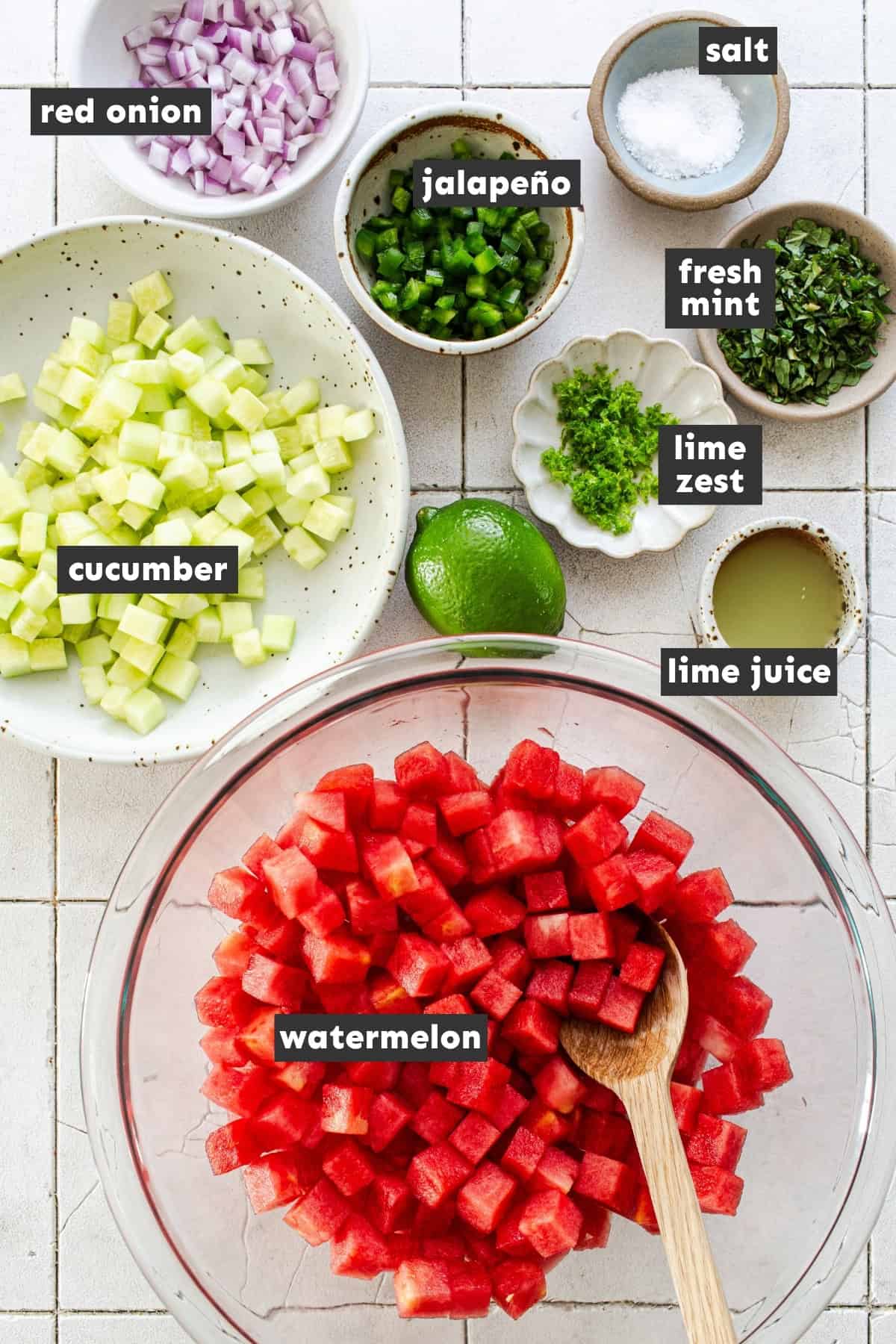
From a dietary standpoint, the incorporation of watermelon into a savory format offers distinct advantages. According to nutritional data, a single serving of watermelon salsa—typically containing diced watermelon, cucumber, red onion, and fresh herbs—is remarkably low in caloric density, often totaling approximately 50 kilocalories per serving.
The fruit itself is a notable source of Vitamin C and Vitamin A, while the addition of cucumber adds essential electrolytes and fiber. Furthermore, the combination of these ingredients provides a significant volume of fluid, assisting with hydration during peak summer heat. The minimal fat content—typically less than 0.5 grams per serving—positions this dish as an ideal alternative to higher-fat appetizers or heavy, processed snacks.

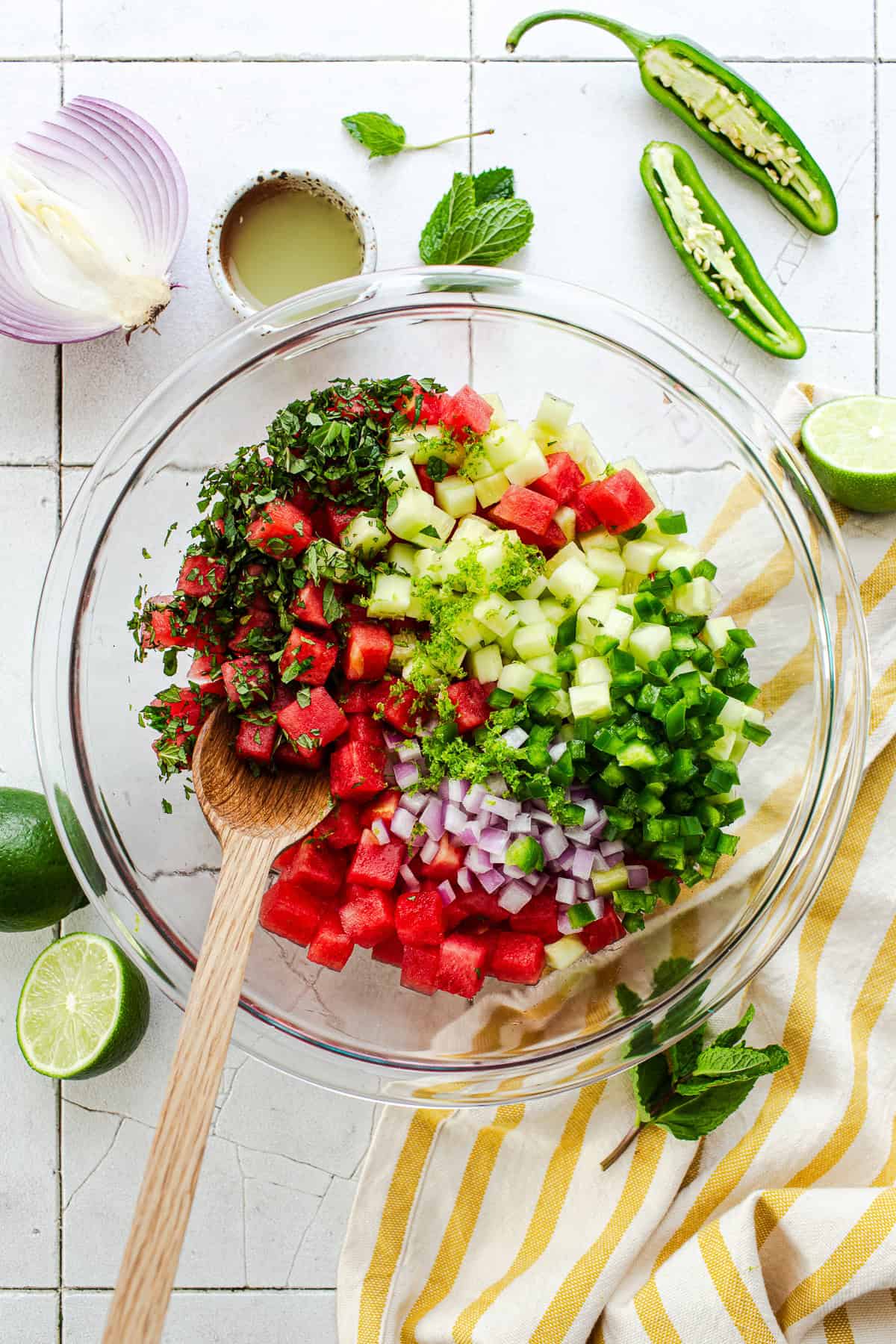
Health experts have noted that the inclusion of fresh herbs, such as mint or cilantro, provides a concentrated source of antioxidants, further enhancing the nutritional profile of the meal. The practice of seasoning the fruit with lime zest rather than relying solely on the juice is also a scientifically sound culinary technique; the zest contains essential oils that offer a more robust flavor profile without the excessive acidity that can sometimes overwhelm the delicate sweetness of the melon.
The Science of Flavor Balancing
The primary challenge in creating a successful fruit-based salsa is the management of the sugar-to-acid ratio. Culinary professionals often emphasize that without proper balance, fruit salsas can become cloying or overly sweet after several bites. The inclusion of red onion provides a sharp, sulfurous counterpoint to the sugar in the watermelon, while the addition of salt is critical for suppressing excessive sweetness and highlighting the savory notes of the peppers and herbs.
A technical issue frequently encountered by both amateur and professional cooks is the osmotic pressure exerted by salt on watermelon tissue. Because watermelon has high water content, adding salt too early causes the cell walls to break down and release excess liquid, leading to a "watery" consistency that can compromise the texture of the dish. Food scientists suggest a specific sequence of preparation: dicing the ingredients in advance but withholding salt until the final moments before service. This ensures the integrity of the produce and maintains a crisp, vibrant texture.
Market Trends and Consumer Behavior
Recent industry analysis indicates that consumer preference is shifting toward "clean label" snacks—products made with whole, unprocessed ingredients. Watermelon salsa sits at the intersection of this trend. Retailers have observed an increase in the purchase of pre-cut, high-quality watermelon during the summer months, and food bloggers and recipe developers have documented a corresponding rise in search queries for fruit-based condiments.
The versatility of this dish has also contributed to its longevity in the culinary landscape. Beyond the standard pairing with tortilla chips, it is increasingly being utilized as a topping for grilled proteins, such as white fish, chicken, or tofu. This functional adaptability makes it a staple in contemporary home kitchens that prioritize fast, "no-cook" preparation methods—a priority for many consumers during the warmest months of the year.
Preparation and Storage Standards
While the dish is relatively simple to prepare, maintaining food safety and quality standards is paramount. The components of watermelon salsa—being raw and high in moisture—are susceptible to rapid spoilage if not handled correctly.
- Temperature Control: Ingredients should be kept chilled until the moment of service to ensure freshness and prevent the growth of bacteria.
- Shelf-Life Limitations: While the salsa can be stored in an airtight container for up to 72 hours, the quality declines rapidly after the first 24 hours. Professionals advise that for optimal flavor and texture, it should be consumed within the first day of production.
- Ingredient Integrity: Using firm, ripe cucumbers and ensuring that the red onion is diced finely allows for a more uniform flavor distribution, preventing any single ingredient from dominating the palate.
Expert Recommendations and Regional Variations
Culinary experts often suggest that the choice of herb—mint versus cilantro—can significantly alter the regional character of the dish. Mint offers a lighter, Mediterranean-inspired finish, which pairs exceptionally well with the cooling properties of the cucumber. Conversely, the use of cilantro leans closer to the traditional Mexican pico de gallo profile, offering a sharper, more herbaceous contrast to the watermelon.
For those seeking to adjust the heat profile, the substitution of jalapeños with serrano peppers provides a more intense, lingering heat, while the inclusion or removal of seeds from the peppers allows for granular control over the Scoville heat units within the salsa. It is widely recommended that those sensitive to spice remove the internal membranes of the peppers, where the highest concentration of capsaicin is located.
Economic and Environmental Impact
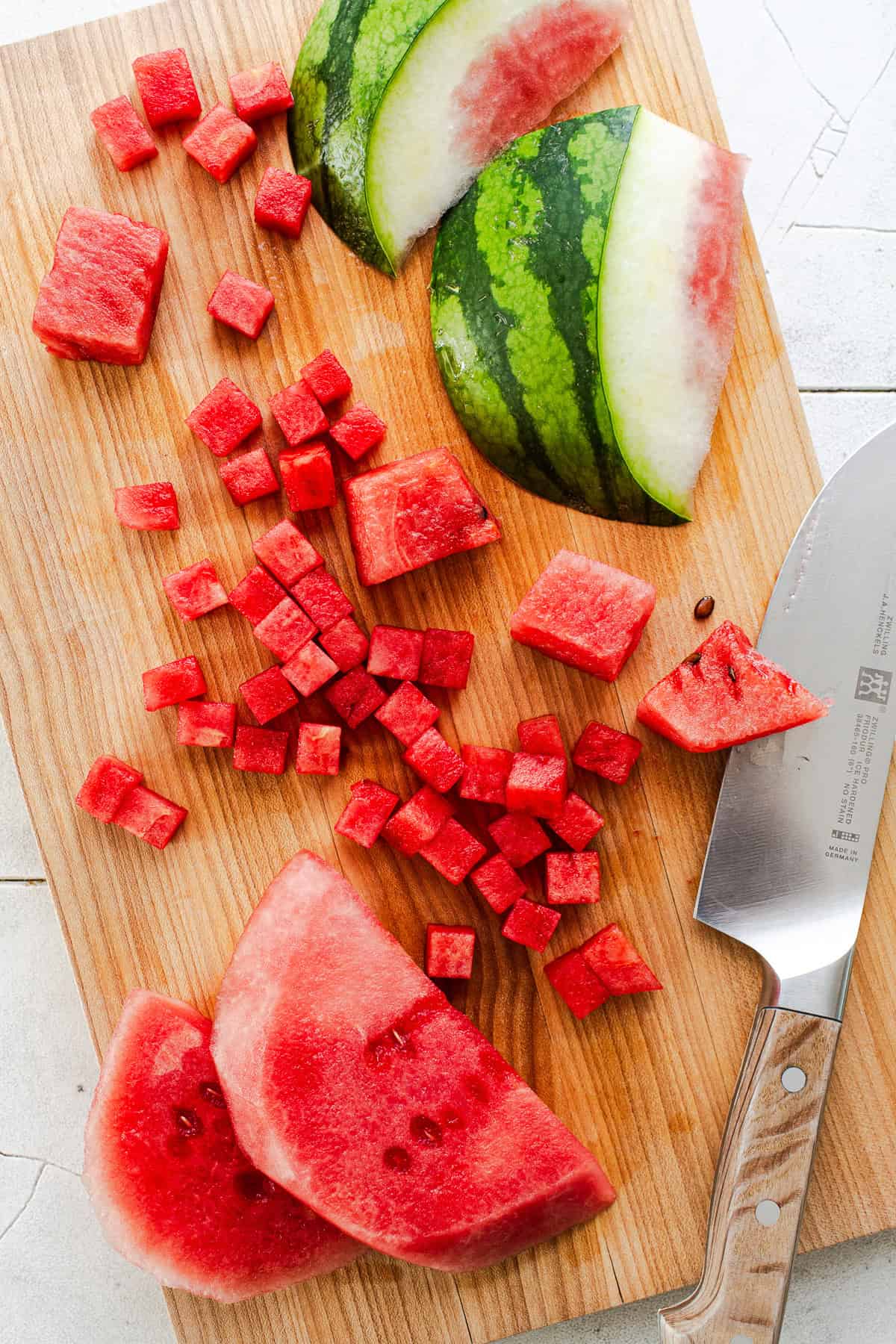
The production of watermelon-based recipes also has a positive economic impact on the agricultural sector. By utilizing the entirety of the melon, home cooks and commercial kitchens reduce food waste. Furthermore, the reliance on seasonal, locally sourced produce during the summer months lowers the carbon footprint associated with long-distance transportation of food items.
As climate patterns shift and regional growing seasons evolve, the availability of fresh produce remains a central focus for food security and sustainability. The simplicity of a dish like watermelon salsa serves as a reminder of the value of seasonal eating—a practice that is both economically efficient for the consumer and environmentally responsible.
Conclusion: A Staple for the Modern Palate
The enduring appeal of watermelon salsa lies in its simplicity and its ability to adapt to the changing demands of the modern consumer. It is a dish that requires no specialized equipment or long cooking times, yet it delivers a complex array of flavors and essential nutrients. As the culinary world continues to prioritize fresh, whole foods, it is likely that this summer staple will remain a fixture in both household kitchens and professional menus for years to come. By adhering to the principles of proper preparation—specifically the timing of salting and the balance of acid and heat—one can elevate this simple fruit preparation into a sophisticated component of any seasonal meal.