Historical Context and Culinary Evolution
The origins of flan are rooted in the Roman Empire, where the preparation of custard—known as "flado"—was initially a savory dish featuring eel or cheese. Over the centuries, the recipe evolved through medieval Europe, particularly in Spain, where the addition of sugar transformed the dish into the sweet delicacy recognized today. Following the Spanish colonization of the Americas, the recipe was introduced to the Caribbean, Mexico, and South America. In Colombia and surrounding regions, the dish underwent further regional adaptations, incorporating local dairy production and the abundance of tropical flavors like mango, pineapple, and coffee.
The endurance of flan as a preferred party dessert is largely attributed to its unique logistical advantage: it is a "make-ahead" dish. Unlike many desserts that require immediate serving to maintain texture, a properly set flan requires refrigeration, which allows the flavors to stabilize and the caramel to reach its optimal consistency. This makes it an invaluable asset for large-scale catering and home entertainment, as it alleviates the pressure of last-minute preparations.
Technical Anatomy of the Traditional Custard
At its most fundamental level, flan is an emulsion of proteins and fats. The structural integrity of the dessert relies on the coagulation of egg proteins, which transition from a liquid to a semi-solid state when exposed to controlled heat. The "traditional" label often refers to the use of sweetened condensed milk, a product that became popular in Latin American kitchens during the early 20th century due to its long shelf life and consistent sweetness.
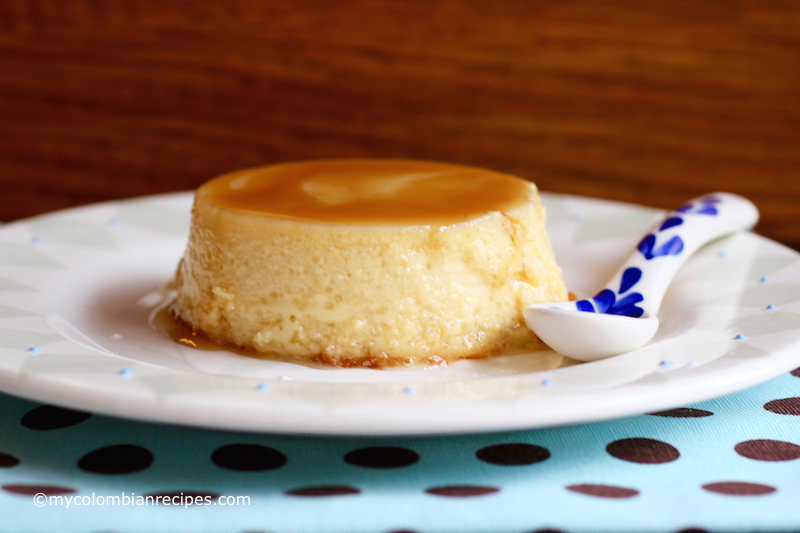
The interplay of ingredients serves specific chemical functions:
- Eggs: The primary binding agent. The inclusion of additional egg yolks increases the lipid content, resulting in a richer, denser, and smoother mouthfeel.
- Dairy (Milk and Heavy Cream): These provide the base for the custard. Whole milk contributes to the light structure, while heavy cream ensures a decadent finish.
- Caramel: The defining feature of the flan is the caramel sauce, which is created by the thermal decomposition of sucrose. Achieving the perfect amber color without burning requires precise heat management, as the difference between a rich, nutty caramel and a bitter, carbonized substance is a matter of seconds.
The Science of the Water Bath
One of the most critical aspects of professional flan production is the use of the "baño de maría," or water bath. Because egg-based custards are sensitive to high temperatures—which can cause the proteins to tighten and "weep" or create holes (syneresis)—the water bath serves as an insulator. By surrounding the mold with water, the heat is transferred gently and evenly, ensuring that the custard sets at a consistent rate from the edges to the center. This technique is essential for achieving the hallmark "smooth" texture that distinguishes a high-quality flan from a rubbery, overcooked version.

Nutritional Profile and Dietary Analysis
From a nutritional standpoint, traditional flan is a high-density energy source. A standard serving typically contains approximately 567 kilocalories, driven primarily by the high sugar content—which averages 60 grams per serving—and the fats found in whole milk, heavy cream, and egg yolks.
The protein content, sitting at approximately 12 grams per serving, is derived from the egg base. While the dessert is naturally gluten-free, its high cholesterol (376 mg) and saturated fat levels (17 g) categorize it as a dish intended for moderate consumption. In modern culinary circles, there is an ongoing discussion regarding the modification of the classic recipe to accommodate lower-sugar preferences, often by substituting sweetened condensed milk with alternatives or reducing the sugar content in the caramel; however, purists argue that these changes alter the fundamental chemical reaction that defines the traditional flavor profile.
Contemporary Culinary Variations
While the traditional flan de leche remains the gold standard, modern culinary innovation has expanded the genre significantly. In Colombia, the integration of local fruit is standard practice. Mango and pineapple flans utilize the natural acidity of these fruits to cut through the heavy, sugary custard, providing a balanced flavor profile. Coffee flan has also gained international prominence, leveraging the high-quality Arabica beans native to the Colombian landscape to infuse the custard with a sophisticated, bitter undertone that complements the sweetness of the caramel.
Professional Tips for Success
Culinary experts often emphasize that the equipment used can influence the final result. While the choice between a blender and an electric mixer is often a matter of personal preference, the goal remains the same: to incorporate the ingredients without introducing excess air. A custard with too many air bubbles will lack the signature "silky" finish.
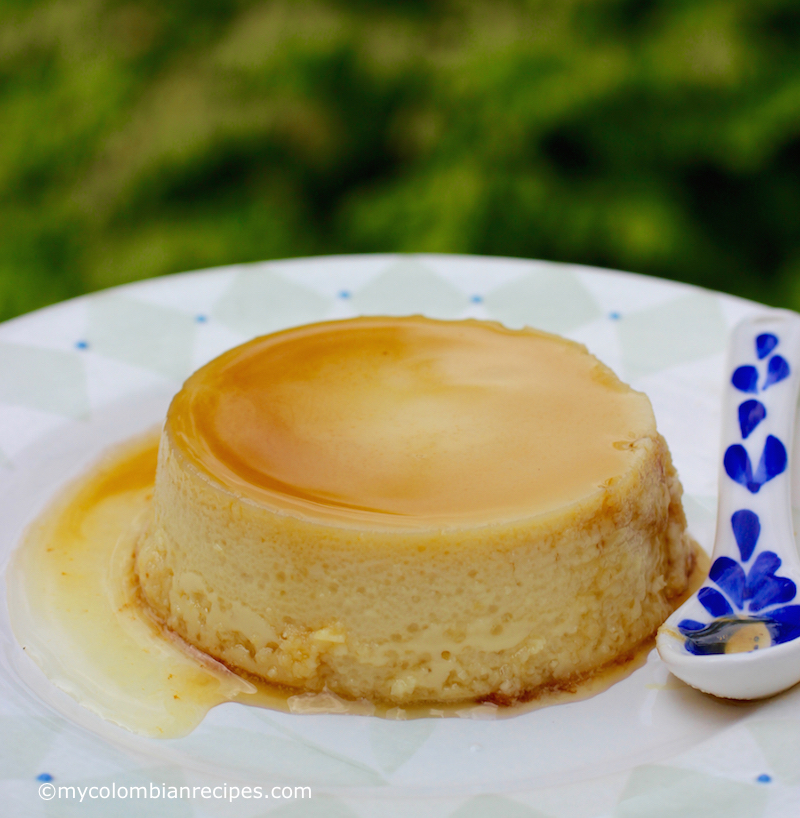
Unmolding the flan is widely considered the most high-stakes moment in the process. The standard protocol involves:
- Refrigeration: Ensuring the custard has been chilled for at least two hours to firm up.
- The Release: Running a thin, sharp knife around the perimeter to break the vacuum seal between the custard and the mold.
- The Flip: Placing a plate over the top and inverting the mold in one quick, decisive motion.
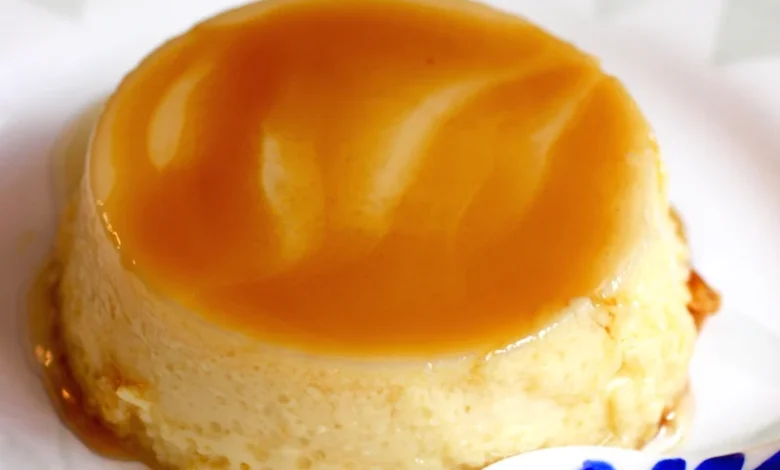
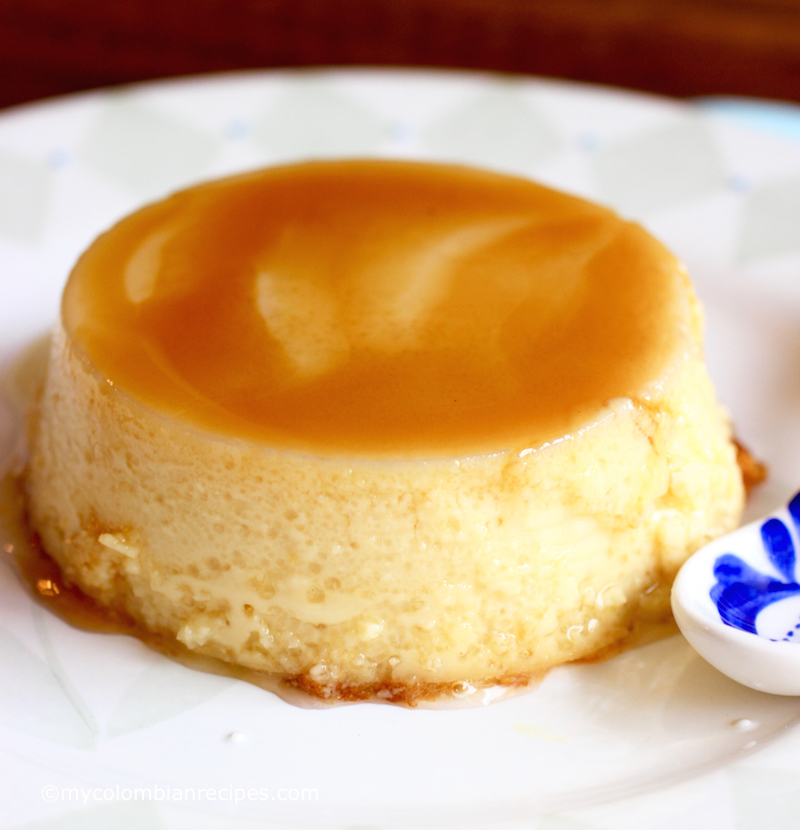
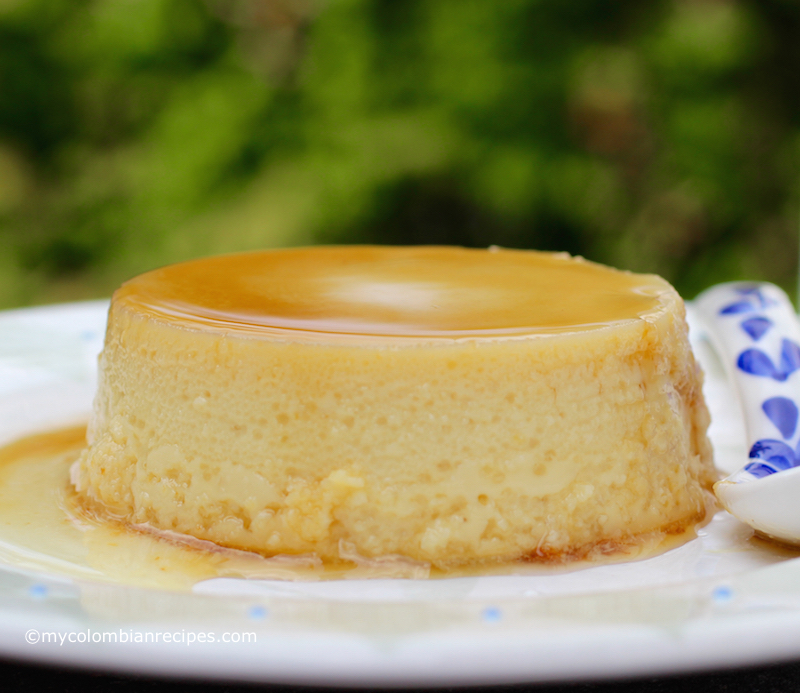
If the caramel has been prepared correctly, it will act as a lubricant, allowing the flan to release cleanly and flow down the sides of the custard like a natural glaze.
Broader Cultural Impact
The cultural significance of flan extends beyond the dinner table. It serves as a connector between generations, with many home cooks citing family recipes passed down from grandmothers—often referred to as "Mamita" or similar endearments—as their primary inspiration. The persistence of these recipes in the digital age, shared through blogs and culinary databases, highlights a desire to maintain cultural identity through traditional foodways.
As globalization continues to influence local cuisines, the traditional flan serves as a case study in how a recipe can remain fundamentally unchanged in its core technique while adapting to regional ingredients. Whether served in a high-end restaurant or a home kitchen, the flan remains a testament to the idea that the most satisfying desserts are often those that rely on simple, high-quality ingredients and a mastery of fundamental cooking techniques. The ongoing popularity of this dish confirms that even in an era of rapid culinary trends, the demand for classic, reliable, and indulgent comfort food remains as strong as ever.