Moelleux aux fruits d’ete: A Study in French Home Baking and Culinary Simplicity

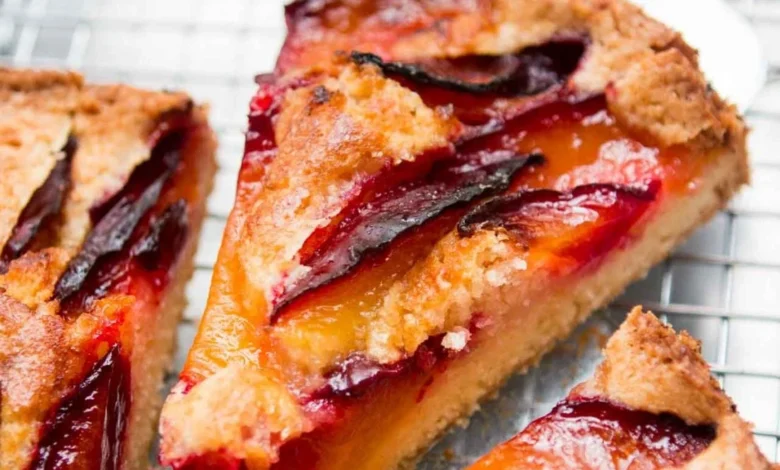
The tradition of the impromptu dessert is a cornerstone of French social life, often characterized by the pressure placed upon a guest to provide a sweet finale to a communal meal. This phenomenon, while frequently celebrated, presents significant logistical challenges for home cooks who find themselves operating in unfamiliar kitchens with limited equipment. The recent adaptation of a traditional French "moelleux"—a soft, moist cake—by culinary author David Lebovitz, based on techniques popularized by French journalist François-Régis Gaudry, highlights a shift toward accessible, ingredient-focused home baking that minimizes the need for specialized culinary tools.
The Evolution of the Moelleux in Home Environments
Historically, the "moelleux" has been synonymous with the moelleux au chocolat, a dessert requiring precise timing and specific equipment, such as ramekins. However, the adaptation of this concept into a fruit-based, free-form cake represents a broader movement in contemporary French cooking toward simplicity. By utilizing seasonal stone fruits such as apricots and plums, the recipe prioritizes the natural acidity and texture of the produce over the complexity of the preparation.
The transition from a professional or well-equipped kitchen to the variable environments of private homes has long been a subject of debate among culinary professionals. Professional chefs often emphasize the necessity of precise tools, such as digital scales, high-quality spatulas, and calibrated ovens. Conversely, the modern home baker increasingly seeks recipes that accommodate "kitchen-sink" improvisation—the ability to produce a high-quality result despite lacking a fully stocked pantry or professional-grade equipment.
Chronology of a Culinary Adaptation
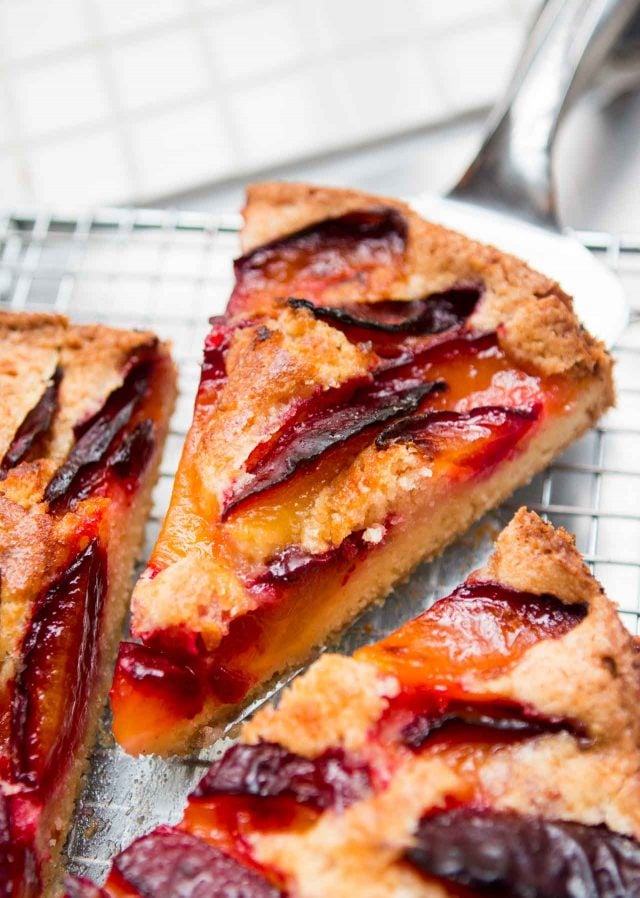
The recent surge in interest surrounding the moelleux aux fruits d’été can be traced back to the digital presence of François-Régis Gaudry, whose work in Let’s Eat France has already significantly impacted the international perception of French regional cuisine. In July 2020, through a series of instructional social media broadcasts, Gaudry demonstrated a method for a simple apricot cake that omitted the need for electric mixers or even a whisk.
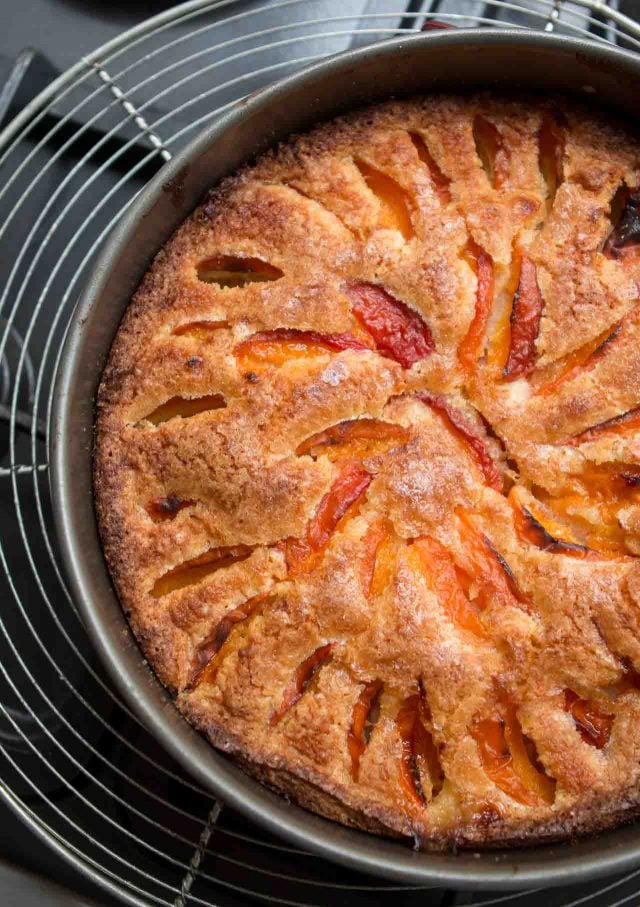
Following this, David Lebovitz, a prominent authority on French pastry, conducted a series of refinements to the recipe. Lebovitz’s objective was to transition the cake from its original, rustic, free-form rectangular shape to a more structured, uniform presentation suitable for a wider variety of serving vessels, including springform pans and standard square or round cake tins. This iterative process involved testing the integration of brown granulated sugar—not merely as a base, but as a surface treatment to achieve a caramelized, glossy finish—and adjusting the structural ratio of eggs and flour to ensure the "moelleux" texture remained consistent across different oven environments.
Technical Data and Structural Analysis
The science of the moelleux relies heavily on the moisture content provided by both the fat source (typically butter) and the fruit. When transitioning from traditional wheat flour to almond-based variations, the chemical properties of the batter change significantly.
Data from recent test kitchens suggests the following:
- Almond Flour Integration: The inclusion of ground almonds (almond meal) increases the lipid content, resulting in a denser, more cohesive crumb that holds its shape better than an all-purpose flour base.
- Egg Ratios: Early testing indicated that a three-egg structure was prone to excessive aeration, whereas a two-egg formula yielded the desired "soft" consistency characteristic of the classic French style.
- Oven Calibration: An analysis of residential baking indicates that internal oven temperatures can deviate by as much as 15 to 20 degrees Fahrenheit from the dial setting. Consequently, the reliance on visual cues—such as the browning of the sugar topping and the elasticity of the center—is more reliable than strict adherence to a timer.
Socio-Culinary Implications of "Guest Baking"
The expectation that a guest will contribute to the meal, particularly in the form of dessert, is a deeply ingrained cultural practice in France. This "pitch-in" mentality reflects a broader shift in Western social dining, where the preparation of food is seen as a collaborative, rather than solely host-driven, activity.
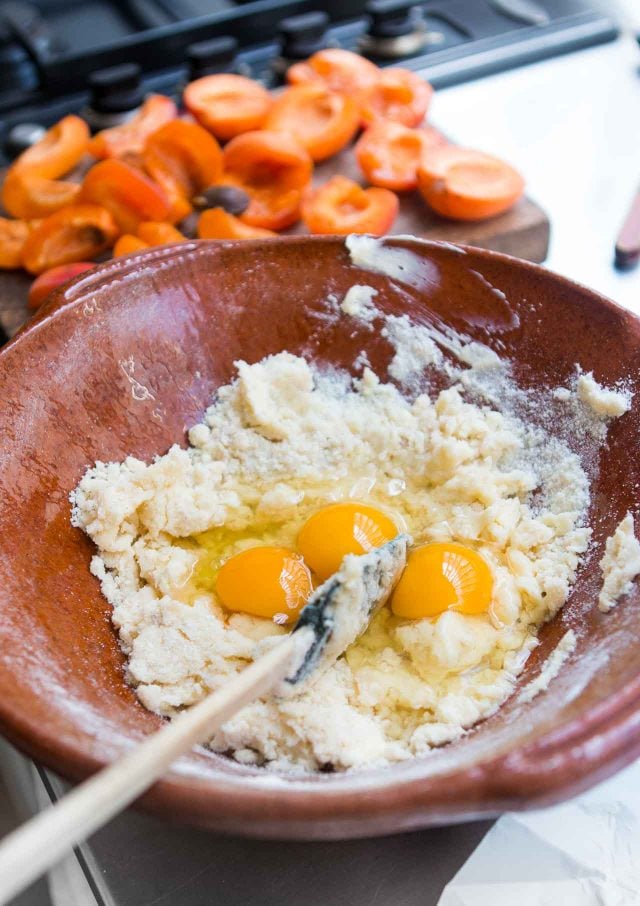
However, this practice carries inherent risks. When a host invites a guest to bake, they are essentially outsourcing a critical portion of the meal to an environment they do not control. This has led to a rise in "travel-ready" baking strategies. Experts now recommend that bakers who are frequent guests prepare "dry-mix kits" in advance. By pre-weighing dry ingredients into vacuum-sealed or zip-top bags, the baker effectively mitigates the risk of inaccurate measurement, which is the most common cause of failure in home baking.
The Role of Seasonal Produce
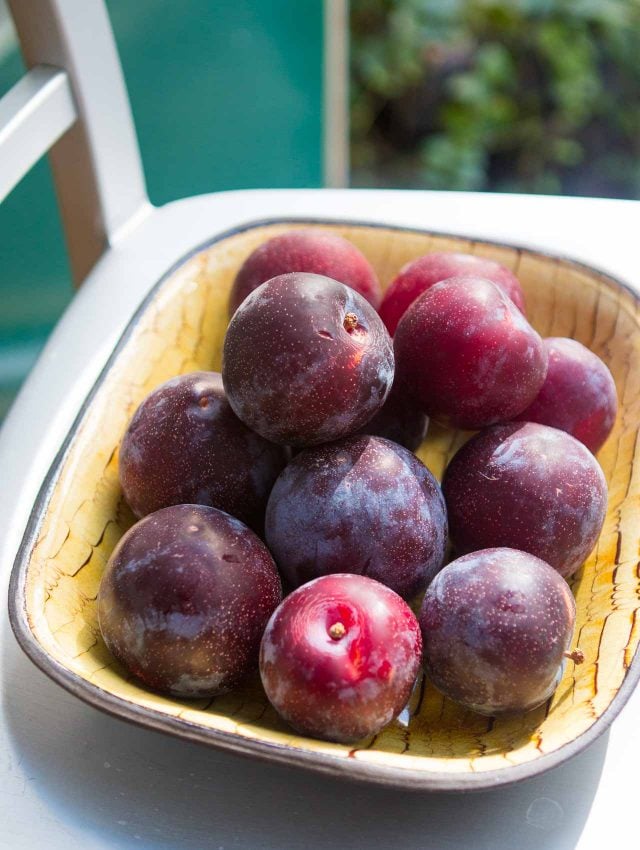
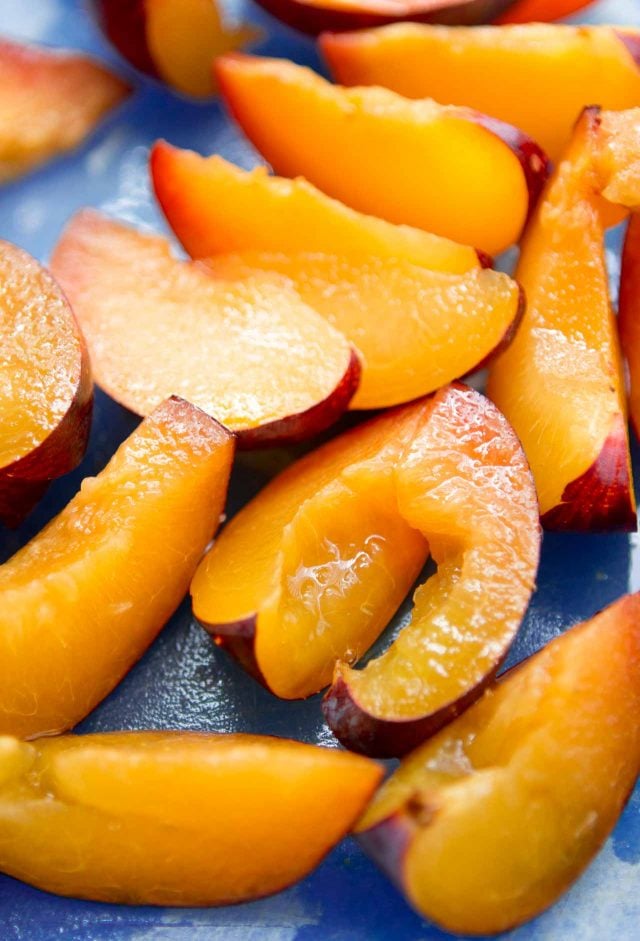
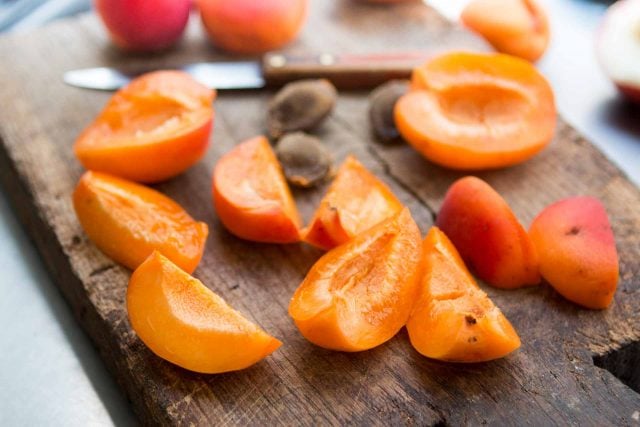
The choice of stone fruits—apricots and plums—is not incidental. These fruits contain high levels of pectin and natural sugars that, when subjected to heat, release juices that interact with the batter to create a localized moisture pocket. This "stewing" effect inside the cake is what gives the moelleux its signature texture.
While berries are often used as alternatives, they possess a higher water content that can result in a "soggy" crumb if not properly managed. The recommendation by professional bakers to stick to apricots or plums is based on the structural integrity of the fruit during the baking process. These fruits provide a necessary tanginess that offsets the sweetness of the cake batter, creating a balanced profile that is generally preferred in European dessert traditions.
Industry Impact and Future Trends
The success of the simplified moelleux recipe points to a larger trend in the food industry: the "de-professionalization" of pastry. As consumers move away from overly complicated, multi-stage dessert recipes, there is a growing demand for content that bridges the gap between professional technique and home-kitchen accessibility.
The widespread dissemination of this recipe through social media channels and independent blogs has empowered home bakers to attempt pastry work that was previously considered exclusive to restaurant environments. This has also led to a renewed interest in fundamental kitchen tools. The "minimalist" approach to equipment—requiring only a bowl, a knife, and a pan—removes the barrier to entry for novice bakers, potentially increasing the frequency of home baking as a social activity.
Conclusion: The Sustainability of the Simple Recipe
The moelleux aux fruits d’été stands as a testament to the enduring appeal of the "less is more" philosophy in the kitchen. By focusing on high-quality, seasonal ingredients and a preparation method that emphasizes ease of execution, this recipe successfully navigates the complexities of social dining and varying kitchen standards.
For the modern host or guest, the takeaway is clear: successful baking does not require an arsenal of specialized machinery, but rather an understanding of the relationship between core ingredients—fat, sugar, egg, and fruit. As these recipes continue to circulate and evolve, they reinforce the idea that the most effective culinary solutions are often those that are the most adaptable to the constraints of the real world. Whether one is in a professional kitchen or an unfamiliar home with only a steak knife and a dream, the fundamentals of the moelleux remain a reliable and elegant standard for summer entertaining.