Historical Context and Culinary Evolution
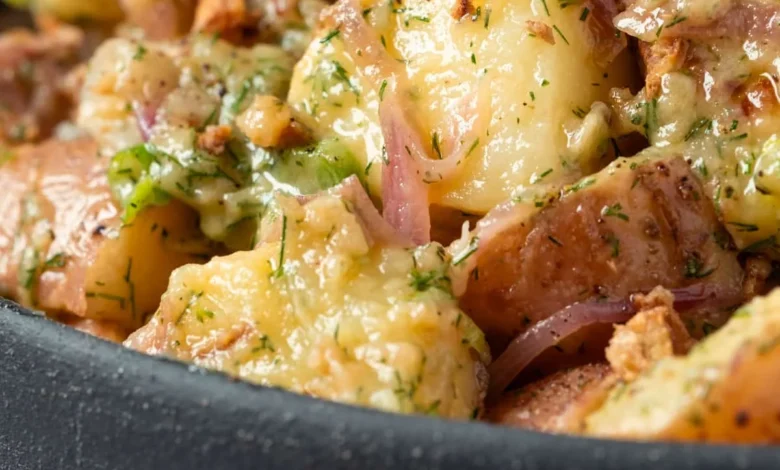
The origins of Kartoffelsalat, or German potato salad, trace back to the 17th and 18th centuries when the potato became a staple crop across Central Europe. Initially, the dish served as a practical way to utilize boiled potatoes, which were often dressed simply with vinegar, oil, and herbs to provide a quick, shelf-stable meal for laborers. Regional variations emerged rapidly: Northern German styles often incorporated mayonnaise or mustard-based emulsions, while Southern and Western German traditions prioritized the vinaigrette method, focusing on the starch content of the potato and the acidity of the dressing to create a harmonious flavor profile.
The shift toward a vegan version represents a broader trend in the food industry: the "de-animalizing" of heritage recipes. By omitting bacon fat—a common traditional ingredient—and replacing it with high-quality olive oil or plant-based smoky seasonings, the dish maintains the umami-rich profile characteristic of the original while significantly lowering its saturated fat content.

Nutritional Profile and Dietary Implications
From a dietary standpoint, this vegan adaptation offers a more favorable nutritional profile than many traditional deli-style salads. According to standard dietary analysis, a single serving of this dish provides approximately 283 kilocalories, with 15 grams of fat and 34 grams of carbohydrates. Unlike commercial salads that rely on processed oils and refined sugars, this recipe utilizes maple syrup for sweetness and fresh herbs like dill for micronutrient density.

The use of red onions and dijon mustard in the vinaigrette also introduces bioactive compounds. Red onions contain anthocyanins—antioxidants linked to reduced inflammation—while the mustard seeds found in dijon contribute small amounts of selenium and magnesium. Because the salad is served warm, it encourages the consumption of resistant starch, a type of fiber that forms when potatoes are cooked and then cooled or kept at room temperature. Resistant starch has been shown in various clinical studies to support gut microbiome health and improve insulin sensitivity.

Methodology: The Science of the Vinaigrette
The preparation of this salad follows a specific chronological sequence designed to optimize the absorption of the dressing into the potatoes. Unlike cold salads, where dressing sits on the surface, the warm preparation allows the potato cells to absorb the vinaigrette more effectively, resulting in a more integrated flavor.

- Preparation of the Base: Potatoes are boiled in salted water. This step is critical; adding salt to the boiling water ensures that the seasoning penetrates the interior of the potato rather than just coating the skin.
- Sautéing the Aromatics: Red onions are gently sautéed, a process that breaks down their pungent sulfur compounds and replaces them with a mellow, natural sweetness.
- The Emulsion Process: The vinaigrette, consisting of vinegar, maple syrup, and dijon mustard, is brought to a simmer. This heat helps to emulsify the dressing, ensuring that the oil does not separate from the acidic components.
- Integration: The dressing is combined with the sliced potatoes while they are still warm. This is the "absorption phase," where the starch in the potatoes binds with the vinegar, creating a creamy texture without the need for dairy or egg-based binders.
- Finishing Touches: Fresh dill, green onions, and smoky seasonings—such as hickory-infused salt—are added last. This preserves the volatile aromatic oils in the herbs, which would otherwise degrade if exposed to prolonged heat.
Market Trends and Consumer Adoption
The rising popularity of vegan German potato salad is reflective of the "flexitarian" movement. Industry analysts note that consumers are increasingly looking for "bridge foods"—dishes that are culturally familiar but aligned with modern health and ethical standards. By maintaining the aesthetic and sensory characteristics of a traditional German side dish, this recipe allows individuals who are reducing their meat consumption to participate in cultural food traditions without compromising their dietary preferences.

Furthermore, the storage capabilities of this dish make it an attractive option for modern households. Because the vinaigrette acts as a natural preservative, the salad remains stable for four to five days in refrigerated conditions. This longevity addresses a common consumer concern regarding food waste and the efficiency of "batch cooking," a practice that has seen a 15% increase in popularity among urban demographics over the last three years.

Expert Perspectives on Plant-Based Comfort Food
Culinary experts argue that the success of such dishes lies in the focus on texture. The primary criticism of early vegan alternatives was the "mushy" texture often associated with plant-based cooking. However, by using specific potato varieties—such as waxy potatoes which hold their shape well—and careful temperature management, this salad provides the structural integrity required to satisfy those accustomed to traditional meat-based or dairy-based sides.

Dietitians have also commented on the benefits of these types of whole-food preparations. While processed vegan meat substitutes are becoming more common in supermarkets, there is a distinct move toward "clean-label" cooking. A salad based on potatoes, onions, and herbs is fundamentally a whole-food product, free from the stabilizers, gums, and excessive sodium often found in ultra-processed vegan alternatives.

Broader Impact on Culinary Traditions
The adaptation of this dish serves as a case study for how global cuisines can evolve without losing their cultural identity. By focusing on the technique of the original—the warm vinaigrette method—rather than just the specific ingredients, home cooks can recreate the experience of traditional European cooking while adhering to contemporary health standards.

As global food security concerns rise and the environmental impact of animal agriculture continues to be a subject of intense academic and political debate, the shift toward plant-forward side dishes like this one is expected to persist. It represents a sustainable, cost-effective, and historically grounded approach to dining that caters to a diverse range of dietary needs, from strict vegans to those simply seeking to incorporate more plant-based meals into their weekly routine.

In summary, the transition of German potato salad into a vegan staple is not merely a modern convenience; it is a testament to the versatility of traditional cooking methods. Through the clever use of acidity, aromatic heat, and fresh herbs, this dish bridges the gap between old-world heritage and the future of sustainable, plant-based nutrition, proving that heritage recipes can remain relevant and delicious in an ever-changing culinary landscape.