Mastering the Art of Baked Cheesecake: A Professional Guide to Culinary Precision and Technique

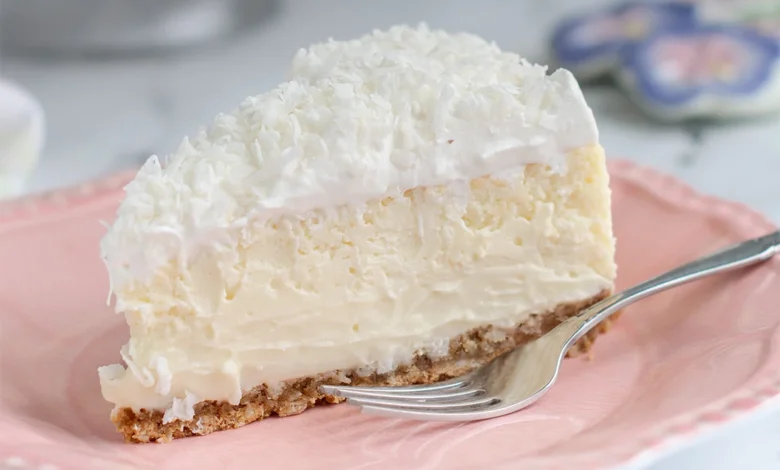
For many amateur home bakers, the cheesecake stands as a formidable adversary, often associated with unsightly cracks, uneven textures, or a dreaded soggy crust. However, from the perspective of a professional pastry chef, the cheesecake is remarkably forgiving, provided one approaches the process not as a standard cake, but as a delicate, temperature-sensitive custard. Understanding the chemical composition of the ingredients—specifically the proteins in eggs and the fat content of cream cheese—is the foundational step toward achieving a perfect, restaurant-quality result.
The Chemistry of the Perfect Custard
At its core, a classic baked cheesecake is a custard. Unlike traditional cakes that rely on chemical leaveners like baking powder or soda to achieve a light, airy crumb, a cheesecake relies on the coagulation of egg proteins to provide structure. When baked, these proteins set into a dense, creamy matrix. The primary technical challenge lies in managing heat; if the oven temperature is too high, the egg proteins coagulate too quickly, leading to an expulsion of water from the protein network—a process known as syneresis. This is the primary culprit behind the "weeping" of moisture or the formation of cracks on the surface of the cake.
Professional kitchens maintain strict adherence to gentle, low-temperature baking methods. By utilizing a water bath—or bain-marie—the chef ensures that the ambient temperature surrounding the cake remains steady and significantly lower than the oven’s dial setting, allowing the custard to set uniformly from the edges toward the center.
Evolution and Regional Variations in Cheesecake
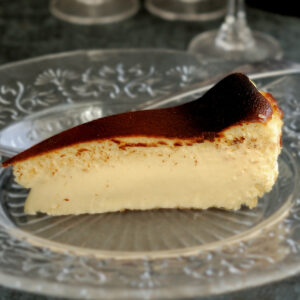
The history of cheesecake dates back to ancient Greece, where it was served to athletes during the first Olympic games in 776 B.C. While the modern American version is defined by its use of cream cheese, which was developed by William Lawrence in 1872, global variations persist. In New York, the style is defined by its sheer density and the inclusion of heavy cream or sour cream for a tangy finish. Conversely, the Basque "burnt" cheesecake, originating from the La Viña bar in San Sebastian, Spain, rejects the notion of a perfect, unblemished surface, instead embracing a caramelized, dark exterior and a molten center.
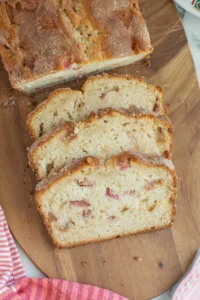
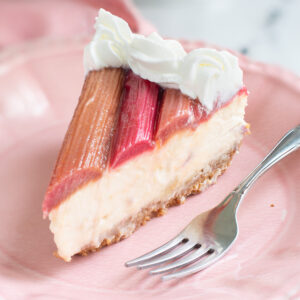
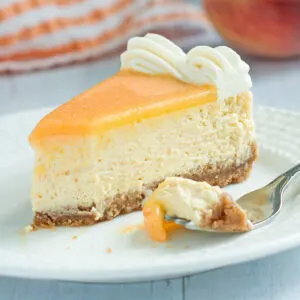
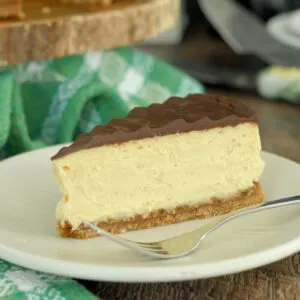
Recent culinary trends have seen a move toward "fusion" cheesecakes, incorporating seasonal produce such as rhubarb, roasted peaches, and even spirits like Bourbon or Irish Cream. These iterations highlight the versatility of the base custard, which serves as a neutral, rich canvas for a wide array of flavor profiles.
Rethinking Equipment: Beyond the Springform Pan
The industry standard for home bakers has long been the springform pan, designed with a detachable side wall to facilitate easy release. However, this equipment is frequently criticized for its tendency to warp over time. Once the metal seal loses its integrity, the pan becomes susceptible to leaks when placed in a water bath, potentially ruining the crust with water seepage.
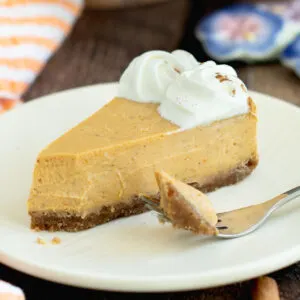
A more reliable, professional approach involves the use of standard, high-quality cake pans lined with parchment paper. This method eliminates the risk of leaks entirely. To release the finished, chilled cake from the pan, chefs employ a thermal shock technique: briefly dipping the base of the pan in hot water or applying a culinary blowtorch to the exterior. Because the chilled cheesecake is firm, this process allows for a clean, professional release without the structural instability often associated with springform mechanisms.
Troubleshooting and Technical Best Practices
The hallmark of a superior cheesecake is its texture. A batter pocked with lumps of cream cheese will inevitably result in a finished product with an inconsistent, grainy mouthfeel. To achieve a velvety finish, the cream cheese must be at room temperature before the mixing process begins. The "gradient technique"—where the texture of the thick cheese is gradually matched to the thinner, liquid ingredients—is essential. By adding eggs one at a time and mixing on the lowest speed, bakers can avoid incorporating excess air, which causes the cake to rise rapidly and inevitably collapse, leading to surface fissures.
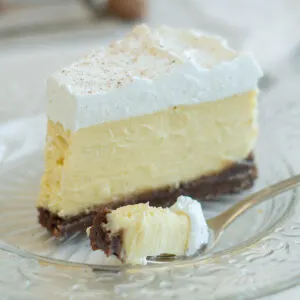
Preventing cracks is a matter of thermal management. Experts recommend five specific strategies:
- Temperature Equilibrium: Ensure all ingredients are at room temperature to prevent the fat from seizing during emulsification.
- Low-Speed Mixing: Prevent the incorporation of air bubbles that expand during the bake.
- The Water Bath: Provide an insulating environment to ensure even, slow heat distribution.
- Gradual Cooling: Once the cake is set, turn off the oven and leave the door slightly ajar for an hour to allow the temperature to equalize, preventing the rapid contraction that causes cracking.
- Edge Release: Using a thin, flexible paring knife to gently loosen the edges of the cake from the pan while it is still warm allows the cake to pull inward as it cools, rather than tearing against the sides of the metal.
Data and Market Trends in Dessert Preparation
Consumer data from the baking industry suggests a significant uptick in interest regarding "gourmet" home baking projects. Following the global shift toward home-based activities, interest in complex desserts like cheesecake has grown by approximately 15% annually since 2020. Market research indicates that while convenience remains a priority, there is a distinct shift in consumer behavior toward quality and "from-scratch" preparation.
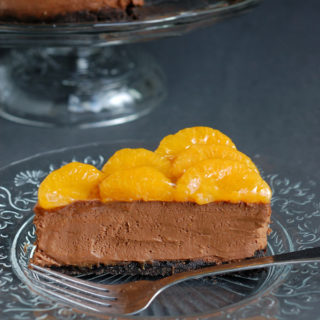
Furthermore, the integration of savory elements—such as the aforementioned rhubarb or even herbal infusions—reflects a broader trend in gastronomy toward balancing high-fat, high-sugar desserts with acidity and complex, bitter notes. This is particularly evident in the popularity of the "Tart Michel," a chocolate cherry cheesecake tart that balances the richness of the cocoa with the sharp, bright notes of fresh stone fruit.
The Impact of Modern Methodology
The transition from the "fussy" perception of cheesecake to a disciplined, science-based approach has empowered home bakers to replicate professional results. By treating the dessert as a precise thermal project, the risk of failure is significantly mitigated. The implication for the culinary sector is a more educated consumer base capable of appreciating the nuances of texture and flavor balance.
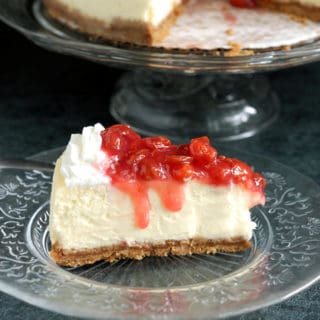
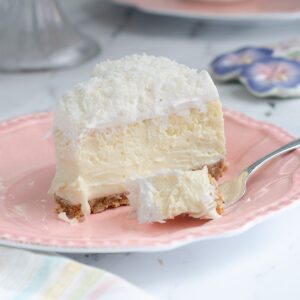
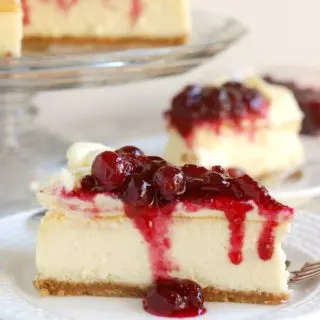
As baking technology continues to evolve, the focus remains on the marriage of tradition and precision. Whether one is preparing a traditional New York-style cake with a sour cherry reduction or experimenting with a coconut-infused custard, the underlying principles of temperature, emulsion, and patience remain the immutable laws of success. The professional chef’s advice remains consistent: ignore the mythology surrounding the difficulty of the cheesecake and focus instead on the mechanics of the bake. When the oven is treated with respect and the ingredients are handled with care, the result is not just a dessert, but a testament to the fundamental principles of pastry arts.
In conclusion, the key to the perfect slice lies not in the pan, but in the process. By managing the proteins through gentle heat, ensuring the batter is perfectly emulsified, and allowing for a controlled cooling environment, the home baker can achieve a consistency that rivals any professional establishment. The breadth of recipes—from fruit-forward tarts to decadent, spirit-spiked cakes—serves as an invitation to explore the chemistry of the custard, ensuring that the cheesecake remains a staple of the home kitchen for years to come.