The Evolution of the Minho Identity
The Vinho Verde region, located in the northwestern corner of Portugal, is demarcated by the Minho River to the north and the Atlantic Ocean to the west. Historically, the region was defined by the enforcado system—vines trained high up trees or trellises to save space for cereal crops below. This traditional method often resulted in unripe, high-acidity fruit.
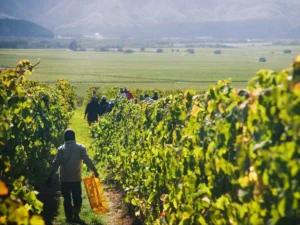
In the late 20th and early 21st centuries, the region underwent a radical transformation. Producers began shifting toward modern, low-trained vineyard management, allowing for better canopy management and optimal fruit ripeness. This technical pivot was the catalyst for the modern Vinho Verde identity. No longer forced into a singular style, the region now produces everything from taut, mineral-driven Albariño (locally known as Alvarinho) to structured, age-worthy blends that challenge the dominance of more established white wine regions like Sancerre or Chablis.
Chronology of a Regional Renaissance
The journey of Vinho Verde from a regional commodity to a global fine-wine competitor can be segmented into three distinct phases:
- The Post-War Era (1950s–1980s): Vinho Verde was primarily known for its high-acid, often semi-sweet, slightly effervescent style. It was the quintessential "cheap and cheerful" wine, often sold in distinctive dark green bottles, designed for rapid consumption.
- The Modernization Period (1990s–2010): Growers began to abandon the enforcado training system in favor of vertical shoot positioning. The focus shifted toward single-varietal wines, particularly the Alvarinho grape, which proved capable of producing wines with significant body, aromatic intensity, and complexity.
- The Contemporary Era (2010–Present): The current focus is on terroir specificity. The region’s nine sub-regions—Monção e Melgaço, Lima, Basto, Cávado, Ave, Amarante, Baião, Sousa, and Paiva—are now being highlighted for their distinct soil compositions, ranging from granite-heavy profiles to schist, leading to wines with profoundly different mineral signatures.
Analytical Overview of Regional Production
Data from the Comissão de Viticultura da Região dos Vinhos Verdes (CVRVV) indicates that the region covers approximately 21,000 hectares of vineyards. While white wine production remains the dominant category, accounting for roughly 85% of total output, there has been a significant diversification in production methods.
Market analysis shows that the export value of Vinho Verde has grown by an average of 4.5% annually over the last five years. More importantly, the average price per liter of exported wine has increased, signaling a shift in consumer preference toward higher-end, premium bottlings. The rise of the Alvarinho grape, which thrives in the microclimate of the Monção e Melgaço sub-region, has been the primary engine of this value growth. These wines possess a natural pH balance that allows for extended aging—a characteristic that was once thought impossible for the region’s output.
The Science of Longevity: Why Vinho Verde Ages
The traditional dismissal of Vinho Verde as a "young-only" wine stemmed from a misunderstanding of its acidity. In professional oenology, high acidity is the primary preservative for white wine. By harvesting slightly later to achieve physiological ripeness without sacrificing the region’s signature "electric" acidity, producers are now creating wines that develop tertiary notes of honey, beeswax, and dried stone fruit after three to five years in the bottle.
Furthermore, the introduction of lees aging—a technique where the wine stays in contact with dead yeast cells after fermentation—has added texture and weight to the wines. This process, known as sur lie, provides a creamy mouthfeel that balances the sharp acidity, making these wines suitable for pairings with richer foods, such as roasted poultry, fatty fish, and even certain types of aged cheese.
Official Responses and Industry Sentiment
Industry experts, including Master Sommeliers and regional oenologists, have been vocal about this shift. "We are seeing a move away from the ‘spritz’ that defined the region for so long," noted one senior representative from the CVRVV. "The consumer is becoming more sophisticated. They are looking for the story of the granite soil and the influence of the Atlantic breeze, rather than just a simple, fizzy drink. The market is finally rewarding the work we have been doing in the vineyard for the last twenty years."
Critically, retailers in major global markets—including the United States, United Kingdom, and Brazil—have reported a steady increase in demand for premium Vinho Verde labels. While the entry-level, mass-market wines still hold a significant share of the market, the growth of the "premium segment" is the narrative currently driving headlines in the global wine trade.
Broader Implications for the Global Wine Market
The rise of a more complex Vinho Verde has implications for the broader white wine market. As climate change continues to impact traditional European growing regions, forcing them to grapple with higher alcohol levels and lower acidity, the cooler, Atlantic-influenced climate of Northern Portugal provides a stable environment for the production of crisp, elegant wines.
This environmental advantage positions Vinho Verde as a strategic long-term player. By maintaining its identity as a producer of refreshing wines while simultaneously diversifying into higher-tier categories, the region is insulating itself from the volatility of changing consumer trends.
The Road Ahead: Beyond the Seasonal Label
For the average consumer, the shift means that the bottle of Vinho Verde purchased in December can be just as rewarding as the one purchased in July. The challenge for producers remains the task of rebranding. The name "Vinho Verde" translates literally to "Green Wine," a term that historically referred to the youth of the wine but is now frequently misinterpreted as a reference to its color or its status as a young, undeveloped product.
Overcoming this linguistic hurdle will be the final step in the region’s transformation. However, based on the current trajectory of production quality and the increasing critical acclaim from international wine writers, it is clear that the region has successfully moved beyond its seasonal constraints.
Conclusion
Vinho Verde is no longer a peripheral player in the world of fine wine. It has matured into a sophisticated, multifaceted category capable of holding its own at any table, regardless of the season. By leveraging its unique terroir, embracing indigenous varieties, and refining its production techniques, the Minho region has ensured its relevance in a global market that is increasingly demanding quality, authenticity, and, perhaps most importantly, diversity. As the wine world looks for alternatives to the traditional heavyweights of the white wine category, Vinho Verde stands ready to provide a compelling, historic, and undeniably pleasurable alternative that rewards those who look past the label.