Nutritional Profile and Health Implications
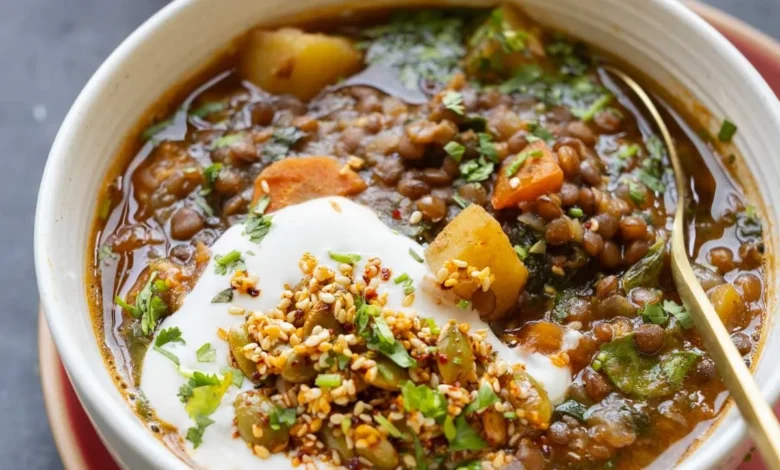
The nutritional density of the lentil potato soup is derived from a combination of legumes, root vegetables, and leafy greens. Each serving is formulated to provide approximately 20 grams of protein and 14 grams of dietary fiber, addressing two significant gaps in many contemporary diets. Beyond basic macronutrients, the dish serves as a significant source of essential minerals. A single batch, inclusive of the toasted seed garnish, contains roughly 24 milligrams of iron, 700 milligrams of magnesium, and 12 milligrams of zinc.
The inclusion of kale elevates the vitamin profile, providing high concentrations of vitamins A, C, and K, as well as calcium. The addition of potatoes contributes complex carbohydrates, vitamin B6, and potassium, which are critical for metabolic function and electrolyte balance. The topping, comprised of pumpkin, hemp, and sesame seeds, provides a critical source of omega-3 fatty acids and further boosts the protein content, ensuring a more complete amino acid profile than a legume-only dish might offer.
Culinary Methodology and Flavor Development
The efficacy of this dish lies in its methodical approach to flavor development, which relies on chemical reactions like the Maillard reaction and the extraction of essential oils from aromatics. The culinary process begins with the infusion of oil with garlic. By controlling the heat to allow for a gentle golden transformation of the garlic, chefs can avoid the bitterness associated with burning, ensuring the sulfur-based flavor compounds are properly extracted.
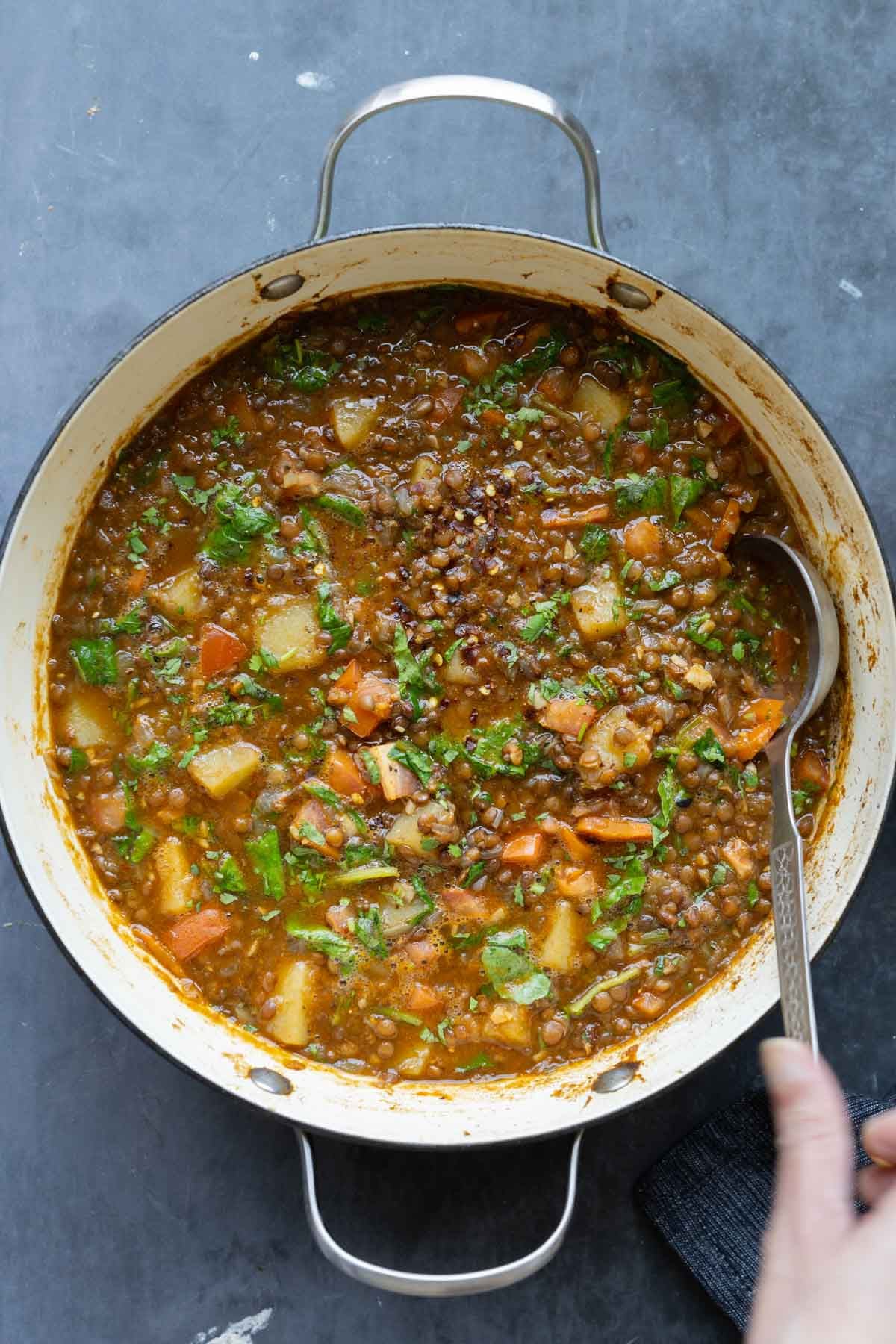
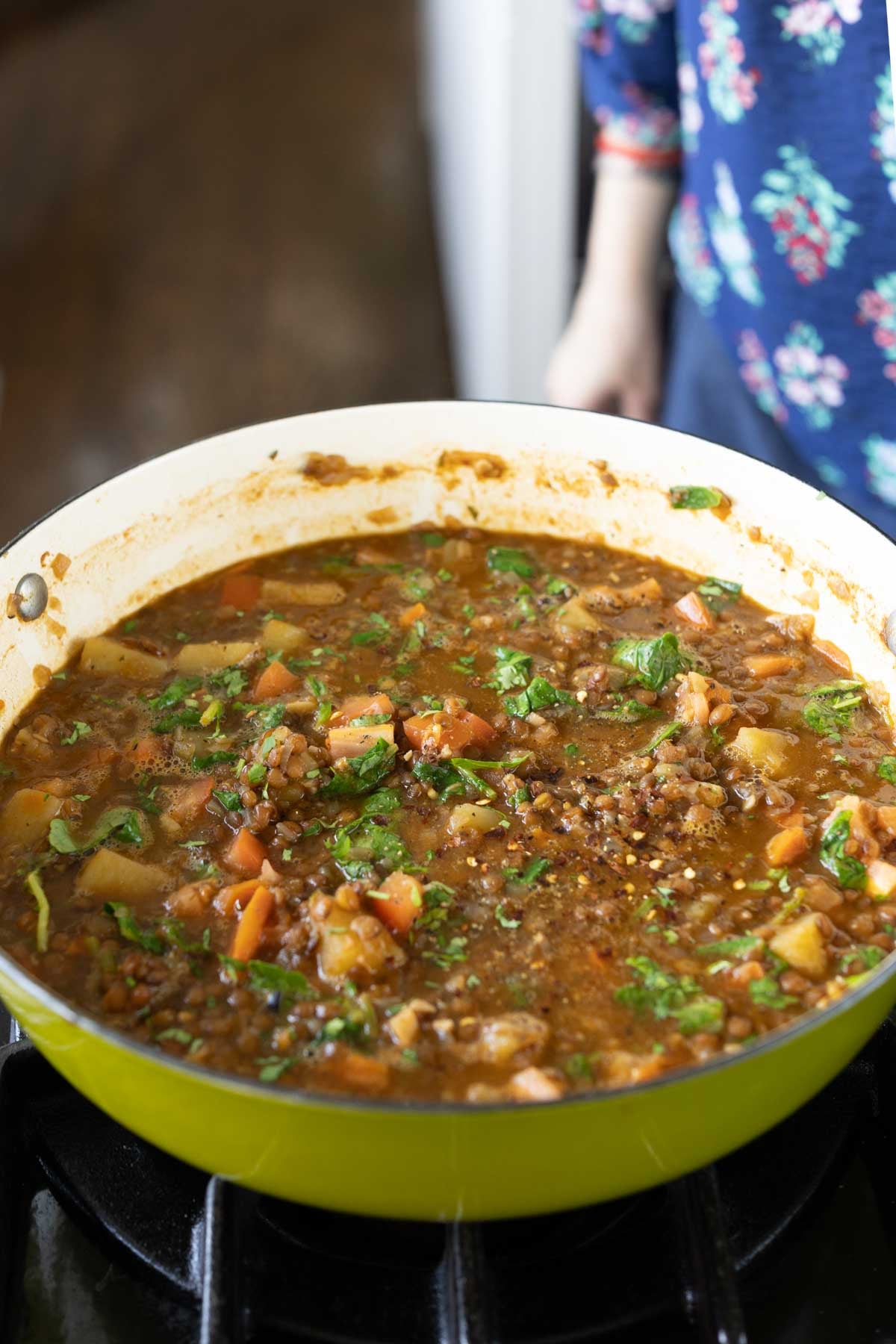
The integration of tomato paste during the sautéing process is a technique used to caramelize sugars and deepen the umami profile of the soup base. This is followed by a structured layering of dry spices. The utilization of a custom harissa-style blend—incorporating coriander, cumin, onion powder, and smoked paprika—creates a complex aromatic environment. These spices are toasted briefly to release volatile oils before the liquid base is added. This step is critical; it ensures that the spices are fully incorporated into the broth, rather than merely sitting on the surface of the vegetables.
The timing of vegetable incorporation is also a matter of functional design. By introducing potatoes mid-cooking, the integrity of the starch structure is maintained, providing textural contrast against the softened, protein-rich lentils. The final addition of kale and a finishing touch of lemon juice introduces acidity, which acts as a flavor brightener, cutting through the richness of the legume base.
Strategic Culinary Techniques
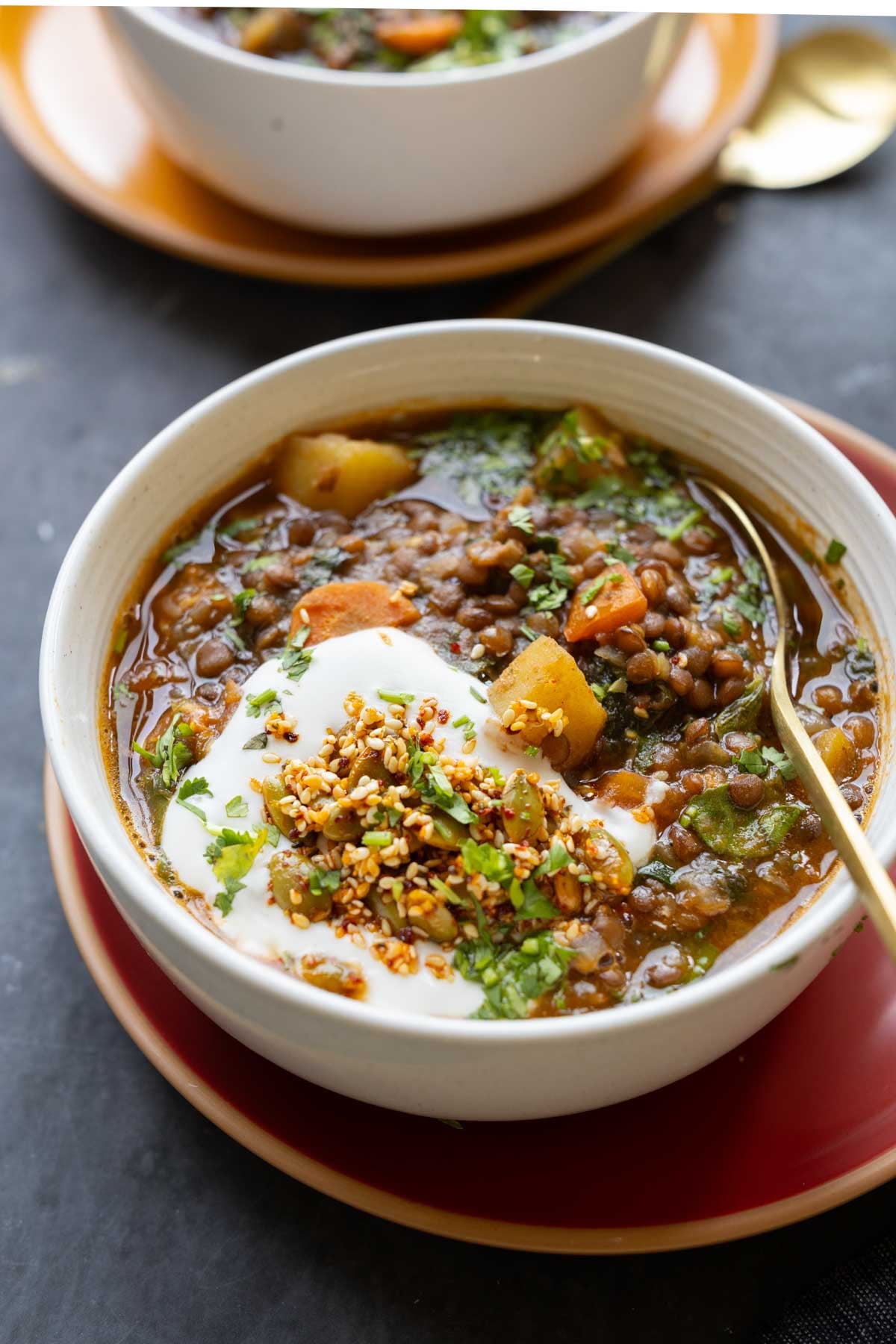
The "Toasted Seed Topping" is not merely a textural garnish; it represents a functional culinary strategy to enhance nutrient bioavailability and sensory experience. Toasted seeds—specifically pumpkin, hemp, and sesame—are heat-treated to release their natural oils, which intensifies their nutty flavor profile. The addition of lemon zest and Aleppo pepper flakes creates a bright, acidic, and subtly spicy finish that offsets the earthiness of the lentils.
From a professional culinary perspective, this combination of textures—the creaminess of the potato, the bite of the lentil, and the crunch of the seeds—is essential for sustaining interest throughout a meal. This layering of sensations is a standard technique in high-end plant-based dining to ensure that meat-free dishes remain satiating and satisfying.
Economic and Sustainability Considerations
The reliance on lentils and potatoes as primary ingredients highlights a broader trend in food sustainability. Lentils are nitrogen-fixing crops, meaning they require less synthetic fertilizer than many other protein sources and improve soil health. Potatoes are among the most efficient crops in terms of water usage per calorie produced. By combining these staples, the recipe aligns with global efforts to reduce the environmental footprint of human diets while maintaining high standards of nutritional output.
Furthermore, the adaptability of this recipe—its ability to function as a gluten-free, soy-free, and nut-free meal—makes it a viable option for a wide array of dietary restrictions. In a market where allergens are an increasing concern for consumers, the ability to produce a high-protein, allergen-friendly meal using pantry staples is a significant advantage.
Storage and Practical Application
Practical food safety and quality preservation are essential components of modern home cooking. The soup is shelf-stable for up to four days under proper refrigeration. For longer-term storage, the soup is highly amenable to freezing, provided the consumer accounts for the slight structural changes in the potatoes, which may soften further upon reheating.
The standard protocol for preparation suggests that the base can be batch-cooked and kept frozen, with the toasted seed topping prepared fresh to ensure maximum texture and flavor. This division of labor—batch-cooking the primary liquid base and keeping a fresh, crispy component for the moment of service—is a common technique in institutional and professional catering to maintain high quality in mass-produced or reheated meals.
Broader Nutritional Impact
The combination of ingredients within this soup provides a robust defense against common micronutrient deficiencies. Iron, often a concern for those following plant-based diets, is present in significant quantities, particularly when paired with the vitamin C from the kale and tomatoes, which aids in the non-heme iron absorption process. Magnesium, which is notoriously difficult to obtain in sufficient quantities in the modern Western diet, is provided in abundance by the seed topping.
This recipe represents a synthesis of traditional cooking techniques and modern nutritional science. By focusing on the structural integrity of ingredients, the chemical interaction of spices, and the strategic addition of nutrient-dense toppings, the dish serves as a blueprint for how to approach plant-based eating without sacrificing the complexity or satisfaction traditionally associated with animal-protein-heavy diets. The data points provided—75+ grams of protein per pot and a substantial mineral count—illustrate that plant-based, whole-food recipes can easily meet and exceed the nutritional requirements of an active, health-conscious demographic.