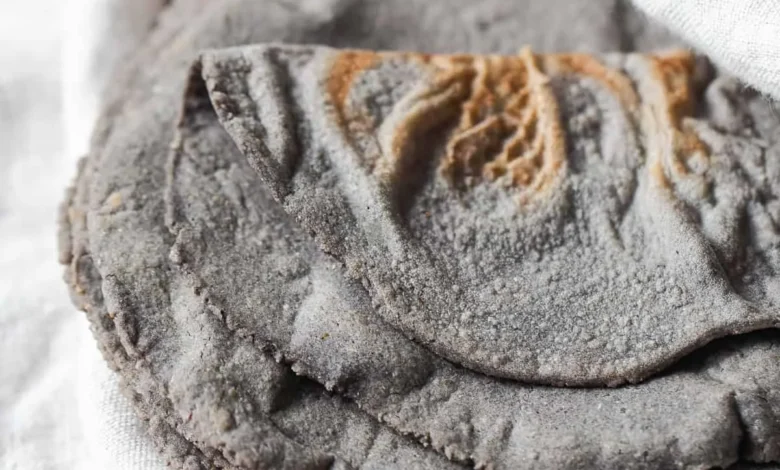
The rise of blue corn tortillas in modern gastronomy marks a significant shift in how consumers perceive heirloom ingredients and the historical depth of Mexican culinary arts. Once relegated to traditional household kitchens in central and southern Mexico, these striking, violet-hued staples have transitioned into the mainstream, fueled by a growing demand for nutrient-dense, artisanal food products. By utilizing blue corn masa harina—derived from the nixtamalized maíz azul—home cooks and professional chefs alike are rediscovering the complex, earthy flavor profiles that have sustained civilizations for millennia.
The Historical and Botanical Context of Blue Corn
Blue corn is not a recent innovation; it is a direct descendant of the ancestral maize varieties cultivated by indigenous peoples of the Americas. Unlike white or yellow corn, the distinct blue color of the kernels is produced by a high concentration of anthocyanins. These natural pigments are the same compounds responsible for the health-promoting properties found in blueberries, blackberries, and purple grapes.
Botanically, blue corn is a hard-endosperm variety that requires careful harvesting and processing. The traditional method of preparation, known as nixtamalization, remains the gold standard for transforming raw corn into edible masa. This process involves soaking dried kernels in an alkaline solution—typically water mixed with slaked lime (calcium hydroxide). This chemical reaction does more than soften the grain; it releases bound niacin (Vitamin B3) and improves the bioavailability of essential amino acids, fundamentally altering the nutritional profile of the corn.
The Rise of Masa Harina in Global Markets
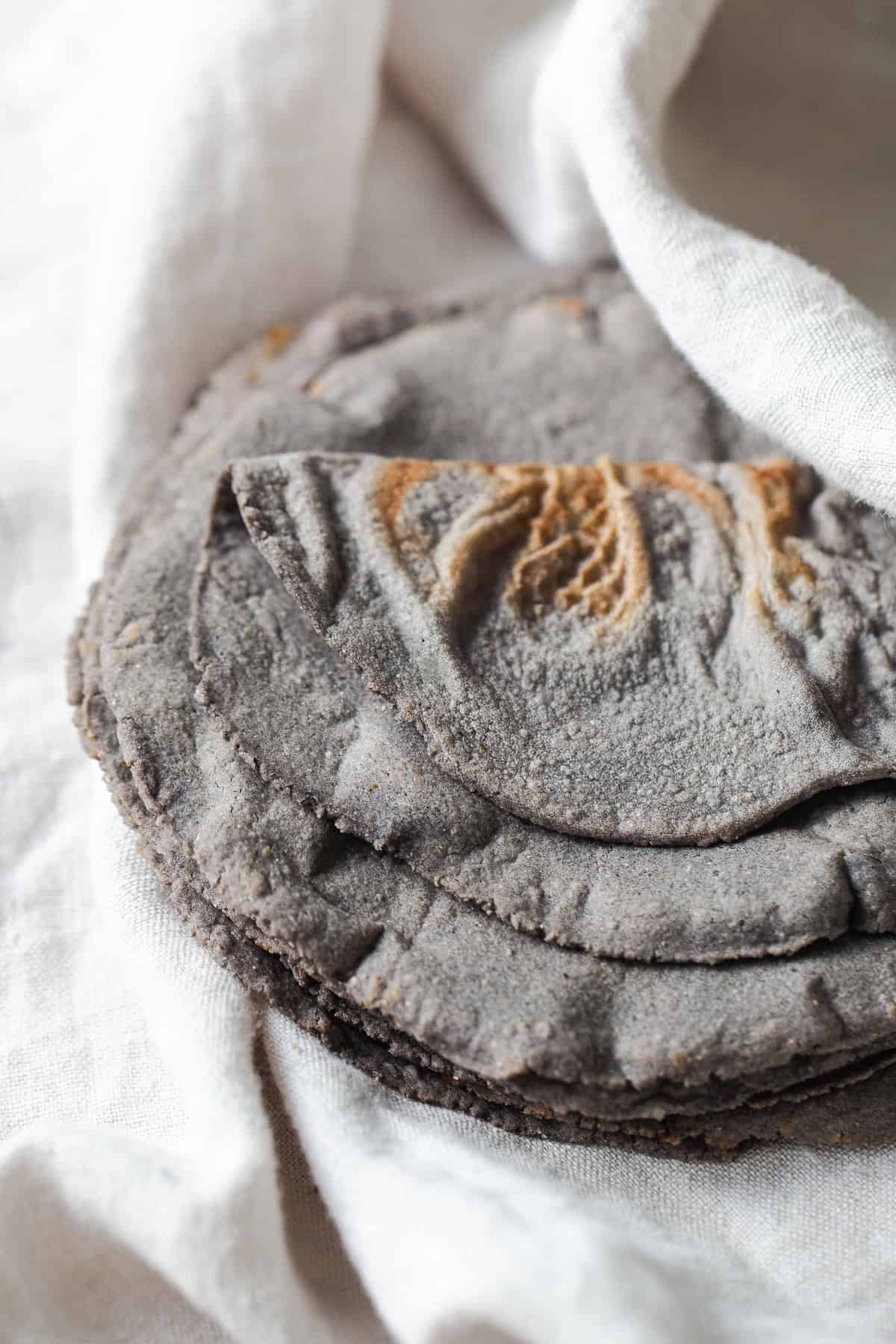
The transition from fresh, stone-ground nixtamal to dehydrated, shelf-stable masa harina has been a primary driver in the global accessibility of corn tortillas. According to market analysts, the demand for gluten-free, non-GMO, and ancient grain products has surged by approximately 15% annually over the last decade. Blue corn, specifically, has benefited from this trend due to its superior nutritional standing compared to commodity white corn.
Data from food science laboratories indicate that blue corn possesses a lower glycemic index and a higher protein-to-carbohydrate ratio than its yellow and white counterparts. As global consumers become increasingly label-conscious, the shift toward heritage ingredients like blue corn reflects a broader movement toward "slow food" and ancestral nutrition.

Technical Preparation: From Dough to Skillet
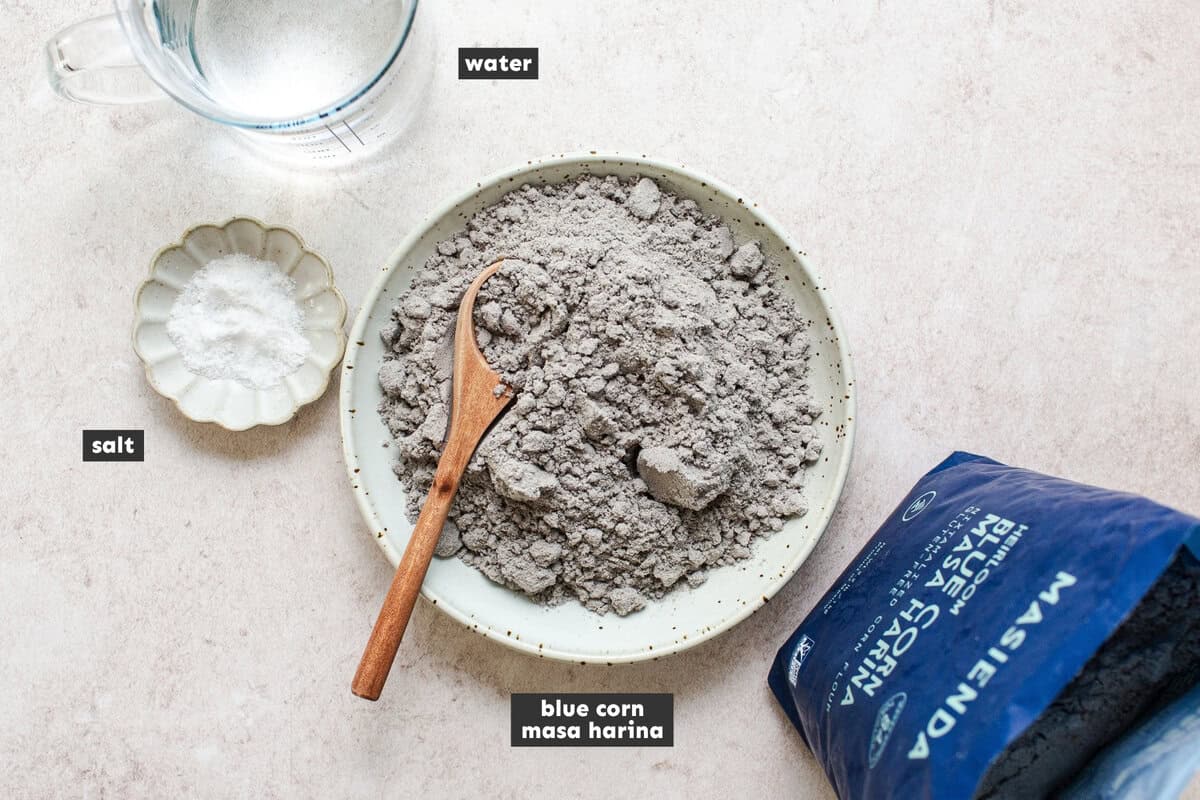
The process of preparing blue corn tortillas at home is a 45-minute exercise in precision. The base ingredients—blue corn masa harina, water, and a pinch of salt—are deceptively simple, yet the hydration ratio is critical.
- Hydration: The masa harina must be mixed with warm water to activate the starch granules. Unlike wheat-based doughs, corn masa does not contain gluten, meaning the structure relies entirely on the gelatinization of starches during the cooking process.
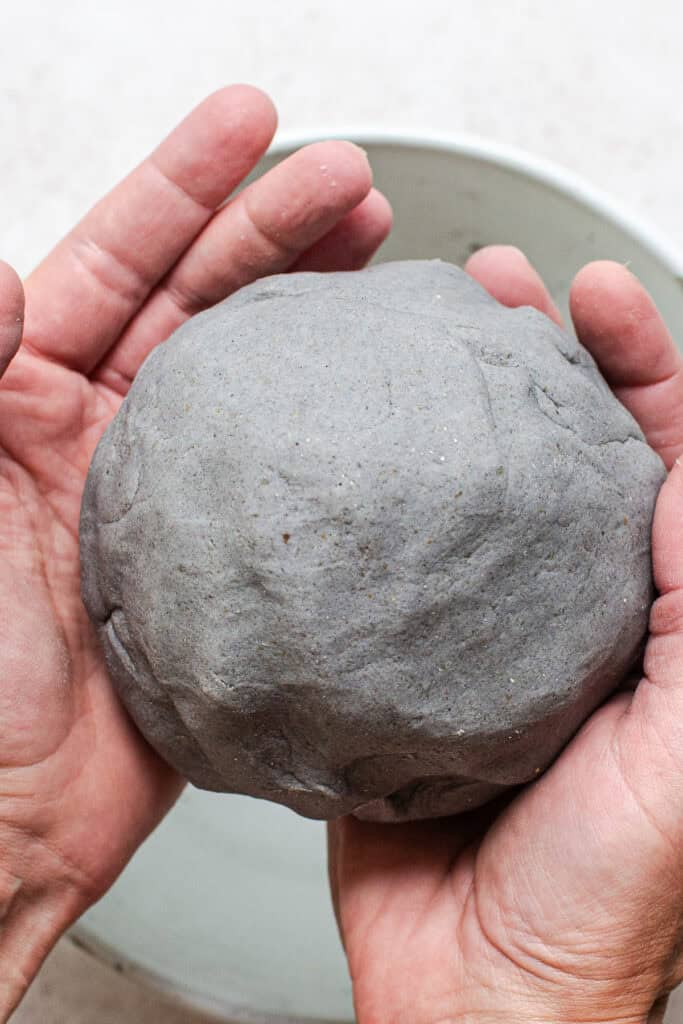
- Kneading: The dough should reach a texture reminiscent of soft clay. If the dough exhibits cracks around the edges during the pressing phase, it is an indicator of insufficient hydration.
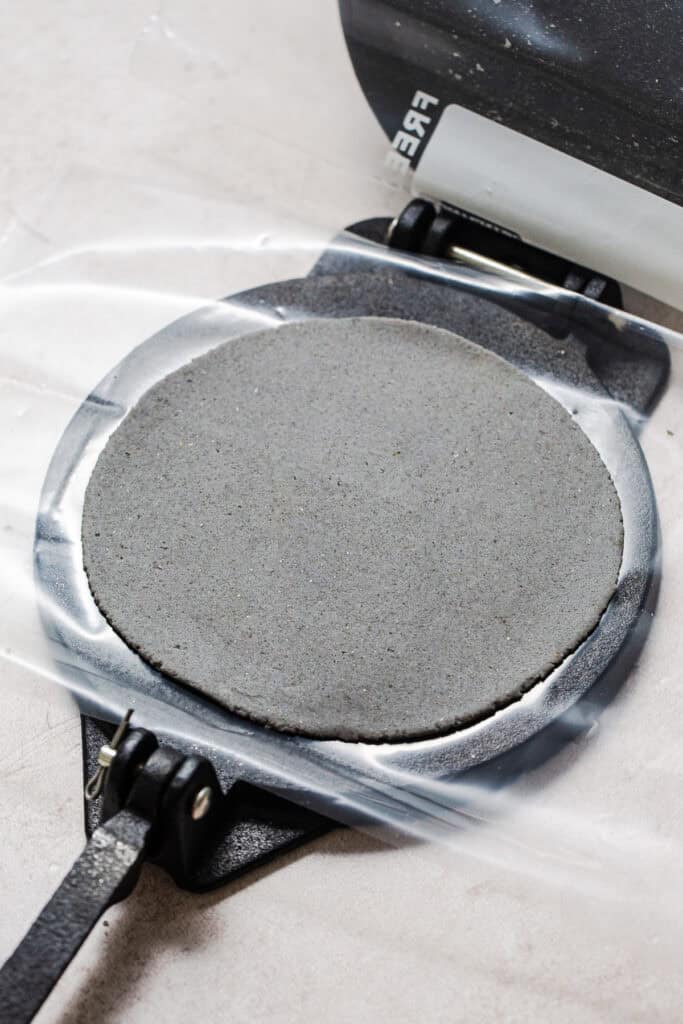
- Pressing: A mechanical tortilla press is the industry standard for achieving a consistent thickness, which is essential for an even cook.
- Thermal Processing: The tortillas must be cooked on a preheated comal or cast-iron skillet at high heat. A hallmark of a well-made tortilla is the "puff"—a result of steam expanding within the internal layers of the masa, indicating proper moisture retention and heat distribution.
Comparative Flavor Analysis
Culinary experts often describe the flavor profile of blue corn as "nuttier" and "more savory" than traditional white corn. The Maillard reaction—the chemical reaction between amino acids and reducing sugars that occurs during the heating process—is more pronounced in blue corn due to its higher protein content. This results in a tortilla that offers a more robust foundation for acidic, spicy, or fatty taco fillings, such as carnitas or al pastor, without being overpowered by the corn’s flavor.
Practical Applications and Culinary Versatility
While tacos remain the primary vehicle for blue corn tortillas, their utility extends to a variety of traditional Mexican dishes. Culinary professionals highlight the versatility of blue corn in the following preparations:
- Chilaquiles: When slightly stale tortillas are sliced into triangles and fried, they develop a structural integrity that holds up exceptionally well under the weight of salsa and eggs.
- Sopes and Gorditas: The dough can be molded into thicker discs for street-food staples, providing a satisfying, dense texture that pairs well with beans and crumbled cotija cheese.
- Tetelas: These triangular, filled masa pockets are a specialty of the Oaxaca region and represent an elevated use of blue corn, offering a distinct visual contrast when served.
Addressing Common Culinary Challenges
For the home cook, the primary point of failure is often the integrity of the tortilla. If the masa lacks sufficient moisture, the tortilla will break during the pressing process or crumble upon folding. Conversely, over-hydration results in a sticky, unmanageable dough that adheres to the press.
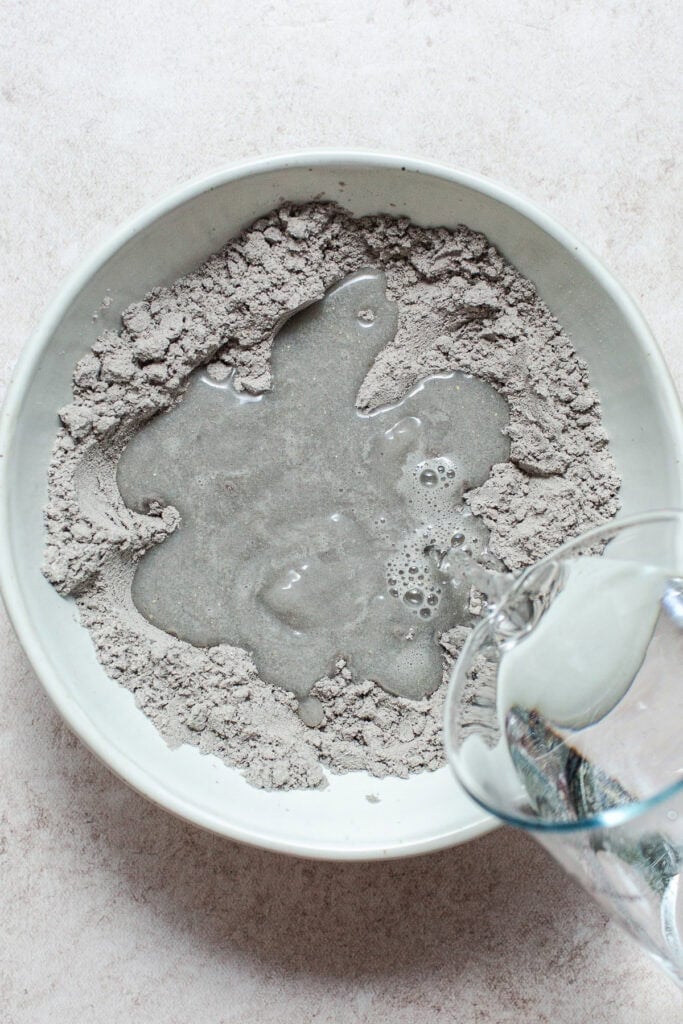
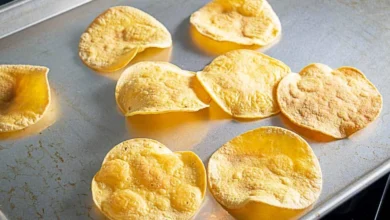
Experts suggest a "knead-and-test" approach. By kneading in small, one-tablespoon increments of water, the cook can adjust the elasticity of the dough. In the event that the tortillas fail to form perfectly, they should not be discarded. They serve as an ideal raw material for homemade tortilla chips. By frying these imperfect discs in neutral oil and seasoning them with sea salt, one can produce a snack that rivals commercial options, effectively eliminating food waste.
Storage and Shelf-Life Considerations
Unlike commercially processed tortillas that contain preservatives and stabilizers to ensure a long shelf life, authentic, home-pressed blue corn tortillas are best consumed within 24 hours. If storage is required, they should be wrapped in a clean, damp kitchen towel and placed in an airtight container to prevent dehydration. Reheating is most effectively accomplished by placing the tortillas briefly on a hot, ungreased skillet; this revives the starch structure and restores the pliability that is lost when they are refrigerated.
Nutritional Implications and Future Outlook
The increased visibility of blue corn in grocery stores and restaurant menus is a positive indicator for the preservation of biodiversity in agriculture. By creating a market for maíz azul, consumers are indirectly supporting the cultivation of heirloom varieties that might otherwise be abandoned in favor of higher-yield, genetically modified industrial corn.
From a public health perspective, the inclusion of anthocyanin-rich foods is encouraged by dietitians as part of a balanced, anti-inflammatory diet. While a single tortilla is not a substitute for a comprehensive nutritional plan, it represents an improvement over highly processed flour or corn alternatives.
As the culinary world continues to embrace regional Mexican cuisine, the blue corn tortilla stands as a testament to the importance of respecting ancestral methods. It bridges the gap between the ancient, stone-ground traditions of the past and the modern, health-conscious demands of the present. Whether served as a simple street taco or incorporated into a sophisticated plated dish, the blue corn tortilla remains a fundamental pillar of cultural heritage and culinary excellence.