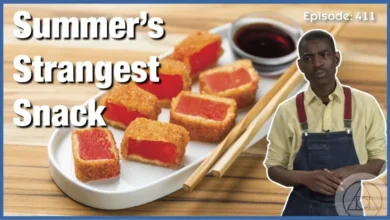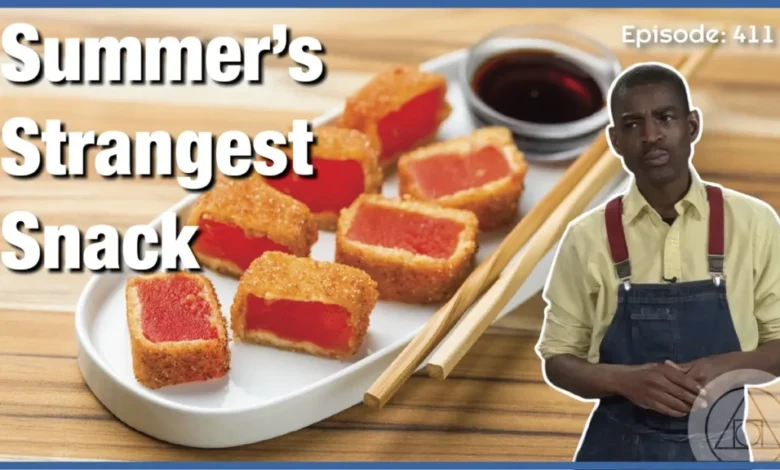
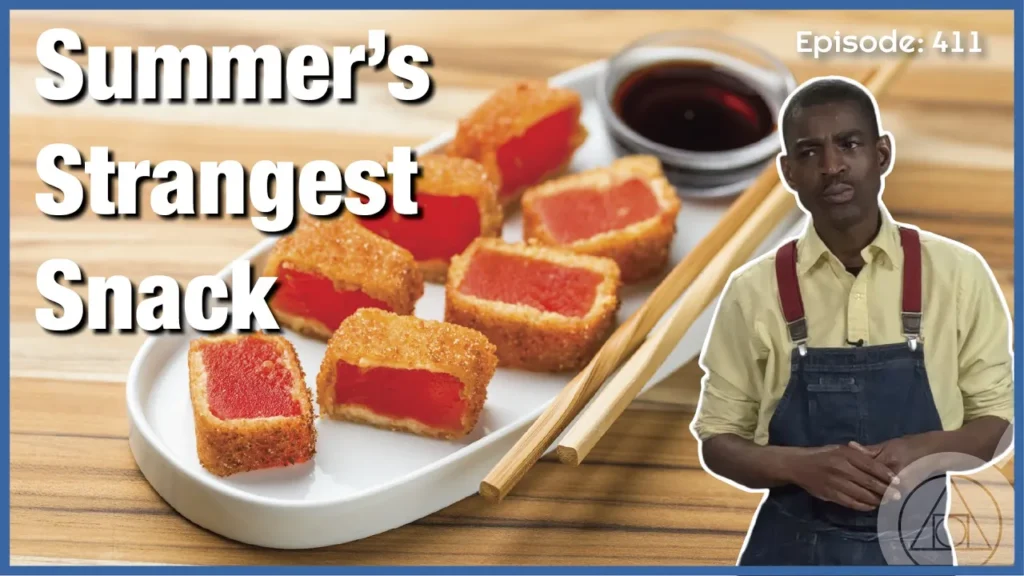
The intersection of culinary tradition and experimental food science has long been a domain for those seeking to challenge the structural integrity of common ingredients. In the latest installment of the "We Transform Food" (WTF) series, produced by Modernist Pantry, the culinary team explores the thermodynamic possibilities of submerging high-water-content produce—specifically watermelon, cantaloupe, and honeydew—into boiling oil. While the concept of deep-frying fruit is well-established in various global cuisines, ranging from the American Southern fried apple pie to the Mexican buñuelo, the application of this technique to melons presents unique physical and chemical challenges due to their high moisture content and delicate cell structure.
The Physics of High-Moisture Deep Frying
Deep frying is a process characterized by the rapid dehydration of the surface of an ingredient, followed by the Maillard reaction, which creates flavor compounds and a crisp exterior. When dealing with fruits that consist of over 90 percent water, such as watermelon, the process is fraught with risks. If the protective batter layer is compromised, the high-pressure release of steam can lead to oil splattering, a safety concern that dictates the necessity of a thick, insulating batter.
In the Modernist Pantry experiment, the transformation of the melon’s internal architecture is the primary focus. When a slice of melon is flash-fried, the rapid heat transfer induces a breakdown of the pectin chains within the fruit’s cell walls. This transition moves the texture from a crisp, fibrous state toward a softer, more viscous consistency. Culinary researchers note that this effectively "custardizes" the fruit. The sugars present in the melon undergo a mild caramelization, which, when trapped behind a crisp exterior, concentrates the fruit’s natural flavor profile.
A Chronology of Culinary Innovation
The exploration of deep-fried fruit is not a modern invention, but its application to melons in a fine-dining or "modernist" context reflects a broader trend toward sensory manipulation in the kitchen. Historically, street foods have led the way in experimenting with unusual frying subjects. In the 1990s and early 2000s, the "fair food" movement in the United States popularized the deep-frying of increasingly unconventional items, including candy bars, butter, and eventually various fruits.
However, the "We Transform Food" series represents a shift from the novelty-seeking nature of carnival food toward a more systematic, ingredient-focused analysis. Over the past several years, the series has tracked the evolution of kitchen technology, moving from basic hydrocolloids to sophisticated flash-freezing and frying techniques. By documenting the failure and success of these trials, the series provides a data-driven narrative on why certain ingredients react the way they do when exposed to extreme temperature gradients.
Supporting Data and Sensory Analysis
When analyzing the chemical composition of melons, the primary variable is the Brix level—a measure of sugar content. Watermelons generally possess a Brix level between 9 and 12 percent. During the frying process, this sugar content is critical; it facilitates the Maillard reaction and provides the necessary depth of flavor to contrast with the savory, oil-infused batter.
Data from food science laboratories suggests that the internal temperature of a melon slice during a 60-to-90-second fry remains relatively low compared to the oil temperature, which typically sits between 350°F and 375°F (175°C–190°C). This temperature differential is what allows the melon to remain "raw" or slightly warmed in the center while the exterior achieves the desired crunch. If the fry time exceeds these parameters, the cellular structure collapses entirely, leading to a mushy, unappealing mouthfeel. Consequently, the success of the dish is entirely dependent on the precision of the batter’s thickness and the exact timing of the submersion.
Professional Perspectives on Experimental Gastronomy
In the broader context of modernist cuisine, chefs like those at Modernist Pantry argue that such experiments are essential for professional development. By pushing the boundaries of what is "acceptable" to fry, cooks learn to better manage the moisture-oil interface. This knowledge is transferable to more complex applications, such as the sous-vide frying of delicate vegetables or the creation of fruit-based emulsions.
Critics of such techniques often point to the health implications of high-fat content; however, proponents argue that the intent is not to replace fresh fruit consumption but to offer a transformative sensory experience. The goal, as outlined by the Modernist Pantry team, is to "help any chef transform food into more memorable experiences." By presenting the fruit in a form that defies the consumer’s expectations, the chef introduces a psychological element to the meal, known as "culinary incongruity," which can heighten the diner’s engagement with the dish.
Broader Impact and Industry Implications
The implications of these trials extend into the realm of menu development for modern restaurants. As diners increasingly seek novel experiences, the ability to manipulate the texture of familiar produce becomes a valuable asset. The "custardized" melon created by the flash-fry method offers a texture that is difficult to achieve through traditional baking or poaching. It serves as a bridge between a refreshing summer appetizer and a warm, decadent dessert.
Furthermore, the documentation of these techniques serves as a pedagogical tool for home and professional cooks alike. By utilizing digital platforms to share these findings, series like "We Transform Food" contribute to a global knowledge base. This democratizes high-end culinary techniques, allowing individuals to replicate complex processes—like the specific viscosity requirements for a batter that can withstand 375°F without absorbing excessive oil—in their own kitchens.
The Role of Technology in Modern Cooking
The equipment utilized in these experiments, such as high-precision deep fryers and thermal immersion circulators, has become significantly more accessible to the public over the last decade. The rise of these tools has paralleled the rise of the "foodie" culture, where the process of cooking is valued as highly as the consumption. Modernist Pantry’s focus on the intersection of ingredients and gadgets highlights a shift where the kitchen is viewed as a laboratory.
As the industry continues to evolve, the distinction between "traditional" and "modern" techniques is blurring. The application of scientific principles—such as understanding the rate of thermal conductivity in cellular tissues—is becoming a standard part of culinary education. Whether or not deep-fried melon becomes a staple on menus globally, the methodology used to create it remains a testament to the ongoing inquiry into the physical properties of our food.
Conclusion: The Future of Ingredient Transformation
The experiment conducted in Episode 411 of the WTF series underscores a fundamental truth about food preparation: texture is as significant as flavor. By changing the physical state of the melon through controlled thermal shock, the producers have successfully turned a seasonal staple into a versatile component for experimental cuisine.
As the series continues, the focus will likely remain on the "why" rather than just the "how." For the culinary community, the value of these experiments lies in the data gathered regarding moisture retention, batter adhesion, and the thermodynamics of sugar concentration. By systematically exploring the limits of common ingredients, Modernist Pantry and similar outlets are providing the necessary framework for the next generation of chefs to innovate with confidence. The deep-fried melon is perhaps not a meal for every day, but it stands as a prime example of how scientific curiosity, when applied to the kitchen, can expand the horizons of the culinary arts.