The Rich Cultural History and Culinary Evolution of Calabaza en Tacha, Mexico’s Iconic Autumnal Delight

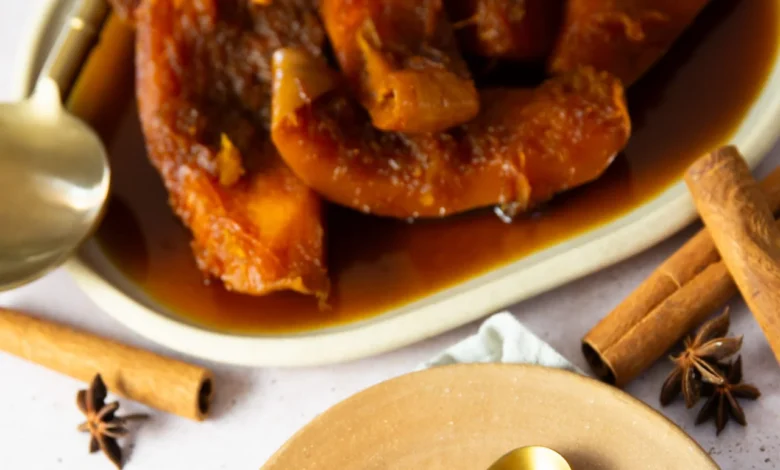
Every autumn, as Mexico transitions into the cooler months of the year, a familiar and deeply comforting aroma begins to drift from residential kitchens, local markets, and public squares alike. It is the scent of calabaza en tacha—thick, fibrous slices of squash slow-cooked in a rich, bubbling syrup of raw cane sugar known as piloncillo, heavily infused with aromatic cinnamon and warm spices. Far more than a simple seasonal dessert, this glossy, caramel-coated delicacy serves as a culinary pillar of Mexican culture, intrinsically tied to the observance of Día de los Muertos (Day of the Dead) and deeply rooted in the agricultural history of Mesoamerica.
Main Facts and Origins of the Dish
The preparation of calabaza en tacha represents a centuries-old tradition that bridges pre-Hispanic agriculture with Spanish colonial influences. The primary ingredient, squash (known locally as calabaza de Castilla or pumpkin), is native to the Americas and has constituted a core component of the indigenous diet for thousands of years, frequently cultivated alongside maize and beans in the traditional milpa agricultural system. Following the arrival of Europeans in the 16th century, imported ingredients such as sugarcane—which was processed into blocks of unrefined whole cane sugar, or piloncillo—were integrated into indigenous recipes.
The name of the dish itself offers a glimpse into its colonial-era history. The term tacha refers to the large metal vats or cauldrons used during the colonial period to boil down and clarify sugarcane juice. Over time, the name stuck to the iconic dessert, which requires a similar slow-simmering process in deep pots to allow the thick pumpkin flesh to absorb the dense, molasses-like syrup until it becomes entirely translucent and deeply glazed.
Chronology and Seasonal Significance
The cultural lifecycle of calabaza en tacha follows a strict agricultural and ceremonial timeline, peaking annually between the months of September and November.
- Late Summer Harvest: The seasonal cycle begins with the harvesting of mature calabaza de Castilla varieties, characterized by their thick, pale beige or mottled orange rinds and bright, fibrous orange flesh. These varieties are specifically selected for their structural integrity, which prevents them from completely disintegrating during the prolonged cooking process.
- Preparation for Día de los Muertos (Late October): As communities prepare for the November 1 and 2 celebrations, production of the dessert increases exponentially. Families and local vendors prepare massive batches to stock domestic refrigerators and adorn ceremonial altars (ofrendas). In traditional households, the cooked pumpkin is placed alongside freshly baked pan de muerto, fresh fruit, and copal incense to welcome the returning souls of deceased loved ones.
- Post-Festival Consumption: Throughout November and early December, the dessert remains a staple household comfort food. Because of its high sugar content and the preservative nature of the piloncillo syrup, properly stored calabaza en tacha can last up to a week in refrigeration without losing its structural integrity or flavor profile.
Nutritional Profile and Culinary Composition
While celebrated primarily for its rich, sweet flavor profile and cultural resonance, calabaza en tacha also offers a distinct nutritional footprint typical of winter squashes. Standard dietary analyses of a single average serving—typically weighing around one cup or roughly 200 grams—reveal a high concentration of essential micronutrients, balanced against a significant carbohydrate and sugar content driven by the traditional preparation method.

According to nutritional estimates derived from traditional preparation standards:
- Calories: Approximately 267 kcal per serving.
- Carbohydrates: 59 grams, predominantly composed of natural sugars from the squash and the infused piloncillo syrup (approx. 45 grams of total sugars).
- Dietary Fiber: 3 grams, aiding in digestion.
- Vitamins and Minerals: The dish is exceptionally rich in Vitamin A, providing nearly 29,000 international units (IU) per serving due to the high beta-carotene content in the squash flesh. It also supplies notable levels of Vitamin C (42 mg), potassium (1,200 mg), calcium (87 mg), and iron (3 mg).
- Macronutrient Balance: Fat content remains remarkably low at approximately 0.4 grams per serving, with negligible saturated fats.
Expert Culinary Insights and Preparation Methodology
According to prominent culinary researchers and Mexican food historians, the success of preparing authentic calabaza en tacha relies entirely on patience and precise temperature control. Culinary experts note that rushing the process by increasing the heat will burn the piloncillo syrup before the dense flesh of the pumpkin can properly soften.

The traditional preparation method requires boiling chunks or thick slices of squash in water combined with whole cinnamon sticks, star anise, orange peel, and blocks of piloncillo. As the liquid reduces over the course of more than an hour, it transforms into a thick, dark caramel. The pumpkin slowly candies from the outside in, absorbing the aromatic spices while releasing its own natural juices into the syrup.
Serving traditions vary widely by geographic region and familial custom. While food historians in central Mexico, including Mexico City, traditionally document the dish being consumed plain—with a generous spoonful of the warm or chilled cooking syrup ladled directly over the tender squash chunk—other regions have developed distinct accompaniments. Some households serve the dessert chilled with a pour of cold cow’s milk, almond milk, or horchata to balance the intense sweetness of the piloncillo. Modern adaptations also feature garnishes such as chopped toasted walnuts, pecans, or coconut-based whipped cream.
Socioeconomic and Cultural Implications

The enduring popularity of calabaza en tacha carries broader socioeconomic implications for local agriculture and culinary tourism in Mexico. Small-scale farmers who cultivate native squash varieties rely heavily on the autumn surge in demand to sustain seasonal revenue streams. Furthermore, the preservation of this recipe underscores a broader cultural movement aimed at safeguarding traditional Mexican gastronomy—a culinary heritage officially recognized by UNESCO as an Intangible Cultural Heritage of Humanity.
As commercialized, mass-produced holiday sweets increasingly dominate supermarket shelves, the meticulous, time-consuming preparation of calabaza en tacha acts as an act of cultural preservation. Culinary instructors and cultural preservationists frequently emphasize that keeping such traditional recipes alive ensures that younger generations maintain a tangible connection to Mexico’s agricultural roots and ancestral customs.
Ultimately, calabaza en tacha transcends its classification as a seasonal dessert. Through its unique blend of indigenous ingredients, colonial history, and deeply symbolic role during Día de los Muertos, the dish remains a vibrant, enduring testament to the resilience and richness of Mexican culinary heritage.