The enduring legacy of Vincent van Gogh and the organic evolution of the olive groves of Saint-Rémy-de-Provence

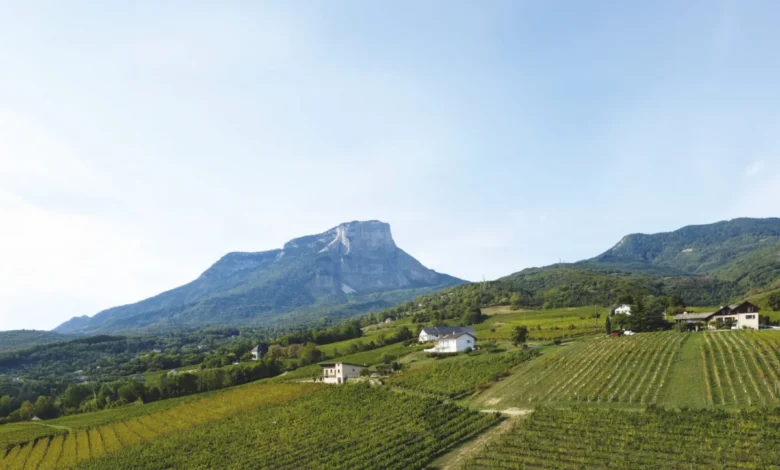
Not far from the St Paul de Mausole asylum in St-Rémy-de-Provence, the olive groves look much as they did when Vincent van Gogh painted them during his convalescence there in 1889-1890, offering a rare window into the preservation of a landscape that served as the primary muse for one of history’s most prolific artistic periods. While the asylum itself has become a site of pilgrimage for art historians and tourists alike, the surrounding terrain has undergone a significant transformation, evolving from traditional Provencal farmland into a beacon of modern sustainable agriculture. Today, the region surrounding Les Baux-de-Provence stands as France’s first 100% organic appellation, a designation that bridges the gap between the artistic preservation of the 19th century and the environmental mandates of the 21st.
A Chronology of Convalescence and Creation
Vincent van Gogh arrived at the Saint-Paul-de-Mausole monastery on May 8, 1889, following a series of mental health crises in Arles. The monastery, a former 12th-century Augustinian priory converted into a private psychiatric clinic, provided the artist with a sanctuary of relative quietude. During his year-long stay, his physician, Dr. Théophile Peyron, recognized that artistic expression served as a vital component of the artist’s stabilization.
In a departure from the restrictive psychiatric norms of the late 19th century, Dr. Peyron granted Van Gogh the autonomy to paint beyond the asylum walls. This freedom allowed the artist to immerse himself in the rugged, sun-drenched landscape of the Alpilles mountains. Between May 1889 and May 1890, Van Gogh produced a staggering body of work, including more than 140 paintings and numerous drawings. Among these were his iconic series of olive trees, characterized by their swirling, rhythmic brushstrokes that captured the vitality of the groves—a stark contrast to the internal turmoil the artist was experiencing.
The Landscape as a Living Canvas
The olive trees that Van Gogh captured on canvas were, even then, ancient fixtures of the Provencal economy. The cultivation of olives in the Baux-de-Provence valley dates back to Roman times, but the specific groves that inspired Van Gogh’s series, such as Olive Trees with the Alpilles in the Background, remain remarkably consistent with their 19th-century appearance.
Agricultural historians note that the persistence of these groves is due in part to the traditional, low-intensity farming methods that were common in the region until the mid-20th century. Unlike the intensive, pesticide-heavy agricultural revolutions that swept through much of Europe post-World War II, the topography of the Alpilles—with its rocky, limestone-rich soil—necessitated a slower, more deliberate approach to viticulture and olive farming. This historical resistance to industrialization eventually laid the groundwork for the region’s modern organic status.
The Rise of the 100% Organic Appellation
The transition to a fully organic designation for Les Baux-de-Provence was not an overnight development, but rather a decades-long policy shift driven by local cooperatives and environmental advocates. In the late 20th century, winemakers and olive oil producers in the region began to recognize that the unique terroir of the valley—a combination of the Mediterranean climate, the mistral wind, and the specific soil profile—was being threatened by conventional chemical applications.
By the early 2000s, the local wine and olive oil producers’ unions initiated a collective movement to ban synthetic fertilizers, pesticides, and herbicides across the entire designated AOC (Appellation d’Origine Contrôlée) zone. Today, Les Baux-de-Provence holds the distinction of being France’s first and only 100% organic-certified appellation for wine. This means that every single vineyard within the territory is managed without the use of chemical inputs, a standard that extends to the management of the iconic olive groves that border these estates.
Statistical Context and Environmental Impact
The impact of this shift is measurable. According to data provided by the local appellation authorities, the conversion to organic farming has led to a significant increase in biodiversity within the valley. Soil analysis studies conducted over the last fifteen years indicate a higher concentration of beneficial microbial life in the orchards compared to neighboring, non-organic zones.
Furthermore, the economic implications for the region have been substantial. The branding of Les Baux-de-Provence as an exclusively organic territory has provided a premium marketing advantage, allowing producers to command higher prices for their products while simultaneously ensuring the longevity of the landscape. For the visitor, this creates an environment where the visual heritage of Van Gogh’s paintings is protected from the degradation associated with intensive industrial agriculture.
Official Responses and Preservation Challenges
The management of the site at St Paul de Mausole, in conjunction with the local agricultural boards, has recently faced the challenge of balancing high tourism volumes with the physical preservation of the terrain. The "Van Gogh Trail," a popular walking route that leads visitors through the exact groves painted by the artist, is now part of an integrated conservation strategy.
Local officials, including representatives from the municipal tourism office in Saint-Rémy, have emphasized that the organic designation is not merely a label, but a vital preservation tool. "By protecting the soil and the trees, we are protecting the very light and the atmosphere that Vincent van Gogh sought to capture," noted a spokesperson for the local agricultural bureau. "The landscape is the monument."
Analysis: Bridging Art History and Modern Ecology
The intersection of Van Gogh’s legacy and the organic movement in Les Baux-de-Provence serves as a compelling case study in cultural and environmental synergy. Art history often treats the "subject" of a painting as a static entity, but in this corner of France, the subject—the olive grove—is a living, breathing ecosystem that has been actively curated for centuries.
The shift to organic farming in this region implies a long-term vision that transcends the immediate financial returns of agricultural output. By prioritizing ecological health, the producers of the Baux-de-Provence have, perhaps inadvertently, acted as the stewards of a world-renowned cultural landmark. The implication for other heritage sites is clear: when the landscape is protected, the cultural memory associated with it is effectively immunized against the erosion caused by modern development.
Broader Implications for Sustainable Heritage
As global climate patterns shift and environmental pressures mount, the model established in the Alpilles offers a blueprint for other regions that derive their value from both historical significance and agricultural productivity. The ability to harmonize the needs of modern production with the preservation of a "historic aesthetic" is a challenge that many European regions face, particularly as urban sprawl threatens the edges of rural heritage sites.
However, the case of Les Baux-de-Provence demonstrates that environmental regulation can be a catalyst for, rather than a hindrance to, economic development. By leaning into the organic identity, the region has solidified its reputation as a premier destination for sustainable tourism.
Conclusion: The Landscape Endures
As visitors stand near the St Paul de Mausole asylum, looking out over the twisted, silver-leafed boughs of the olive trees, the sense of continuity is palpable. The groves, which once provided a sense of solace to a troubled artist in 1889, now stand as a testament to a deliberate choice made by a community to prioritize the earth over industrial convenience.
Whether one is a scholar of Post-Impressionism or an advocate for sustainable agriculture, the olive groves of Saint-Rémy represent a successful synthesis of history and progress. As the trees continue to produce fruit, and as the light continues to filter through the leaves exactly as it did for Van Gogh, the region remains a rare example of how humanity can engage with its past without sacrificing the health of its future. The 100% organic status of the region is not just a certification of its products; it is a promise that the landscape—and the inspiration it provides—will remain intact for generations to come.