Corn Tortilla Recipe: A Comprehensive Guide to Traditional Mexican Nixtamalized Corn Preparation

The production of corn tortillas stands as one of the oldest and most culturally significant culinary practices in the Western Hemisphere. Rooted in the ancient process of nixtamalization, the transformation of dried maize into pliable, nutritious flatbreads requires a specific intersection of chemistry, technique, and historical tradition. While modern convenience has popularized the use of pre-processed masa harina, the fundamental principles governing the creation of an authentic corn tortilla remain unchanged since the Mesoamerican era.
The Chemistry of Nixtamalization
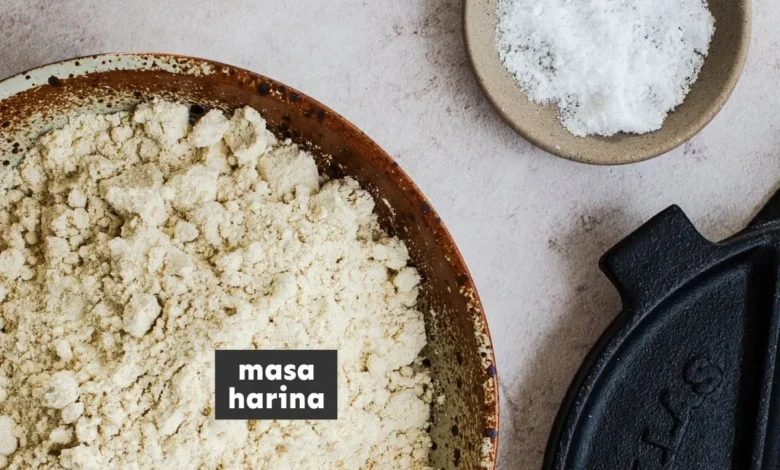
At the heart of the corn tortilla is the ingredient known as masa harina. Unlike standard cornmeal or corn flour, masa harina is derived from corn that has undergone nixtamalization—a process involving the soaking and cooking of dried maize in an alkaline solution, typically lime water (calcium hydroxide).
This chemical intervention is not merely for texture; it is a critical nutritional and functional step. During the alkaline soak, the pericarp (the outer hull of the corn kernel) is loosened, allowing it to be removed. More importantly, this process increases the bioavailability of niacin (Vitamin B3) and improves the protein quality of the corn. Historically, this practice prevented pellagra—a disease caused by niacin deficiency—in populations whose diets relied heavily on maize. The resulting "nixtamal" is then ground into a dough known as "masa." Masa harina is essentially this masa that has been dehydrated and milled into a fine, shelf-stable powder.
Historical Context and Cultural Evolution
The tortilla, derived from the Spanish word torta (meaning round cake), has served as the staple carbohydrate of Mexico for millennia. Archeological evidence suggests that the consumption of maize in a processed form dates back at least 3,500 years. Throughout the pre-Hispanic period, the comal—a flat, unglazed earthenware griddle—was the standard tool for cooking these discs.
As culinary practices have evolved, the transition from manual stone-grinding (metate) to industrialized mass production has shifted the landscape of tortilla consumption. However, in the contemporary home kitchen, there has been a resurgence of interest in traditional methods. The reliance on masa harina—specifically brands like Maseca and Masienda—allows modern home cooks to replicate the flavor profile of freshly nixtamalized corn without the intensive labor of grinding whole kernels.
Ingredients and Technical Requirements
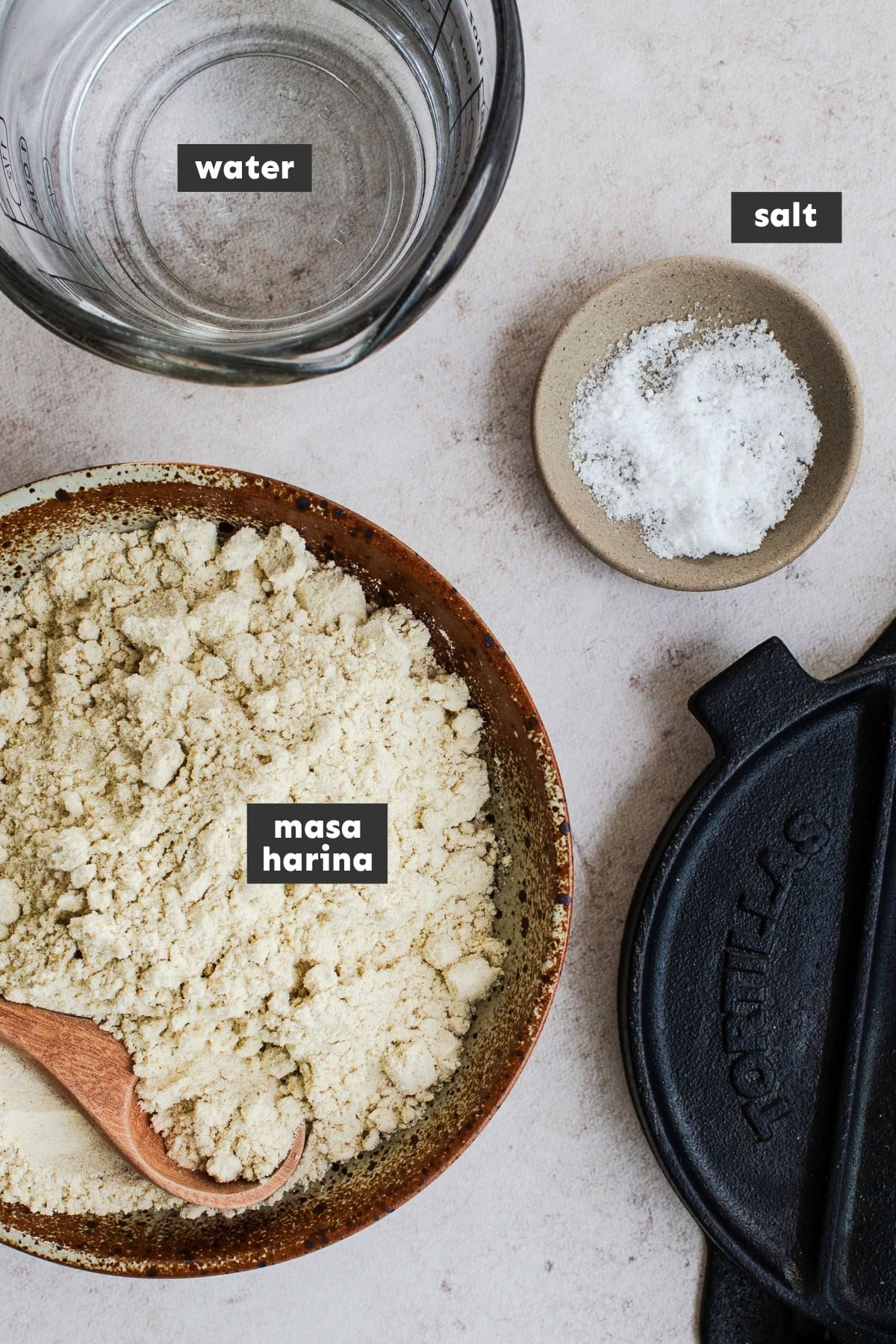
A standard, high-quality corn tortilla consists of three fundamental ingredients: masa harina, warm water, and a pinch of salt. The precision in the ratio of water to masa is the primary variable that determines success.
For the standard Maseca brand of masa harina, the general ratio is 1.5 cups of water for every 2 cups of flour. However, specialized, heirloom-variety masa flours—such as those produced by Masienda—often require a higher hydration ratio, sometimes nearing 2 cups of water per 2 cups of flour, due to the density and fiber content of the specific corn varietals used.
Essential equipment for the home production of tortillas includes:
- A Tortilla Press: Heavy-duty cast iron or aluminum presses are preferred for achieving uniform thickness.
- Food-grade Plastic Sheeting: Essential for preventing the dough from sticking to the metal surfaces of the press.
- The Comal or Heavy-Bottomed Skillet: Cast iron is the industry standard for maintaining consistent heat distribution.
- Insulated Warmer: A crucial component for keeping the finished tortillas soft and pliable through steam retention.
Chronology of Production
The production of a batch of 12 tortillas typically follows a 45-minute workflow:
- Hydration (5-10 minutes): The dry masa harina and salt are combined in a mixing bowl. Warm water is added gradually. The dough must be kneaded until it achieves a texture comparable to play-dough—smooth, non-cracking, and moist. If the dough cracks at the edges when pressed, it is too dry; if it sticks to the fingers, it is too wet.
- Resting (15 minutes): The dough is covered with a damp cloth. This resting period allows the starch molecules to fully hydrate, ensuring the final product does not tear during the pressing process.
- Portioning (5 minutes): The dough is divided into uniform spheres, typically 30 to 40 grams each, to ensure consistent cooking times.
- Pressing (5 minutes): Each ball is placed between two sheets of plastic and flattened to a thickness of approximately 1/8th of an inch.
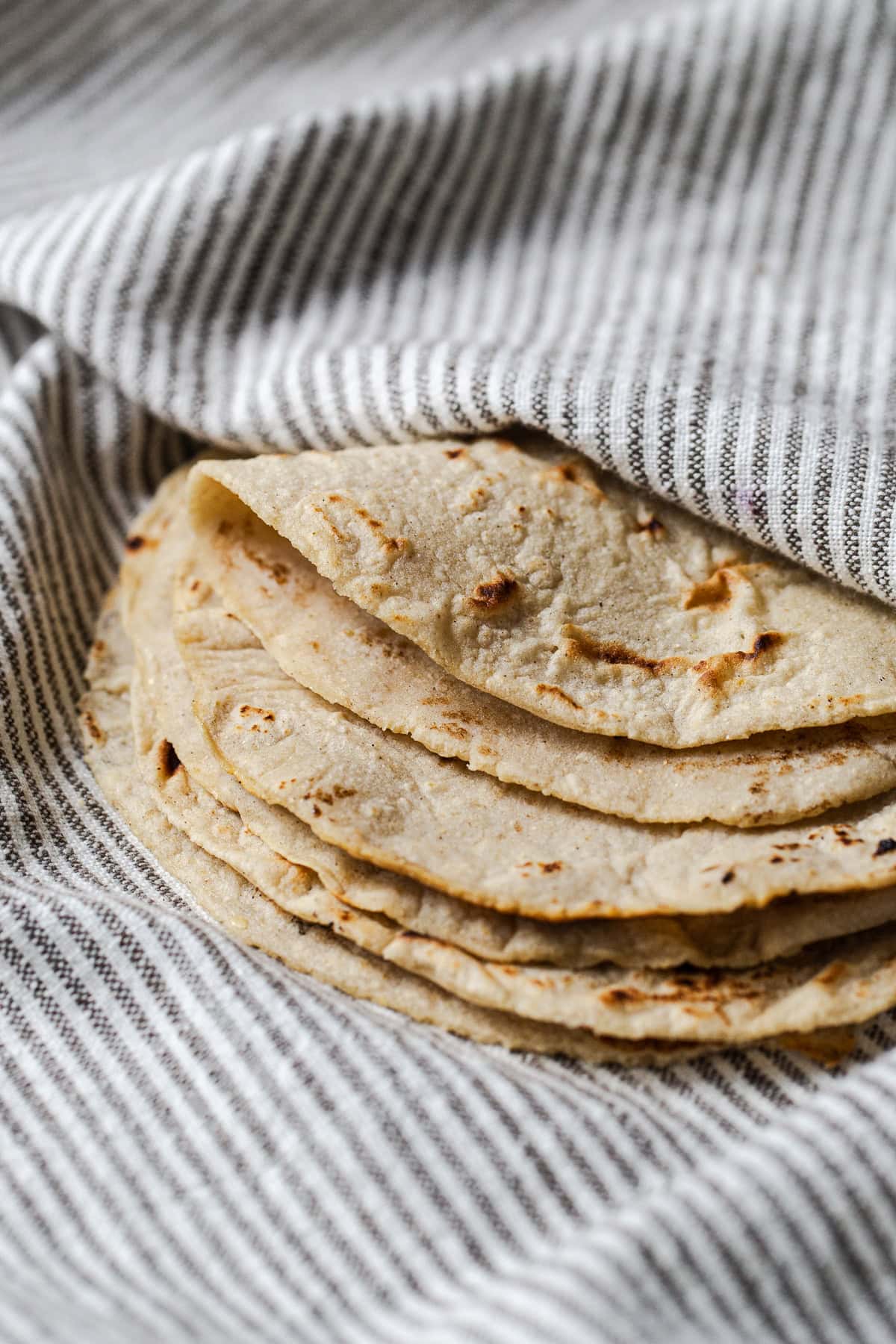
- Cooking (10-15 minutes): The tortilla is placed on a preheated comal at medium-high heat. The "three-flip" method is commonly utilized: a quick initial flip after 20 seconds, a longer cook on the second side until the tortilla puffs, and a final flip to finish.
Nutritional Profile and Dietary Implications
From a nutritional standpoint, the corn tortilla is a dense source of complex carbohydrates and dietary fiber. A single, standard-sized corn tortilla contains approximately 69 kilocalories, 14 grams of carbohydrates, and 1 gram of fiber. Because the product is derived exclusively from corn, it is naturally gluten-free, making it a versatile staple for those with celiac disease or gluten sensitivities.
However, consumers should remain aware of the distinction between artisanal homemade tortillas and mass-market commercial options. Commercial brands often include preservatives, gums, or wheat-based additives to extend shelf life and enhance durability during transit, which can alter both the nutritional profile and the authentic, earthy flavor of the nixtamalized grain.

Broader Impact: The "Tortilla Effect"
The shift toward homemade tortilla production has significant implications for food sovereignty and culinary education. By bypassing the ultra-processed commercial supply chain, individuals are engaging in a process that preserves indigenous agricultural knowledge. Furthermore, the ability to repurpose "stale" or day-old tortillas into chips, tostadas, or the base for chilaquiles reduces household food waste—a key sustainability metric.
In professional culinary settings, the distinction between high-quality masa and generic corn flour is increasingly recognized. Michelin-starred establishments and traditional fondas alike have begun prioritizing heirloom corn varieties that support small-scale farmers in Mexico, thereby creating a positive economic loop that values biodiversity in maize.
Expert Recommendations for Quality Control
To achieve the "puff"—the hallmark of a perfectly cooked tortilla—moisture content is the primary factor. If the tortilla fails to puff during the cooking phase, it is often a sign of insufficient internal steam generation, caused by either an overly thick press or an insufficiently hydrated dough.
Storage protocols also dictate the longevity of the product. Tortillas are hygroscopic, meaning they absorb moisture from the air, but they also lose moisture rapidly when exposed to dry heat. Storing finished tortillas in a fabric-lined warmer or a sealed plastic bag allows the residual heat to create a micro-environment of steam, which softens the starch structure and ensures the product remains flexible for subsequent meals.
Conclusion
The corn tortilla is a testament to the sophistication of traditional food processing. Whether used as a vessel for carnitas, a component in complex chilaquiles, or consumed simply with salt, the tortilla remains a foundational element of Mexican cuisine. Through the adoption of proper nixtamalization-based flours and the meticulous application of traditional pressing and heating techniques, the home cook can elevate a simple staple into an authentic culinary experience that bridges the gap between historical necessity and modern gastronomy.