Lanzerac Estate: A Timeless Bastion of South African Viticulture and Heritage

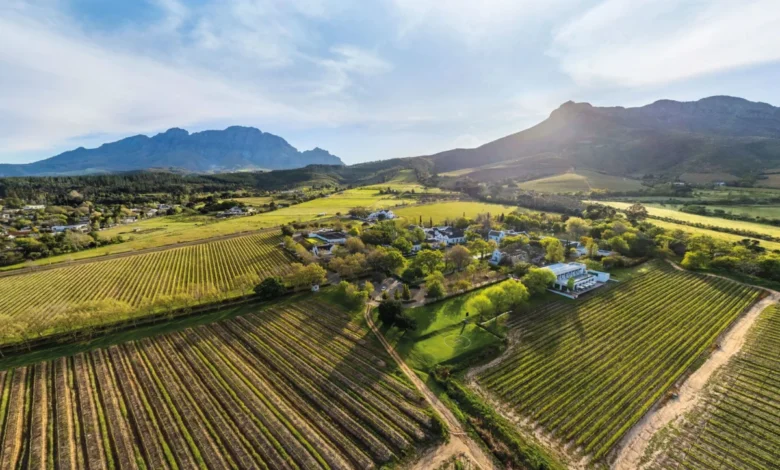
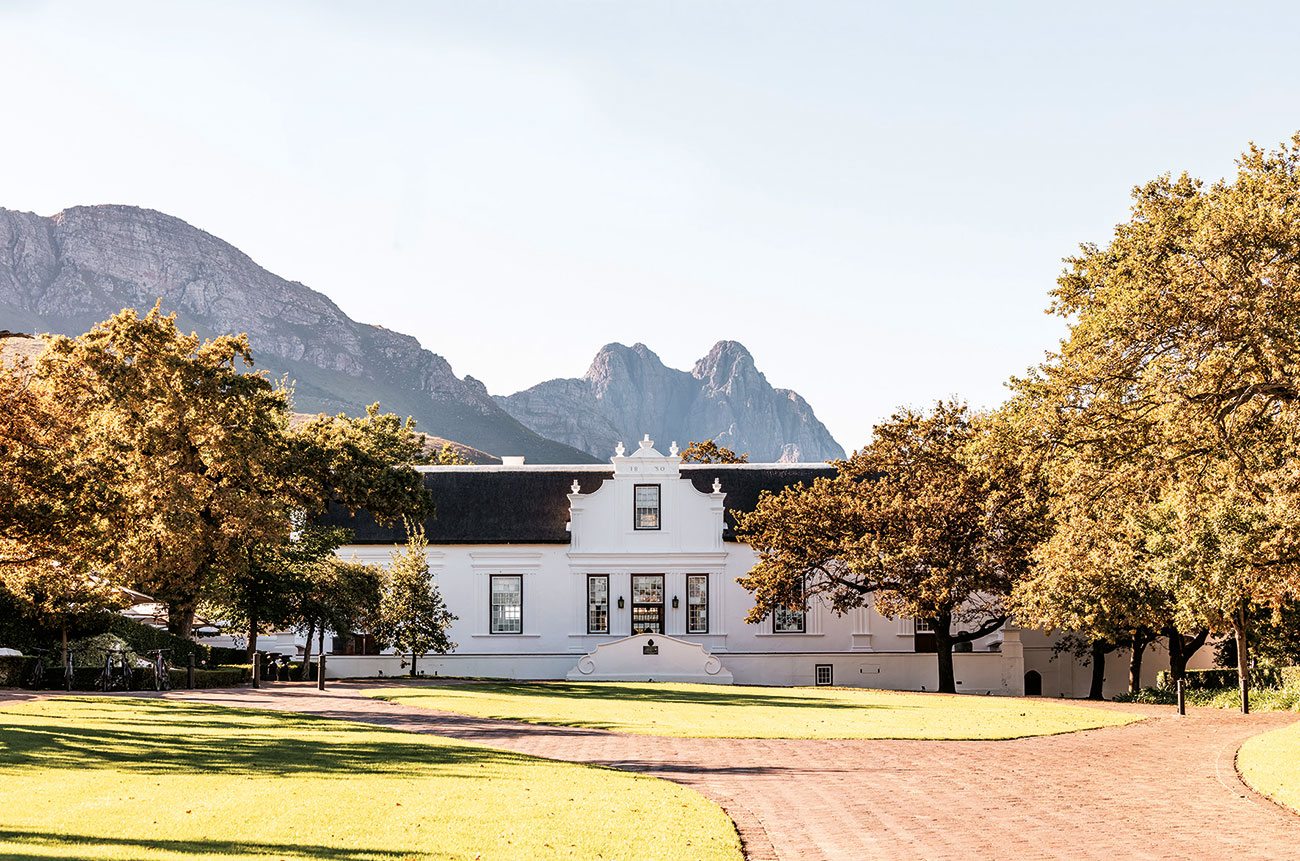
Nestled in the cradle of the Jonkershoek Valley, the Lanzerac Estate stands as a living testament to the evolution of South African viticulture. With a documented history spanning 334 years, the estate is far more than a mere destination; it is a repository of Cape Dutch architectural heritage and a significant pillar in the development of the national wine industry. Defined by its iconic whitewashed gables, ancient oak trees, and a legacy of reinvention, Lanzerac serves as both a luxury hospitality landmark and a site of profound historical consequence.
A Chronology of Resilience and Innovation
The origins of Lanzerac date back to 1692, when the land was first granted. Over the centuries, the farm underwent numerous transformations, shifting from a modest agricultural holding to a sophisticated viticultural operation. However, the most pivotal chapter in its modern history occurred in 1959. That year marked a radical departure from tradition as the estate transitioned into a French-style country house and wine estate, setting a precedent for the luxury wine-tourism model that now defines much of the Western Cape.
The year 1959 also holds a permanent place in South African wine history, as it saw the release of the nation’s first commercially bottled Pinotage at Lanzerac. This innovation effectively put the estate—and the unique South African grape variety—on the global map.
The estate’s resilience was severely tested in November 2017, when a devastating fire tore through the historic manor house. The incident caused extensive damage to the architectural fabric of the site, prompting a massive restoration project. This restoration did not merely aim to repair the damage but sought to preserve the structural integrity of the 17th-century buildings while integrating modern safety and comfort standards. The result is a seamless fusion of centuries-old craftsmanship—some bricks used in the construction of the estate date back to the 1500s—and contemporary luxury.
Architectural Significance and Modern Integration
The architecture of Lanzerac is a masterclass in the Cape Dutch style, characterized by its symmetrical proportions and ornate gables. Following the 2017 restoration, the estate functions much like a sequestered village. The layout encourages a pedestrian-focused experience, with winding pathways connecting the manor house, courtyard rooms, and garden terraces.
The 54 rooms and suites on the property are designed to mirror this intersection of history and modernity. Room 505, for example, retains exposed brickwork from the estate’s early centuries, providing guests with a tangible connection to the past. These period details are juxtaposed with high-end amenities, including double French armoires and deep-soak bathtubs. The spatial design emphasizes privacy and relaxation, with seven distinct pool areas scattered across the estate to provide both communal spaces and private, suite-exclusive hot tubs.
Viticulture and the Sensory Experience
While the estate’s hospitality offerings are extensive, its core remains the wine production. Lanzerac’s viticultural philosophy is deeply rooted in the unique terroir of the Jonkershoek Valley. The surrounding mountains create a specific microclimate that moderates temperature and ensures consistent grape maturation.
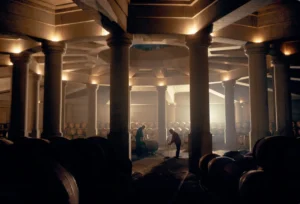
Guided cellar tours and private tastings are staples of the visitor experience. These are designed to educate guests on the technical aspects of winemaking, from the influence of soil composition to the nuances of barrel aging. The estate’s recent introduction of a "water sommelier" service highlights an unconventional approach to the culinary experience. By analyzing the Total Dissolved Solids (TDS) in various water sources, the sommelier provides pairings that harmonize with specific vintages, a practice that underscores the estate’s commitment to precision and the elevation of sensory engagement.
Culinary Landscapes and Economic Impact
The estate’s food and beverage strategy is tripartite, catering to different demographics and expectations. The Manor Kitchen serves as the formal fine-dining anchor, focusing on seasonal, locally sourced ingredients that reflect the terroir of the Western Cape. The Deli provides a more accessible, casual atmosphere suited to the outdoor terraces, while the Taphuis—a nod to the estate’s tavern-like historical origins—offers a traditional, pub-style menu.
The economic implications of Lanzerac’s operation are significant. As a prominent fixture in Stellenbosch, the estate contributes to the region’s reputation as a world-class wine tourism destination. The tourism sector in Stellenbosch is a major driver of regional employment, with estate-based roles ranging from viticulturalists and sommeliers to hospitality management and conservationists.
Spa and Wellness: The Vinotherapy Model
A defining feature of the modern Lanzerac experience is its focus on wellness, specifically through the lens of "Vinotherapy." The spa facilities, which include heated indoor pools, steam rooms, and saunas, are designed with the estate’s viticultural identity in mind. Vinotherapy treatments utilize grape-derived ingredients, such as grape seed extracts, which are rich in antioxidants. This alignment between the land’s produce and the guest’s health experience is a strategic move that differentiates Lanzerac from standard luxury resorts.
Broader Context and Regional Influence
The town of Stellenbosch, located only minutes from the estate, serves as the administrative and cultural hub of the region. Lanzerac’s location within the Jonkershoek Valley places it in proximity to a cluster of estates, creating a synergy that benefits the local economy. Visitors to Lanzerac frequently utilize the Franschhoek Wine Tram or local private tour services to explore the wider Cape Winelands, fostering a network of tourism that bolsters the entire Western Cape economy.
From a historical perspective, Lanzerac’s ability to survive and adapt over more than three centuries provides a case study in the longevity of agricultural estates. The challenge for such properties is often the balance between commercial viability and heritage conservation. Lanzerac has managed this by embracing its history—not as a static exhibit, but as a living component of its daily operations.
Implications for the Future of Wine Tourism
The current trends in luxury travel suggest a shift toward "experiential" tourism, where guests seek deep dives into the history and production processes of their destinations. Lanzerac’s investment in education, such as its focus on water sommelier services and specialized cellar tours, positions it at the forefront of this trend.
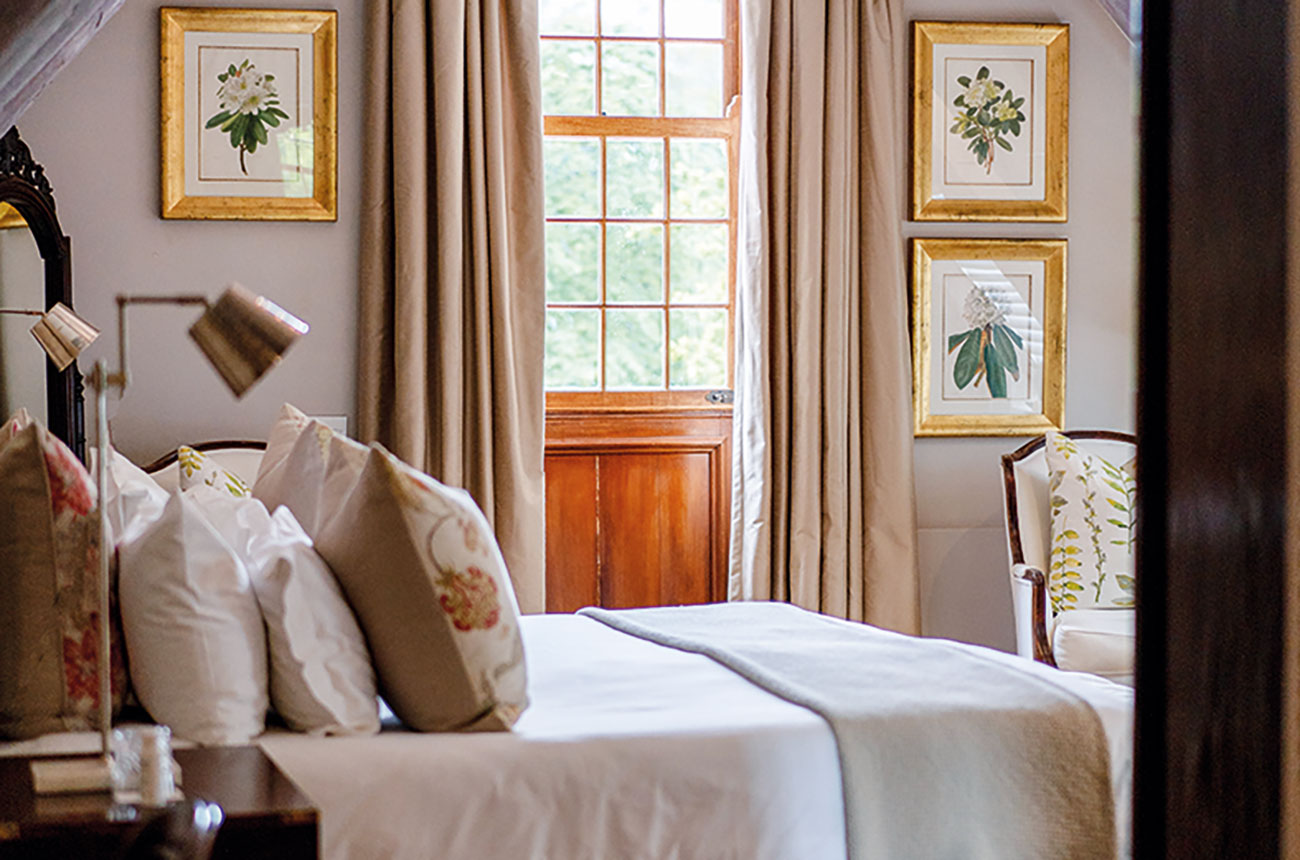
Moreover, the restoration post-2017 serves as a benchmark for how historical sites can survive catastrophic events. By maintaining the integrity of the original structure while modernizing infrastructure, the estate has ensured its relevance for future generations. The inclusion of modern amenities like high-speed connectivity and climate-controlled luxury suites within centuries-old walls demonstrates that preservation and innovation are not mutually exclusive.
Conclusion
Lanzerac Estate remains a critical institution in South Africa’s cultural and economic landscape. It serves as a bridge between the colonial-era agricultural roots of the Western Cape and the sophisticated, globally integrated wine tourism market of the 21st century. Whether through its role in the development of Pinotage, its meticulous preservation of Cape Dutch architecture, or its innovative approach to wellness and culinary arts, the estate continues to function as a focal point for both domestic and international visitors. As the wine industry faces increasing challenges from climate change and shifting global consumer habits, Lanzerac’s commitment to its heritage, combined with its willingness to embrace modern hospitality standards, provides a blueprint for the sustained success of historical wine estates worldwide.