The Savory Elegance of the Corn and Jalapeño Quiche: A Culinary Analysis of Modern Seasonal Baking

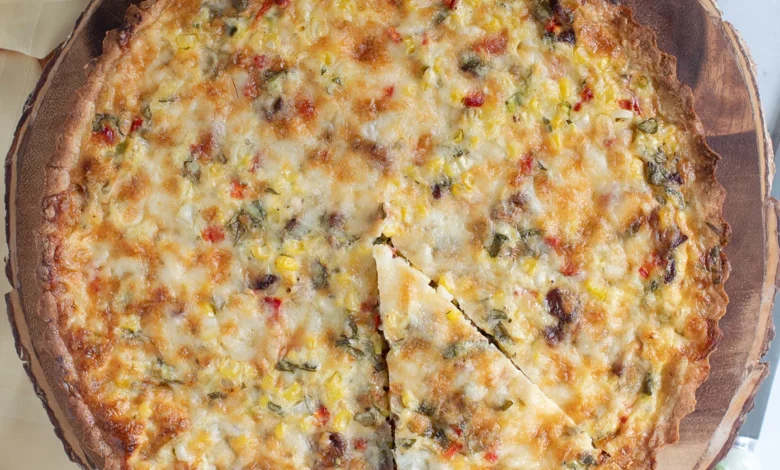
The culinary landscape has increasingly gravitated toward savory, vegetable-forward tarts that offer a departure from the traditional, egg-heavy quiches synonymous with mid-20th-century brunch culture. At the forefront of this shift is a refined Corn Quiche, characterized by its reliance on a textural cornmeal crust and a precise, minimal custard base. This dish represents a calculated effort to emphasize seasonal produce, utilizing the natural sweetness of corn as the primary flavor profile rather than the rich, emulsified egg structures found in classic French preparations. By balancing the sweetness of summer kernels with the heat of jalapeños and the aromatic profile of fresh basil, this recipe functions as a bridge between casual home cooking and sophisticated, ingredient-driven gastronomy.
The Evolution of the Modern Savory Tart
The history of the quiche is rooted in the Lorraine region of France, where the original dish was a simple open-faced pastry crust filled with a custard of cream, eggs, and smoked lardons. Over the decades, particularly as the dish migrated into the American culinary canon in the 1970s and 80s, the "quiche" became a catch-all term for any savory egg-based pie. However, contemporary food science and culinary trends have pushed back against the "over-egged" nature of mass-market quiches, which often mask the flavor of their fillings.
The current trend, as exemplified by the Corn Quiche, prioritizes the "more veggie, less eggy" philosophy. By reducing the volume of the custard, the structural integrity of the dish relies more on the cheese matrix and the moisture content of the vegetables. This structural pivot allows for a more pronounced sensory experience, where the interplay of textures—the crunch of the cornmeal crust against the tender, slightly spicy filling—becomes the central focus.
Culinary Methodology and Structural Development
Developing a recipe that avoids the pitfalls of a soggy crust while maintaining a delicate filling requires a multi-staged approach. The process begins with the preparation of the cornmeal crust. Unlike traditional all-purpose flour crusts, the inclusion of cornmeal adds a distinct grit and an earthy, toasted flavor profile that complements the corn filling.
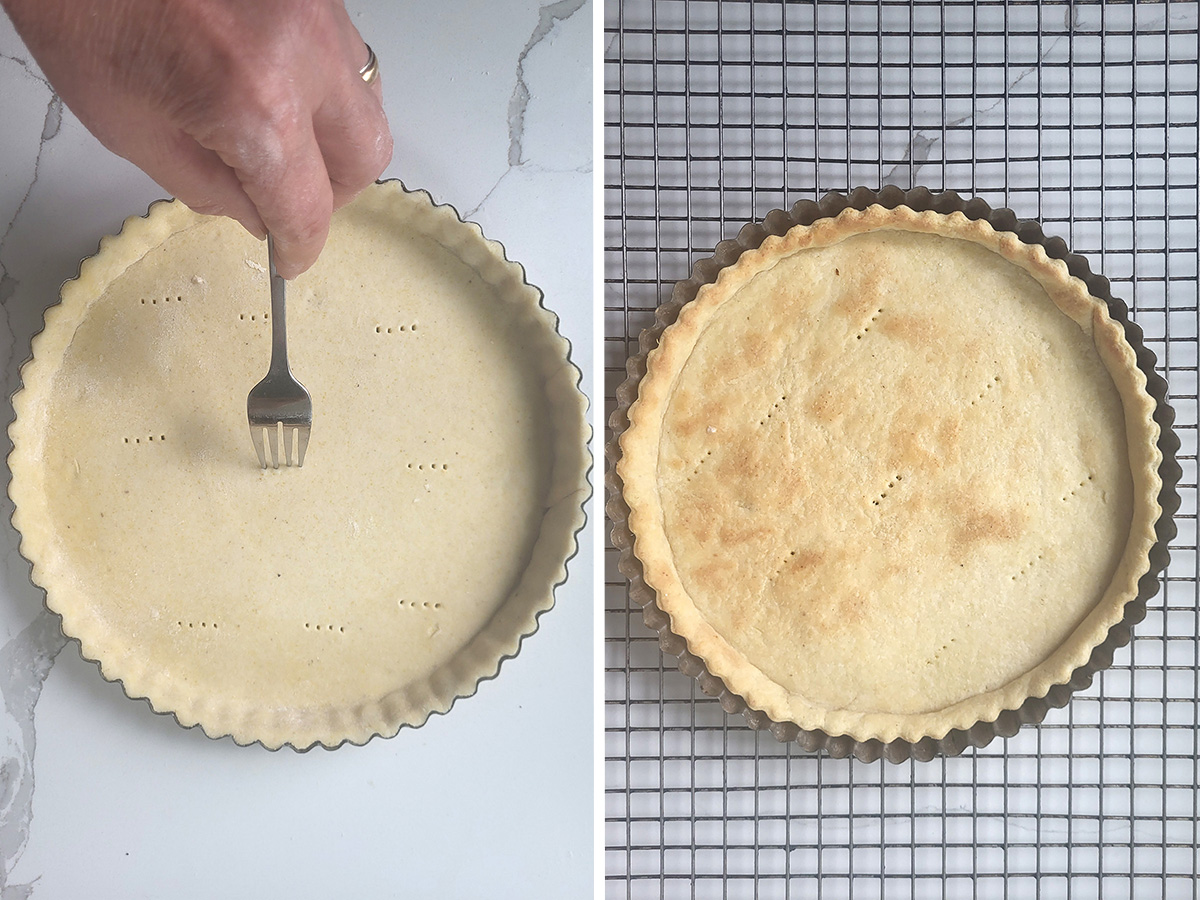
The technical challenge, as identified by culinary developers, is the prevention of "soggy bottom" syndrome—a common failure in vegetable-heavy tarts where moisture from the fillings leaks into the crust during the initial baking phase. To mitigate this, a process of "blind baking" is employed. By lining the crust with parchment and ceramic or metal pie weights, the baker can set the crust’s structure before the moisture-rich ingredients are introduced.
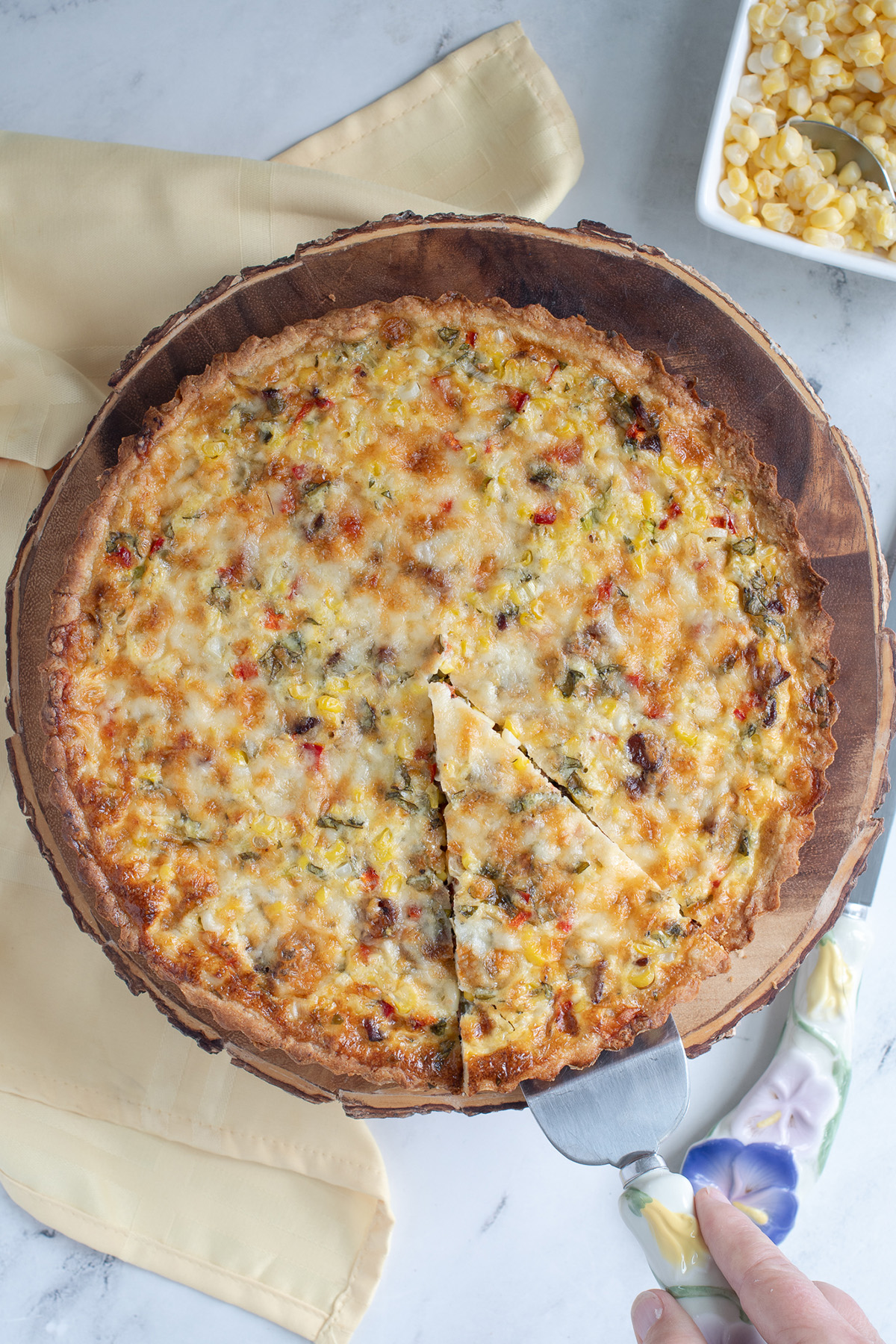
When a specialized fluted tart pan is unavailable, standard 9-inch pie plates can be substituted; however, the lack of fluted walls requires strict adherence to the use of pie weights. Without this support, the dough—enriched with fat—is susceptible to sliding down the walls of the pan due to gravity, leading to an uneven crust distribution. The addition of Monterey Jack cheese serves not only as a flavor enhancer but as a binding agent that stabilizes the custard once the proteins denature during the final 30-minute bake.
Ingredient Sourcing and Adaptability
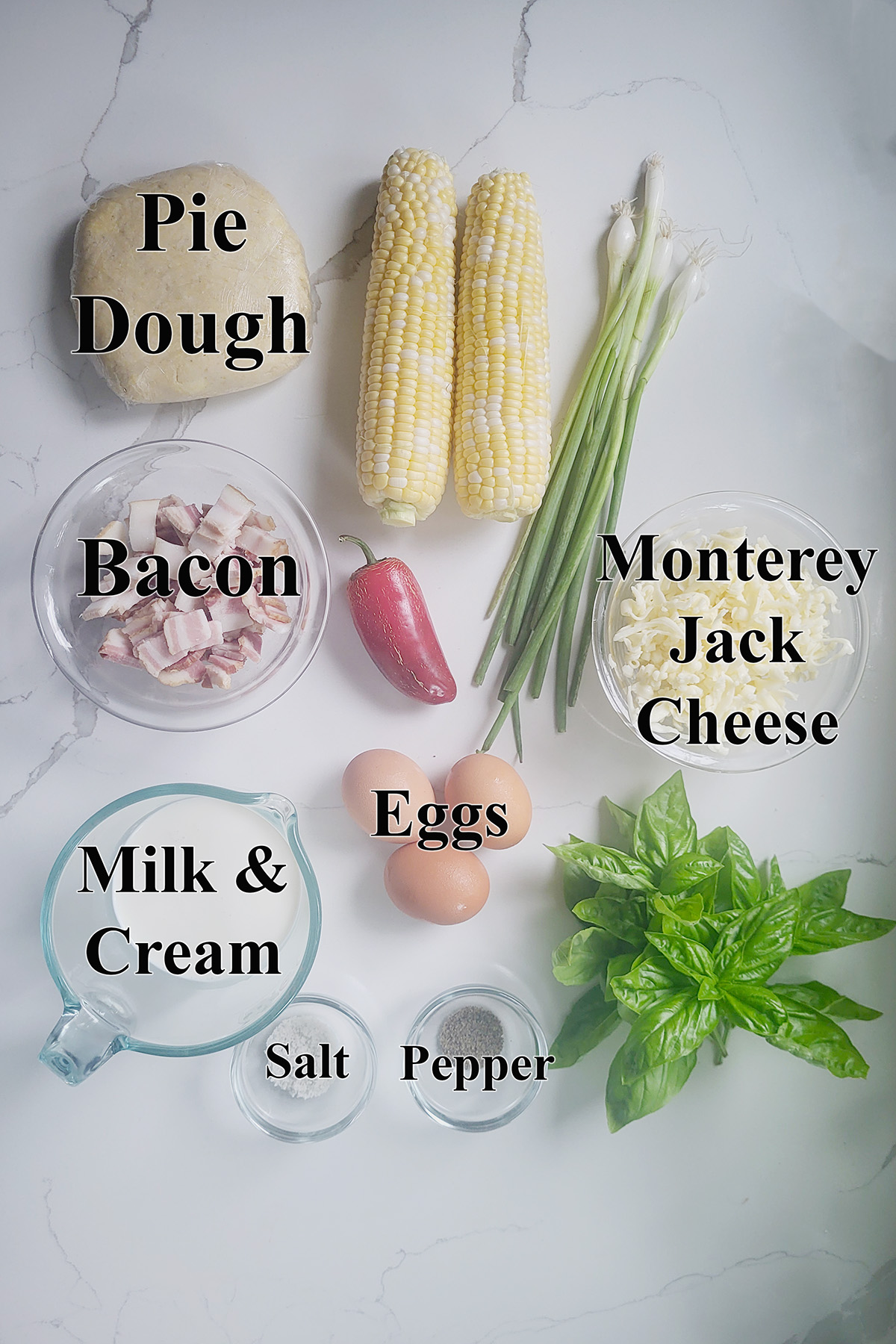
The efficacy of this dish is contingent upon the quality of its seasonal components. Fresh corn, when at its peak, contains high sugar concentrations that provide the dish with its signature sweetness. However, the recipe has been stress-tested for year-round availability, with data indicating that frozen corn kernels are a viable, consistent alternative.
The heat profile of the dish is dictated by the inclusion of jalapeño peppers. Analysis of consumer feedback and kitchen testing suggests that the capsaicin levels in jalapeños vary significantly; therefore, the recipe offers a controlled substitution path. For those preferring a milder experience, half of a small bell pepper provides the necessary structural bulk and mild flavor without the characteristic spice. The incorporation of fresh basil, typically added at the final assembly stage, ensures that the aromatic oils are preserved, providing a sharp, herbaceous contrast to the rich, fatty notes of the cheese and the custard base.
Nutritional Profile and Dietary Implications
From a nutritional standpoint, the Corn Quiche offers a balanced macronutrient profile, though it is categorized as a moderate-density dish. A standard serving contains approximately 286 calories, with 23 grams of fat and 12 grams of protein. While the high saturated fat content—derived primarily from the cheese and butter in the crust—places it in the category of indulgent meals, the presence of dietary fiber from the corn and the relatively low sugar content (4g) make it a more substantial option than traditional pastry-based snacks.
The sodium content, measured at 676mg per serving, is largely attributed to the cheese and the salt required for the crust development. This level of sodium is typical for savory baked goods, and nutritionists suggest pairing the quiche with a fresh, acidic side salad—such as arugula with a lemon vinaigrette—to balance the flavor intensity and provide additional micronutrients.
Strategic Preparation and Make-Ahead Protocols
In a professional kitchen environment, efficiency is paramount. The preparation of this quiche is estimated at 45 minutes of hands-on labor, excluding the baking time. To optimize this, the recipe is designed with a "make-ahead" architecture. The dough can be prepared in bulk and stored, with standard practice suggesting that if a double-crust recipe is utilized, the excess can be frozen for up to a month.
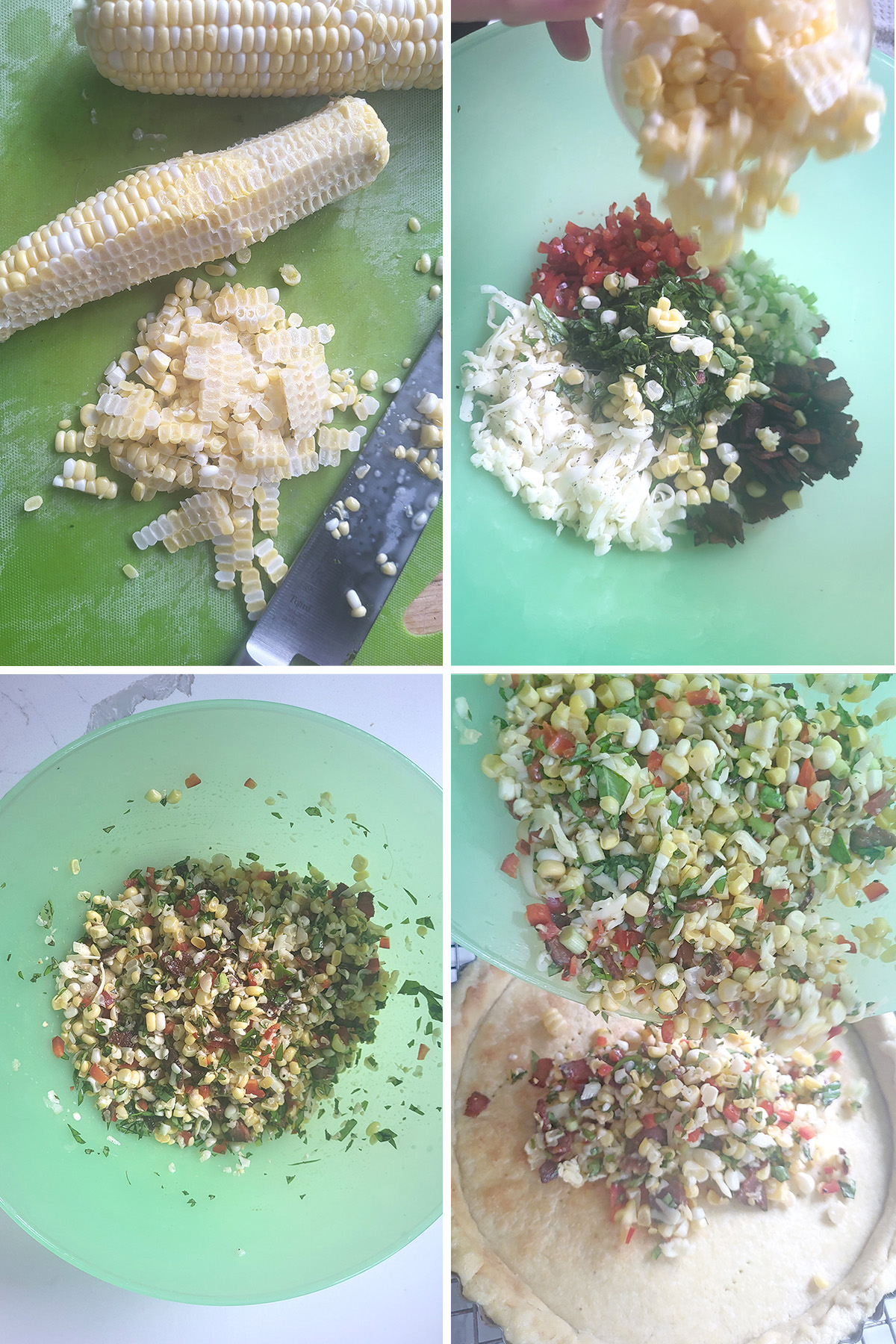
Furthermore, the individual components—the vegetable mixture and the custard base—can be prepped separately. By keeping the custard and the vegetable-cheese mixture chilled and distinct until the final assembly, the baker prevents the premature softening of the crust. The finished product maintains its integrity in the refrigerator for up to 48 hours, with reheating protocols recommending a low-temperature oven (200°F) to restore the crust’s crispness without overcooking the custard and causing the proteins to weep moisture.
Broader Culinary Impact
The shift toward dishes like the Corn Quiche reflects a broader movement toward "ingredient-forward" cooking. In an era where processed foods are ubiquitous, the return to recipes that require an understanding of heat management, crust chemistry, and flavor balancing is significant. This recipe does not rely on complex techniques, yet it demands a high degree of precision in execution.
The success of such dishes in both home and restaurant settings demonstrates a growing consumer preference for food that is "light" but satisfying. By minimizing the egg component, the quiche transitions from a heavy, morning-specific item to a versatile, all-day meal. This flexibility is a key driver in its popularity, as it seamlessly fits the requirements of a quick lunch, a sophisticated brunch, or a light evening dinner.
As culinary experts continue to analyze the intersection of traditional baking techniques and modern dietary preferences, the Corn Quiche serves as a case study in effective recipe adaptation. It respects the foundational elements of the tart—the crust, the custard, and the filling—while updating the ratios to align with contemporary tastes for higher vegetable density and more nuanced, herb-driven flavor profiles. Through rigorous testing and the deliberate choice of ingredients, the recipe achieves a standard of reliability that is essential for the home cook, while maintaining the aesthetic appeal required for professional-grade presentation.
Ultimately, the dish remains a testament to the idea that simplicity, when grounded in sound technique, provides the most enduring culinary results. Whether served warm, fresh from the oven, or at room temperature, it offers a consistent, high-quality experience that highlights the inherent properties of its seasonal components, proving that the most effective recipes are those that allow the raw ingredients to perform as the main attraction.