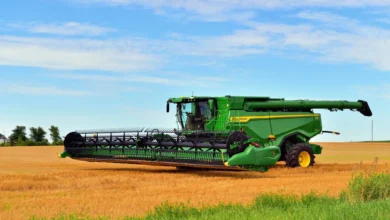
The Clash of Green Technologies: How the Solar Boom Threatens the Future of Regenerative Farming

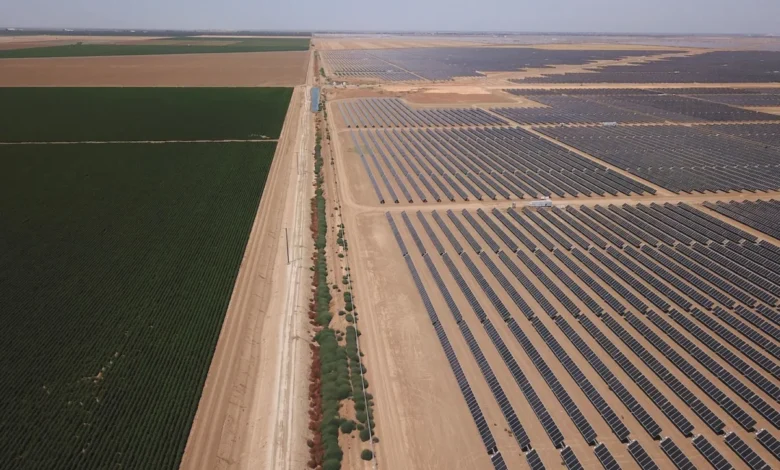
The global transition toward renewable energy has introduced an unexpected and complex dilemma for land use: the rapid expansion of utility-scale solar infrastructure is increasingly competing with the movement to preserve and expand regenerative agriculture. As landowners face mounting financial pressures and aging infrastructure, millions of acres of fertile soil are being transitioned away from food production and into energy generation. This intersection of two vital climate solutions—clean energy and sustainable farming—has created a high-stakes tug-of-war over how finite land resources should be managed in an era of environmental crisis.
The Genesis of Regenerative Agriculture
The modern push toward regenerative agriculture is rooted in the urgent need to reverse decades of soil degradation caused by conventional, chemical-dependent farming. Around 2011, Jonathan and Kaylyn Cobb embarked on an ambitious project on a few hundred acres of leased and family-owned farmland in central Texas. Moving away from traditional row crops of corn and cotton, the Cobbs sought to restore the heavy clay soil by planting a robust mix of native flora, including silver bluestem, yellow Indian grass, and Maximilian sunflowers.
Their approach mirrored the ecological principles of regenerative agriculture—a holistic set of practices designed to build healthy, carbon-capturing soil through techniques such as eliminating tilling, avoiding synthetic pesticides and monocropping, applying organic compost, and introducing livestock grazing to mimic wild herds. Proponents argued that if global commodity farmers could be incentivized to transition to these methods, agriculture could shift from being a major net contributor of greenhouse gases to a powerful carbon sink capable of sequestering atmospheric carbon and mitigating climate change.
However, the reality of implementing regenerative practices proved arduous. Transitioning required a steep learning curve, significant financial investments in specialized machinery, and overcoming deep-seated resistance from traditional landowners accustomed to conventional, tilled farming methods. Similar hurdles faced other sustainable agriculture advocates, such as Tamara Hicks in Petaluma, California, who purchased severely degraded acreage—complete with decades of chemical and physical pollution—with the intent of establishing a regenerative dairy and sheep farm. Rehabilitating the land demanded immense resources, time, and logistical support long before any crops could be successfully cultivated.
The Land-Use Dilemma: Renewable Energy Versus Food Security
While advocates fought to scale up regenerative farming, market forces began pulling acreage in an entirely different direction. Driven by federal and state mandates to decarbonize the energy grid, utility-scale solar developments surged across the United States. According to the U.S. Energy Information Administration (EIA), utility-scale solar capacity expanded dramatically between 2019 and 2020 alone. Meeting national and international climate targets requires vast tracts of land capable of hosting massive solar arrays.
This clean energy expansion, however, often directly targets flat, clear, and fertile agricultural land—the very same terrain most suitable for sustainable farming. Between 2001 and 2016, U.S. farmers converted approximately 11 million acres of agricultural land for non-agricultural development, according to data from the American Farmland Trust (AFT). When landowners are offered lucrative long-term leases by solar developers, signing on the dotted line often represents a far more financially secure path than enduring the high costs, risks, and complexities associated with regenerative farming.
For farmers like Jonathan Cobb, the trend presents an existential threat. While his family farm sought to preserve the land for food production and carbon sequestration, aging relatives on fixed incomes faced the temptation of leasing family parcels for solar installations. Eighty acres dedicated to solar generation might yield guaranteed fixed revenue for a landowner, but it simultaneously strips away vital grazing acreage, undermining the collective infrastructure of the local farming community.
International Innovations: Seeking Coexistence Through Agrivoltaics
Recognizing the friction between land-based climate solutions, several countries have begun pioneering policy frameworks designed to harmonize solar energy production with ongoing agricultural use—a concept known as agrivoltaics.
In Germany, legislation was introduced allowing agricultural land to be utilized for dual purposes, supporting farmers in incorporating solar panels across 15 percent of their fields. Although dual-use systems are initially more expensive than traditional ground-mounted solar arrays, German officials emphasized the critical necessity of maintaining domestic food security alongside renewable energy expansion.
Similarly, Japan has enforced regulations since 2013 requiring "solar sharing" on agricultural lands. These rules mandate that any commercial solar installation built on farmland must continue to accommodate active crop cultivation or livestock grazing beneath or around the structures.
In the United States, researchers are exploring similar hybrid models. Jordan Macknick, lead energy-water-land analyst at the National Renewable Energy Laboratory (NREL), has spearheaded the InSPIRE project, which investigates agrivoltaic applications across 25 locations nationwide. The research evaluates how elevated solar panels, increased spacing between rows, and strategic infrastructure planning can impact soil moisture, reduce erosion, and protect sensitive crops from extreme heat and drought.
Economic Hurdles and the Future of Agrivoltaics
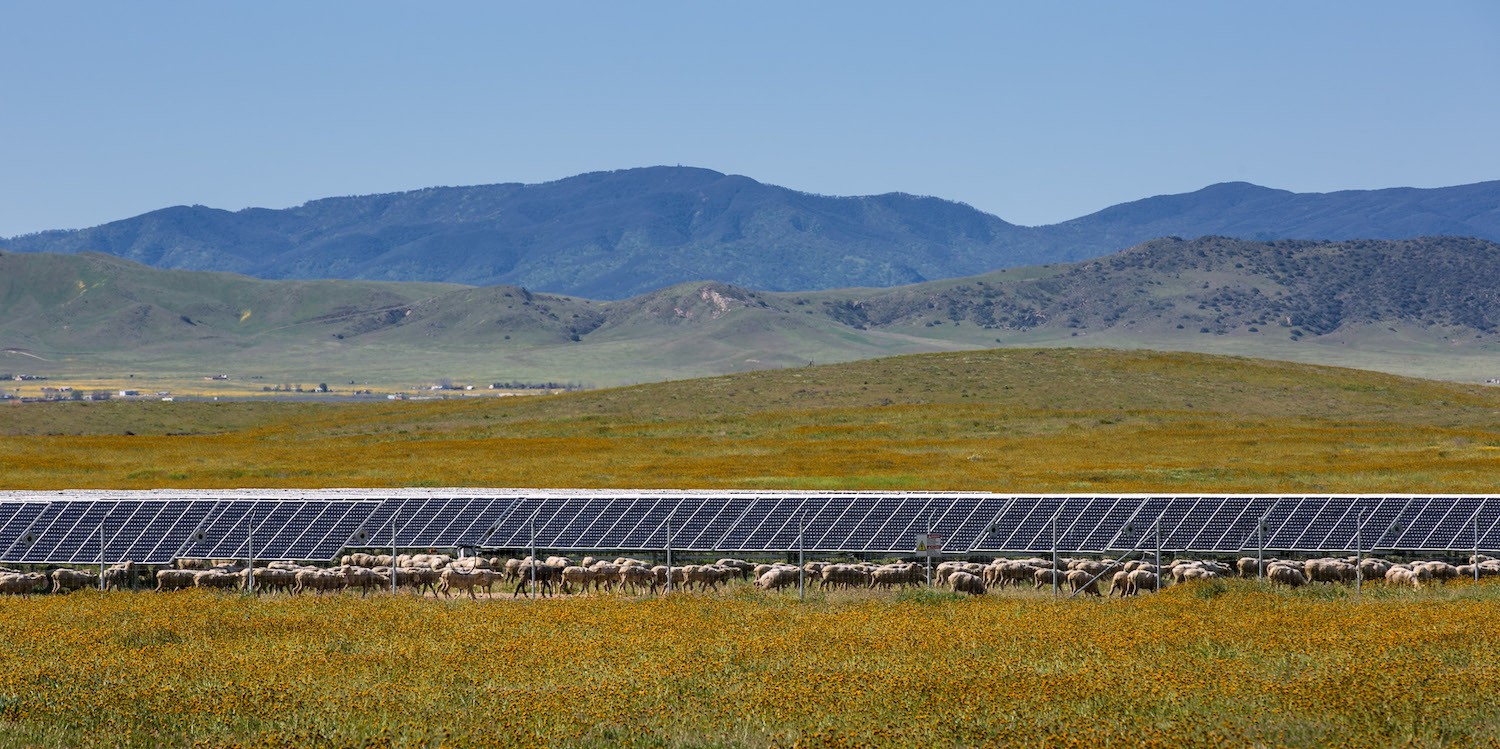
Despite promising pilot projects, scaling agrivoltaics presents formidable economic and structural obstacles. Raising solar panels high enough to accommodate large farm machinery or cattle requires significantly more structural steel, thereby escalating capital costs. Consequently, most domestic agrivoltaic applications have remained relatively basic, frequently relying on lower-slung livestock such as sheep to manage vegetation growth beneath standard solar arrays rather than facilitating industrial row-crop production.
Mitch Hunter, research director at the American Farmland Trust, notes that while farm-based solar holds immense potential, the industry remains in its infancy. Developing economically efficient, scalable models that benefit both energy production and agricultural resilience requires coordinated planning between solar developers and farmers from the earliest stages of project design.
Beyond technological adjustments, experts emphasize that systemic financial support is essential to keep farmers on the land. Conservation easements—such as those provided by the Marin Agricultural Land Trust (MALT) and the AFT—purchase development rights or offer tax incentives to permanently protect agricultural acreage from non-farm development. These financial mechanisms give farmers the capital necessary to invest in value-added infrastructure, such as on-site creameries or specialized seeding equipment, insulating them against the pressures of selling out to industrial developers.
Ultimately, analysts warn that the loss of agricultural land involves more than just a temporary pause in food production. When farmers are forced out of business by financial strain or land sales, generations of localized agricultural knowledge, community infrastructure, and supply chain networks are permanently eroded. As nations accelerate their transition toward a green economy, policymakers, energy developers, and agricultural communities must confront these trade-offs head-on to ensure that climate mitigation strategies do not inadvertently compromise long-term food security and land stewardship.