As the northern hemisphere transitions into the warmer months of spring and summer, culinary interest consistently shifts toward hydration strategies and the preparation of artisanal cold beverages. The domestic production of chilled drinks has emerged as a significant consumer trend, driven by a growing preference for natural ingredients, reduced sugar intake, and the exploration of global flavor profiles. This report examines ten specific beverage recipes—predominantly rooted in Colombian culinary traditions—that serve as both functional hydration tools and cultural markers.
The Rise of Artisanal Hydration
Market analysis indicates that consumers are increasingly moving away from mass-produced, carbonated, and high-fructose corn syrup-based soft drinks. Instead, there is a measurable uptick in the preparation of "aguas frescas," fruit-based infusions, and traditional grain-based drinks. The shift toward homemade refreshments is not merely a matter of health consciousness but is also a response to the rising costs of commercial premium beverages. By utilizing seasonal produce such as lulo, tamarind, and pineapple, households can achieve a higher nutrient density at a lower price point than retail alternatives.
A Chronological Overview of Colombian Beverage Traditions
The beverages listed below are not modern inventions but rather the result of centuries of refinement within Colombian society. The history of these drinks can be categorized into three distinct eras:
- The Pre-Columbian and Colonial Era (Indigenous and Iberian influence): Drinks such as those utilizing corn and oats (Avena) became foundational elements of the local diet. These were developed as sustenance as much as refreshment, providing high caloric value for agricultural laborers.
- The Mid-20th Century Expansion: With the rise of commercial refrigeration and industrial agriculture, fruit-based drinks like Lulada and various citrus-based limeades became staples of urban centers. This era saw the standardization of recipes that are now considered traditional.
- The Modern Culinary Revival (2000–Present): In the last two decades, there has been a global movement toward reclaiming traditional recipes. This period has seen the professionalization of home-recipe sharing, with platforms like My Colombian Recipes documenting these practices to preserve them for a global audience.
The Ten Signature Refreshments: A Technical Breakdown
The following list identifies ten core recipes that represent the diversity of Colombian refreshment culture:
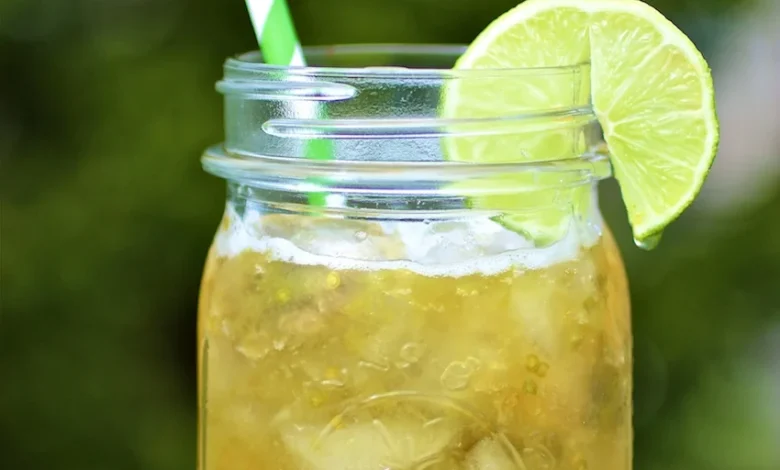
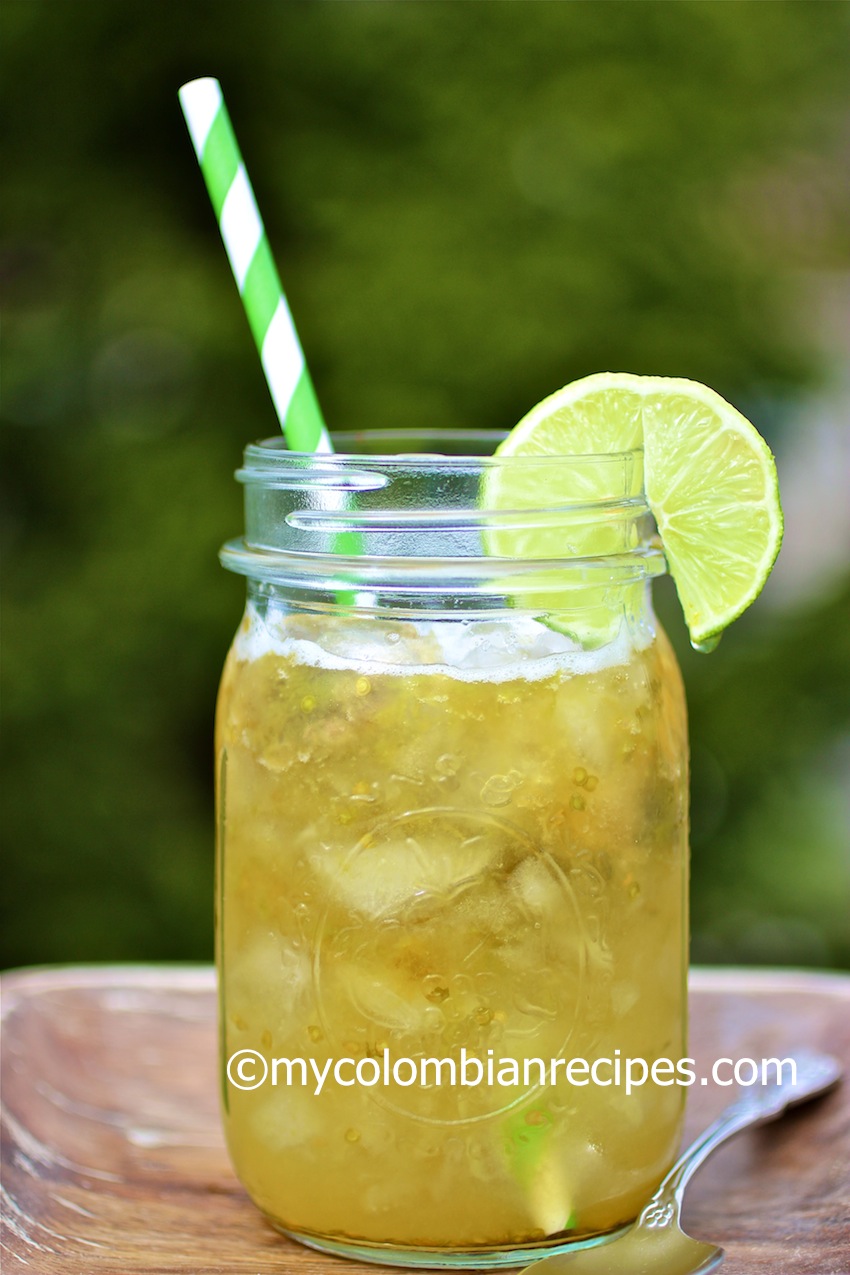
- Lulada (Colombian Lulo Drink): Derived from the Solanum quitoense fruit, this drink is unique because it is not blended into a juice, but rather crushed by hand to maintain a specific texture. It is a vital source of Vitamin C and A.
- Avena (Oatmeal Drink): A thick, comforting beverage often spiced with cinnamon and cloves. It functions as a breakfast replacement in many regions due to its high fiber and carbohydrate content.
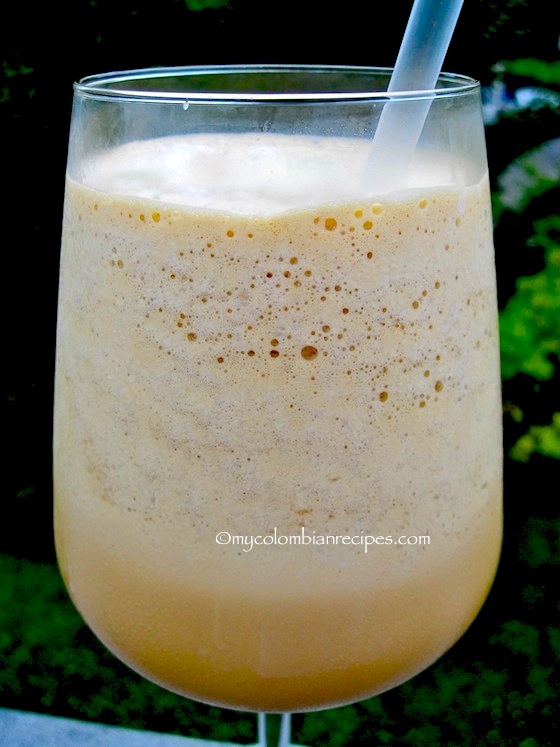
- Café Helado Hecho en Casa (Simple Homemade Ice Coffee): While coffee is globally ubiquitous, the Colombian method emphasizes the quality of the bean and the specific dilution process to ensure the acidity is balanced for cold consumption.
- Refajo Colombiano: A culturally significant mixture of beer and Colombiana (a local kola-flavored soda). It represents the fusion of commercial innovation and social tradition, typically served at communal gatherings.
- Limonada de Fresa (Strawberry Limeade): A modern variation of the classic limeade, incorporating macerated strawberries to provide a complex flavor profile that balances the acidity of the lime.
- Jugo de Sandia (Watermelon Juice): A classic electrolyte-replenishing drink, prized for its high water content, making it an ideal choice for high-temperature climates.
- Limonada de Coco (Coconut Limeade): A blend of fresh lime juice and coconut cream. This drink represents the coastal influence of Colombia, blending tropical fat profiles with sharp citrus.
- Jugo de Tamarindo (Tamarind Juice): Known for its digestive benefits, this drink requires the extraction of pulp from the tamarind pod. It is highly regarded for its distinct tartness.
- Maltedada de Coco y Piña: A specialized, kid-friendly blend that prioritizes texture and natural sweetness, often utilizing the pairing of coconut milk and pineapple enzymes.
- Jugo de Piña (Pineapple Juice): A standard yet essential beverage, valued for bromelain content and its ability to act as a natural digestive aid after heavy meals.
Nutritional and Economic Implications
From a public health perspective, the transition to these homemade drinks offers significant advantages. Commercial sodas frequently contain excessive amounts of added sugars, often exceeding the daily recommended intake in a single serving. Conversely, the drinks listed above allow for precise control over sugar levels.
Furthermore, from an economic standpoint, the "do-it-yourself" approach to beverages provides a hedge against inflation. For example, a single batch of Jugo de Piña or Avena can be produced for a fraction of the cost of store-bought equivalents, particularly when ingredients are purchased in bulk or during peak harvest seasons.
Broader Culinary Context and Future Outlook
These recipes exist within a broader framework of Colombian culinary traditions that include savory side dishes, festive appetizers, and ancestral soups. The popularity of these specific cold drinks is indicative of a broader trend: the digitization of culinary heritage. By disseminating these recipes through online platforms, traditional knowledge is protected from the homogenizing effects of global food chains.
Culinary experts note that the next phase of this trend will likely involve "fusion-hydration," where traditional Colombian techniques are applied to non-native fruits and ingredients found in other global regions. This indicates that while the base recipes remain rooted in history, they possess the flexibility to adapt to changing agricultural availability.
Conclusion and Practical Recommendations
The preparation of these ten beverages requires minimal equipment—typically a blender, a strainer, and basic glassware. However, the quality of the final product is heavily dependent on the freshness of the produce. For optimal results, it is recommended to:
- Prioritize seasonality: Using fruit at its peak ripeness eliminates the need for excessive added sugars.
- Filter appropriately: For drinks like Jugo de Tamarindo, the use of a fine-mesh strainer is critical for achieving the desired mouthfeel.
- Temperature management: The cooling process should be gradual. For coffee-based drinks, using coffee ice cubes prevents the "watering down" effect that often compromises the flavor profile of cold-brewed beverages.
As communities continue to prioritize health-conscious and budget-friendly dietary choices, these traditional recipes will likely continue to gain traction. They serve as a bridge between the convenience of modern living and the traditional values of preparation, community, and natural nutrition. Whether for a casual afternoon in the spring or a high-intensity summer event, these drinks offer a versatile solution for hydration needs.