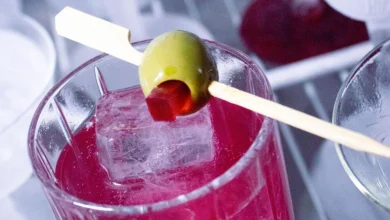
From an Appletini made with green Chartreuse and Suze to a frozen Pornstar Martini, here are six retro cocktails, revamped for the modern drinker.

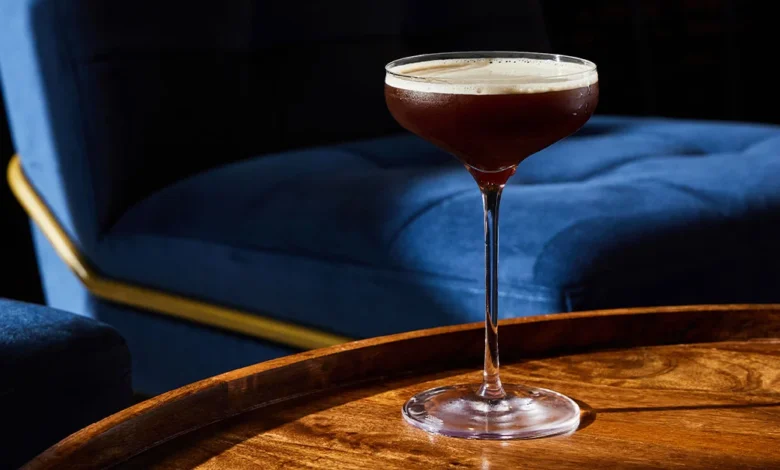
The cultural resurgence of the 1990s and early 2000s has not been limited to fashion and film; it has permeated the beverage industry, bringing a wave of "tini" cocktails back to the center of the cocktail bar experience. For years, these drinks were dismissed by purists as relics of the "Dark Ages" of mixology—an era defined by artificial colors, high-fructose corn syrup, and excessive sweetness. However, the unexpected, meteoric rise of the Espresso Martini served as a gateway, proving that with premium ingredients and refined techniques, these once-maligned classics could anchor the menus of the world’s most prestigious bars.
The Espresso Martini as a Catalyst for Change
The modern cocktail revival, which began in the early 2000s, initially sought to distance itself from the vodka-heavy, neon-hued drinks of the late 20th century. However, the Espresso Martini, originally concocted by British bartender Dick Bradsell in London during the 1980s, defied this trend. Initially called the "Vodka Espresso," the drink’s transition into a globally recognized staple solidified its status as a foundational piece of modern bar culture.
According to data from industry analytics firms, the Espresso Martini is consistently ranked among the top ten most ordered cocktails globally. Its success created a "halo effect" for other drinks ending in the suffix "-tini," emboldening bartenders to revisit and deconstruct recipes that had been relegated to the bottom shelves of cocktail history. Today, the modern interpretation of the drink has moved far beyond the basic recipe, with experimental variations such as coconut-water-washed cold brew or even polarizing, savory iterations incorporating Parmesan cheese, demonstrating a willingness by mixologists to push the boundaries of what a "tini" can be.

The French Martini: A Pioneer of the Fruit-Forward Movement
The French Martini occupies a significant place in the chronology of the modern bar. Debuting in 1996 at Keith McNally’s Pravda in New York City, the drink was championed by industry legend Dale DeGroff. It provided a sophisticated yet approachable alternative to the spirit-forward classics of the time. Combining vodka, black raspberry liqueur (Chambord), and pineapple juice, the French Martini was instrumental in the "cocktail-as-Martini" craze that dominated the late 1990s.
When it was introduced to the menu at the iconic Balthazar in 1997, it became a cultural shorthand for cosmopolitan dining. While it experienced a period of relative dormancy, the current market trend toward lower-ABV, fruit-forward, and visually vibrant cocktails has brought the French Martini back to prominence. Contemporary riffs, such as the "Riad Star," demonstrate how the original template can be adapted with heat or botanical complexity to suit the more sophisticated palates of today’s drinkers.

The Pornstar Martini: A Global Phenomenon
Perhaps the most notable evolution in the world of retro cocktails is the Pornstar Martini. Created in 2003 by the late Douglas Ankrah at the London bar Townhouse, the drink is characterized by its tropical profile, passion fruit base, and signature sidecar of chilled Champagne.
The reach of this cocktail is quantifiable: in 2021, an analysis of over 100 million global Google searches identified the Pornstar Martini as the most searched-for cocktail in the world, eclipsing even the Piña Colada. Its popularity has transcended the bar, becoming a staple of pop culture. The implications of this popularity are evident in how the drink is now being reimagined. From frozen slushy formats and sparkling iterations to avant-garde pairings like "caviar bumps," the Pornstar Martini has become a canvas for creative expression, proving that a drink once labeled "tacky" can maintain mass appeal while undergoing high-end refinement.

The Lychee Martini and the Evolution of Asian Fusion
The history of the Lychee Martini is inextricably linked to the rise of "Asian fusion" dining in the 1990s. At the time, it was a ubiquitous presence in restaurants across the United States. However, the drink suffered from a reputation built on the use of low-quality, canned juice and mass-market vodkas, leading to a rapid decline in its culinary prestige.
Critics have noted that the drink’s downfall was as much about its presentation as it was about its ingredients, with many viewing it as a symbol of the era’s lack of care for cocktail craft. The current revival is marked by a complete overhaul of the original concept. Modern mixologists have swapped the generic canned juices for fresh fruit purees, premium craft gins, and complex modifiers like jasmine-infused syrups or even savory elements like fish sauce. This shift reflects a broader trend in the industry: the reclamation of convenience-store ingredients through the lens of high-end culinary technique.

The Appletini: From High-Fructose to High-Concept
The Appletini, once the quintessential drink of the 1990s "Tigris and Euphrates" of cocktail culture—the bars of West Hollywood—has perhaps undergone the most dramatic transformation. Historically defined by its electric green hue and reliance on artificial apple schnapps, it was a drink that prioritized spectacle over nuance.
The modern Appletini, however, is a far cry from its ancestor. Contemporary versions often utilize high-end cider eau de vie or clarified apple juices to achieve a refined, crisp profile. The move toward "clarification"—a process that removes solids from liquids to create a crystal-clear, texturally complex drink—has saved the Appletini from its past, transforming it into a drink that commands respect on a serious cocktail menu. The success of these versions illustrates the impact of the "modernization" movement, where the aesthetic of a drink is preserved while its fundamental composition is entirely rewritten.

The Bikini Martini: An Ode to Bartending History
The Bikini Martini serves as an interesting case study in how nostalgic ingredients can be repurposed. Originally a product of the late-90s obsession with artificially flavored coconut rums, the drink was once viewed as a guilty pleasure. However, professionals like Peter Canny have successfully reintroduced the concept at modern establishments like Madeline’s Martini.
By utilizing fat-washed coconut rum, house-made grenadine, and freshly squeezed pineapple juice, the modern Bikini Martini balances the original’s tropical sweetness with a more rounded, sophisticated texture. This approach validates the "retro" movement as more than just a passing fad; it is a calculated effort by the industry to honor the history of bartending while improving upon the execution of the past.

Broader Implications for the Industry
The resurgence of these six cocktails suggests a fundamental shift in how the industry approaches the concept of a "classic." Traditionally, the canon of classic cocktails was limited to spirit-forward drinks like the Martini, Manhattan, or Negroni. The current appetite for "tini" revivals indicates that the industry is expanding its definition of value.
Data suggests that younger demographics, who were not present for the initial rise of these drinks in the 1990s, perceive them with a sense of irony and playfulness that was absent during their original inception. This has allowed for a "gamification" of the bar experience, where customers are encouraged to try "elevated" versions of drinks their parents might have ordered.

From an economic perspective, the standardizing of these drinks across global menus provides a sense of comfort and familiarity to consumers, which is essential for hospitality businesses in a volatile market. As the industry continues to refine these recipes, the line between "kitsch" and "classic" continues to blur. Whether through the addition of premium modifiers, innovative techniques like fat-washing, or simply the return to fresh, high-quality ingredients, these retro cocktails have proven that they are not merely survivors of the past, but active participants in the future of mixology. The "tini" era, it seems, has only just begun.