How Meal-Prep Trend and Freezer Stash Solutions Are Transforming Weeknight Dinners in Autumn

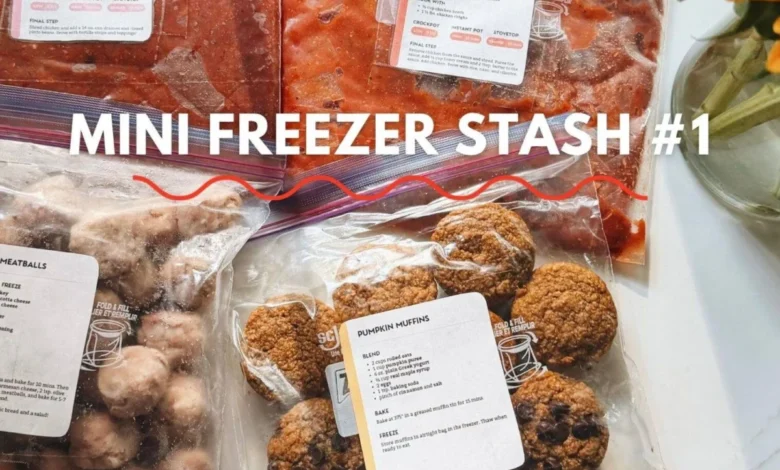
The modern culinary landscape is witnessing a significant shift toward proactive meal management, with home cooks increasingly turning to batch cooking and freezer stashing to navigate the complexities of busy autumn schedules. As households transition into the demanding fall season—marked by the return of school routines, extracurricular activities, and packed evening calendars—the demand for efficient, time-saving meal solutions has reached unprecedented levels. Recent culinary trends highlight a growing reliance on structured freezer meal programs that combine nutritional wholesomeness with preparation convenience, offering a strategic approach to domestic time management.
Background and Context of the Autumn Meal-Prep Movement
The practice of freezer-stashing is far from novel, yet its resurgence in contemporary households reflects broader economic and social shifts. With grocery prices fluctuating and schedules becoming increasingly fragmented, consumers are seeking ways to optimize both their time and food budgets. Preparing meals in advance minimizes food waste, reduces reliance on costly and often less nutritious takeout options, and alleviates the daily psychological burden of the perennial question: "What’s for dinner?"
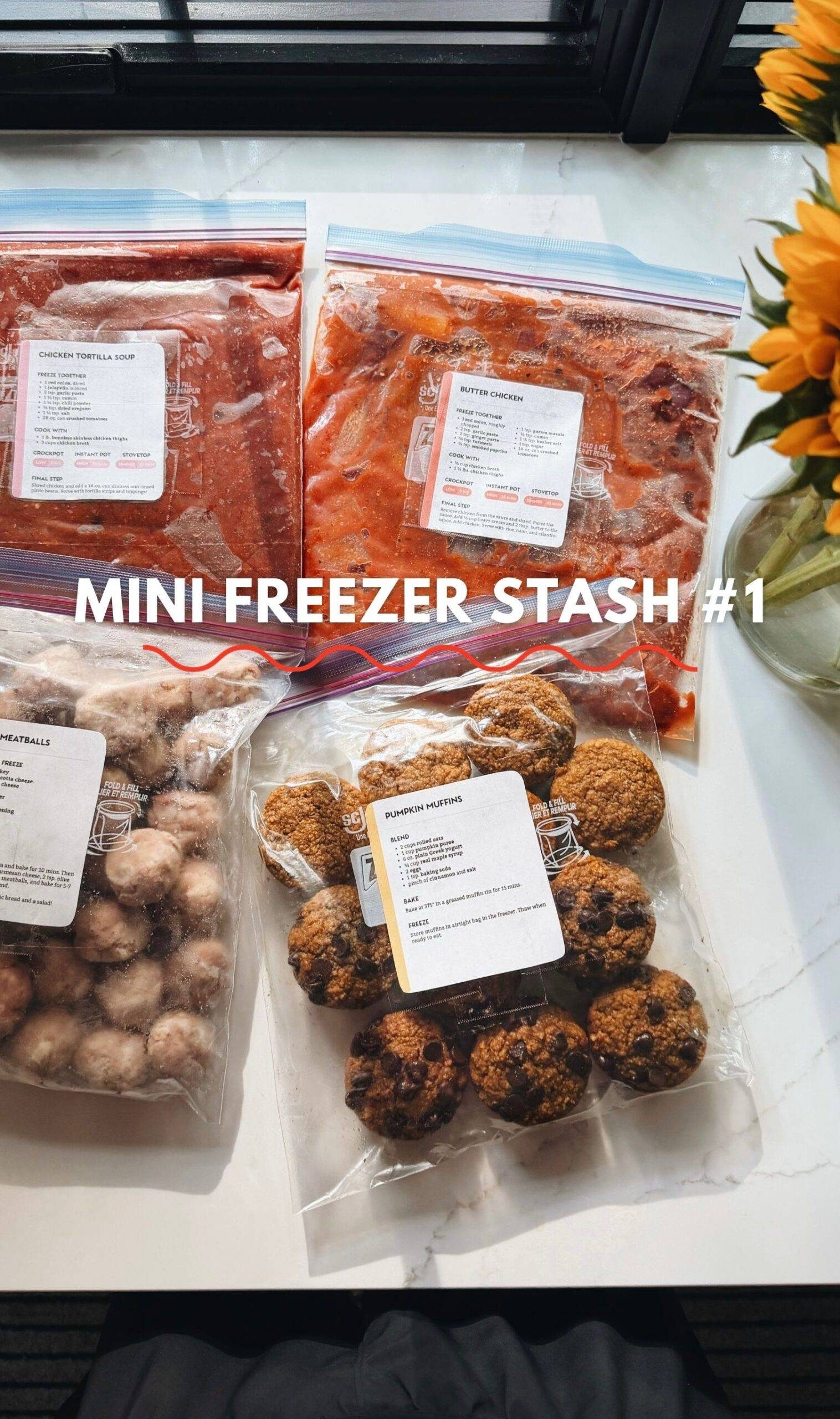
Culinary experts and lifestyle strategists note that autumn serves as a psychological reset for many families. The drop in temperature naturally invites heartier, comfort-driven dishes, which happen to translate exceptionally well to freezing and reheating. Programs that curate specific seasonal menus—such as those featuring pumpkin, rich curries, and comforting soups—allow home cooks to capitalize on seasonal produce and flavor profiles while maintaining maximum efficiency.
Chronology and Implementation of the Mini Freezer Stash Concept
The implementation of a successful freezer stash typically follows a structured timeline designed to maximize kitchen efficiency without inducing fatigue. Culinary strategists recommend breaking the process down into manageable phases rather than dedicating an entire weekend to marathon cooking sessions.
Phase 1: Menu Selection and Sourcing (Weekend Prior)
Home cooks select a curated set of recipes tailored to the upcoming month’s schedule. For the autumn transition, popular selections include high-yield baked goods for morning routines, slow-cooker favorites for busy weeknights, and versatile protein dishes that pair easily with staple grains. Ingredient shopping is conducted with a focus on bulk purchasing and multi-recipe utilization to streamline the process.
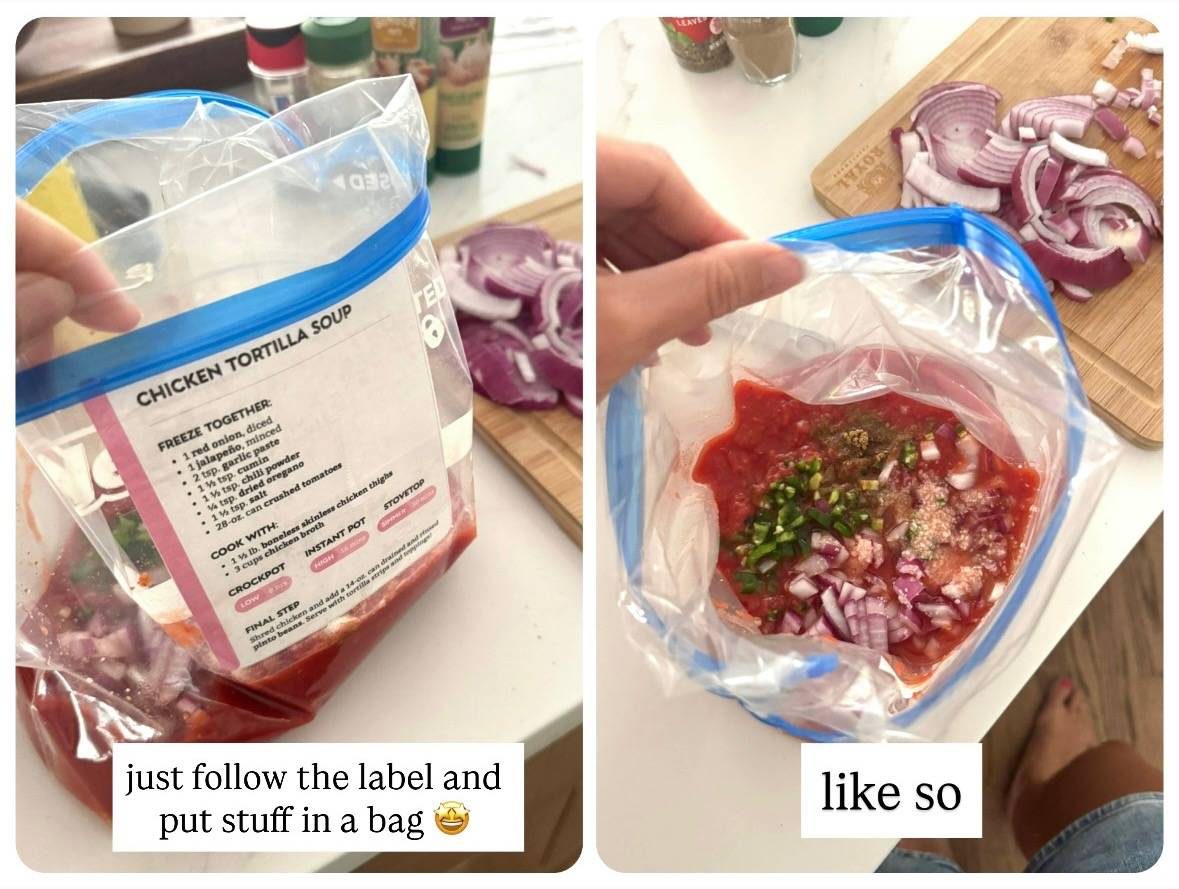
Phase 2: Assembly and Freezing (The Prep Day)
Unlike traditional cooking, where dishes are prepared fully and then frozen, modern freezer stashing often relies on the "dump-and-freeze" method or component preparation. Ingredients are combined raw in heavy-duty freezer bags or airtight containers. This method ensures that when the food is eventually cooked—whether via a slow cooker, pressure cooker, or oven—it retains the texture and fresh taste of a newly prepared meal, avoiding the overcooked quality that can plague pre-cooked frozen dishes.
Phase 3: Deployment and Execution (The Busy Weeknight)
Throughout the month, meals are transferred from the freezer to the cooking apparatus with minimal active kitchen time. For instance, slow-cooker recipes are typically loaded into the appliance either frozen or thawed overnight, cooking unattended over eight hours to provide a ready-to-eat dinner immediately upon the household’s return from evening activities.
Detailed Overview of Seasonal Menu Offerings
The current model of autumn freezer stashing emphasizes a balance between comforting flavors and nutritional density. Four distinct categories of dishes dominate this seasonal shift:
-
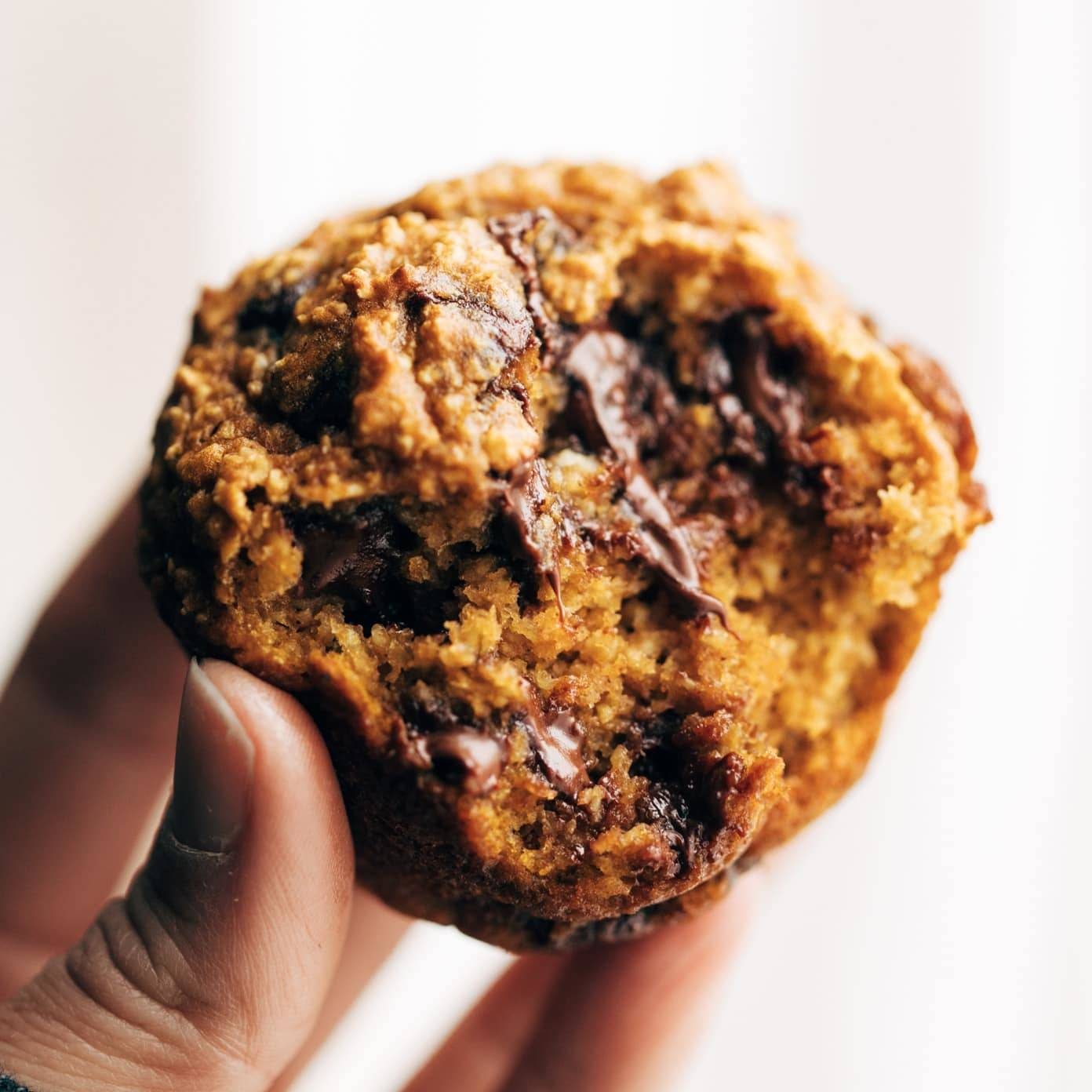
Nutrient-Dense Morning Baked Goods
Autumn baking often centers on seasonal ingredients like pumpkin, which provides moisture and nutritional benefits including beta-carotene and fiber. Batches yielding 16 to 18 muffins can be mixed, portioned, and baked at 375 degrees Fahrenheit for approximately 15 to 17 minutes. Once cooled, these items are stored in airtight containers for quick microwave reheating—typically requiring 45 to 60 seconds—providing a wholesome breakfast or lunchbox addition for families on the go. -
Complex-Flavor Proteins
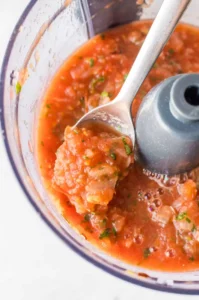
Dishes such as butter chicken offer complex flavor profiles that develop further during the freezing and slow-cooking process. Prepared using either chicken thighs or meatballs, the ingredients are frozen together and can be adapted for various cooking methods: eight hours on low in a slow cooker, 16 minutes on high in an electric pressure cooker, or a 30-minute stovetop simmer. Final touches—such as shredding the chicken, pureeing the sauce with an immersion blender, and incorporating heavy cream and butter before serving with rice and naan—elevate a simple frozen meal to restaurant quality. -
Hearty Comfort Soups
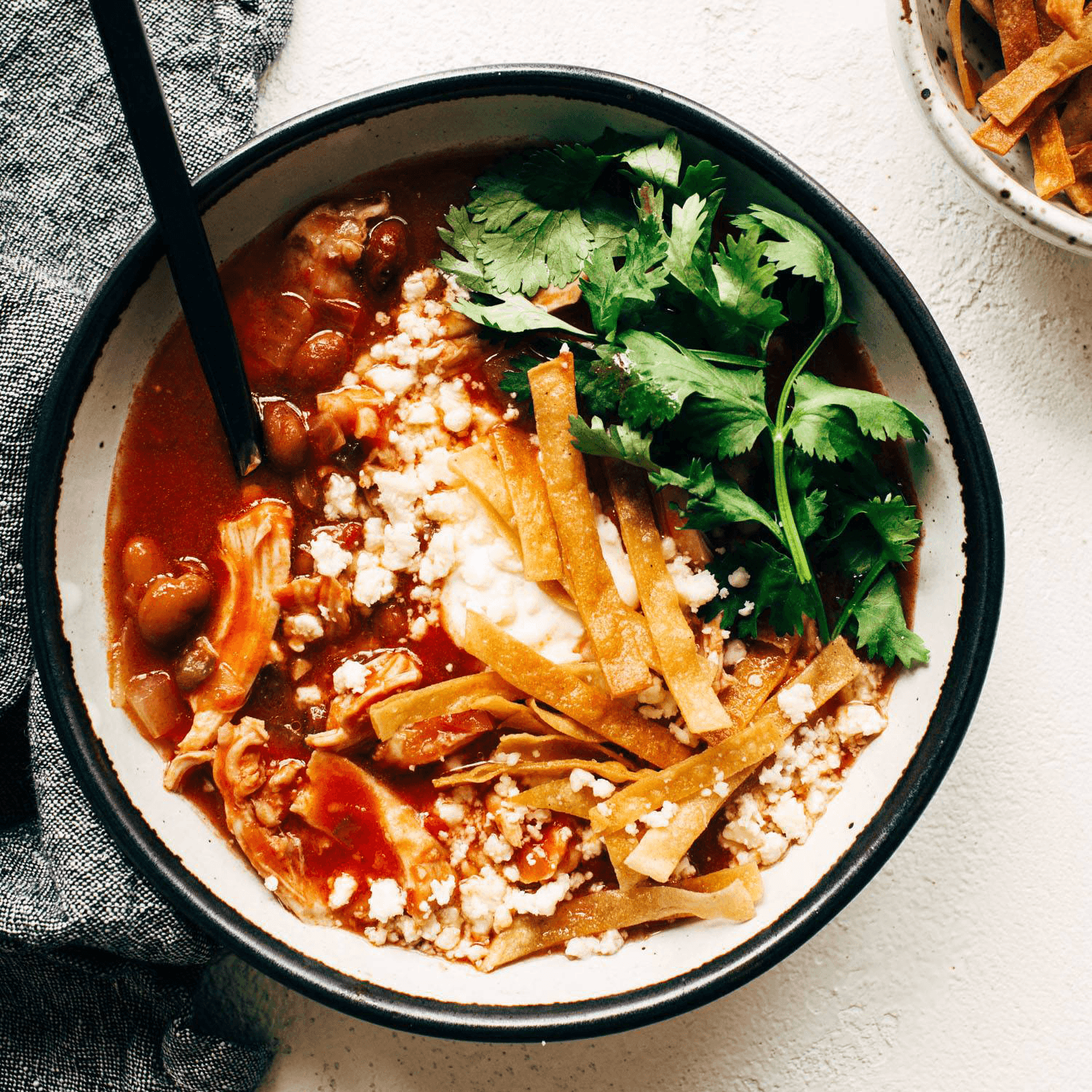
Soups represent a cornerstone of cold-weather meal planning. Chicken tortilla soup recipes, designed to serve six, combine foundational proteins, broths, and aromatics in a single freezer vessel. Following the primary cooking phase (via slow cooker, pressure cooker, or stovetop), ingredients like drained and rinsed pinto beans are integrated, and the dish is garnished with tortilla strips, lime wedges, and sour cream. This approach ensures textures remain distinct rather than mushy. -
Skill-Based Entrées with Fresh Elements
Meatball dishes utilizing ricotta cheese showcase the versatility of freezer prep. By mixing, rolling, and freezing the meatballs on parchment-lined pans before dividing them into storage bags, home cooks maintain portion control. Upon cooking, the meatballs are baked at 400 degrees Fahrenheit for 30 minutes, combined with marinara sauce for an additional ten minutes of warming, and finished with a crispy panko, parmesan, and herb topping activated under the broiler. This multi-step process balances the convenience of freezer storage with the sensory appeal of a freshly baked, artisanal meal.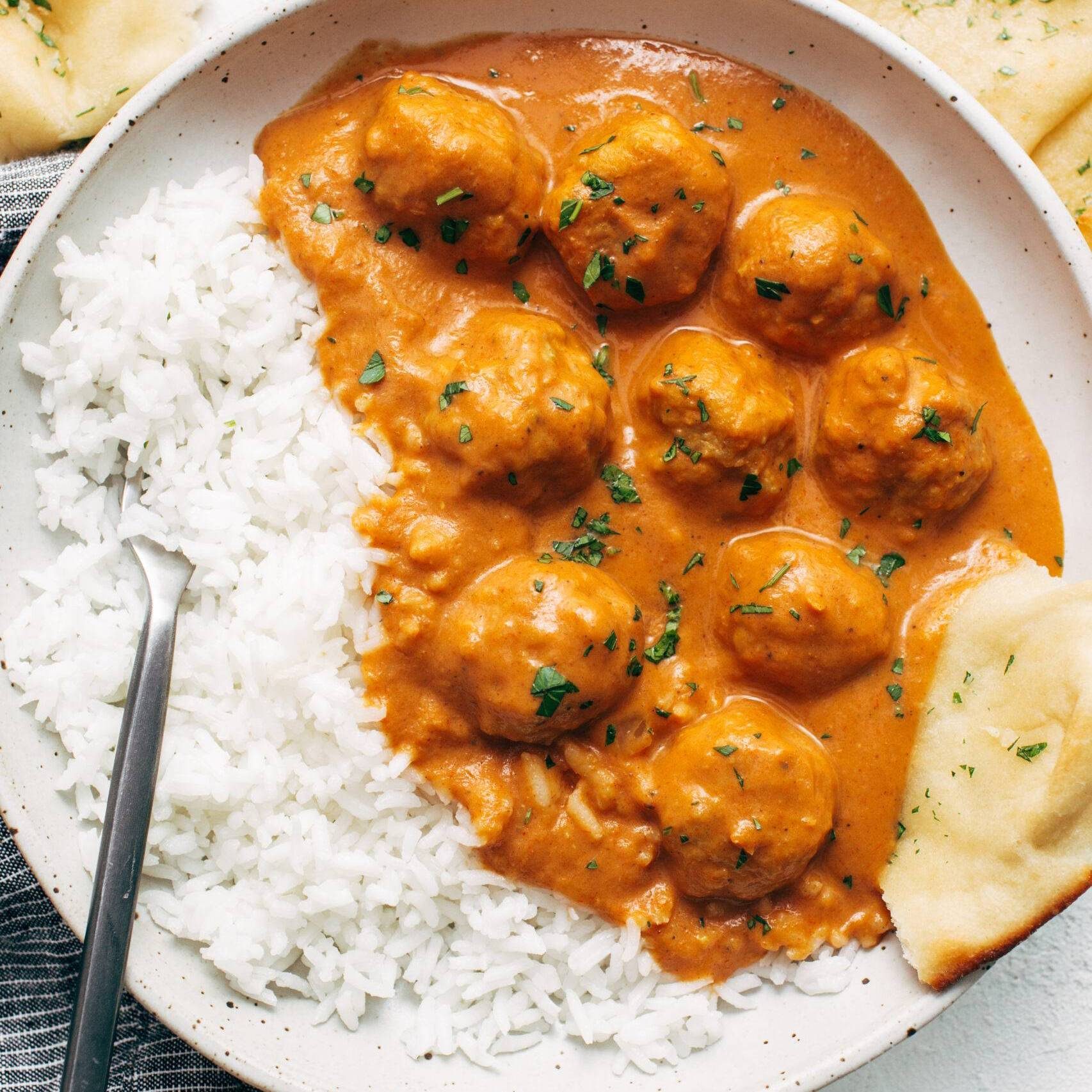
Statements and Industry Reactions
Culinary educators and productivity experts have praised the structured approach to batch cooking, noting its psychological and organizational benefits. "When individuals have reliable meals pre-arranged for high-stress days, decision fatigue drops significantly," observes Dr. Elena Vance, a behavioral nutritionist specializing in domestic routines. "It shifts the evening dynamic from a scramble of resource management to a calm, predictable transition."
Furthermore, financial analysts tracking consumer goods note an uptick in the sales of storage solutions, slow cookers, and vacuum-sealing equipment, correlating directly with the popularity of home-based meal-prep initiatives. The economic viability of cooking from scratch, even when utilizing premium ingredients, continues to attract households seeking relief from inflation-driven dining-out costs.
Broader Impact and Implications for Modern Households
The widespread adoption of systematic freezer stashing extends beyond mere kitchen convenience, signaling a cultural re-evaluation of home economics. As work-life integration remains a persistent challenge for modern families, reclaiming evening hours through strategic weekend or evening prep offers a tangible mechanism for reducing stress.
Moreover, the emphasis on whole ingredients and balanced macronutrients in these curated freezer plans supports public health objectives. By replacing processed convenience foods with homemade alternatives—even those preserved via freezing—families increase their intake of essential nutrients while reducing sodium and preservative consumption.
As culinary platforms continue to expand their offerings of structured meal plans and standardized recipe cards, the freezer stash is evolving from an ad-hoc storage method into a sophisticated, intentional lifestyle strategy. This movement demonstrates that with minimal upfront organization, the modern kitchen can successfully bridge the gap between fast-paced contemporary life and wholesome, home-cooked traditions.