As the autumn season sets in and households transition into busier schedules marked by school years, professional commitments, and shifting daylight hours, home-cooked meal preparation has increasingly become a logistical challenge for modern families. In response to these seasonal time constraints, a growing movement toward strategic meal planning and batch-cooking has captured the attention of culinary communities and busy parents alike. A prominent food lifestyle platform has introduced its latest curated initiative, the October Fall Freezer Meal collection, offering a systematic approach to household food management that minimizes weekday stress while maximizing nutritional value and comfort-food appeal.
Background Context of the Meal-Prep Movement
The practice of freezer-meal assembly—often referred to in lifestyle economics as "batch prep" or "forward cooking"—has evolved significantly from traditional casserole freezing of the mid-20th century. Modern meal-prep strategies focus on raw-ingredient assembly, where proteins, vegetables, and complementary sauces are combined in vacuum-sealed or heavy-duty freezer bags and frozen prior to cooking. This method preserves the freshness and texture of the ingredients while drastically reducing the time spent on daily grocery shopping, chopping, and recipe ideation.
Nutritionists and home economics experts have noted that structured meal prep serves multiple functions beyond mere convenience. Studies on domestic labor distribution indicate that food planning significantly reduces household food waste, lowers overall grocery expenditures by curbing impulse buying, and decreases reliance on commercially processed convenience foods or restaurant delivery services. By dedicating a single hour each month to assemble foundational ingredients, households can establish a predictable dietary routine without sacrificing the quality of home-cooked dinners.
Chronology and Implementation Strategy
The October Fall Freezer Meal protocol is designed around a streamlined, step-by-step workflow that standardizes the preparation phase for maximum efficiency. The process begins with a consolidated grocery procurement phase, facilitated by standardized shopping lists that itemize exact quantities required for the month’s rotation.
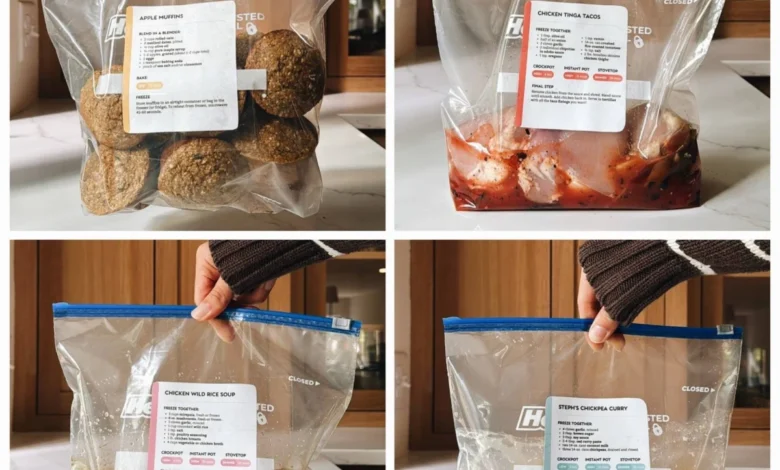
Once ingredients are acquired, the assembly phase involves portioning fresh produce, measured spices, and raw or pre-cooked proteins directly into freezer-safe containers or bags. According to the platform’s methodology, attaching printable recipe cards and physical bag labels directly to the storage units eliminates the need for digital device interaction during the final cooking stages, streamlining kitchen operations.

The accompanying recipes are engineered for culinary versatility, accommodating three distinct kitchen appliances: traditional slow cookers (Crockpots), pressure cookers (Instant Pots), and standard stovetops. This multi-method adaptability ensures that participants can execute the meals regardless of their available kitchen hardware or scheduling constraints, allowing dishes to transition seamlessly from a thawed or entirely frozen state to a finished dinner.
Detailed Breakdown of the October Menu Offerings
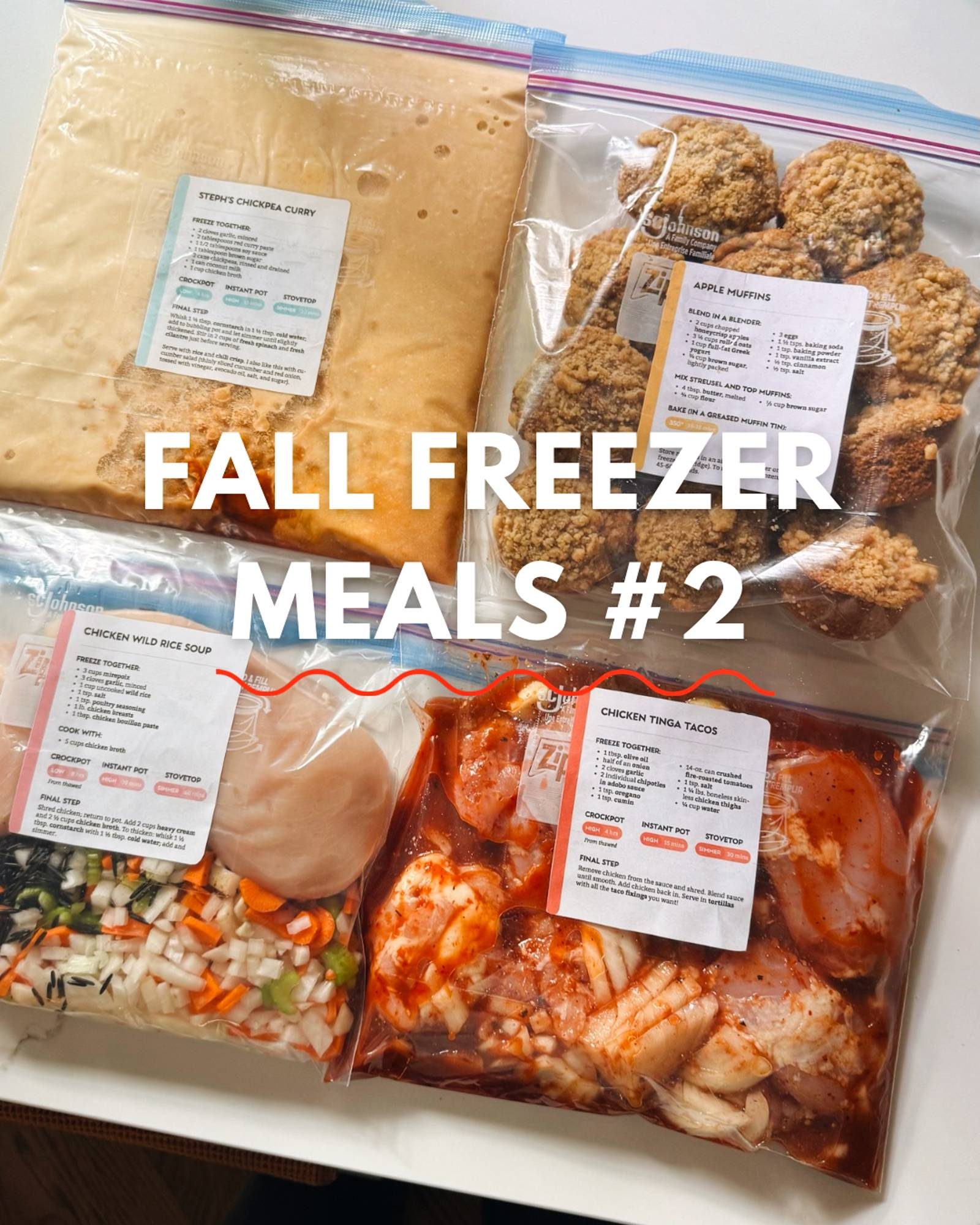
The October collection features four distinct recipes tailored to autumn flavor profiles, balancing hearty comfort foods with accessible preparation requirements.
Apple Streusel Muffins
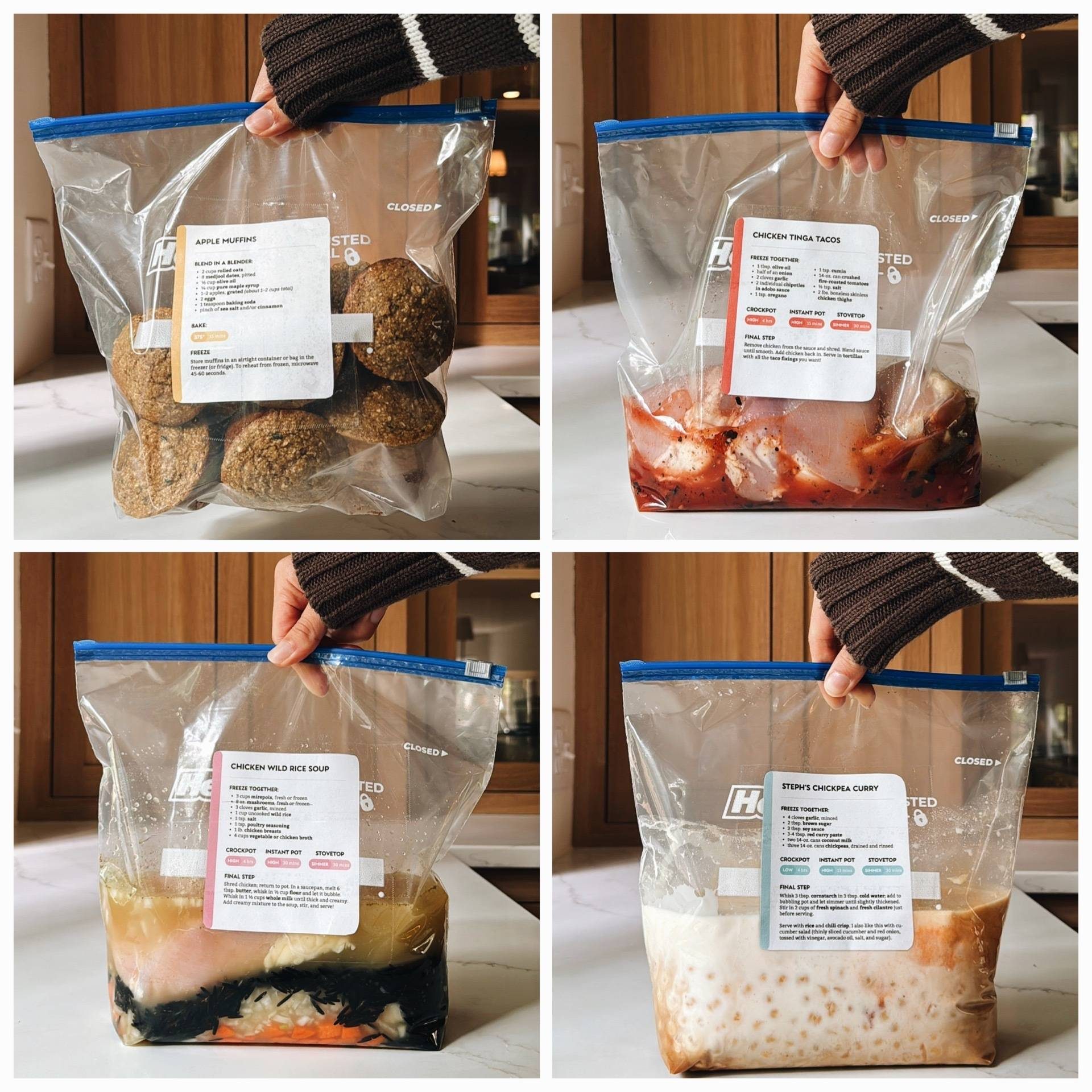
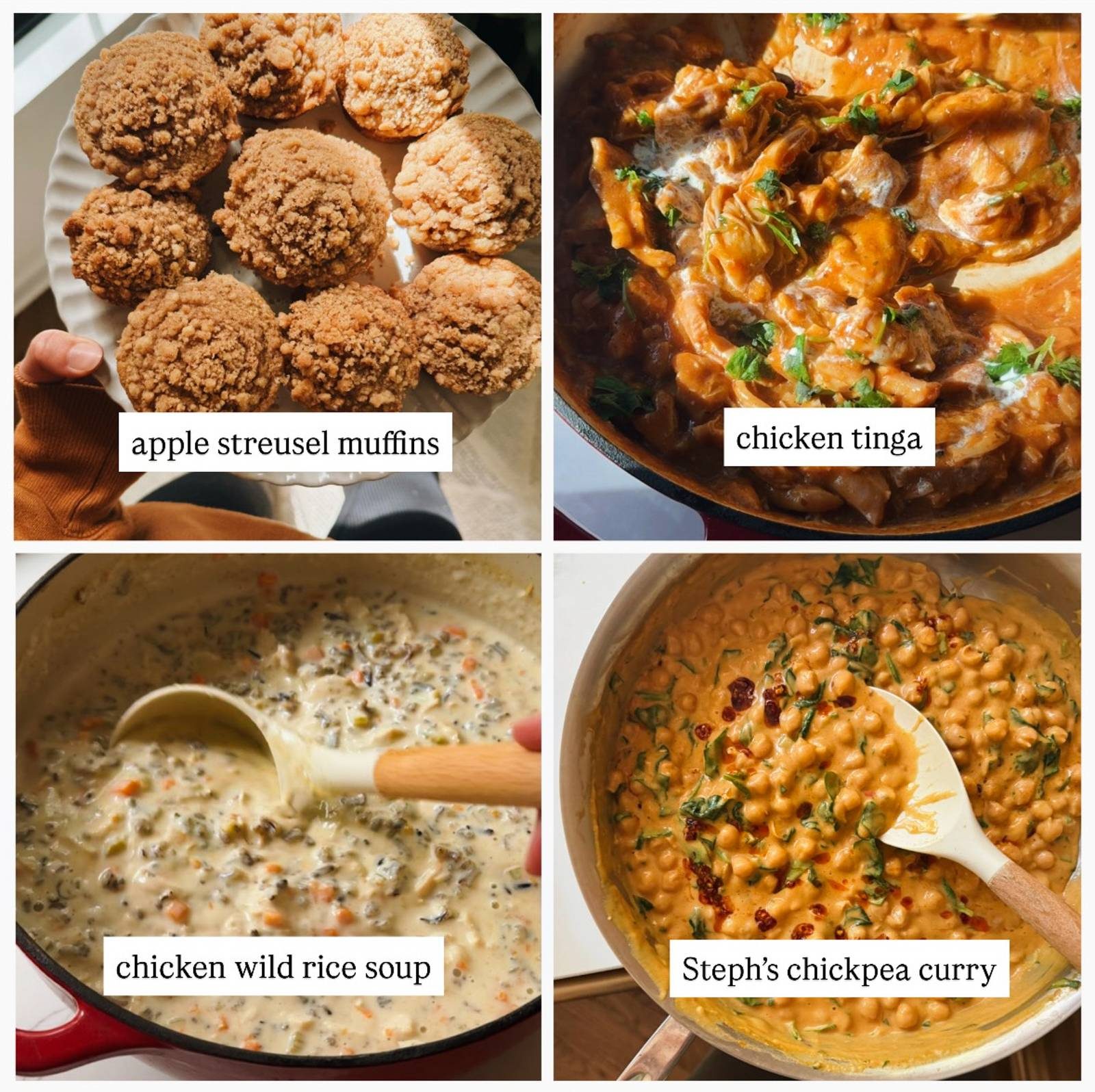
Yielding between 16 and 18 individual servings, the Apple Streusel Muffins serve as a versatile breakfast or snack option designed for rapid retrieval. The preparation involves blending base components in a standard blender, followed by the creation of a crumb topping composed of melted butter, brown sugar, and flour. Once baked or frozen in airtight containers, the muffins can be rapidly reheated via microwave within 45 to 60 seconds, providing a nutrient-dense morning meal with minimal morning labor.
Chicken Tinga Tacos
Designed to yield four servings, the Chicken Tinga Tacos utilize a flavor-forward, smoky tomato and chipotle-based sauce combined with poultry. The ingredients are frozen together raw, permitting flexible thermal processing: high heat in a slow cooker for four hours from a thawed state, 15 minutes under high pressure in an Instant Pot from frozen, or a 30-minute simmer on the stovetop. Upon completion, the cooked chicken is shredded, the sauce is emulsified via blending for optimal consistency, and the mixture is served within standard tortillas alongside traditional taco garnishes.
Chicken Wild Rice Soup
Formulated to accommodate larger households or meal-sharing occasions, the Chicken Wild Rice Soup yields approximately 10 servings. The core components are sealed and frozen together, requiring the addition of five cups of chicken broth prior to the cooking cycle. Depending on the chosen appliance, the soup requires eight hours on a low slow-cooker setting from thawed, 30 minutes in an Instant Pot from frozen, or a 60-minute stovetop simmer. Finishing steps include shredding the poultry, enriching the broth with heavy cream and additional broth, and thickening the base using a cornstarch and cold water slurry.
Steph’s Chickpea Curry
Offering a plant-based alternative suited for four servings, Steph’s Chickpea Curry combines protein-rich legumes with aromatic spices and a creamy base. Thermal processing options range from a four-hour low-heat slow-cooker cycle from frozen to a rapid 13-minute high-pressure cycle in an Instant Pot, or a 20-minute stovetop simmer. The dish is finalized by thickening the sauce with a cornstarch slurry, folding in fresh spinach and cilantro immediately prior to service, and pairing the curry with steamed rice, chili crisp, and a complementary cucumber and red onion vinegar salad.
Statements and Industry Reactions
Culinary experts and home management advocates have praised structured monthly batch-cooking systems for their psychological and practical benefits. Family psychologists note that predictable evening routines—such as sharing a reliably prepared home-cooked meal—contribute positively to household stability and communication. Furthermore, financial advisors highlight that structured grocery purchasing mitigates the inflationary pressures frequently observed in retail food markets, allowing families to maintain budgetary control over their monthly food consumption.
Broader Economic and Household Implications
The widespread adoption of freezer-meal systems reflects broader shifts in contemporary consumer behavior, where time scarcity drives innovation in domestic efficiency. As urban and suburban families face increasingly demanding work and educational schedules, the boundary between professional food service and home preparation continues to blur through the integration of make-ahead strategies.
By decentralizing the labor of cooking from the exact moment of consumption, platforms promoting initiatives like the October Fall Freezer Meal collection empower consumers to reclaim control over their nutritional intake and household economics. The integration of multi-cooker compatibility, comprehensive grocery lists, and standardized labeling systems exemplifies how modern kitchen management has transitioned into an organized, data-driven practice designed to reduce domestic friction and enhance overall quality of life.