The British culinary tradition has long celebrated the pairing of rhubarb and custard, a combination that balances the sharp, acidic bite of seasonal stalks with the velvety, soothing nature of dairy-based desserts. In recent years, professional pastry chefs and home bakers have increasingly turned their attention to the rhubarb cheesecake, a sophisticated iteration that utilizes the inherent properties of cream cheese—which functions effectively as a structural custard—to elevate this classic flavor profile. This dessert has moved from niche regional menus to becoming a staple of contemporary baking, characterized by a dual-application technique that incorporates rhubarb both as a folded-in compote and as an aesthetic, roasted topping.
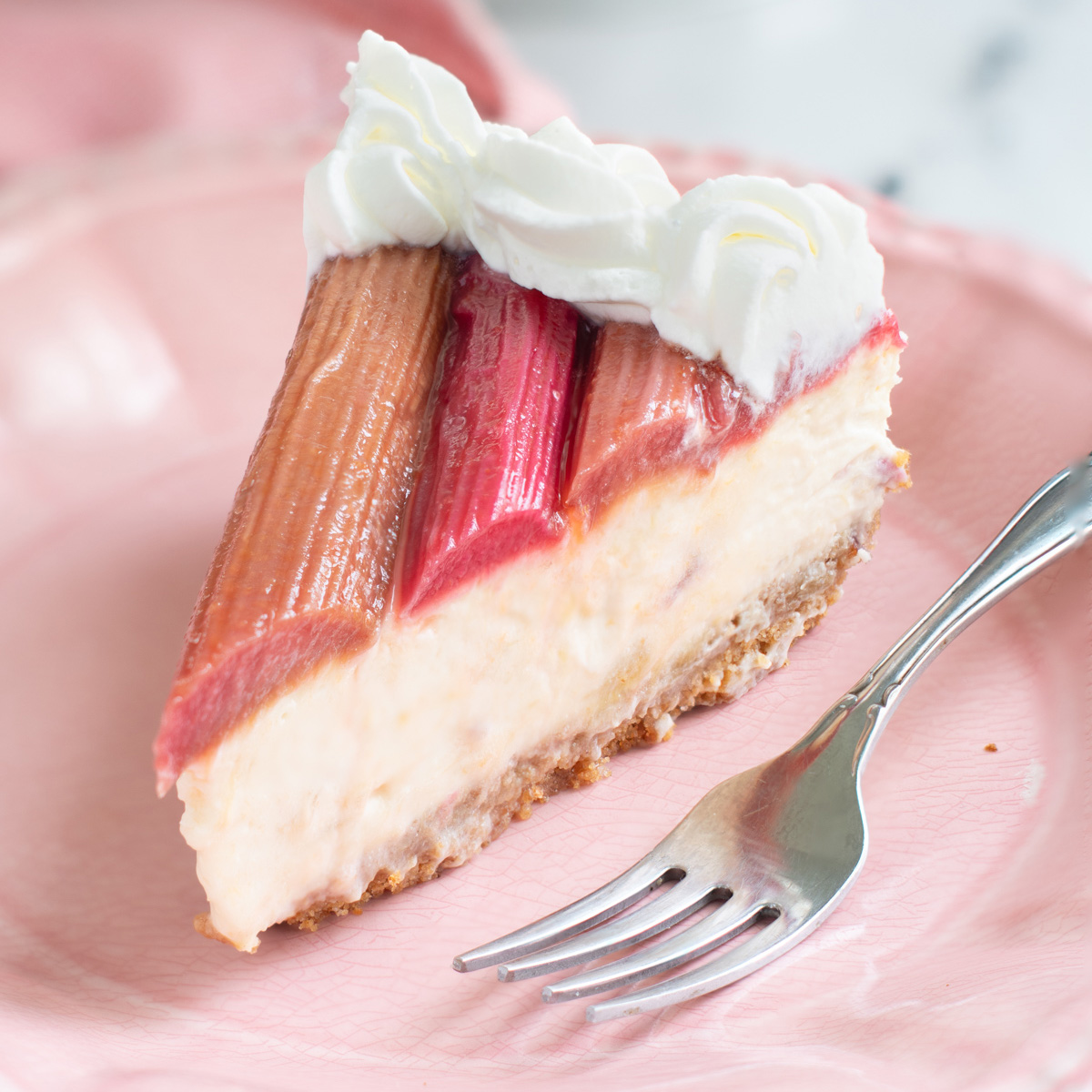
Historical Context and Flavor Profile
Rhubarb, botanically known as Rheum rhabarbarum, has been a fixture in British gardens since the 17th century, though its culinary explosion occurred primarily during the Victorian era. Its high concentration of malic and oxalic acids gives it a unique, tart character that requires significant sweetening to become palatable. When paired with the dense, high-fat content of a cheesecake—typically composed of cream cheese, eggs, and sugar—the acidity of the rhubarb acts as a necessary palate cleanser.
The transition from a simple "rhubarb and custard" bowl to a structured cheesecake requires careful chemical balancing. Because raw rhubarb has a high water content, it can compromise the structural integrity of a cheesecake batter. Culinary experts note that the preparation must involve either reduction or roasting to concentrate the flavors and evaporate excess moisture. The modern "rhubarb cheesecake" methodology, which involves creating a compote for the batter and a roasted component for the finish, is an adaptation that addresses these physical constraints while maximizing flavor dispersion.
Technical Methodology: The Two-Stage Preparation
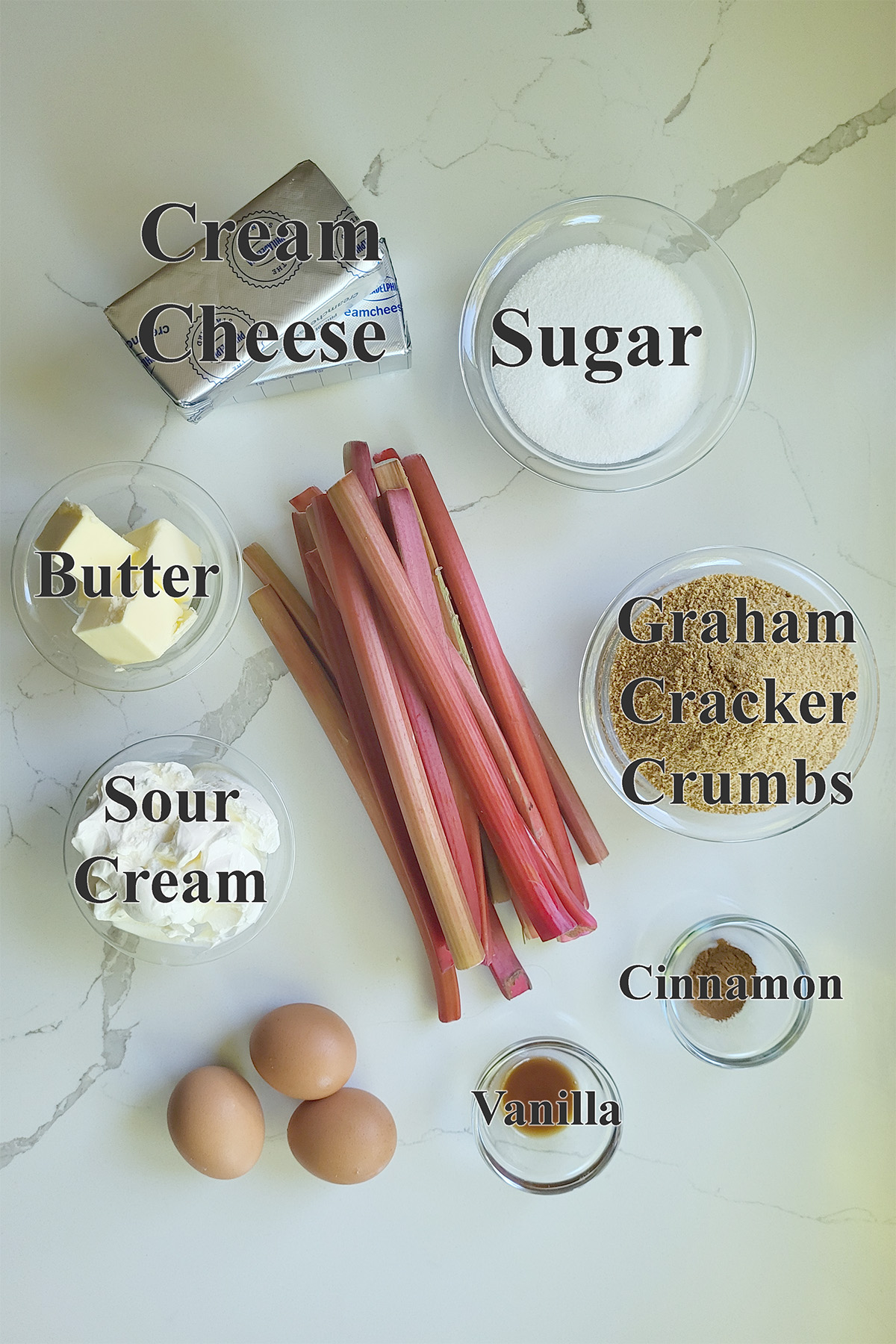
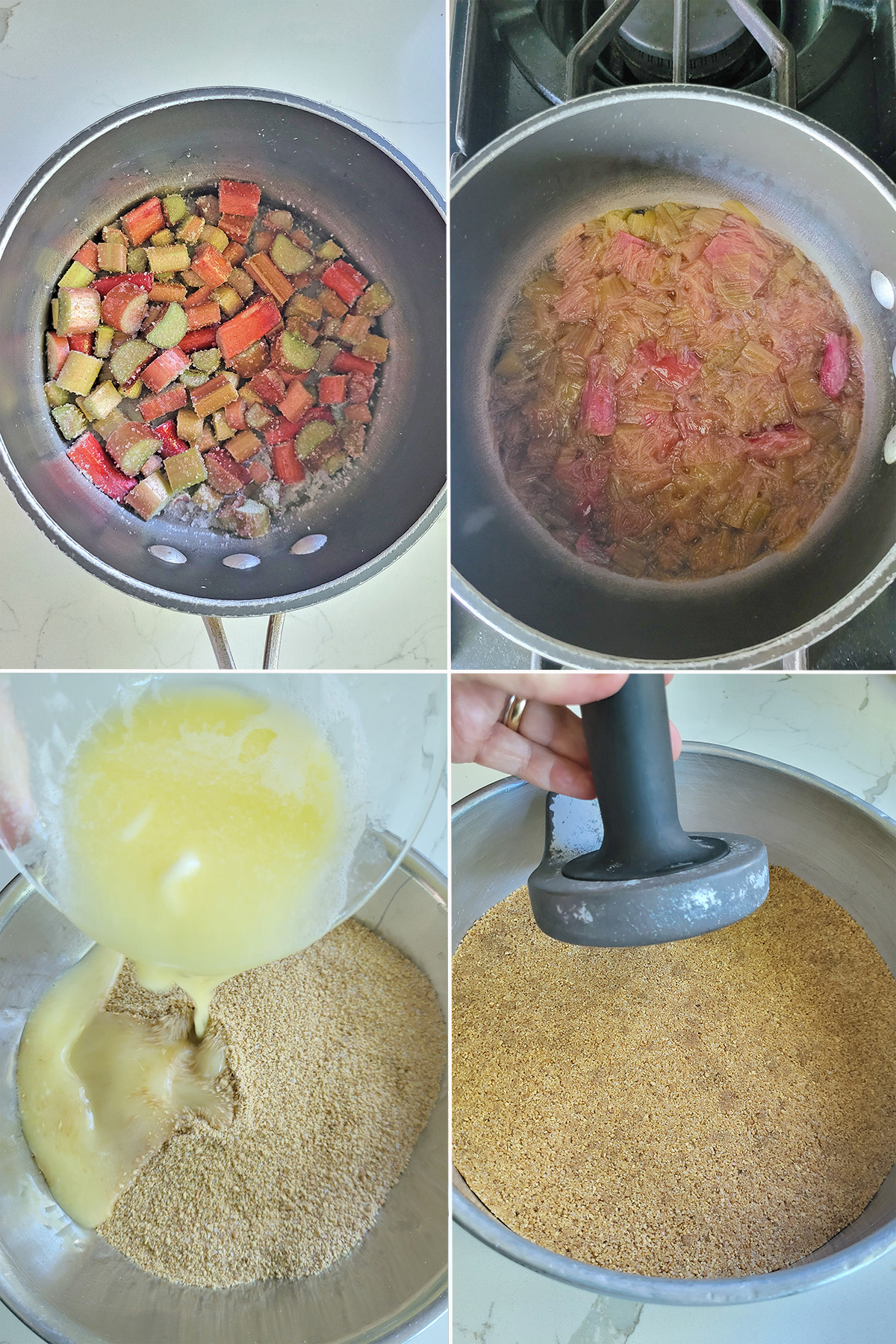
The current standard for producing this dessert involves a rigorous, multi-stage process that prioritizes texture control. The assembly begins with a standard graham cracker or digestive biscuit crust, which serves as a firm foundation for the heavier, moisture-rich filling.
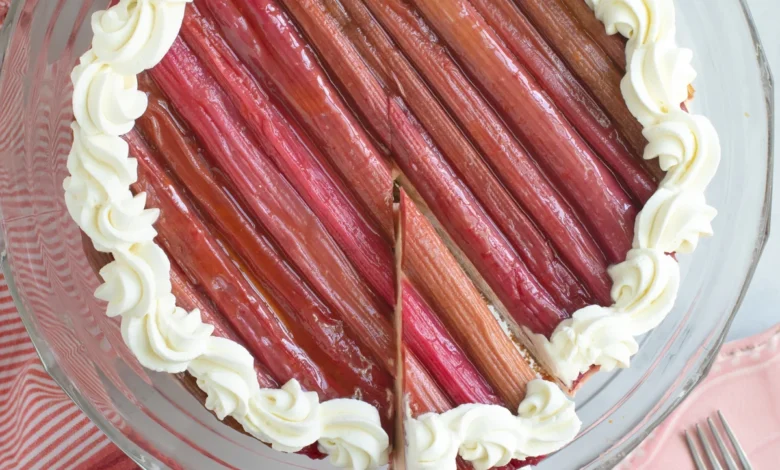
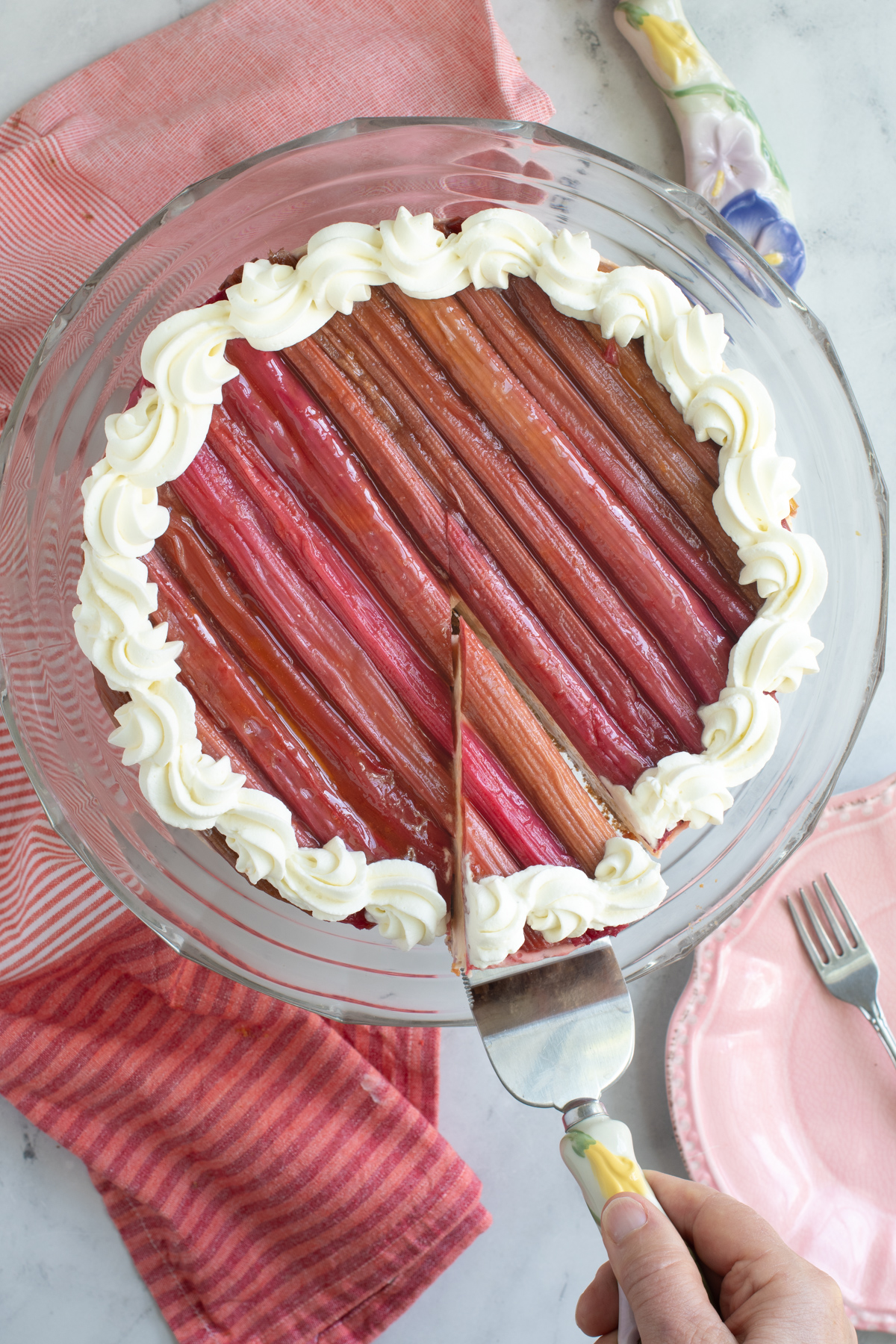
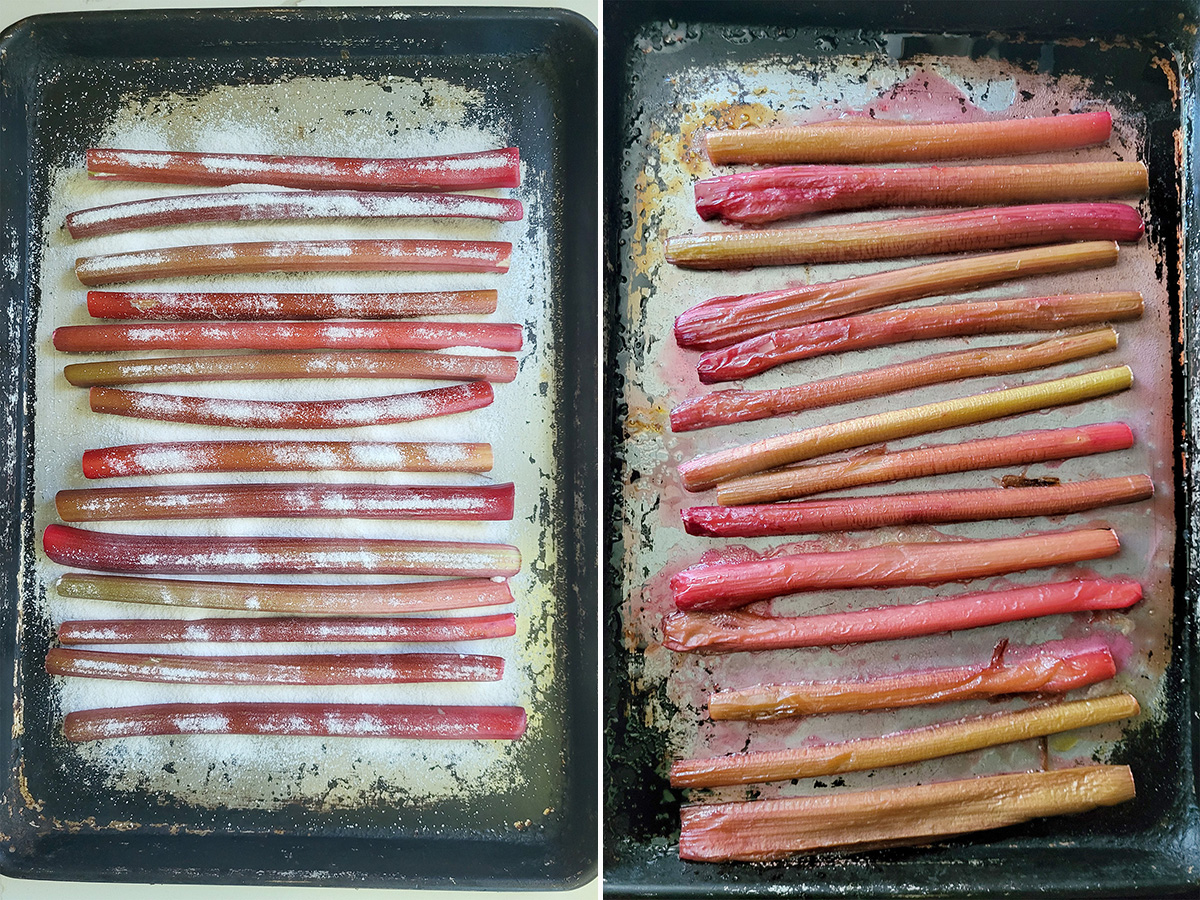
The preparation of the rhubarb component is critical. The compote, formed by gently simmering chopped rhubarb with granulated sugar until it reaches a thick, jam-like consistency, provides a subtle, integrated tartness throughout the cheesecake. This is distinct from the roasted topping, which requires higher heat and shorter duration in the oven to retain the structural shape of the stalks. According to food science data, roasting at high temperatures (approximately 400°F or 200°C) caramelizes the sugars within the rhubarb, transforming the harsh acidity into a complex, sweet-tart flavor profile that contrasts with the richness of the cream cheese filling.
Chronology of Assembly
The assembly of a high-quality rhubarb cheesecake follows a precise temporal sequence to ensure the final product meets commercial standards for quality and presentation:
- Preparation of the Base: The graham cracker crust is pressed and partially baked to ensure it holds its shape against the moisture of the filling.
- Compote Integration: The rhubarb compote is prepared separately and cooled. It is folded into the batter during the final stages of mixing to ensure streaks of flavor rather than a fully homogenized, uniform color.
- Thermal Processing: The cheesecake is baked in a water bath (bain-marie) at a low, consistent temperature. This technique prevents the eggs in the batter from curdling, ensuring the "custard" finish remains smooth and crack-free.
- Cooling and Setting: A minimum of four hours of refrigeration is required. This duration is necessary for the proteins in the eggs and the fats in the cream cheese to set, creating the characteristic dense, creamy mouthfeel.
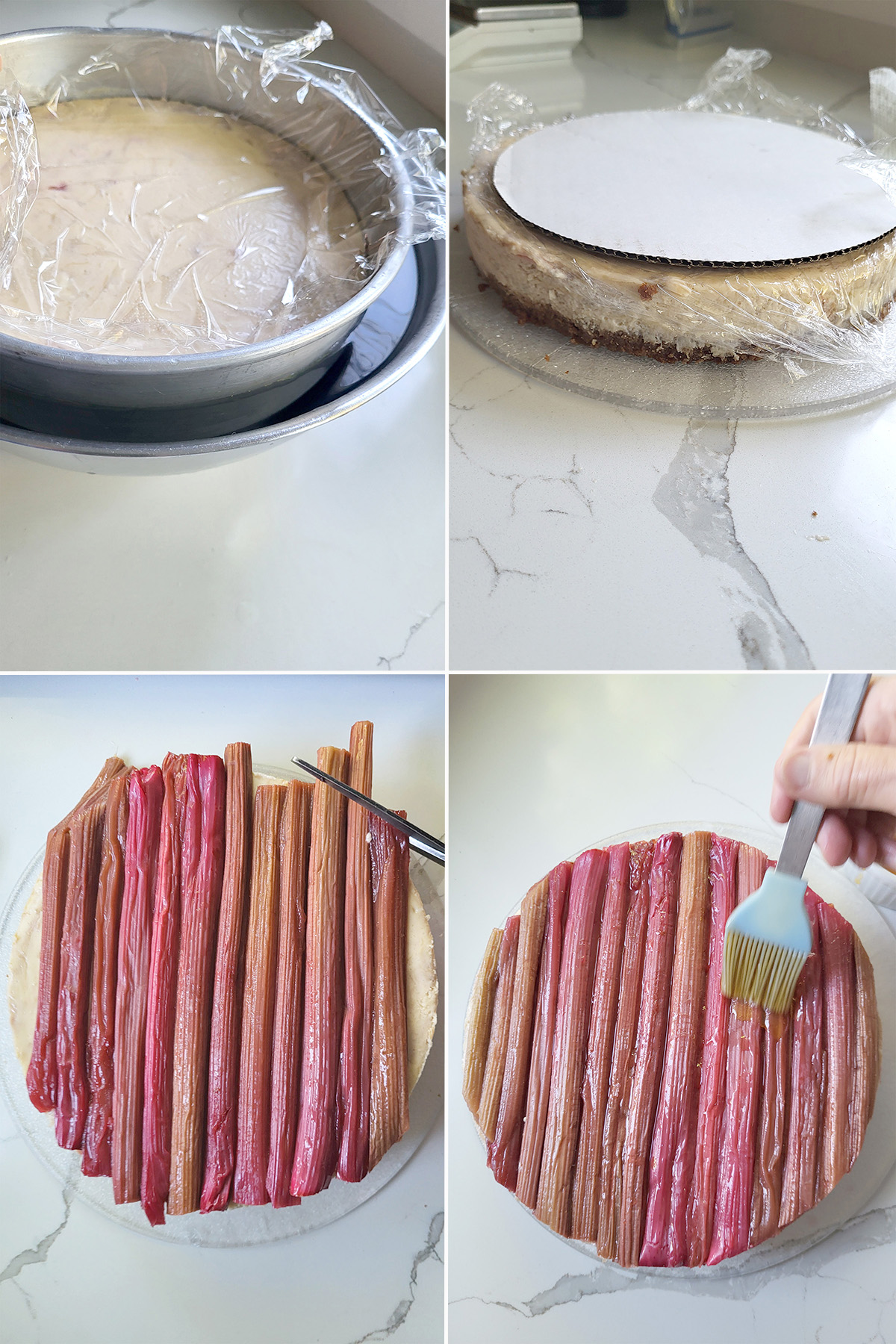
- Final Ornamentation: The roasted rhubarb, which provides the visual appeal, is arranged atop the chilled cake. The addition of whipped cream, if desired, is reserved until the final moments before service to prevent the collapse of the aeration.
Supporting Data and Nutritional Breakdown
From a nutritional perspective, a standard slice of this cheesecake contains approximately 323 kilocalories, with a fat content of roughly 19 grams. The dish is carbohydrate-heavy, driven by both the biscuit crust and the sugar required to temper the rhubarb, with an average of 37 grams of carbohydrates per serving.
While the dish is categorized as a high-calorie dessert, it provides specific nutritional nuances. Rhubarb itself is a source of Vitamin K and fiber, though the quantities in a standard portion of cheesecake are relatively minor compared to the overall caloric intake. The cholesterol content, measured at approximately 77 milligrams per serving, is consistent with traditional dairy-heavy baked goods.
Broader Culinary Implications and Market Trends
The resurgence of rhubarb in high-end pastry menus reflects a broader culinary trend toward "hyper-seasonal" ingredients. As global supply chains allow for more consistent access to produce, chefs are increasingly looking for ways to utilize seasonal harvests in ways that are both traditional and innovative. The rhubarb cheesecake is an example of "fusion-within-tradition," where a classic flavor pairing is re-engineered to fit the format of a popular global dessert.
Market analysts in the hospitality industry observe that consumers are trending toward desserts that offer a "tangy" or "bright" finish, moving away from the purely saccharine profiles that dominated the early 2000s. The popularity of the rhubarb cheesecake is a byproduct of this demand for balanced flavor profiles.
Professional Handling and Storage Requirements
For commercial or home kitchen production, shelf-life management is a significant consideration. The inclusion of fresh fruit, even when cooked, introduces moisture that can shorten the lifespan of the crust.
Experts recommend that an assembled cheesecake without whipped cream can be held for up to 48 hours in a professional refrigeration unit. Once whipped cream is added, the window of optimal freshness drops to a few hours, as the moisture from the cream will begin to degrade the texture of the roasted rhubarb and the cheesecake surface. For long-term storage, the base and the topping should be kept separate, with the assembly occurring as late as possible. If the cheesecake is to be stored for longer than two days, the topping should be removed or the cake should be consumed, as the high sugar content of the rhubarb will eventually cause a "weeping" effect, where juice leaks from the fruit into the cheesecake, softening the crust prematurely.
Conclusion
The evolution of the rhubarb cheesecake stands as a testament to the versatility of simple, seasonal ingredients when combined with sound culinary technique. By treating the cheesecake batter as a custard and the rhubarb as a two-part element—both a flavor-infusing component and a textural garnish—bakers have successfully modernized a Victorian-era pairing. As culinary techniques continue to evolve, the principles established here—low-temperature baking, careful moisture control, and the balance of acidic and creamy elements—will likely remain the standard for similar fruit-based dessert preparations. Whether served in a professional setting or prepared in a domestic kitchen, the success of the dish relies heavily on adherence to these structural and chemical guidelines.