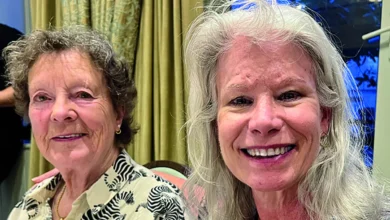
Lucy Hill-Smith and the Legacy of Yalumba: A Conversation on Heritage and the Future of Australian Wine

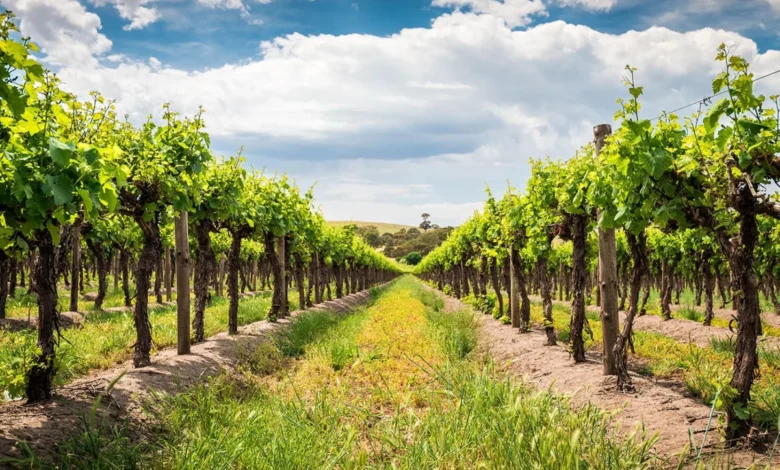
The Australian wine industry is currently experiencing a period of significant recalibration, moving away from the historical perception of robust, high-alcohol Shiraz toward a nuanced focus on regionality, ancient vine preservation, and stylistic diversity. At the center of this evolution is the Hill-Smith family, custodians of Yalumba, the oldest family-owned winery in Australia. Lucy Hill-Smith, a sixth-generation member of this storied lineage, is set to headline the upcoming Decanter Fine Wine Encounter in London this November, providing a global platform to discuss both the endurance of Barossa’s viticultural heritage and the modern strategies required to sustain it.
A Dynasty Rooted in History
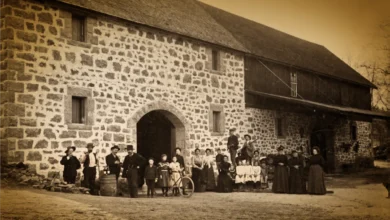
The history of Yalumba is effectively the history of commercial viticulture in South Australia. Founded in 1849 by Samuel Smith, an English immigrant who planted the first vines in Angaston, the winery has remained in the same family for over 175 years. This longevity is an outlier in the global wine trade, where corporate consolidation has become the norm. For Lucy Hill-Smith, the responsibility of the sixth generation is not merely administrative; it is an exercise in cultural stewardship.
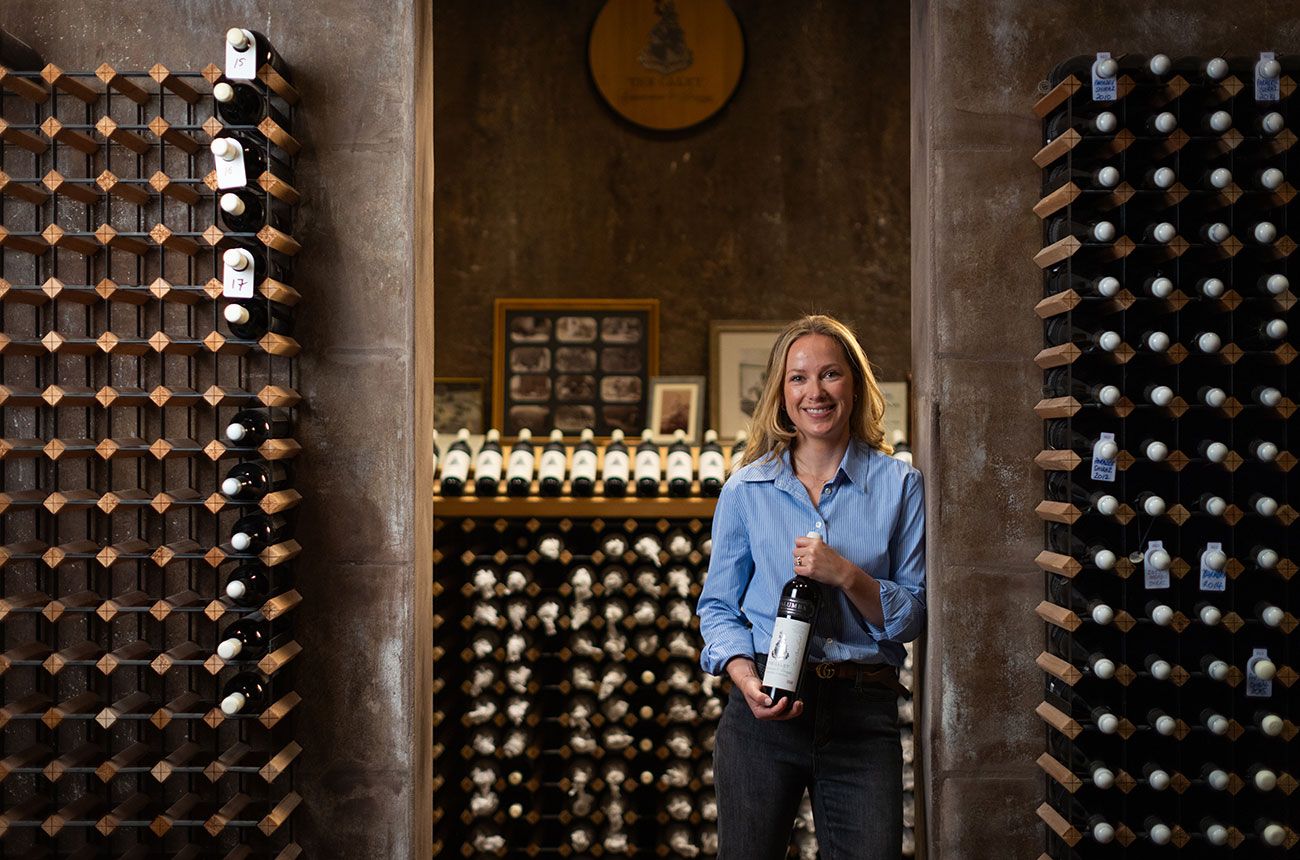
Her personal trajectory, however, was not a direct path into the cellar. After a decade-long career as an interior architect—a profession that demands precision, structural integrity, and aesthetic vision—she transitioned into the family business five years ago. This interdisciplinary background has provided her with a unique perspective on the "architecture" of wine: the balance between terroir, production methods, and brand narrative. Currently serving as the fine wine ambassador for the UK and Europe, she represents a portfolio that includes iconic labels such as The Caley, The Signature, and the benchmark-setting Virgilius Viognier.
The Decanter Fine Wine Encounter: A Global Spotlight
The Decanter Fine Wine Encounter, scheduled for 6–7 November in London, serves as a pivotal event for the international wine community. By hosting an exclusive lunch alongside Decanter’s regional editor for Australia, Julie Sheppard, Hill-Smith is positioning Yalumba within the context of high-end global gastronomy.
The event is designed to bridge the gap between historic production and contemporary consumption. While the Grand Tasting will provide a broad overview of the Yalumba portfolio, the intimate luncheon setting offers an opportunity to present the "Museum Collection"—a strategic initiative where the winery withholds cases from top vintages to release them only after a minimum of ten years of bottle age. This program is a critical market response to the common misconception that Australian wines are solely intended for immediate consumption. By demonstrating the longevity of their flagship Shiraz, Yalumba is actively shifting the perception of Barossa wine from a "young and punchy" category to one of age-worthy prestige.

The Barossa Renaissance: Ancient Vines and Sub-Regionality
Hill-Smith’s advocacy centers on three specific pillars that she believes are currently underappreciated by the global market: regional diversity, the value of ancient vines, and the potential for long-term cellaring.
The Australian wine industry has long struggled with the "monolithic" image of the Barossa Valley floor. Hill-Smith argues that this ignores the significant geological and climatic variation within the broader region. The distinction between the warm, concentrated fruit of the Valley floor and the elevated, cooler-climate intensity of the Eden Valley is fundamental to the region’s complexity.
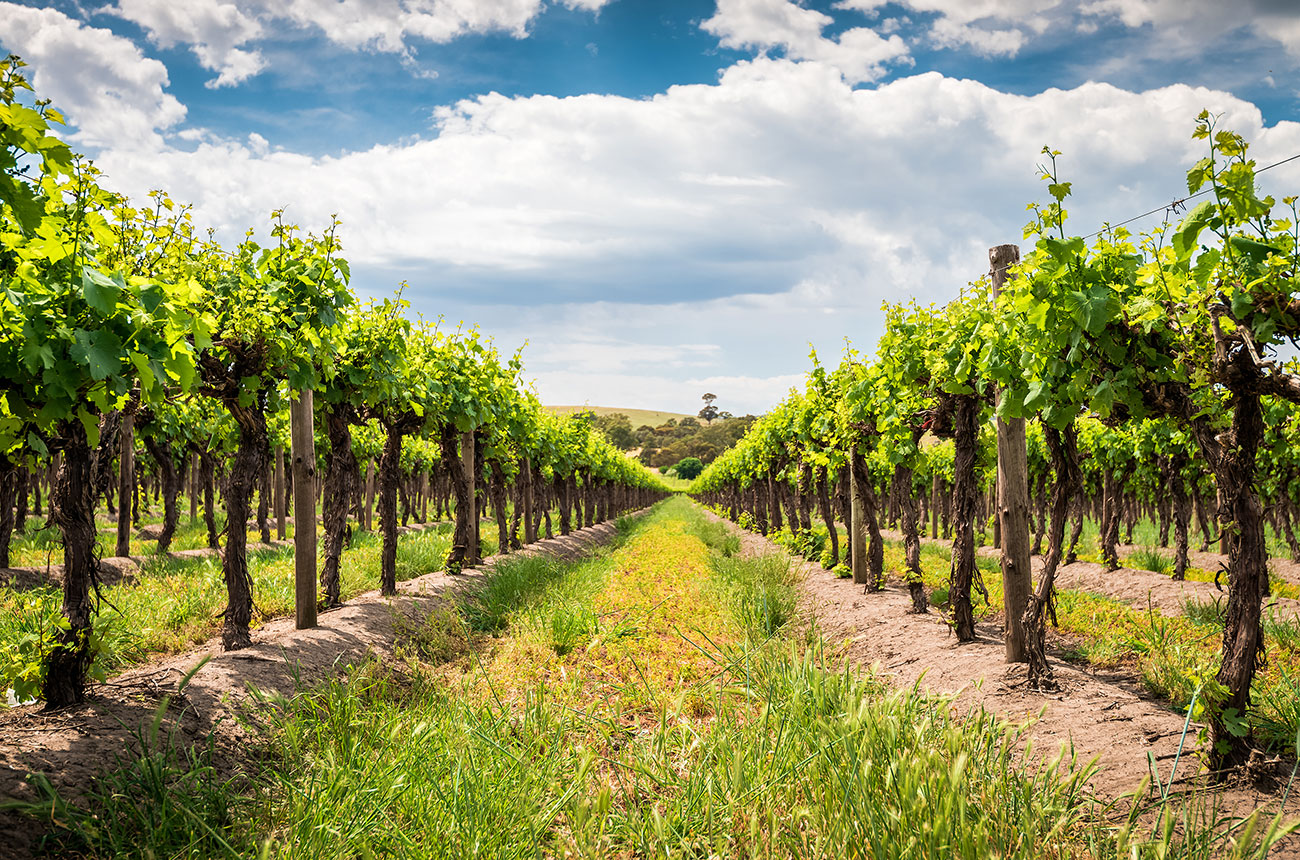
Furthermore, the absence of phylloxera in South Australia has allowed for the preservation of some of the oldest vines in the world. Many of these vines, some dating back over 135 years, are still thriving on their original rootstocks. From a viticultural standpoint, these ancient vines offer a depth of flavor and a structural complexity that cannot be replicated by younger plantings. This creates a compelling narrative for collectors, as these wines effectively serve as liquid history.
A Shift in Production: The Case for Grenache
Perhaps the most notable trend Hill-Smith highlights is the stylistic shift in Australian Grenache. Historically overlooked in favor of the region’s dominant Shiraz, Grenache has undergone a dramatic transformation.
"I have really changed my mind in more recent years about Australian Grenache," Hill-Smith notes. This change is driven by a move away from new oak influence and toward longer periods of skin contact, which emphasizes the inherent elegance of the grape. The current production philosophy at Yalumba for its Tri-Centenary Grenache, for instance, focuses on "refinement, precision, and letting the fruit really shine through." This shift reflects a broader, industry-wide move toward "freshness"—a quality that has become the new benchmark for premium Australian reds.
Culinary Integration and Global Gastronomy
The intersection of food and wine remains central to the Hill-Smith philosophy. The winery has historically emphasized the relationship between regional produce—such as South Australian prawns—and refined wines like Riesling.

Hill-Smith’s personal approach to pairing, which balances her experiences in both Australia and the UK, offers a practical guide to the modern wine enthusiast. In Australia, her preference leans toward the interplay of spice and acidity, such as pairing a chilled Grenache with Thai beef salad. In the UK, she leans into the classic contrast between "Old World" and "New World" expressions, often pairing a Barossa Shiraz like The Octavius with a Côte-Rôtie to highlight the differences in terroir-driven winemaking.
The Road Ahead: Tourism and Market Growth
The significance of the upcoming Michelin Guide to South Australia, set to launch in October 2026, cannot be overstated. It marks a formal recognition of the region as a world-class culinary destination. For the Hill-Smiths, this is the fruition of a long-term investment in regional infrastructure. By highlighting venues such as Adelaide’s Central Market, Vintners Bar and Grill, and the artisanal work of Casa Carboni, the family is helping to cement a culture of tourism that supports the wine industry.
For the international collector, this infrastructure is vital. It creates a complete experience—from the vineyard to the dinner plate—that justifies the premium status of the region’s output.

Broader Implications for the Industry
The narrative of the sixth generation at Yalumba is, at its core, a case study in continuity management. By encouraging younger family members to gain experience outside the family business before joining, the Hill-Smiths have avoided the stagnation that often plagues multi-generational firms.
The analytical takeaway for the industry is clear: long-term success is dependent on the ability to evolve while honoring legacy. Yalumba’s transition from the heavy, traditional profiles of the late 20th century to a more modern, terroir-focused identity is a blueprint for other historic estates.
As Hill-Smith prepares to represent her family’s legacy in London this November, she carries with her not just the weight of 175 years of history, but a clear, forward-looking mandate: to demonstrate that the future of Australian wine is just as historic as its past, provided the industry remains committed to the preservation of its oldest assets and the constant pursuit of stylistic refinement. Through her work in the UK and European markets, she is ensuring that the "Barossa" brand remains synonymous with sophistication, longevity, and an uncompromising commitment to the soil that Samuel Smith first turned in 1849.