Yukhoe Kimbap: The Culinary Evolution of Korean Beef Tartare and Traditional Seaweed Rolls

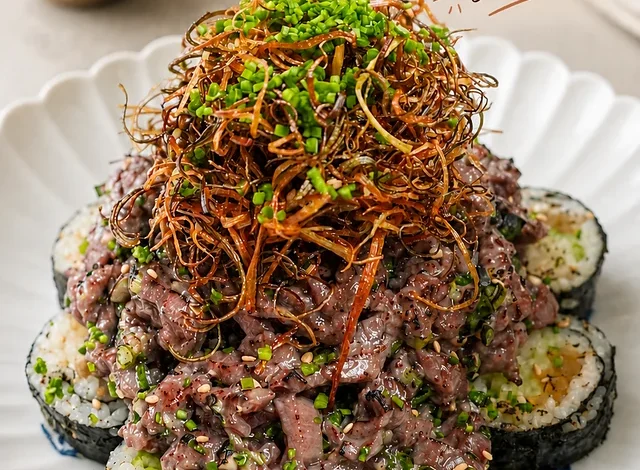
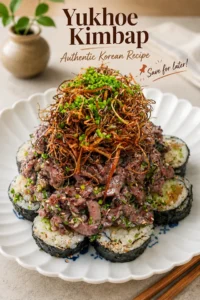
The intersection of traditional Korean culinary techniques and modern gastronomic innovation has reached a new focal point with the rising popularity of Yukhoe Kimbap. This dish represents a sophisticated fusion of "Yukhoe"—the time-honored Korean preparation of seasoned raw beef—and "Kimbap," the ubiquitous seaweed-wrapped rice roll. By deconstructing the traditional kimbap model, which typically features cooked ingredients, and replacing the interior protein with a fresh, raw beef tartare topping, culinary professionals are redefining the boundaries of Korean comfort food.

Historical Context and Culinary Evolution
To understand the significance of Yukhoe Kimbap, one must examine its foundational components. Yukhoe, which translates literally to "meat sashimi," has historical roots in the royal courts of the Joseon Dynasty. Historically, it was prepared using high-quality lean beef, seasoned delicately with soy sauce, sesame oil, and garlic to highlight the natural sweetness of the meat. It is traditionally paired with julienned Korean pear (baesuk), which serves a functional purpose: the enzymes in the pear act as a natural tenderizer for the beef, while its high water content provides a crisp, refreshing contrast to the richness of the protein.

Kimbap, by contrast, emerged as a portable meal, evolving from its Japanese precursor, the futomaki, during the 20th century. While kimbap has long been the primary choice for picnics and school lunches in Korea, its preparation has remained relatively static, relying on cooked fillings such as ham, crab sticks, spinach, and pickled radish (danmuji). The emergence of Yukhoe Kimbap signals a departure from the "cooked-only" constraint of the dish, elevating it from a casual snack to an hors d’oeuvre suitable for high-end supper clubs and formal dinner parties.

The Anatomy of the Dish
The preparation of Yukhoe Kimbap is a technical exercise in balance and timing. Culinary experts emphasize that the dish relies on the juxtaposition of textures—the soft, velvety mouthfeel of raw top round or tenderloin against the snap of fresh cucumbers and the crunch of pickled radish.

The assembly process generally follows a strict sequence:

- The Base: The seaweed (nori) is laid out with seasoned rice, often infused with sesame oil and toasted seeds, providing a nutty, aromatic foundation.
- The Internal Fillings: Traditional fillers are replaced with fresh produce. Korean pear is julienned to ensure consistent bite-size distribution, while pickled radish provides the necessary acidity to cut through the fat content of the beef.
- The Protein Topping: The yukhoe is not rolled inside the kimbap. Instead, the kimbap is sliced into bite-sized segments, and the seasoned raw beef is placed precisely on the top of each piece. This prevents the moisture of the meat from compromising the structural integrity of the seaweed roll.
- The Garnish: A contemporary addition is the inclusion of fried green onion or leeks, which provides a smoky, savory crunch that bridges the gap between the raw beef and the seasoned rice.
Technical Requirements and Food Safety
The preparation of Yukhoe Kimbap necessitates strict adherence to food safety protocols. Unlike cooked kimbap, which can be stored for several hours, Yukhoe Kimbap is designed for immediate consumption.

Professional kitchens utilize specific grades of beef for this dish, typically sourced from the top round or eye of round, which are naturally leaner and carry a lower risk of bacterial contamination than fattier cuts. Chefs frequently suggest a "tempering" process—placing the beef in a freezer for a brief period before slicing. This allows for thinner, more consistent julienne cuts, which enhances the aesthetic quality of the dish.

Furthermore, the "Yukhoe sauce"—a complex emulsion of soy sauce, sesame oil, and aromatics—is prepared separately. The scientific consensus among chefs is to delay the integration of the sauce and the beef until the final moment of assembly. This prevents the salt in the sauce from "curing" the meat, which would alter its texture and color, turning it greyish rather than maintaining the vibrant, deep red hue required for an elegant presentation.

Economic and Market Implications
The rise of elevated, raw-beef based street food reflects a broader trend in global dining: the premiumization of traditional snacks. By incorporating ingredients traditionally reserved for main courses—such as tenderloin or premium top round—the cost of production for kimbap has shifted.

Data from the Korean culinary sector indicates that "gourmet kimbap" establishments have seen a 15% year-over-year increase in revenue, driven by younger demographics who are willing to pay a premium for high-quality, visually appealing, and "Instagram-worthy" food. This shift has turned the once-humble kimbap into a staple of modern fusion menus in cities ranging from Seoul to Paris and New York.

The Role of Technical Innovation: The Torching Method
A significant development in the evolution of Yukhoe Kimbap is the optional "torching" of the beef. While traditionalists argue that heating raw beef defeats the purpose of the dish, many modern chefs use a culinary blowtorch to apply a quick sear to the top of the beef.

This process, known as the Maillard reaction, creates a thin layer of charred, caramelized protein on the exterior while leaving the center raw. From a sensory perspective, this creates a hybrid experience: the diner encounters the smoky, savory depth of a cooked dish followed by the cool, clean finish of raw tartare. This technique has become a point of differentiation for restaurants aiming to provide a unique "interactive" dining experience for their guests.

Global Gastronomic Influence
The success of Yukhoe Kimbap in international settings, particularly in European culinary capitals, highlights the universal appeal of the dish’s flavor profile. The combination of sweet, salty, and nutty elements aligns with global palate preferences for umami-rich foods.

Industry analysts suggest that the dish serves as a "gateway" for international diners who may be intimidated by traditional, large-format raw beef dishes but find the bite-sized, portion-controlled format of kimbap more accessible. The dish’s reliance on textures—the crunch of the pear, the chew of the seaweed, and the tenderness of the beef—mirrors the appeal of sushi, allowing it to sit comfortably within the global "hand-roll" market.

Best Practices for Home Preparation
For those attempting to replicate this dish, industry professionals suggest focusing on three key pillars:

- Sourcing: Engage directly with a butcher. Inform them that the beef is intended for raw consumption, as this changes the handling requirements and the freshness standards the butcher must maintain.
- Emulsification: Ensure the sauce is fully emulsified before applying it to the meat. A broken sauce, where the sesame oil separates from the soy-based components, will result in an uneven flavor profile and a greasy mouthfeel.
- The "Green Onion" Oil: Waste reduction is a significant component of modern cooking. The oil used to fry the green onions for the topping is highly fragrant and should not be discarded. It is a valuable byproduct that can be repurposed for stir-fries, noodle dishes, or as a base for chili oil, providing a secondary layer of value to the preparation process.
Future Trajectory
As the culinary world continues to embrace fusion concepts, the trajectory for Yukhoe Kimbap is likely to see further experimentation. Already, chefs are testing variations including the addition of quail egg yolks for dipping, or the infusion of truffled sesame oil to further bridge the gap between Korean tradition and Western fine dining.

While it may not replace the traditional, cooked-filling kimbap in convenience stores, the Yukhoe Kimbap has firmly established its place in the gastronomic landscape. It stands as a testament to the versatility of Korean cuisine, demonstrating that even the most traditional formats can be deconstructed, modernized, and elevated to meet the demands of a global, discerning audience. Whether served as a centerpiece for a dinner party or a sophisticated small plate in an upscale restaurant, the dish remains a hallmark of culinary balance and technical precision.