Beyond Principles: Why Outcome-Based Frameworks Are Defining the Future of Regenerative Agriculture

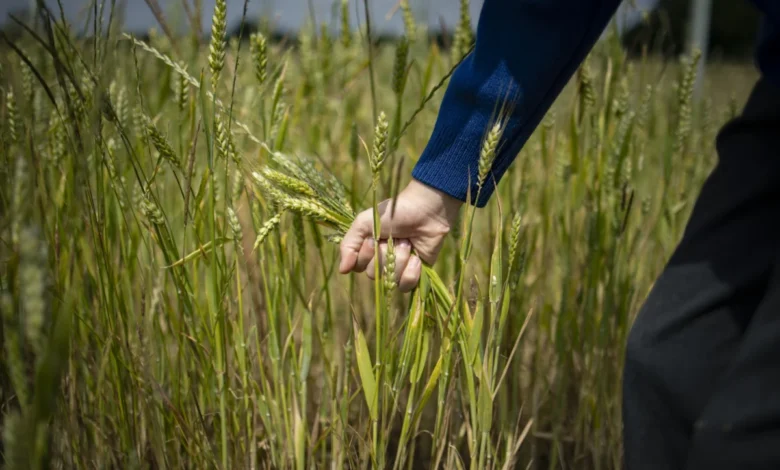
The transition toward regenerative agriculture is increasingly defined not by a rigid checklist of practices, but by the tangible environmental and social outcomes it delivers. As the global food system faces unprecedented pressure from climate change, biodiversity loss, and economic instability, the launch of the Regen10 Outcomes Framework marks a pivotal shift in how the industry measures success. Developed through extensive global collaboration, this framework aims to harmonize disparate definitions of regenerative farming into a unified, outcome-based language that provides accountability for farmers, policymakers, and corporate stakeholders.
The Evolution of a Concept: From Practice to Outcome
Regenerative agriculture has historically been characterized by its five core principles: minimizing soil disturbance, maintaining living roots, keeping the soil covered, promoting plant diversity, and integrating livestock. While these principles have been instrumental in moving the industry away from extractive, high-input monocultures, they have also led to fragmented adoption. Because these practices are often context-dependent, a "one-size-fits-all" approach has frequently proved ineffective across diverse ecological zones.
The industry is now transitioning toward an outcomes-based model. This methodology posits that the success of a farm should not be measured by the specific tools or techniques employed, but by the measurable improvement in soil health, water quality, biodiversity, and human livelihoods. By shifting the focus to results, the Regen10 framework allows farmers to exercise professional autonomy, tailoring their management techniques to their unique microclimates, topographies, and economic realities.
A Chronology of the Regenerative Shift
The movement toward formalizing regenerative metrics has accelerated significantly since 2020. The early days of the Covid-19 pandemic exposed the fragility of global food supply chains, prompting a surge in interest regarding local resilience and food sovereignty.
- 2020-2021: Pandemic-driven supply chain disruptions spotlight the necessity of decentralized, resilient food systems. Farmers begin experimenting with soil carbon sequestration and biodiversity-positive practices on a larger scale.
- 2022: The emergence of the Global Farm Metric (GFM) provides a standardized language for assessing farm sustainability, moving beyond the narrow focus of carbon accounting to include social and ecological dimensions.
- 2023: Extensive global consultations involve Indigenous Peoples, conservationists, and agricultural economists to synthesize regional regenerative goals into a cohesive framework.
- 2024: The formalization of the Regen10 Outcomes Framework provides a global reference point, bridging the gap between local farming reality and international policy goals, such as the Kunming-Montreal Global Biodiversity Framework (GBF).
Supporting Data and the Economic Case for Change
The shift toward regenerative practices is supported by compelling, if sometimes complex, data. According to the 4per1000 initiative, increasing soil organic matter by just 0.4% annually could theoretically halt the rise of atmospheric CO2. While this figure is a global target, it illustrates the critical role that soil stewardship plays in climate mitigation.
Furthermore, research published in journals such as Nature Sustainability indicates that farms employing regenerative systems—such as cover cropping and reduced tillage—show significantly higher resilience to extreme weather events. In drought-prone regions, for instance, soil with higher organic carbon content can retain significantly more water, acting as a buffer against crop failure.
From an economic perspective, the transition is equally vital. Conventional, input-heavy systems have left many farmers vulnerable to volatile synthetic fertilizer prices. By reducing reliance on external chemical inputs and focusing on internal nutrient cycling, farmers can improve their net profit margins. The Regen10 framework recognizes these financial outcomes as essential, acknowledging that for a farm to be truly sustainable, it must also be economically viable for the producer.
Bridging the Gap: Stakeholder Perspectives
The primary challenge in implementing regenerative standards is the misalignment of objectives among various stakeholders. Historically, corporate entities have focused on carbon credits, NGOs on biodiversity, and farmers on yield stability. The Regen10 framework functions as a "common language" document, similar in function to the United Nations Sustainable Development Goals (SDGs).
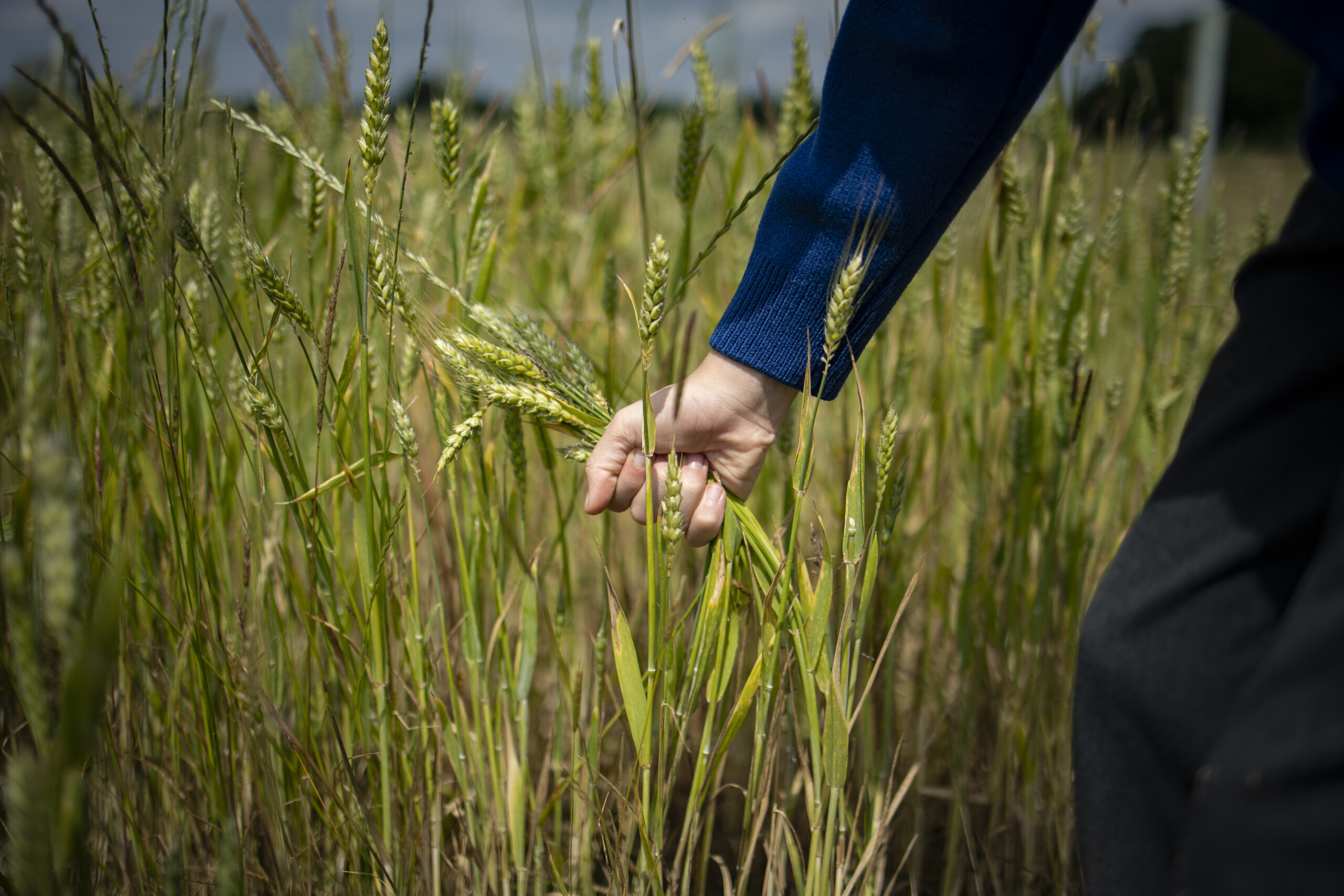
"The framework does not prescribe how to act, but it creates a common language for what success looks like," says Olivia Boothman, Projects Manager at the Global Farm Metric. By anchoring conversations in agreed-upon outcomes, the framework allows for more transparent investment. Businesses can now substantiate their ESG (Environmental, Social, and Governance) claims with data that reflects holistic land management rather than singular metrics. Conversely, policymakers can develop subsidies and incentives that reward farmers for the public goods they produce, such as clean water and flood mitigation, rather than merely subsidizing production volume.
Fact-Based Analysis: The Risks of Greenwashing
One of the most significant implications of this shift is the potential to curb greenwashing. In the absence of an outcome-based framework, companies have often claimed "regenerative" status based on the adoption of a single practice, such as "no-till," even if that practice is used in a system that remains fundamentally extractive.
By demanding evidence of improved ecological and social outcomes, the industry is creating a higher bar for entry. The Regen10 framework moves the conversation toward continuous improvement. It acknowledges that a farm is never "finished" or "fully regenerative." Instead, it is an evolving, living system. This perspective prevents the static labeling of farms and encourages long-term land stewardship.
Broader Impact and Global Implications
The global implementation of this framework has the potential to influence trade policies and supply chain sourcing. As regions like the European Union introduce stricter environmental standards for imported goods, frameworks that provide clear, verifiable metrics become invaluable.
However, the transition is not without its hurdles. Critics point to the high cost of data collection and the technological barrier for smallholder farmers in the Global South. For the Regen10 framework to succeed, it must be supported by accessible monitoring technologies and robust financial mechanisms that ensure the cost of transition is not borne solely by the producer.
The integration of Indigenous knowledge systems, which have prioritized land stewardship for centuries, is also a critical component of the current movement. By valuing traditional ecological knowledge alongside modern scientific data, the framework seeks to create a truly global standard that is culturally respectful and ecologically sound.
Conclusion: The Road Ahead
The move toward outcome-based regenerative agriculture represents a maturation of the movement. By moving beyond the binary of "practice vs. non-practice," stakeholders are now engaging with the complexity of agricultural ecosystems. The Regen10 Outcomes Framework provides the structure necessary to scale these efforts, ensuring that as the world seeks to address climate change and biodiversity loss, the farmers at the heart of our food systems have the support, the language, and the vision to lead the way.
As global food security remains a top priority, the alignment of environmental health with economic prosperity will be the true test of this framework. With a shared global reference point now established, the focus shifts to implementation, accountability, and the continued empowerment of farmers as the primary stewards of our planet’s future.