Beyond the Trend: Why the Authentic Mediterranean Diet Endures as a Global Benchmark for Wellness

The key to a balanced and healthy diet isn’t about giving up foods you love, but more about eating more of the foods that have always been part of Mediterranean life. For decades, nutritional scientists, public health advocates, and culinary historians have pointed to the traditional dietary patterns of the Mediterranean basin as a gold standard for long-term health and disease prevention. Far from being a modern commercial weight-loss fad, this centuries-old lifestyle represents an integrated cultural approach to nutrition, agriculture, and community well-being.
Elena Paravantes, a registered dietitian, author, and recognized authority on the Greek Mediterranean diet who has spent more than 25 years studying and practicing this culinary tradition, emphasizes that the approach has never been rooted in strict restriction or rigid calorie counting. Instead, it prioritizes simple, high-quality ingredients and the cultural pleasure of communal dining. As global interest in preventative healthcare surges, examining the foundational staples of this lifestyle offers vital insight into sustainable nutrition.
The Historical and Cultural Evolution of Mediterranean Nutrition
The Mediterranean diet is not a monolith; rather, it is a shared culinary heritage spanning countries such as Greece, Italy, Spain, southern France, and parts of North Africa and the Middle East. Historically, this dietary pattern was shaped by the regional climate, agricultural limitations, and economic realities of coastal populations. Historically reliant on what the land and sea could readily provide, these communities developed a diet naturally rich in plant foods, healthy fats, and modest amounts of animal protein.
Scientific recognition of this lifestyle began in earnest during the mid-20th century, most notably through the landmark Seven Countries Study led by American physiologist Ancel Keys in the 1950s and 1960s. Keys and his researchers observed that populations in regions like Crete and rural southern Italy experienced remarkably low rates of coronary heart disease and chronic illness despite modest wealth, a phenomenon largely attributed to their daily dietary habits and physically active lifestyles.
Over the subsequent decades, thousands of peer-reviewed clinical trials and epidemiological studies have corroborated these initial observations. The modern medical consensus now links adherence to the Mediterranean dietary pattern with reduced risks of type 2 diabetes, stroke, cognitive decline, and certain cancers. In 2010, UNESCO officially inscribed the Mediterranean diet on the Representative List of the Intangible Cultural Heritage of Humanity, recognizing it not merely as a collection of nutrients, but as a comprehensive set of social practices, skills, and traditions.
The Five Indispensable Staples of the Traditional Pantry
A closer examination of authentic Mediterranean kitchens reveals a consistent blueprint of five core food groups that have sustained generations. These staples form the architecture of daily meals, balancing macronutrients while delivering a dense profile of micronutrients and bioactive compounds.
1. Whole Grains: Sustained Energy and Dietary Fiber
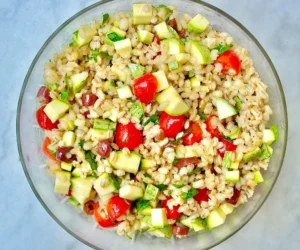
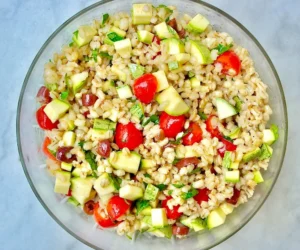
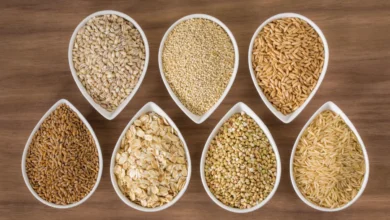
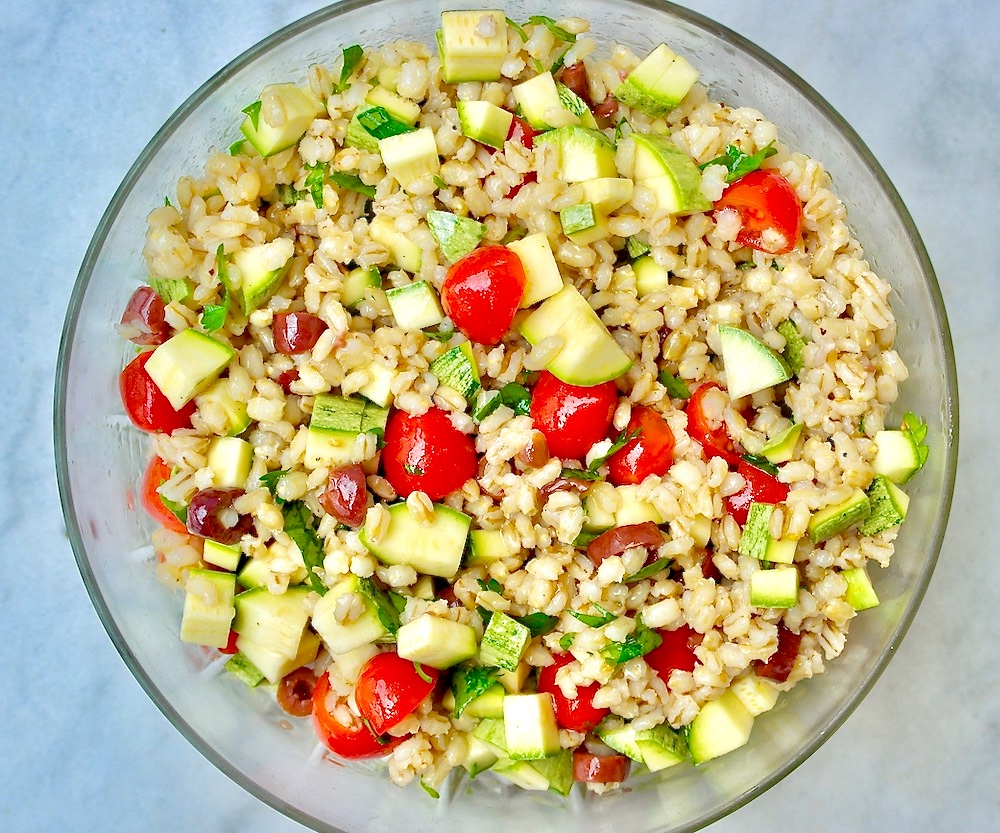
Unlike the highly processed, refined grains that dominate modern Western diets, traditional Mediterranean kitchens have long relied on whole grains in their natural, unrefined states. Depending on the specific micro-region, this includes ancient and traditional grains such as barley, bulgur, farro, sorghum, and rustic whole-grain breads.
From a nutritional standpoint, retaining the bran, germ, and endosperm ensures that these grains deliver an abundant supply of dietary fiber, B-vitamins, iron, magnesium, and antioxidants. In traditional cooking, whole grains rarely stand alone as a heavy carbohydrate source; instead, they serve as a base or accompaniment for vegetable-heavy stews, legume dishes, and seasoned broths. This combination slows digestion, stabilizes blood glucose levels, and provides prolonged satiety, directly countering the rapid energy spikes and crashes associated with refined carbohydrates.
2. Oregano: Flavor Through Phytochemicals
Herbs and spices in the Mediterranean are far more than mere visual garnishes; they are central components of flavor architecture and functional nutrition. Among them, dried Greek oregano holds a preeminent position. Known for its intense aroma and robust flavor profile, dried oregano is routinely utilized to elevate foundational ingredients such as tomatoes, root vegetables, legumes, and fresh fish.
Beyond its culinary versatility, oregano is a rich source of polyphenols and essential oils, notably carvacrol and thymol, which possess documented antimicrobial and antioxidant properties. Nutritionally, the heavy reliance on aromatic herbs allows home cooks to prepare highly palatable dishes without depending on excessive sodium, heavy cream-based sauces, or synthetic flavor enhancers.
3. Greek Yogurt: Fermentation and Dairy Tradition
While commercial food markets have increasingly marketed strained yogurt as a specialized high-protein fitness product, in Greece and surrounding regions, thick, creamy yogurt is simply an everyday dietary staple. Traditionally produced by straining whey from fermented sheep’s, goat’s, or cow’s milk, authentic Greek yogurt offers a dense concentration of complete proteins, calcium, and phosphorus.
Furthermore, traditional yogurt containing live and active bacterial cultures acts as a valuable source of probiotics. These beneficial microorganisms support gastrointestinal health and contribute to a balanced gut microbiome, which emerging immunological and gastroenterological research links to immune regulation, metabolic health, and even neurological function. In the traditional household, yogurt is consumed both on its own as a savory or sweet dish—often paired with honey and seasonal fruits—and as the core base for iconic preparations like tzatziki.
4. Extra Virgin Olive Oil: The Indisputable Cornerstone
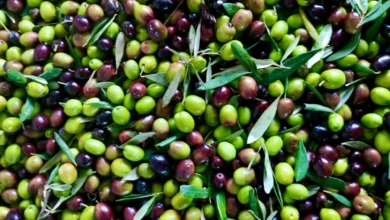
It is impossible to discuss the Mediterranean diet without acknowledging extra virgin olive oil, which serves as its absolute nutritional and culinary foundation. In nations such as Greece, which boasts the highest per capita consumption of olive oil in the world, the oil is utilized universally: for roasting, sautéing, dressing raw salads, flavoring cooked greens, and even incorporated into traditional baking and desserts.
Extra virgin olive oil—extracted mechanically without chemical solvents—is chemically distinguished by its high concentration of monounsaturated fatty acids, primarily oleic acid. More importantly, unrefined extra virgin olive oil retains potent antioxidant compounds known as polyphenols, including oleocanthal and oleuropein, which exhibit strong anti-inflammatory properties.
Nutritional science continually emphasizes that the Mediterranean diet is fundamentally a high-fat, yet heart-healthy, dietary pattern. Eliminating or drastically reducing olive oil to create a "low-fat Mediterranean diet" strips away its defining characteristic. Beyond its biochemical benefits, olive oil plays a crucial sensory role: its rich mouthfeel and flavor profile enhance the palatability of nutrient-dense vegetables that might otherwise be unappealing to consumers accustomed to processed foods.
5. Seasonal Vegetables: Phytochemical Diversity on the Plate
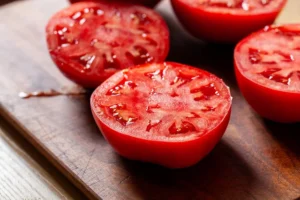
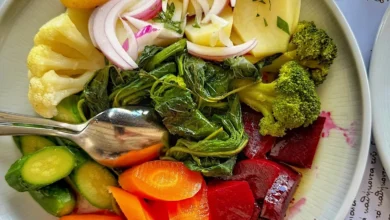
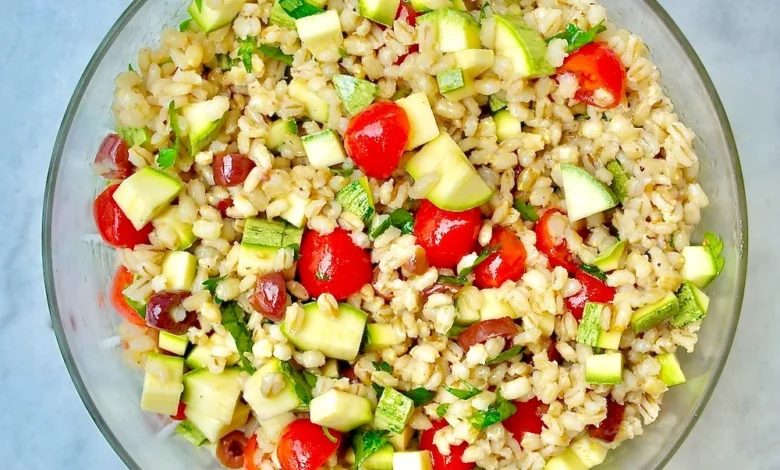
Vegetables form the undeniable centerpiece of the Mediterranean plate. Rather than serving as a minor side dish, produce such as tomatoes, eggplants, zucchini, bell peppers, leafy greens, onions, and cruciferous vegetables dominate daily menus.
Preparation methods are typically straightforward yet designed to maximize flavor: vegetables are frequently slow-cooked in olive oil (known as ladera dishes), roasted at high temperatures with herbs, or stuffed with rice, herbs, and legumes. This vegetable-forward paradigm ensures a high intake of dietary fiber, vitamins A, C, and K, potassium, and a vast array of protective phytochemicals and carotenoids.
Broader Economic, Agricultural, and Public Health Implications
The enduring appeal of the Mediterranean model has prompted significant policy discussions among public health organizations and agricultural economists worldwide. As non-communicable diseases—including obesity, cardiovascular disease, and metabolic disorders—continue to strain global healthcare systems, public health officials increasingly look to dietary patterns that emphasize whole, minimally processed foods over pharmaceutical interventions alone.
However, public health experts note a paradox: while the health benefits of the Mediterranean diet are globally celebrated, dietary habits within the Mediterranean region itself have shifted in recent decades. The globalization of food markets, urbanization, and the aggressive marketing of ultra-processed convenience foods have contributed to rising rates of childhood obesity and metabolic syndrome in southern European nations, prompting calls for renewed educational initiatives and agricultural policies that protect regional food heritage.
Economically, the authentic Mediterranean model promotes sustainable agricultural practices. By prioritizing seasonal, locally grown produce, regional grain cultivation, and small-scale olive farming, the dietary pattern inherently supports biodiversity, rural economies, and lower carbon footprints compared to industrial livestock production and heavily processed food manufacturing.
Conclusion: Real Wellness Through Sustainable Rituals
Ultimately, the enduring legacy of the Mediterranean diet lies beyond any single superfood, calorie restriction, or nutritional loophole. As practitioners and researchers emphasize, it is a holistic lifestyle pattern defined by intentional living: engaging with real, whole foods, cooking according to the seasons, sharing meals collectively within a community, and finding genuine pleasure in daily culinary rituals.
In an era saturated with conflicting nutritional dogma and extreme dietary restrictions, the Mediterranean approach offers a scientifically validated, culturally rich blueprint for lifelong health—proving that true wellness is found not in deprivation, but in a sustainable, joyful relationship with food and community.