California Counts Factory Farm Methane Reductions Multiple Times, Masking Emissions and Inflating Climate Progress

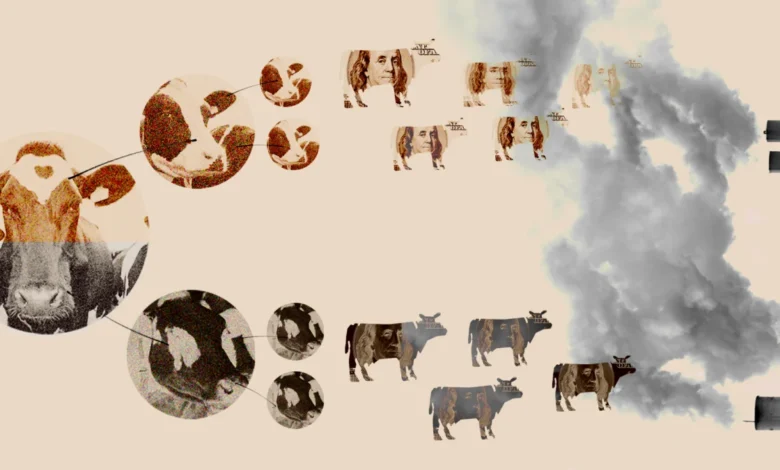
The Golden State is aggressively pursuing some of the most ambitious climate change goals in the United States, aiming to slash greenhouse gas emissions across every major sector of its economy. Among these initiatives, California has targeted the agricultural industry—specifically dairy farms—to curb emissions of methane, a greenhouse gas significantly more potent than carbon dioxide in the short term. Yet, an examination of the state’s regulatory framework reveals that California is engaging in contentious accounting practices, attributing the exact same emissions reductions to multiple independent climate programs. This methodology, commonly referred to as double-counting, has drawn intense scrutiny from environmental advocates, legal experts, and climate policy analysts who argue that the state is artificially inflating its progress toward a cleaner energy future.
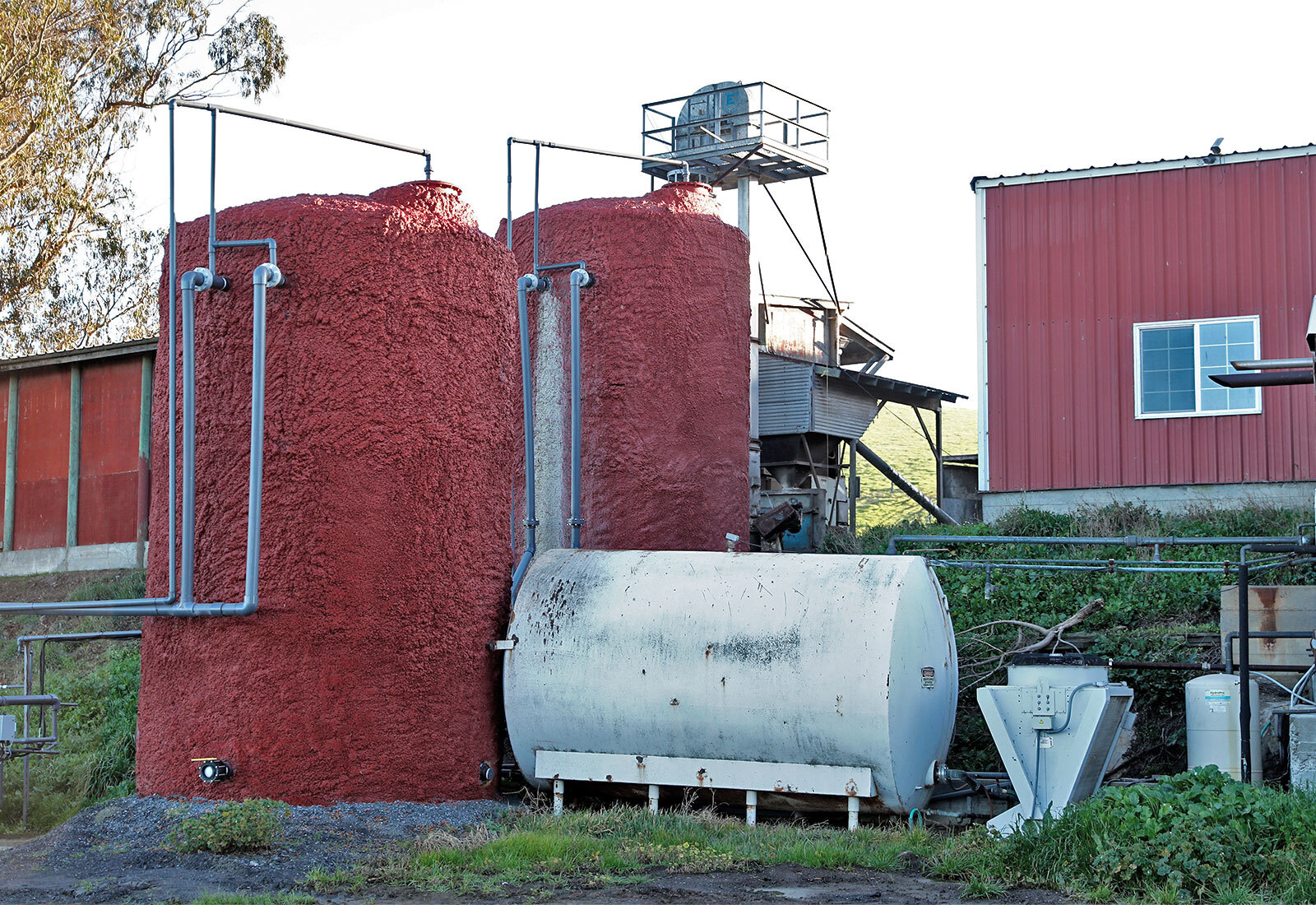
At the heart of the controversy are methane digesters, towering industrial systems installed on factory farms to capture gases released by pooled animal manure before they can escape into the atmosphere. While these projects successfully prevent millions of tons of greenhouse gases from warming the planet, California’s regulatory bodies have woven these interventions into a complex web of financial incentives and emissions credits. By layering state agricultural grants, mitigation funds tied to historic industrial disasters, and transportation fuel markets, the state is effectively treating individual factory farm gas systems as carbon-removal devices while simultaneously permitting higher emissions elsewhere.
The Mechanics of Methane and the Dairy Sector Challenge
California is home to a massive dairy industry that produces hundreds of thousands of tons of methane annually. This gas is primarily generated when massive herds of cattle produce waste that is flushed into open-air lagoons for storage and management. Because methane traps heat in the atmosphere at a rate vastly superior to carbon dioxide over a 20-year timeline, addressing agricultural emissions has become a cornerstone of the state’s climate strategy.
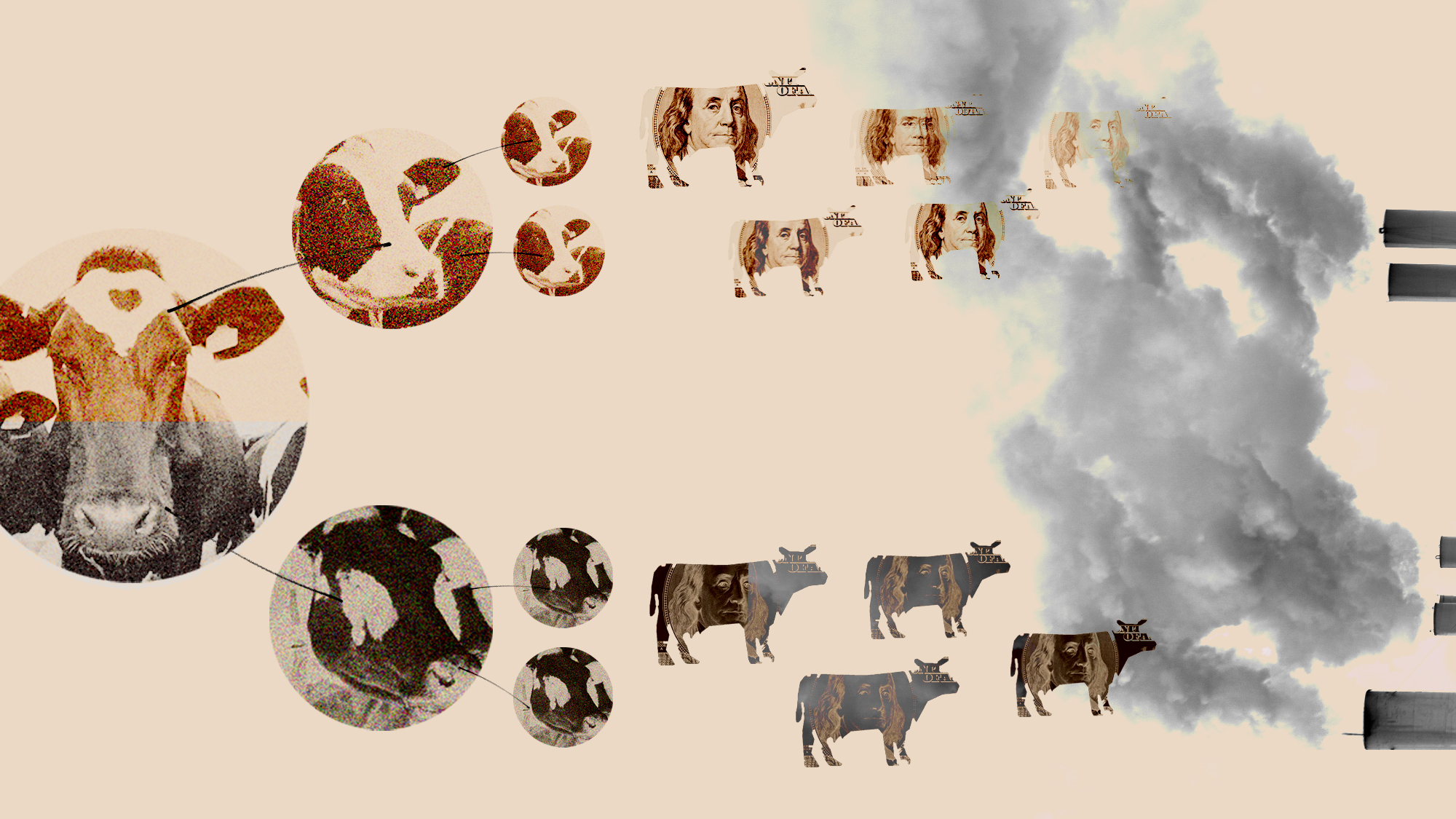
To combat this, the California Air Resources Board (CARB)—the state’s primary agency charged with overseeing air pollution and climate initiatives—established aggressive statutory targets. Under state mandates, the livestock sector must shrink its methane emissions by 40 percent below 2013 levels by the close of the decade. To achieve this, the state has directed millions of dollars in subsidies and grants to help dairy operators construct anaerobic digesters. These systems capture the methane, refine it into pipeline-quality natural gas, and inject it directly into the state’s commercial fuel supply.
By the end of the current year, these capture efforts are projected to prevent roughly 1.8 million metric tons of carbon dioxide equivalent from entering the atmosphere annually. However, the regulatory accounting used to credit these reductions has created a systemic loophole that allows the state to count the same ecological benefit twice: once toward agricultural sector targets, and again within the transportation fuel sector.
The Low Carbon Fuel Standard and Negative Carbon Scores
The primary vehicle for this dual-accounting mechanism is California’s Low Carbon Fuel Standard (LCFS), a prominent market-based program launched in 2011. The overarching objective of the LCFS is to progressively lower the average carbon footprint of all transportation fuels sold within the state. CARB establishes an annual "carbon intensity" benchmark for fuels, which drops incrementally each year. Traditional fossil fuels, such as gasoline and diesel extracted via conventional methods or fracking, possess high carbon intensity scores because they release large volumes of greenhouse gases across their life cycle.
Conversely, alternative fuel producers whose products fall below the annual carbon intensity target can generate and sell valuable LCFS credits to higher-polluting competitors. The market is designed so that credits and deficits balance out, theoretically driving a downward trend in overall carbon intensity.
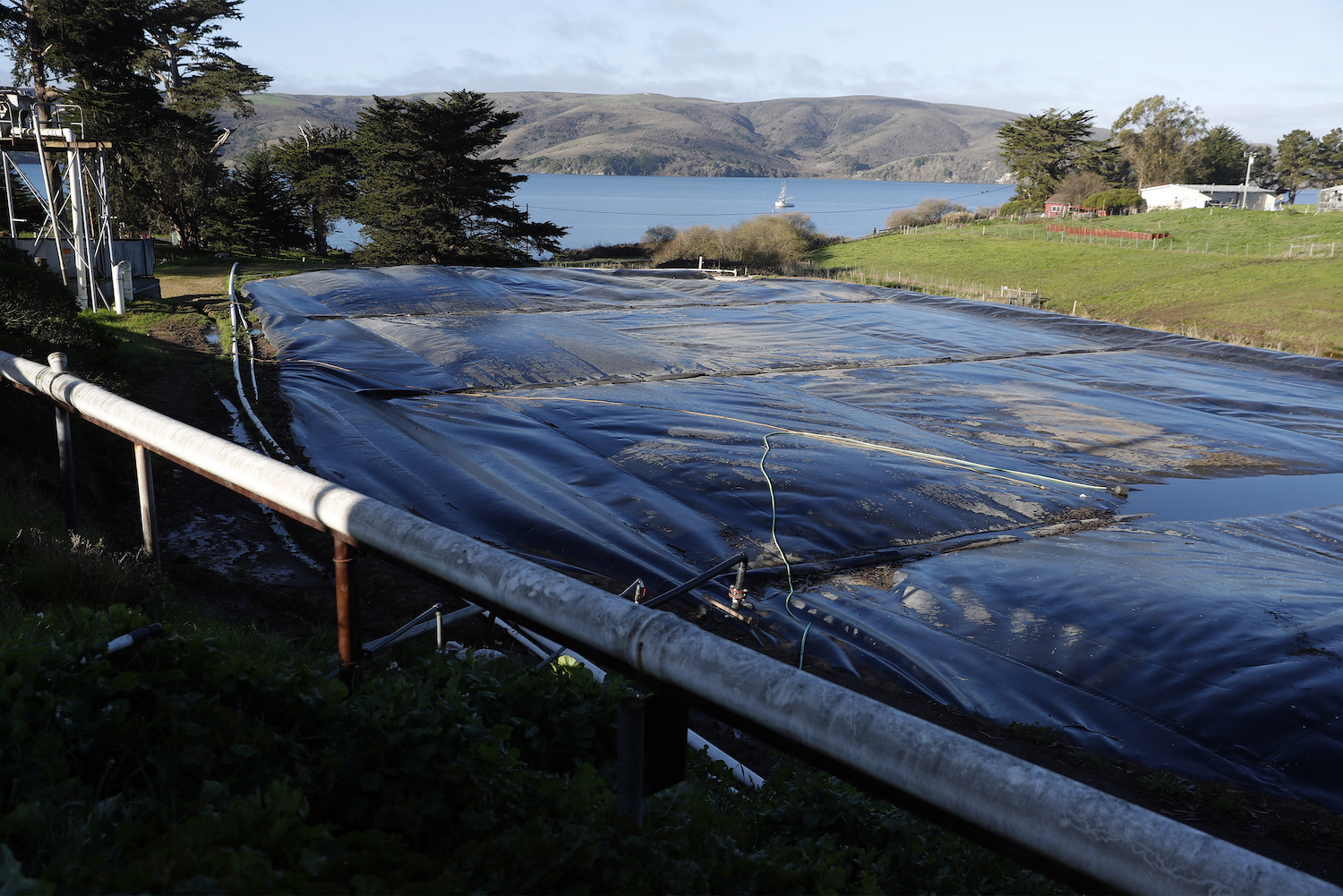
When dairy farms capture manure methane and convert it into natural gas for vehicles, CARB evaluates the fuel using a comprehensive "well-to-wheel" analysis. Because the process prevents raw methane from venting directly into the atmosphere—an outcome treated as an avoided emission—the state awards the resulting dairy biomethane a heavily negative carbon intensity score. In the eyes of the LCFS program, this natural gas is not merely clean; it is calculated as a fuel that actively pulls emissions out of the air.
This valuation allows energy companies and dairy operators to reap massive financial windfalls. Aggregate data indicates that manure-based fuels generated more than 2.1 million credits in a single recent year, representing approximately 10 percent of all LCFS credits issued despite accounting for a small fraction of total alternative fuel volumes. For major energy conglomerates invested in these projects, the accumulation of negative carbon scores translates into highly lucrative, double-digit financial returns.
Convergence of Climate Programs: The Aliso Canyon Precedent
The phenomenon of double-counting extends beyond the LCFS framework. In late 2021, a coalition of environmental justice organizations and San Joaquin Valley residents—represented by the legal advocacy group Public Justice—filed a formal petition with CARB, highlighting systemic regulatory overlaps. The petition detailed multiple instances where emissions reductions achieved through dairy digesters were simultaneously credited to the LCFS program and another major climate initiative: the Aliso Canyon Mitigation Agreement.
The Aliso agreement originated in the wake of one of the largest environmental disasters in U.S. history. In 2015, a catastrophic natural gas leak at the Aliso Canyon underground storage facility in Los Angeles County, operated by Southern California Gas Company (SoCalGas), released approximately 109,000 metric tons of methane into the atmosphere over 100 days. The disaster forced thousands of families to evacuate and severely compromised regional air quality.
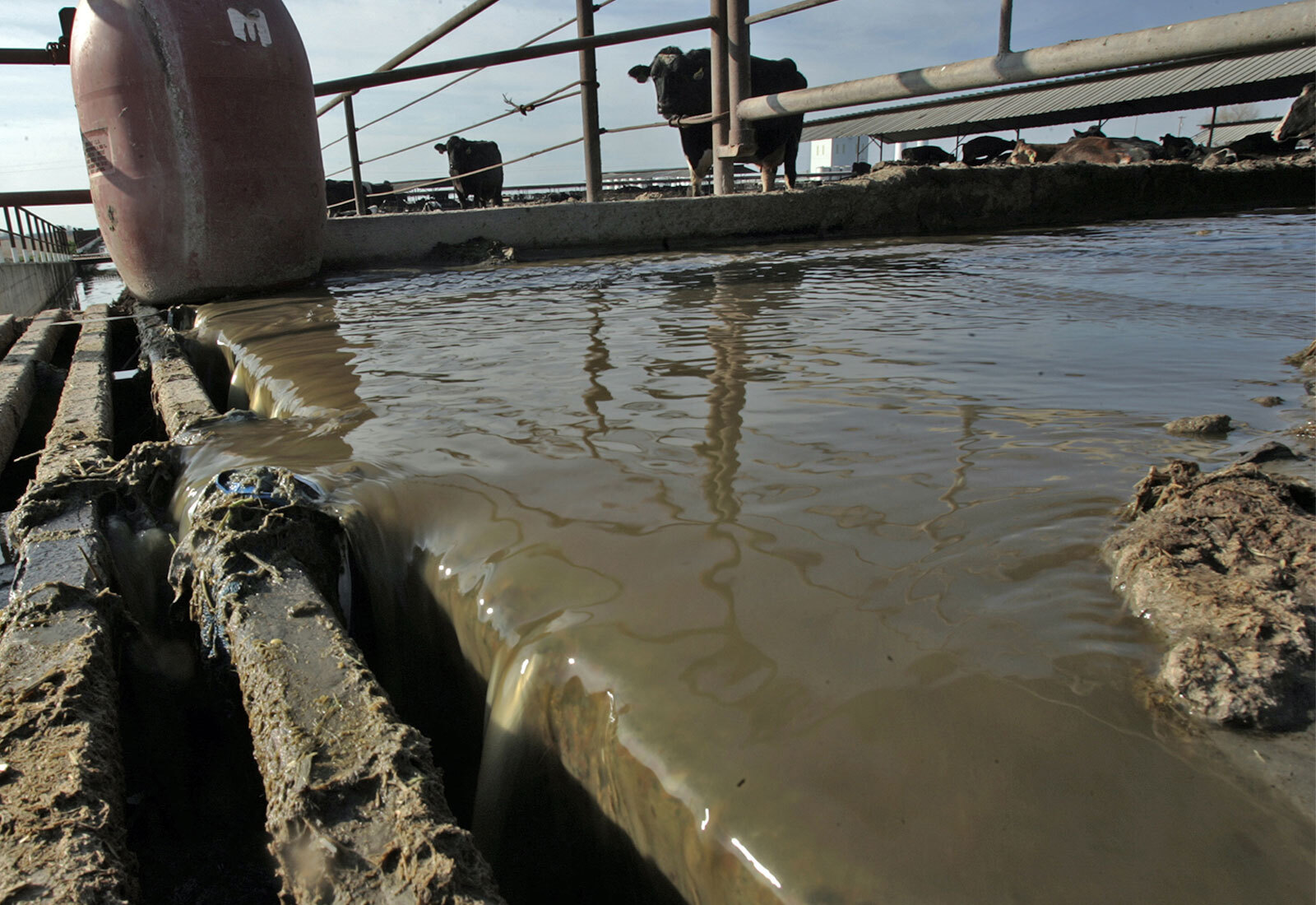
To settle liabilities and mitigate the climate damage, CARB negotiated an agreement requiring SoCalGas to fund long-term environmental offsets. Consequently, more than $25 million in loans and grants has been funneled to California dairy farms to construct methane digesters intended to capture an equivalent amount of greenhouse gases over time. Major energy players, including Chevron and California Bioenergy, partnered in these regional digester projects across the San Joaquin Valley.
However, the petition points out a profound regulatory contradiction: the exact same dairy digester projects funded to offset the Aliso Canyon disaster are also enrolled in the LCFS program. This dual participation creates a perverse market incentive. When a dairy digester generates an LCFS credit and sells it to a fossil fuel producer, that credit grants the buyer a regulatory license to emit more greenhouse gases than would otherwise be permissible. Critics argue that this dynamic completely undermines the premise of the Aliso agreement, as the mitigation achieved at the farm is canceled out by increased emissions permitted elsewhere in the transportation sector.
The Debate Over Additionality and Incentive Stacking
Central to the criticism leveled against CARB is the core climate policy principle of "additionality." In carbon accounting, a project is considered additional only if the emissions reductions it achieves would not have occurred in the absence of the specific program or subsidy in question.
Environmental attorneys and policy analysts argue that if a dairy farm has already received substantial public funding—such as an agricultural department grant or capital from the Aliso Canyon settlement—to build a methane digester, the subsequent issuance of LCFS credits fails the additionality test. Because the infrastructure and the emissions reductions were already guaranteed by prior funding mechanisms, the LCFS program provides no independent causal incentive for the environmental benefit.
"That is a classic case of double counting," noted Danny Cullenward, policy director at Carbon Plan, an independent nonprofit climate analytics organization. "The same ton is counted in two places."
Industry representatives, however, defend the practice of combining multiple revenue streams—a strategy commonly known as "incentive stacking." Michael Boccadoro, executive director of the dairy industry coalition DairyCares, has asserted that the high capital costs associated with anaerobic digesters make them financially non-viable without multiple sources of public and private support. From the perspective of agricultural producers and energy developers, stacking incentives is necessary to make the technology economically feasible.
Furthermore, critics warn that over-incentivizing methane capture creates perverse economic incentives for the livestock industry. When the production of animal waste and its subsequent conversion into gas become highly profitable revenue streams, farms may lack financial motivations to reduce herd sizes or manage manure through methods that generate less waste. Instead, the system risks rewarding the sustained generation of agricultural pollution.
Regulatory Response and Future Implications
Faced with mounting pressure from legal petitioners and environmental watchdogs, CARB has defended its administrative approach. In its formal response denying the public petition, the agency maintained that state law does not explicitly mandate an additionality test for the LCFS program. A CARB spokesperson emphasized that California’s various climate initiatives frequently operate within the same economic sectors to foster holistic technological transitions, arguing that directing agricultural methane into the transportation sector supports both rural emissions reductions and fossil fuel displacement.
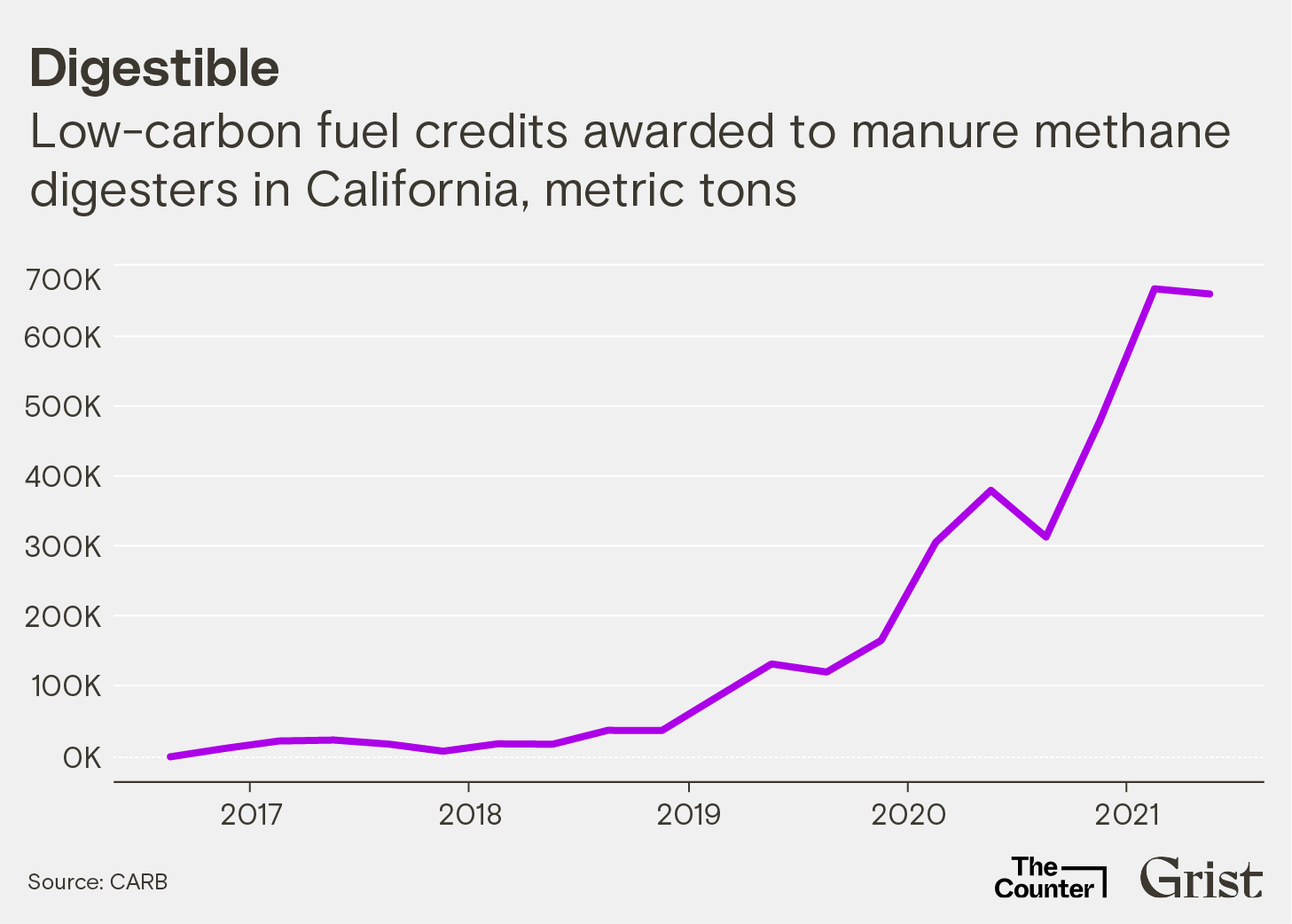
Despite these assurances, independent analyses suggest that the state’s accounting methodology obscures the true trajectory of its emissions reductions. As dozens of new dairy digesters continue to break ground across the Central Valley—with nearly 100 additional facilities slated for completion—the reliance on negative carbon scoring under the LCFS remains a foundational pillar of California’s climate strategy.
Whether state regulators will eventually bow to pressure and reform their carbon accounting protocols remains uncertain. For now, environmental advocates continue to push for structural transparency, arguing that true climate progress requires rigorous accounting rather than administrative maneuvers that paper over ongoing pollution.