Beyond the Practice: Why Outcome-Based Frameworks are Defining the Future of Regenerative Agriculture

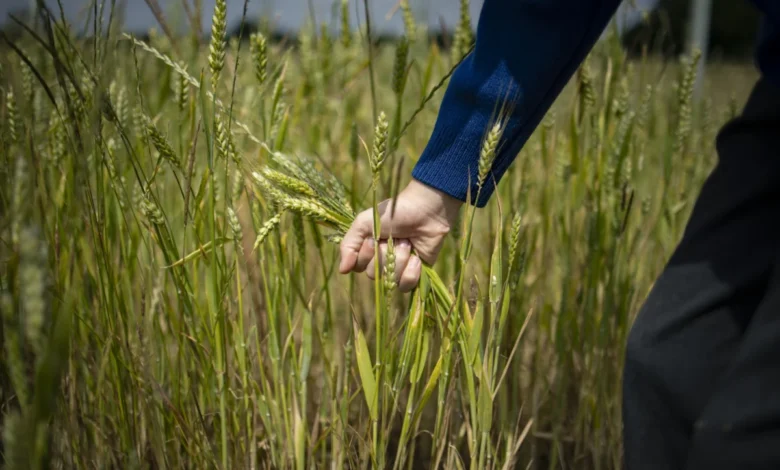
Regenerative agriculture is not defined by a single set of practices, but by the outcomes it delivers. The new Regen10 Outcomes Framework is the first globally co-developed attempt to define what those outcomes should be across farms and the wider food system. As the agricultural sector faces the dual pressures of climate change and biodiversity loss, the transition from prescriptive, practice-based metrics to holistic, outcome-oriented frameworks marks a significant shift in how global food systems are measured and managed.
The Evolution of a Paradigm
For decades, agricultural policy and industrial farming incentives have focused on standardized, binary practices—such as the application of specific fertilizers or the adoption of no-till farming. However, as Olivia Boothman, Projects Manager at the Global Farm Metric, notes, the nuance of land management is often lost in such rigid protocols. A farm is not a static factory; it is a complex, living ecosystem influenced by local climate, historical land use, and economic volatility.
The concept of regenerative agriculture gained mainstream traction during the early 2020s, accelerated by the supply chain disruptions of the Covid-19 pandemic. As local communities saw the resilience of regional, seasonal food systems, the discourse shifted toward "stewardship"—the idea that farming is a holistic practice that preserves cultural, ecological, and physical health. The Regen10 Outcomes Framework represents the next step in this evolution, moving away from "checking boxes" and toward measuring actual ecological and social health.
Chronology of the Framework’s Development
The development of the Regen10 framework did not occur in a vacuum. It is the culmination of years of collaborative dialogue involving farmers, indigenous leaders, corporate stakeholders, and environmental scientists.
- 2020–2021: Initial global discussions highlight the fragmentation of regenerative definitions. Many organizations attempt to define regenerative agriculture solely through carbon sequestration or soil health, leaving out social and economic indicators.
- 2022: The Global Farm Metric (GFM) begins consolidating various assessment methodologies into a unified, cross-sector approach.
- 2023: Regen10, a multi-stakeholder collaborative, launches an extensive consultation phase. This involves farm trials across various geographies—from the drought-prone regions of sub-Saharan Africa to the intensive arable lands of Europe.
- 2024: The formal launch of the Outcomes Framework provides a standardized language for stakeholders to evaluate regenerative progress without prescribing universal, one-size-fits-all operational steps.
The Limitation of Practice-Based Models
Critics of previous regenerative models have long argued that focusing solely on "practices" can lead to greenwashing. For example, a farm might adopt "cover cropping"—a standard regenerative practice—but if the farm’s overall water usage remains unsustainable or if it fails to provide fair wages for labor, it cannot be considered truly regenerative.
The Regen10 framework addresses this by focusing on indicators such as:
- Soil Health: Measuring organic matter and microbial activity as a baseline for land resilience.
- Water Quality and Availability: Monitoring the impact of farming on local watersheds.
- Biodiversity: Assessing the presence of native flora and fauna as an indicator of ecosystem health.
- Social Prosperity: Evaluating the economic viability for farmers and the nutritional security of the surrounding community.
Supporting Data: The Need for Holistic Metrics
The economic and environmental urgency for this framework is underscored by global data. According to the United Nations Food and Agriculture Organization (FAO), approximately 33% of the world’s soils are already moderately to highly degraded. Without a shift toward regenerative outcomes, the cost of soil degradation is projected to exceed trillions of dollars in lost agricultural productivity by 2050.
Furthermore, the IPCC (Intergovernmental Panel on Climate Change) has emphasized that agriculture must transition from being a carbon source to a carbon sink. However, current data collection methods remain siloed. The Regen10 approach attempts to harmonize these metrics, aligning them with the Sustainable Development Goals (SDGs) and the Kunming-Montreal Global Biodiversity Framework (GBF). By creating a common language, the framework allows for more transparent investment, as businesses and governments can now evaluate the actual impact of their agricultural subsidies and investments.
Perspectives from the Field
For the working farmer, the outcome-based approach is seen as a liberation from rigid, ineffective bureaucracy. In regions where water is scarce, for instance, the "standard" practice of heavy cover cropping might deplete local water tables, causing more harm than good.
"An outcome-based approach gives farmers the autonomy to adapt," says Boothman. "It recognizes that the farmer knows their land best. If the goal is soil health and water retention, they should be empowered to select the specific strategy—be it livestock integration or crop rotation—that fits their unique geography."
Industry stakeholders, including supply chain managers and ESG (Environmental, Social, and Governance) investors, have expressed cautious optimism. While companies are eager to report on "regenerative progress," they have historically struggled with the lack of standardized reporting. The Regen10 framework offers a benchmark, allowing corporations to demonstrate tangible progress toward climate targets while supporting local farming communities.
Broader Implications for Global Food Systems
The shift toward an outcome-based framework has significant implications for global policy:
- Policy Alignment: Governments can move away from subsidizing specific machinery or inputs and toward rewarding verifiable outcomes, such as increased carbon sequestration or improved biodiversity scores.
- Market Transparency: For the consumer, this framework could eventually translate into clearer, more meaningful labeling that reflects the actual impact of a product’s production process.
- Investment Accountability: Financial institutions can utilize the framework to assess the long-term risk of their agricultural portfolios. Farms that demonstrate consistent, outcome-based improvement are inherently lower-risk investments than those reliant on resource-depleting, short-term practices.
The Path Forward: Avoiding a "Fixed State"
A critical takeaway from the Regen10 initiative is the rejection of the idea that a farm can be "fully regenerative." Instead, the framework positions regeneration as a continuous journey of improvement. It asks fundamental, challenging questions: Is the soil more resilient today than it was five years ago? Are local communities experiencing higher levels of food security?
By shifting the focus from a fixed destination to a process of constant iteration, the framework aligns agriculture with the natural cycles of growth and renewal. As Olivia Boothman reflects, the power of regenerative agriculture lies not in the adherence to a manual, but in the restoration of nature and human health.
The Regen10 Outcomes Framework acts as the compass for this transition. By providing a global reference point, it bridges the gap between disparate sectors, ensuring that the movement toward regenerative agriculture is rooted in evidence, driven by farmer expertise, and committed to a sustainable future for the global food system. As the world continues to navigate the complexities of climate change, the success of this framework will likely serve as a blueprint for how other industries might transition toward more sustainable, outcome-based operational models.
Related posts: