Creamy Vegan Peanut and Sweet Potato Ramen Redefines Plant-Based Comfort Food

The global culinary landscape has witnessed a significant surge in demand for innovative plant-based comfort foods, prompting home cooks and professional chefs alike to reimagine traditional dishes without relying on animal-derived ingredients or heavy dairy products. Among the most popular transformations is ramen, a Japanese culinary staple traditionally celebrated for its rich, gelatinous, and long-simmered broths. A newly popularized recipe developed by culinary creator Alejandra Graf introduces an ingenious approach to achieving this signature richness entirely through plant-based components: a velvety broth built upon the foundations of roasted sweet potato and natural peanut butter. This development marks a noteworthy shift in modern home cooking, demonstrating that complex, deep flavors and luxurious textures can be achieved quickly and sustainably in a domestic kitchen environment.
Traditional ramen broths, such as tonkotsu, often require hours or even days of simmering pork bones to extract collagen and fat, resulting in a thick, opaque liquid that coats the palate. Plant-based adaptations have historically attempted to replicate this mouthfeel using alternative fats and emulsifiers, frequently relying on coconut milk, soy milk, or heavy-handed applications of sesame-based tahini and miso paste. While effective, these ingredients can sometimes introduce competing flavor profiles that overshadow the fundamental umami characteristics of the soup. By introducing roasted sweet potatoes—which contribute natural sweetness, body, and a smooth purée texture—alongside unsweetened peanut butter, this new recipe achieves a silky, full-bodied consistency while maintaining a harmonious balance between sweet, savory, and nutty notes.
The culinary technique centers on simplicity and efficiency, diverging dramatically from the multi-day preparation timelines associated with authentic Japanese ramen houses. According to standard preparation guidelines outlined for the dish, the entire cooking process requires approximately 40 minutes, divided evenly between active preparation and thermal processing. The foundational broth begins with a simple base of aromatic vegetables, including garlic, ginger, onions, and earthy mushrooms, which are lightly sautéed to release their volatile aromatic compounds. Once the base aromatics are developed, the roasted sweet potato and peanut butter are incorporated into the mixture before being blended into a uniform, silky liquid. This method eliminates the need for complicated thickening agents, relying instead on whole-food starches and healthy plant fats to construct the desired texture.

A critical component of this culinary methodology is the separation of the concentrated seasoning sauce, known in traditional ramen terminology as the tare, from the main stock pot. In professional and traditional settings, the tare provides the primary source of saltiness and depth, allowing diners or chefs to customize the salinity of each individual bowl. In Graf’s recipe, a straightforward four-ingredient tare is prepared independently and added directly to individual serving vessels rather than the central cooking pot. This structural choice grants the consumer precise control over the flavor profile of their meal, accommodating diverse dietary preferences regarding sodium intake and seasoning intensity. Furthermore, it preserves the integrity of the base vegetable and peanut broth, which can be stored safely in refrigeration for up to one week or frozen for long-term preservation.

The selection of noodles further enhances the adaptability of the dish, aligning with contemporary nutritional trends that prioritize allergen awareness and dietary inclusivity. While traditional ramen noodles are crafted from wheat flour, kansui (alkaline mineral water), and salt, this modern iteration recommends alternatives such as gluten-free brown rice and millet noodles produced by specialized manufacturers like Lotus Foods. For individuals seeking lower carbohydrate options or increased vegetable intake, the recipe notes that spiralized zucchini noodles serve as a viable green alternative. This flexibility has contributed to the broad appeal of the recipe among families managing diverse dietary restrictions, transforming a traditionally wheat-centric comfort food into an accessible meal for gluten-sensitive households.

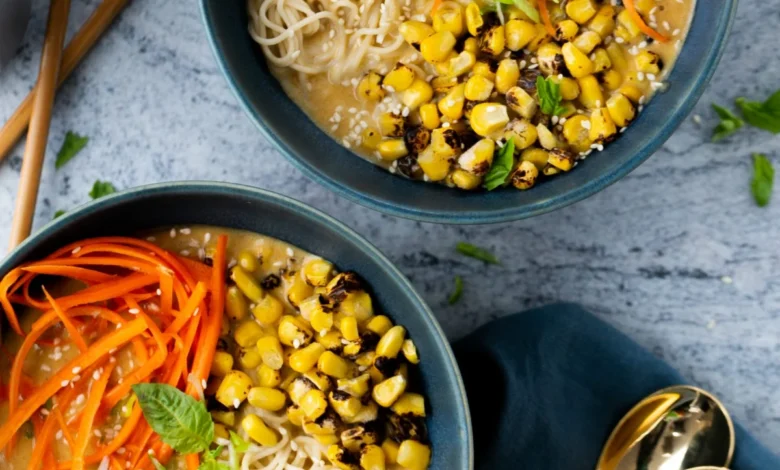
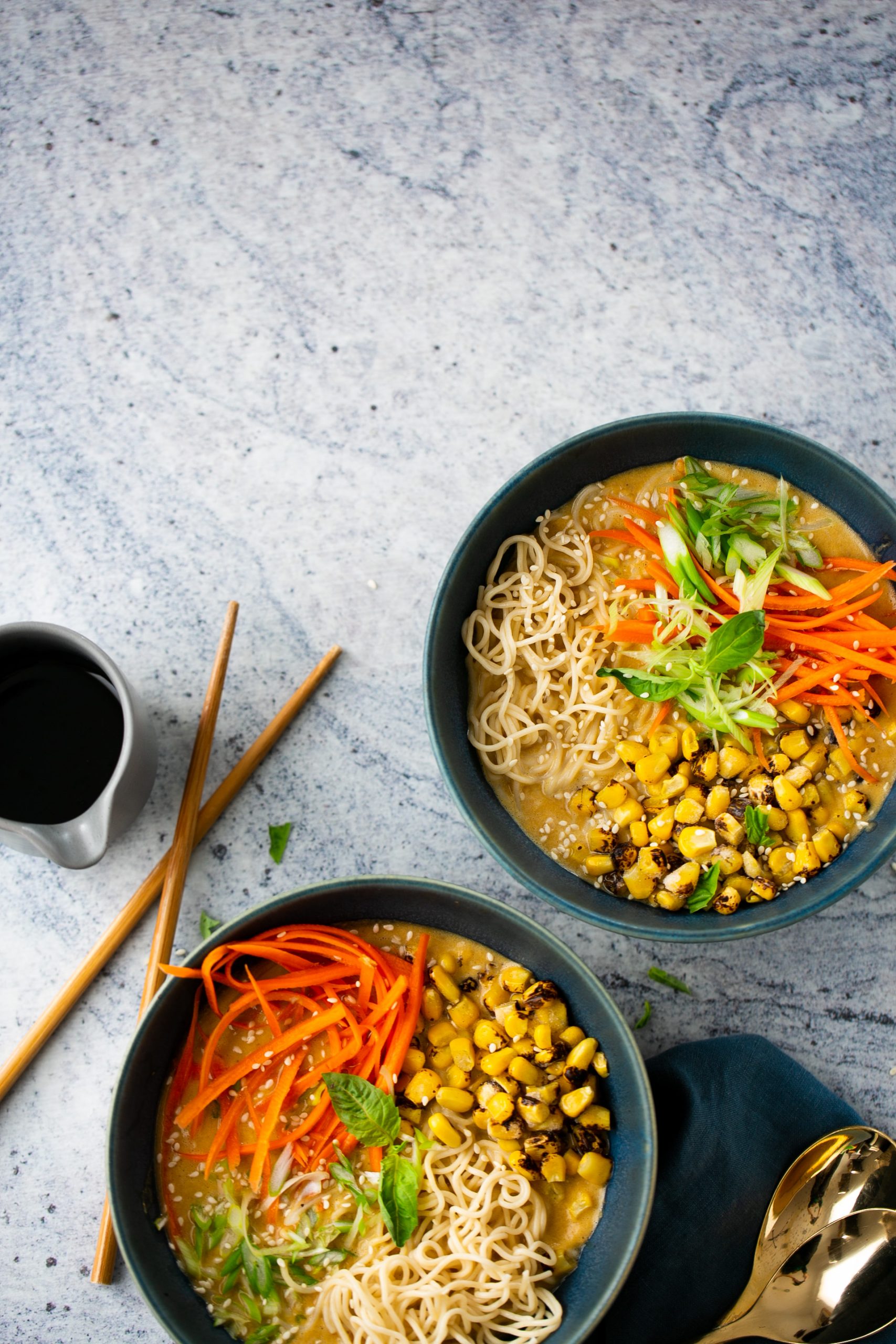
Balancing the rich, viscous nature of the peanut and sweet potato broth requires deliberate attention to the selection of toppings and garnishes. Culinary experts emphasize that heavy, viscous soups risk becoming cloying if not properly counterbalanced by fresh, acidic, and texturally contrasting elements. To address this, the recipe incorporates crisp, raw shredded vegetables, charred sweet corn, finely minced scallions, and an assortment of fresh culinary herbs. These fresh toppings introduce a necessary crunch and brightness that cuts through the density of the peanut emulsion, preventing palate fatigue and elevating the overall sensory experience of the bowl.

The broader implications of this recipe reflect a larger cultural movement toward democratizing complex international cuisines for everyday home preparation. As consumers increasingly seek out plant-based recipes that do not compromise on flavor or satisfaction, innovators in the digital food space are continually discovering unexpected ingredient pairings that bridge traditional techniques with modern nutritional demands. By substituting labor-intensive animal bones with accessible root vegetables and pantry staples like peanut butter, home cooks can replicate the complex sensory experience of restaurant-quality ramen within a fraction of the time, signaling a permanent evolution in how global comfort foods are interpreted and consumed in contemporary domestic spaces.