The Ancient Geology and Sustainable Future of French Viticulture: A Case Study of Chêne Bleu and the Dentelles de Montmirail

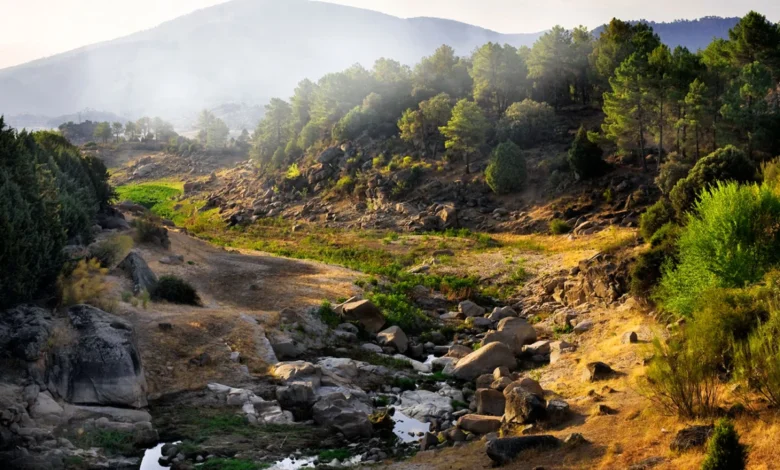
Tens of millions of years ago, the same tectonic collision that formed the Pyrenees created the Dentelles de Montmirail in the western foothills of Mont Ventoux in southeast France, powerful geological forces thrusting a portion of the Earth’s crust upwards until layers of Jurassic limestone were near-vertical. Today, nestled within a unique geological cradle on the northern side of this jagged mountain range, lies Chêne Bleu, a winery housed in a ninth-century priory that serves as a modern testament to the intersection of ancient terroir and 21st-century environmental stewardship.
The Geological Foundation of the Dentelles de Montmirail
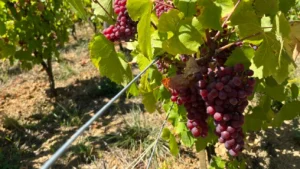
The Dentelles de Montmirail, whose name derives from the French word for "lace" due to the serrated, delicate appearance of the rock formations, represent one of the most distinct viticultural landscapes in the Southern Rhône Valley. Formed during the late Cretaceous and early Paleogene periods, the uplift of the Jurassic limestone creates a complex patchwork of soil profiles. This geological upheaval provides a significant advantage for viticulture: the near-vertical orientation of the rock allows for deep root penetration and excellent natural drainage, which are essential for producing high-quality, concentrated grapes.
For the wineries operating in this micro-climate, the land is not merely a medium for agriculture but a historical archive. The soil composition—rich in calcium carbonate and fossilized marine life—imparts a characteristic minerality to the wines produced in the region. However, the extreme topography also presents significant challenges, requiring viticulturists to manage soil erosion and implement precise canopy management to protect fruit from the intense Mediterranean sun reflected off the limestone walls.
Sustainability as a Modern Imperative
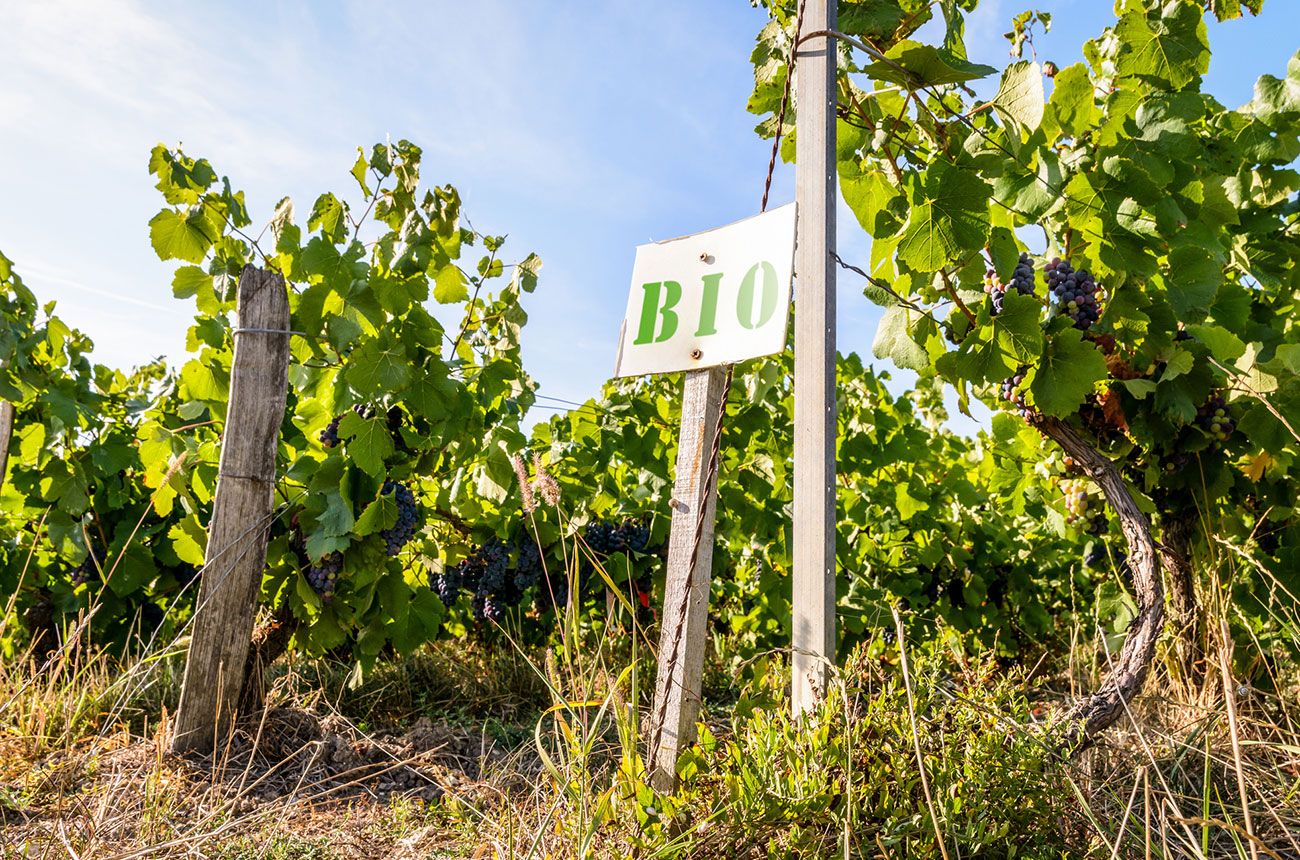
In the contemporary wine industry, the focus has shifted from mere production volume to long-term ecological viability. As Natalie Earl, Decanter’s France and Sustainability Editor, notes, every bottle of organic, biodynamic, or regeneratively farmed wine purchased by a consumer acts as a tangible vote for land preservation. The transition toward these practices is not merely a marketing trend but a necessary response to the shifting climate patterns affecting the Mediterranean basin.
Data from the French Ministry of Agriculture indicates that the number of certified organic vineyards in France has surged by over 200% in the last decade. Producers in areas like the Dentelles de Montmirail are at the forefront of this shift, as the naturally dry, windy climate of the region—influenced by the Mistral wind—naturally suppresses fungal diseases, making organic viticulture more feasible than in more humid northern regions.
A Chronology of Stewardship at Chêne Bleu
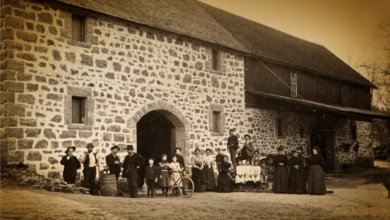
The site of Chêne Bleu, historically known as La Verrière, has been a center of human activity since the medieval period. The ninth-century priory, which once served as a place of refuge for travelers and monks, has been meticulously restored to house modern vinification facilities while maintaining its archaeological integrity.
- 9th–12th Century: Construction of the original priory and the establishment of early viticulture by monastic orders who recognized the unique drainage properties of the limestone-rich hillsides.
- Late 20th Century: The estate undergoes a period of abandonment and subsequent acquisition by the Rolet family, who committed to an extensive restoration project.
- 2006: The release of the first vintage under the Chêne Bleu label, marking a formal transition toward high-end, environmentally conscious production.
- 2010s–Present: The estate gains recognition for its commitment to "extreme" viticulture, focusing on biodiversity corridors and the elimination of synthetic pesticides, alongside the integration of bee-friendly farming initiatives.
Data-Driven Insights: The Economic and Environmental Balance
The adoption of regenerative farming—a practice that goes beyond organic certification to include carbon sequestration and soil health restoration—is becoming a benchmark for premium French estates. According to reports from the International Organisation of Vine and Wine (OIV), vineyards that implement cover cropping and avoid soil compaction can sequester up to 2.5 tons of carbon per hectare annually.
Furthermore, the economic implications for these estates are significant. While the initial costs of implementing organic and biodynamic protocols are roughly 15–20% higher than conventional farming due to manual labor requirements, the long-term resilience of the vines in the face of drought provides a hedge against climate-related yield fluctuations. For estates like Chêne Bleu, the premium pricing commanded by high-quality, sustainably produced wines justifies the investment in labor-intensive ecological maintenance.
Official Perspectives on Environmental Compliance
Industry leaders and regulators are increasingly emphasizing the role of the wine sector in the European Green Deal. The French government has established the "High Environmental Value" (HVE) certification, which provides a tiered framework for producers to move toward more sustainable practices.
While proponents of organic viticulture argue that certifications should be stricter, the consensus among regional bodies is that biodiversity is the key to future-proofing the French wine industry. By creating "bee-friendly" environments and maintaining hedgerows, wineries are not only protecting local pollinators—essential for the ecosystem—but are also creating natural barriers against pests and extreme winds.
The Broader Impact: Why Terroir Matters
The case of the Dentelles de Montmirail highlights a broader trend: the "re-wilding" of the vineyard. In the past, industrial agriculture favored clean, sterile soil. Today, the most prestigious estates in France are moving toward a model where the vineyard is part of a larger, functioning ecosystem. This shift is not just about the final product in the glass; it is about preserving the geological and biological history of the region for future generations.
The implications for the consumer are profound. When buying wine from regions like the Rhône, the label is increasingly becoming a proxy for a set of values. The "ethical drinker," as described in recent industry analysis, is looking for transparency in the supply chain—from the limestone-based soil management to the energy consumption of the cellar.
Looking Toward the Future
As climate change continues to alter the viticultural map of Europe, the strategies employed at sites like Chêne Bleu will likely become the standard rather than the exception. The combination of ancient, resilient geological formations and modern, science-based regenerative farming offers a roadmap for the future of viticulture.
The challenge remains in scaling these practices. While boutique wineries have the flexibility to implement bespoke environmental programs, larger estates must navigate the logistical complexities of transitioning vast tracts of land to organic or biodynamic management. However, the mounting evidence—both in terms of wine quality and soil health—suggests that the industry is at a point of no return.
The Dentelles de Montmirail, with their jagged, vertical limestone peaks, serve as a permanent reminder of the power of nature. By working in harmony with this ancient landscape rather than against it, winemakers are ensuring that the region remains a bastion of viticultural excellence. As the industry moves forward, the integration of traditional wisdom and modern ecological science will remain the most effective tool in maintaining the integrity of French wine, ensuring that the terroir—the very essence of the land—remains as vibrant and productive as it was when the mountains were first thrust toward the sky.