As the autumn season settles in and households transition into busier schedules marked by school terms, professional commitments, and shifting daylight hours, home-cooking strategies are undergoing a notable evolution. Culinary platforms and family lifestyle organizers are increasingly emphasizing batch-cooking and freezer-prep methodologies to streamline domestic routines. A prominent example of this growing trend is the October Fall Freezer Meal initiative, spearheaded by food publisher and recipe developer Lindsay Ostrom. Designed to alleviate the persistent weeknight dilemma of meal planning, this systematic approach to food preparation offers a practical solution for families seeking nutritious, home-cooked dinners without the daily time investment typically required during peak autumn weeks.
Background and Context of the Autumn Prep Trend
The concept of freezer meal preparation is not entirely novel; however, its resurgence in contemporary households is driven by distinct socio-economic factors. Modern families face escalating time constraints, rising grocery costs, and a collective desire to minimize food waste while avoiding the reliance on heavily processed convenience foods or frequent restaurant dining. According to recent culinary and consumer behavior studies, meal-prepping has transitioned from a niche hobby into an essential household management strategy.
By dedicating a minimal window of time—typically an hour per month—to assemble raw or partially prepared ingredients into designated storage bags, consumers can effectively curate a library of ready-to-cook meals. This method optimizes grocery purchasing by allowing bulk buying of seasonal produce and proteins, thereby reducing overall food expenditure. The October Fall Freezer Meal collection capitalizes on these economic and logistical advantages by focusing on seasonal ingredients that align with consumer preferences for comforting, warm autumn dishes.
Chronology of the Monthly Meal-Prep System
The implementation of a monthly freezer-prep system follows a structured chronology designed to maximize efficiency and minimize friction in the kitchen. The process begins well in advance of the cooking phase, starting with systematic meal selection and inventory checks of household pantry staples.
Phase One: Planning and Procurement
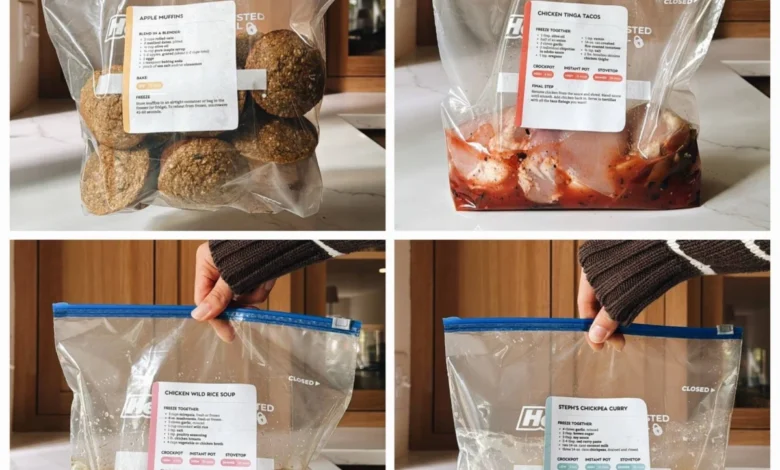
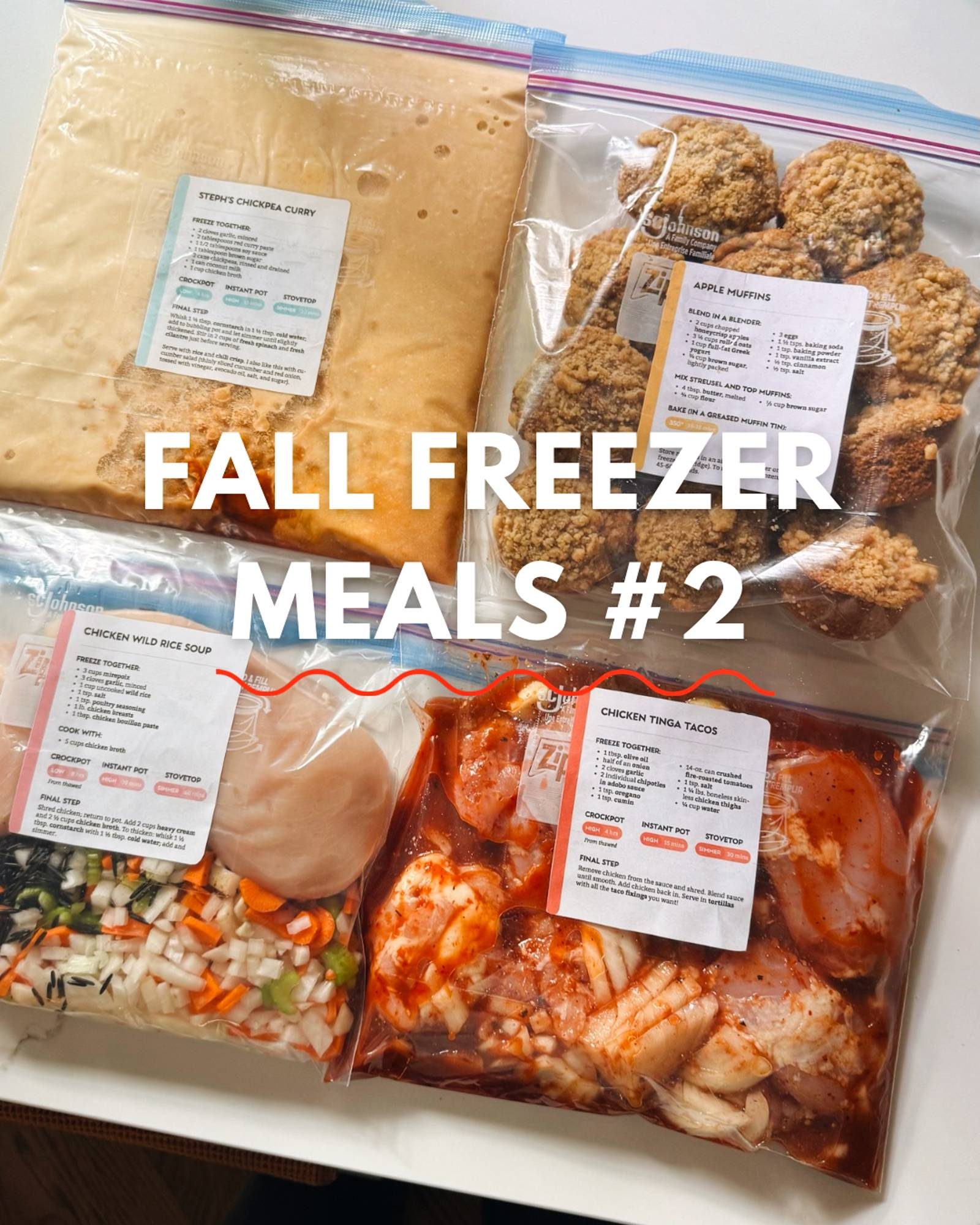
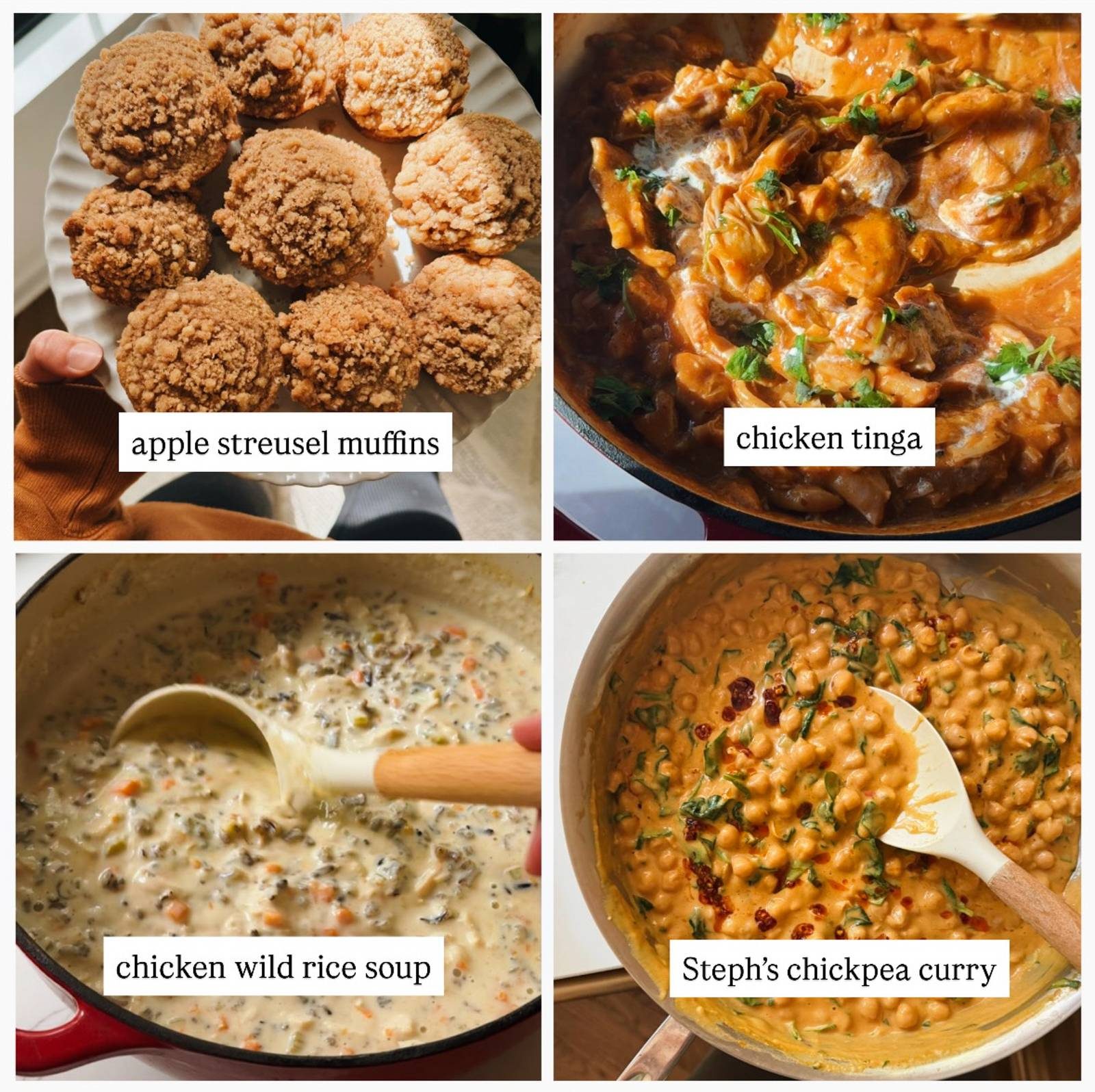
The initial step involves reviewing curated recipes tailored to the specific season. For the October collection, the lineup features four distinct dishes: Apple Streusel Muffins, Chicken Tinga Tacos, Chicken Wild Rice Soup, and Steph’s Chickpea Curry. Once recipes are chosen, a consolidated grocery list is generated. Utilizing standardized grocery lists paired with printable bag labels streamlines the shopping experience, ensuring that all necessary proteins, vegetables, and pantry items are acquired in a single trip.
Phase Two: Assembly and Freezing
The core of the preparation model takes place during a single, focused session lasting approximately 60 minutes. During this phase, non-perishable and raw ingredients—such as diced vegetables, raw proteins, spices, and sauces—are combined directly into heavy-duty freezer bags or airtight containers. Liquid elements or delicate components that might compromise texture during extended freezing are often withheld until the final cooking stage. Once assembled, the bags are labeled with clear instructions, cooking times, and required liquid additions, then laid flat in the freezer to optimize storage space.
Phase Three: Execution and Versatility
Unlike traditional slow-cooker recipes that require complete thawing prior to cooking, the modern freezer-meal framework emphasizes flexibility. The recipes featured in the October collection are specifically engineered for multiple culinary appliances, accommodating Crockpot, Instant Pot, and stovetop methods. This adaptability allows consumers to transition meals seamlessly from frozen or thawed states to the dining table, depending on daily schedule fluctuations.

An Overview of the October Recipe Collection
The culinary selections for the October freezer meal plan are curated to balance nutritional value, preparation ease, and seasonal flavor profiles. Each recipe offers specific yield metrics and multi-device cooking instructions to accommodate diverse household sizes and appliance preferences.
Apple Streusel Muffins
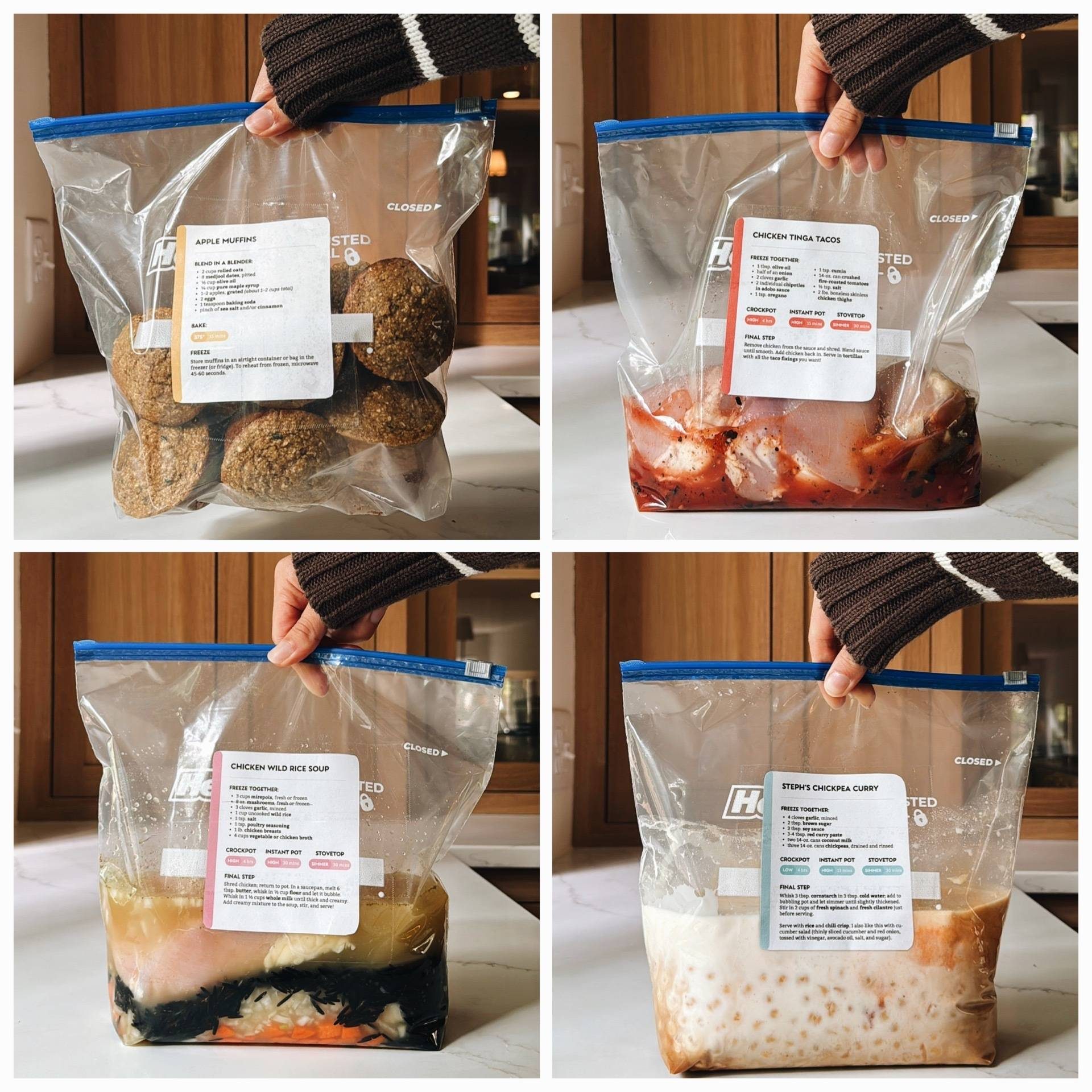
Designed to yield 16 to 18 individual servings, the Apple Streusel Muffins serve as a versatile breakfast or snack option. The preparation method involves blending core batter ingredients and layering them into greased muffin tins topped with a handmade streusel composed of melted butter, brown sugar, and flour. Once baked, the muffins can be stored in airtight containers within the refrigerator or freezer, requiring only a brief 45-to-60-second microwave interval for reheating from a frozen state.
Chicken Tinga Tacos
Yielding four servings, this savory Mexican-inspired dish combines chicken protein with traditional flavor profiles. The ingredients are initially frozen together in a raw state. Cooking methods vary by appliance: the Crockpot requires four hours on high heat from a thawed state; the Instant Pot cooks in 15 minutes from frozen; and the stovetop method involves a 30-minute simmer from frozen. Post-cooking execution requires removing and shredding the chicken, blending the remaining sauce until smooth, recombining the ingredients, and serving within tortillas alongside standard taco accompaniments.
Chicken Wild Rice Soup
Formulated to accommodate larger gatherings or multi-day consumption with a yield of 10 servings, the Chicken Wild Rice Soup is a quintessential autumn comfort food. The recipe requires the addition of five cups of chicken broth prior to the cooking cycle. Depending on the chosen appliance, cooking times range from eight hours on low heat in a slow cooker (from thawed) to 30 minutes in an Instant Pot or 60 minutes of simmering on the stovetop (from frozen). Finalization steps include shredding and returning the chicken to the pot, incorporating heavy cream and additional broth for texture, and thickening the broth using a cornstarch and cold water slurry.
Steph’s Chickpea Curry
Providing a plant-forward option yielding four servings, Steph’s Chickpea Curry introduces diverse global flavors into the monthly rotation. The legume and spice combination freezes cohesively and adapts to rapid cooking schedules, requiring four hours on low in a slow cooker, 13 minutes in an Instant Pot, or 20 minutes on the stovetop directly from frozen. The finishing process involves thickening the bubbling mixture with a cornstarch slurry, folding in fresh spinach and cilantro prior to serving, and pairing the dish with rice, chili crisp, and a vinegar-based cucumber and red onion salad.
Logistical Integration and Printable Resources
A critical component of the October meal-prep system is the integration of standardized organizational tools. To reduce cognitive load during both preparation and execution phases, program developers provide free downloadable bag labels and comprehensive grocery lists.
From a practical standpoint, attaching printed recipe cards and inventory labels directly to the exterior of the freezer bags eliminates the necessity of utilizing digital devices—such as smartphones or tablets—in the kitchen. This analog approach mitigates common kitchen hazards associated with electronic device handling, such as exposure to moisture, food residues, and cross-contamination, while ensuring that cooking instructions remain permanently accessible regardless of technological connectivity.
Broader Impact and Implications on Modern Domestic Management
The widespread adoption of structured freezer-meal systems reflects a broader cultural shift toward proactive domestic management and nutritional autonomy. As consumers navigate increasingly demanding professional and personal landscapes, strategies that reduce daily friction points—such as evening meal decision fatigue—deliver measurable psychological and financial benefits.
Nutritional Analysts and Family Economists Point to Several Key Implications of This Trend:
- Reduction of Food Waste: By purchasing precisely measured ingredients for a targeted set of recipes and immediately processing them for long-term storage, households significantly decrease the volume of perishable produce that spoils before consumption.
- Financial Predictability: Consolidating grocery shopping into a single, comprehensive monthly trip minimizes impulse purchases at the supermarket and curbs reliance on costly takeout or delivery services during high-stress weeknights.
- Dietary Consistency: Having pre-prepared, home-cooked meals readily available encourages balanced nutritional intake, allowing families to regulate sodium, sugar, and fat content more effectively than is typically possible with commercial convenience foods.
- Time Optimization: Transitioning the labor-intensive aspects of meal preparation—such as chopping, measuring, and initial assembly—into a single, consolidated timeframe liberates hours during the working week, contributing to improved work-life balance.
As culinary innovators continue to refine and distribute modular meal-prep frameworks, the practice is expected to remain a staple of modern household management. By combining seasonal variety with technological adaptability across multiple cooking appliances, initiatives like the October Fall Freezer Meals demonstrate how traditional domestic arts can be effectively modernized to meet the demands of contemporary life.
Related posts: