Leftover Rice Arroz con Leche: How a Traditional Dominican Household Staple Transforms Into a Quick, Modern Dessert

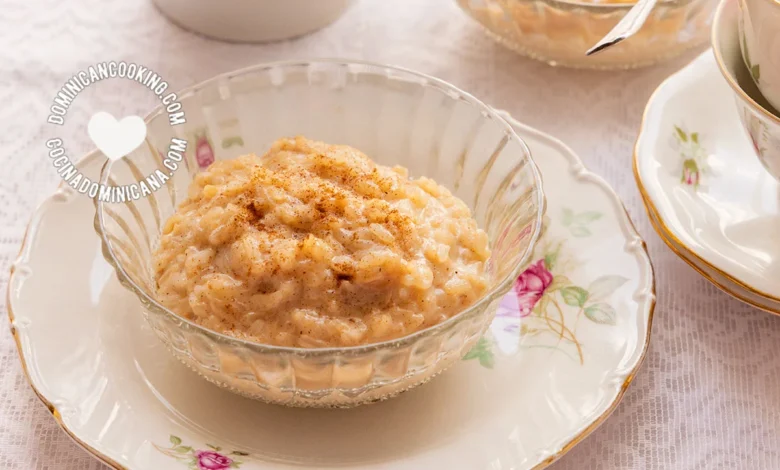
The culinary landscape of the Dominican Republic is built upon resourcefulness, where kitchen staples like arroz blanco (white rice) frequently serve as the foundation for subsequent meals. Among the most cherished culinary traditions born from this philosophy is a clever, time-saving adaptation of arroz con leche—the classic Latin American rice pudding. Developed as a practical solution to reduce household food waste, this version utilizes pre-cooked white rice to bypass the lengthy simmering process required by traditional recipes. Food historians and home economists note that repurposing grains not only honors cultural traditions of frugality but also aligns with contemporary global initiatives to curb domestic food waste. By transforming yesterday’s dinner side dish into today’s comforting dessert, home cooks preserve authentic flavors while adapting to the demands of modern schedules.

To understand the evolution of this dish, one must examine the cultural significance of rice within the Dominican household. Rice is consumed daily, often at lunch, which is traditionally the heaviest meal of the day. Consequently, households frequently find themselves with surplus grains. Rather than discarding these leftovers, generations of Dominican home cooks—such as recipe developer Clara Gonzalez, known to her followers as Tía Clara—turned to inventive methods of reinvention. Traditional arroz con leche or arroz con dulce demands raw rice simmered slowly in milk and aromatics until the starches break down, a process that can easily take upwards of an hour. The leftover rice variant alters this timeline significantly. Because the rice is already cooked, the preparation time is halved, making it an accessible option for weeknight desserts without sacrificing the rich, spiced profile characteristic of Caribbean sweets.
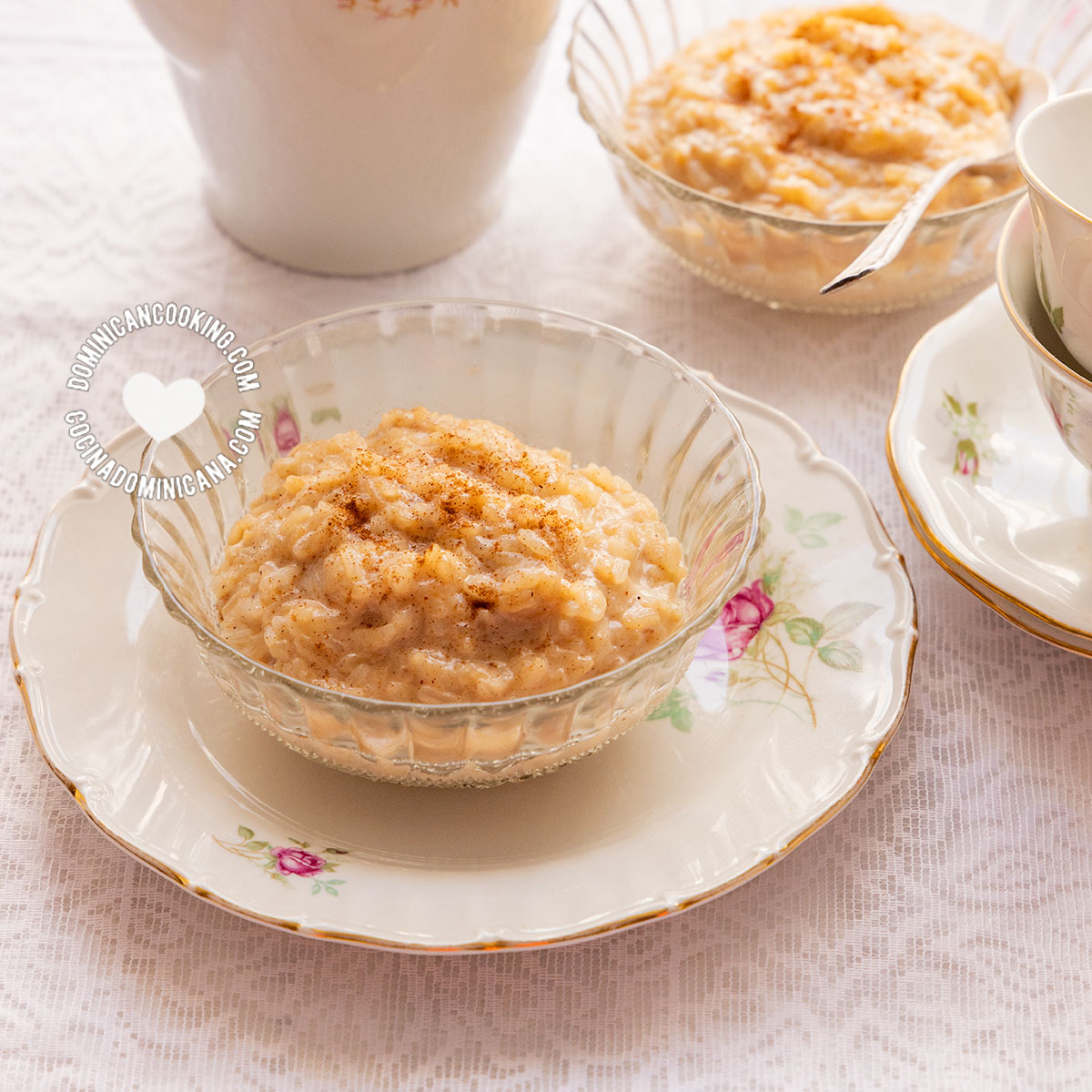
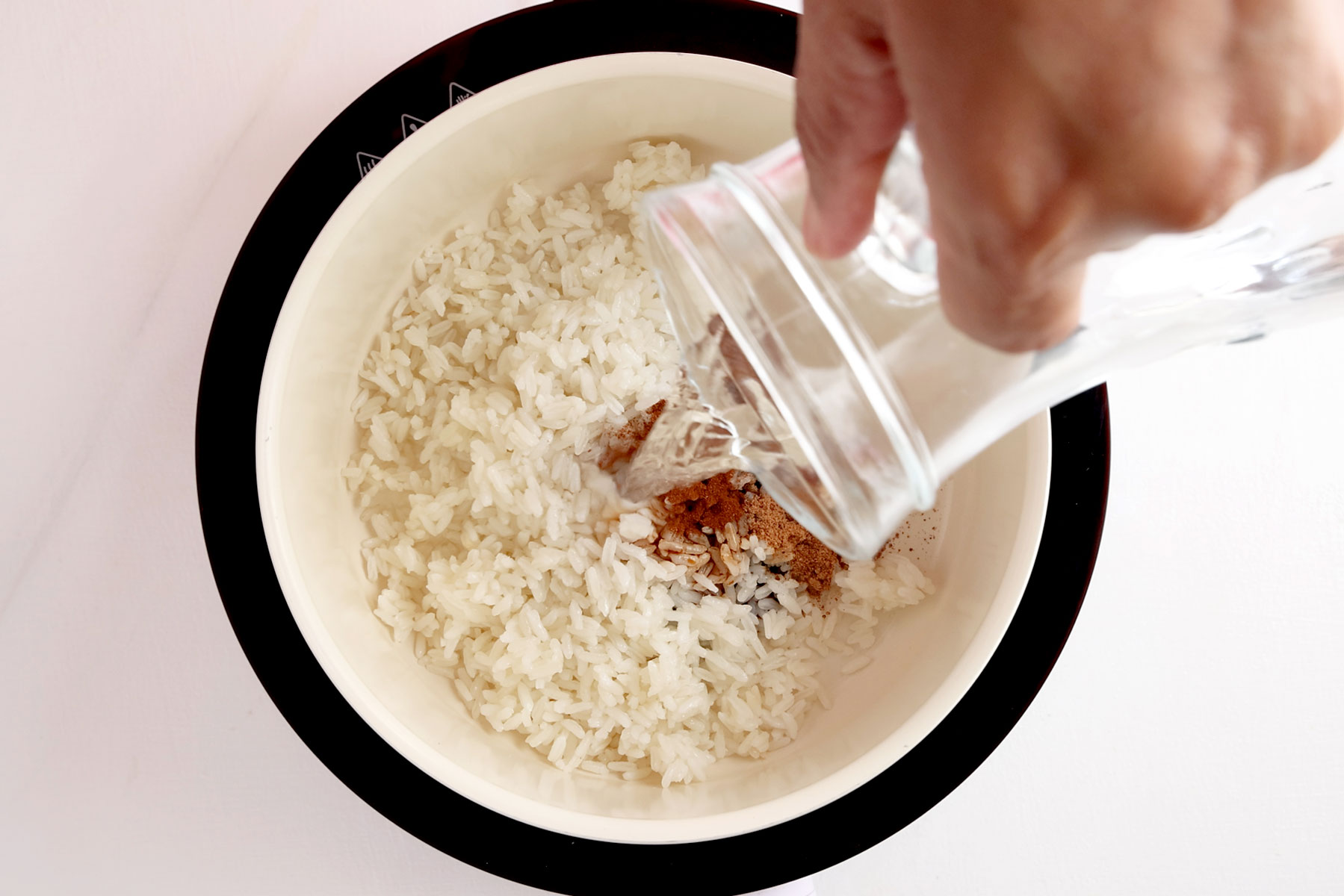
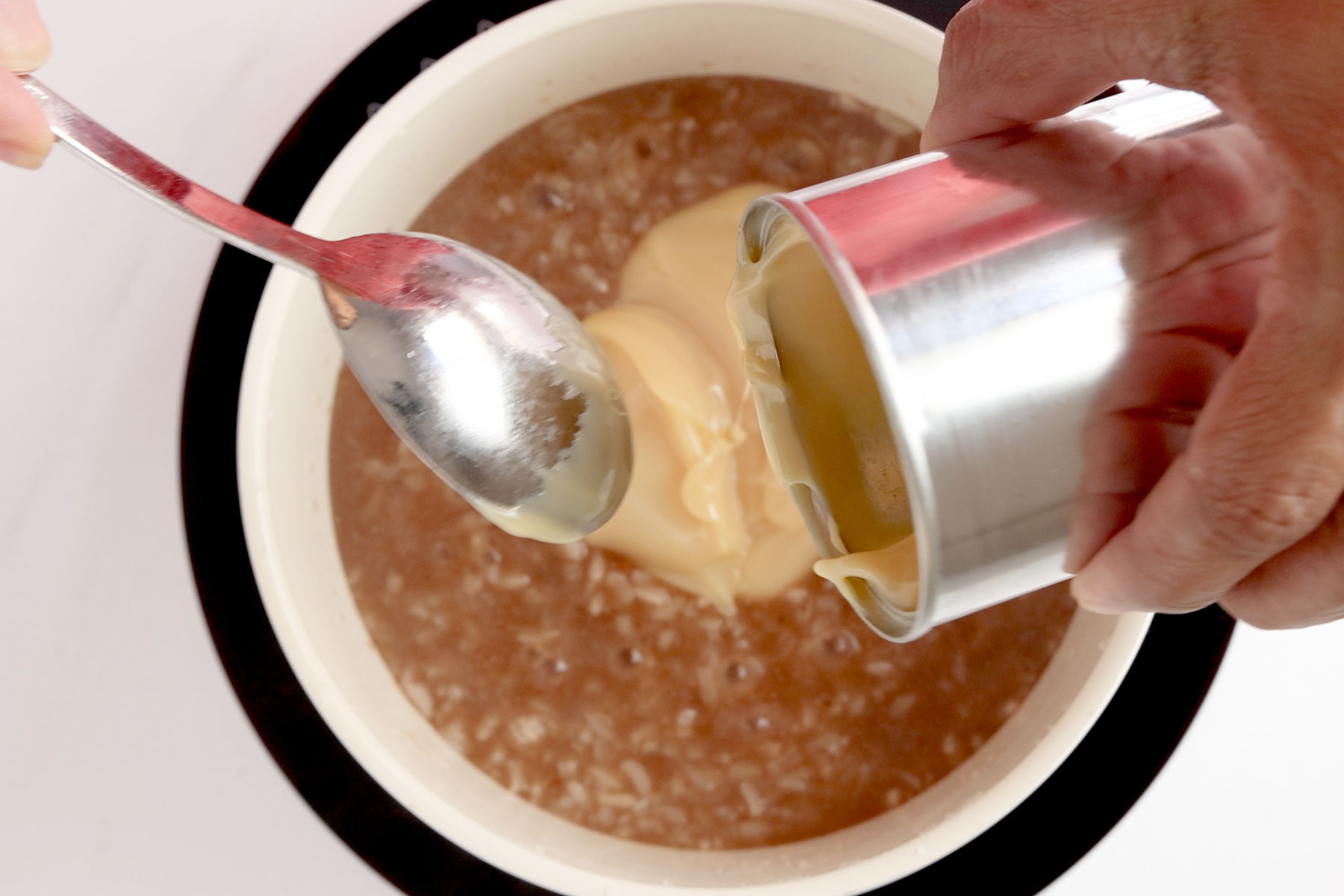
The methodology behind preparing leftover rice arroz con leche relies on distinct culinary shortcuts that distinguish it from its traditional counterpart. According to culinary guidelines provided by Gonzalez, the process begins by combining roughly one cup of leftover white rice—yielding approximately four servings—with aromatic liquids and ground spices. Culinary experts explain that utilizing ground spices, such as cinnamon and nutmeg, rather than whole spices, allows the flavors to permeate the mixture almost instantaneously. This technique accelerates flavor absorption while imparting a slightly darker, warmer hue to the final pudding. Furthermore, the incorporation of condensed milk serves a dual purpose: it acts as a rich sweetener and significantly reduces reduction time, as the dairy quickly thickens when heated alongside the pre-cooked grains. Optional additions, such as raisins, remain a matter of personal preference, while the dish itself is versatile enough to be served either warm or thoroughly chilled.
An analysis of the nutritional profile reveals that comfort foods of this nature are energy-dense, reflecting their historical role as substantial sustenance. Standard nutritional calculations for a single serving of this enriched rice pudding indicate an average of 708 kilocalories, driven primarily by carbohydrates (116 grams) and sugars (69 grams) derived from the condensed milk and rice. Protein content sits at approximately 16 grams, with total fats registering around 20 grams, largely attributed to dairy fats. While modern dietary guidelines often advise moderation regarding sugar-dense desserts, nutritionists emphasize that traditional puddings provide immediate caloric energy and calcium—roughly 555 milligrams per serving—making them a valued component of celebratory and family-centric culinary traditions.
The broader implications of utilizing leftover grains extend far beyond individual household kitchens, tapping into wider economic and environmental discussions surrounding food sustainability. According to environmental agencies, household food waste remains a significant contributor to municipal solid waste streams globally. In Latin American and Caribbean cultures, however, traditional gastronomy has long championed a zero-waste ethos. Recipes that successfully repurpose staples like rice, plantains, and beans serve as practical models for modern sustainability campaigns. Culinary educators frequently point to dishes like leftover rice arroz con leche as proof that sustainable eating does not require abandoning cultural heritage; rather, heritage recipes often inherently possess the exact resource-conscious strategies that contemporary kitchens strive to adopt.
As digital platforms and food blogs continue to document regional recipes, traditional adaptations are finding a global audience. Culinary experts observe that sharing these techniques online bridges generational divides, allowing diaspora communities to maintain cultural connections while introducing international home cooks to efficient, flavor-forward methods of reducing waste. Through the preservation and sharing of recipes that transform humble leftovers into celebrated desserts, home cooks ensure that the ingenuity of past generations continues to thrive in modern culinary spaces.