New Zealand Chardonnay faces the ultimate test against the titans of Burgundy in an ambitious global benchmarking study.

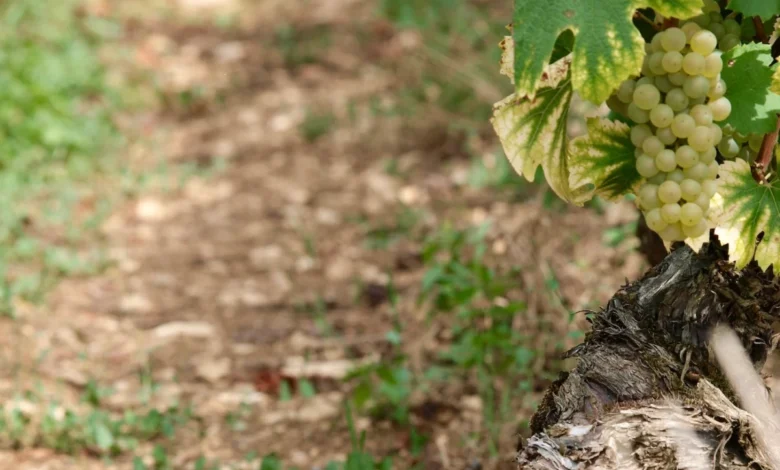
In a bold display of confidence, Aotearoa New Zealand Fine Wine Estates (AONZ) recently concluded a series of high-stakes comparative tastings that sought to position the nation’s premier Chardonnays alongside the most prestigious labels of the Côte d’Or. This exercise, which bypassed traditional marketing rhetoric in favor of blind, panel-based sensory analysis, represents a significant moment in the evolution of New Zealand’s white wine industry. By pitting their own output against the established benchmarks of Burgundy, the producers aimed to determine whether their cool-climate viticulture has reached a level of sophistication that can legitimately challenge the global gold standard.
The Anatomy of the Benchmarking Exercise
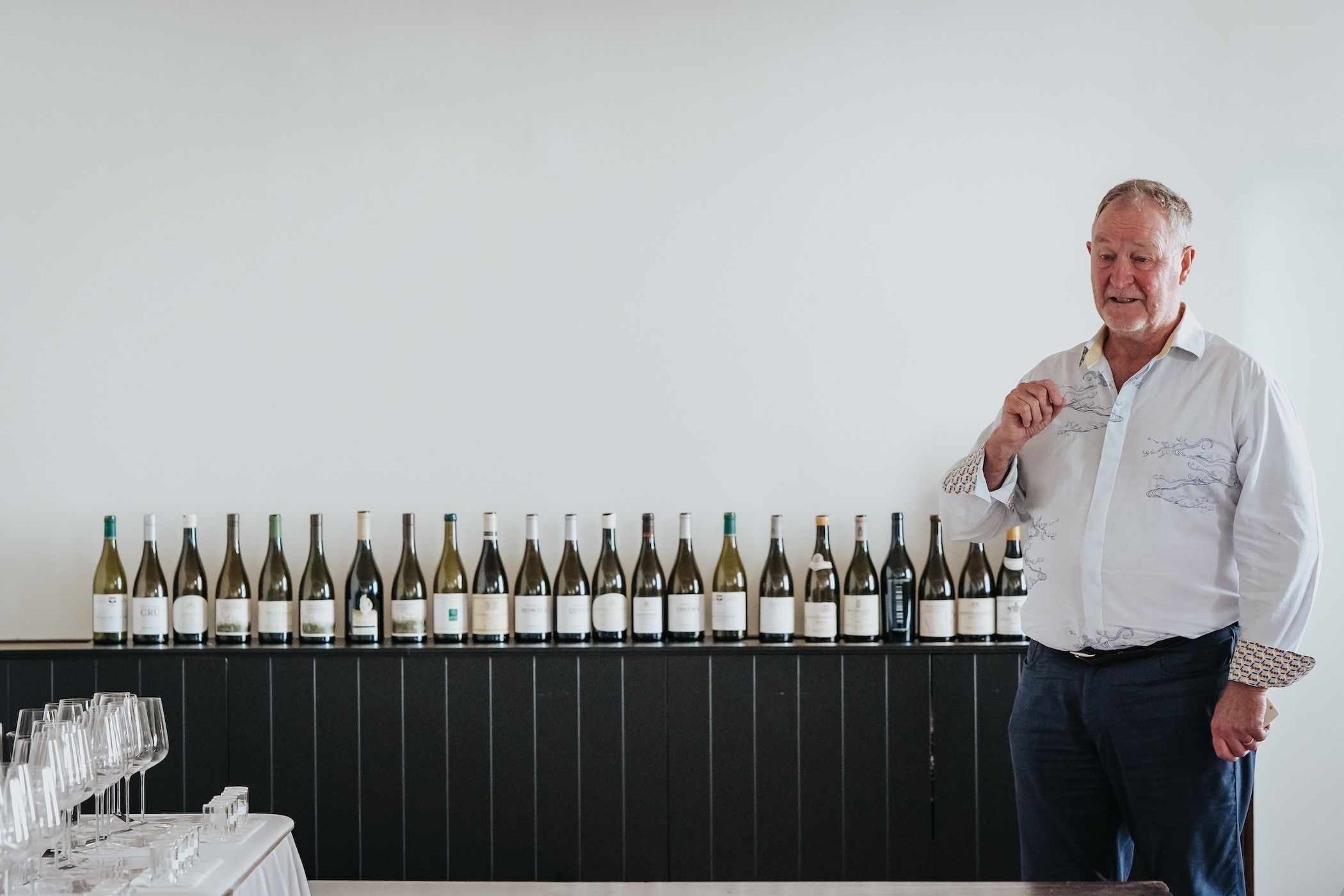
The study was not a localized affair, but a rigorous, multi-continental operation. The project comprised three distinct sessions held in Christchurch, London, and the heart of Burgundy itself. The strategic selection of these locations served a specific purpose: to minimize geographical bias and capture a diverse range of palates. By holding a leg of the tasting in Burgundy, the organizers ensured that the wines were scrutinized by the very experts who define the stylistic expectations of the region.
The panels were composed of elite wine professionals, including multiple Masters of Wine (MW) and Master Sommeliers. These experts were tasked with evaluating the wines in a strictly controlled blind environment, where labels were concealed to prevent cognitive bias—a common pitfall in high-end wine tasting where reputation often influences perception. The objective was to strip away the "prestige factor" and focus entirely on structural complexity, acid profile, mid-palate intensity, and the clarity of terroir expression.
Historical Context and the Rise of New Zealand Chardonnay
For decades, New Zealand’s international reputation was built almost exclusively on the back of its explosive, aromatic Sauvignon Blanc from Marlborough. However, a silent shift has been occurring in the vineyards of the North and South Islands. Over the past fifteen years, a concerted effort to identify specific clones and site-specific microclimates has elevated the status of New Zealand Chardonnay.
The move toward more restrained, site-expressive styles mirrors the evolution of the Burgundian approach. Modern New Zealand producers have increasingly moved away from the heavy-handed oak and malolactic fermentation that characterized the wines of the 1990s. Instead, there is a newfound focus on tension, minerality, and the pursuit of a "nervous" acidity that mimics the finest examples from Meursault or Puligny-Montrachet. The benchmarking project is the culmination of this shift, serving as a progress report for an industry that has matured from a fledgling contender into a serious global player.
Data-Driven Insights: The Methodology of Comparison
While the final scores and specific rankings remain a focal point of industry discourse, the methodology reveals much about the current state of the global market. To ensure a level playing field, the comparison wines were sourced from the same vintage years as the New Zealand counterparts, controlling for climatic variables.
The evaluation criteria focused on four primary metrics:
- Primary Aromatic Integrity: The purity of fruit expression versus the influence of winemaking intervention.
- Structural Complexity: The integration of acidity and phenolic weight.
- Finish and Length: The persistence of flavor, which is a hallmark of world-class Chardonnay.
- Terroir Expression: The ability of the wine to communicate the geological and climatic narrative of its origin.
Initial feedback from the panels suggests that while Burgundy maintains an advantage in terms of historical pedigree and the specific, flinty minerality associated with limestone-heavy soils, the New Zealand entries consistently outperformed their price-point equivalents. In many instances, the New Zealand Chardonnays were praised for their "textural elegance," a trait that previously seemed elusive for wines from the Southern Hemisphere.
Official Perspectives and Expert Reactions
Steve Smith MW, a pivotal figure in this benchmarking initiative, has long advocated for the idea that New Zealand possesses the unique climatic variables necessary to produce "Grand Cru" quality Chardonnay. Speaking on the findings, industry observers have noted that the project was not designed to declare a "winner" in the traditional sense, but rather to identify the specific stylistic gaps that remain.
"The goal is not to replicate Burgundy, as that is a futile exercise," noted one independent observer who participated in the London panel. "The goal is to determine if we can achieve the same level of complexity and longevity. What this study shows is that we are no longer talking about ‘New World’ versus ‘Old World’ as a binary of quality, but rather as a difference in site expression. The gap has narrowed significantly."
Critics of such exercises often argue that blind tastings can be reductive, ignoring the emotional connection to a bottle’s history or the prestige of its appellation. However, proponents suggest that such initiatives are vital for the economic growth of the industry. As the cost of premium Burgundian wine continues to skyrocket due to limited supply and global demand, the emergence of high-quality alternatives from New Zealand provides a necessary correction for collectors and sommeliers looking for value without sacrificing the intellectual stimulation of a great wine.
The Broader Impact: Implications for the Global Market
The implications of this study extend far beyond the borders of New Zealand. For the global wine market, the results provide a compelling case for the re-evaluation of non-European wines. If a New Zealand Chardonnay can stand toe-to-toe with a Premier Cru Burgundy in a blind setting, it forces a recalibration of pricing models and consumer perceptions.
Furthermore, this exercise highlights the importance of clonal diversity. The influx of high-quality Burgundian clones—such as the Mendoza or the Dijon clones—into New Zealand soils has been a catalyst for this transformation. The study effectively validates the investment made by wineries in the early 2000s to replant and refine their viticultural practices.
From an economic perspective, this benchmarking provides a roadmap for the New Zealand wine industry. By demonstrating that their product belongs in the same conversation as the world’s most storied producers, they are effectively elevating their brand equity. This is particularly crucial for the export market, where New Zealand wines have traditionally been viewed as high-volume, entry-level products.
Looking Toward the Future
As the dust settles on these tastings, the industry is left with a new set of benchmarks. The challenge moving forward will be consistency. While the top-tier wines from the study have proven their mettle, the question remains whether the mid-tier producers can follow suit. The benchmarking project has provided a blueprint for success, emphasizing site selection, minimal intervention, and a disciplined approach to aging.
For consumers, the takeaway is clear: the hierarchy of the wine world is becoming increasingly fluid. The dominance of traditional European regions is not under threat of replacement, but it is being challenged by a new generation of producers who are unafraid to hold a mirror up to their own work against the giants of the craft.
As New Zealand continues to refine its viticultural identity, these tastings will likely be remembered as the moment the nation stopped asking for permission to be considered among the best and began demanding a seat at the table. Whether the market at large will fully embrace these findings remains to be seen, but the data has been collected, the panels have spoken, and the narrative of the "New World" Chardonnay has been permanently altered. The journey from a Sauvignon Blanc-centric economy to a diversified producer of world-class, site-specific Chardonnay is not just a commercial trend; it is an evolution of taste that places the focus squarely back on the soil, the climate, and the relentless pursuit of excellence.