Cocadas (Coconut Candy): A Traditional Dominican Delicacy Takes Center Stage in Global Culinary Culture

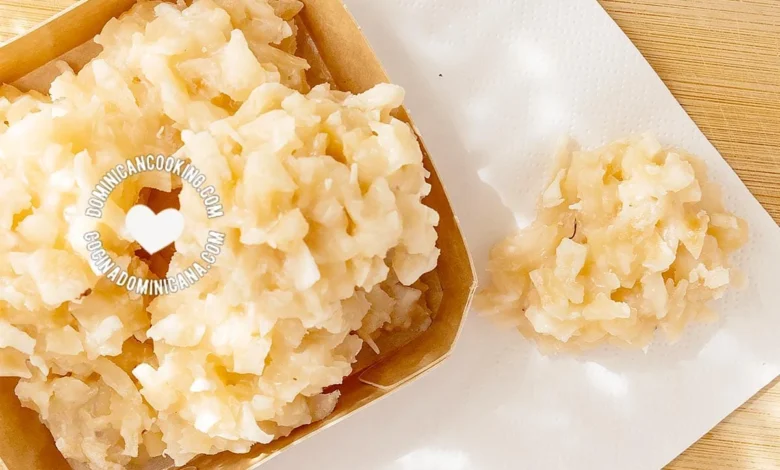
The landscape of Caribbean confectionery is rich with history, resourcefulness, and vibrant flavors, none more emblematic than the classic Dominican cocada. Known traditionally in various regions as dulcitos de coco or coquitos, these flourless, dry coconut candies represent a culinary cornerstone deeply embedded in the cultural fabric of the Dominican Republic. Recently, traditional recipes and video guides curated by culinary figures such as Clara Gonzalez, widely known as Tía Clara, have brought this humble corner-store staple to an international audience, highlighting the intersection of heritage preservation and digital-age recipe sharing.
Main Facts and Cultural Origins
Cocadas are fundamentally simple yet require precision to achieve their characteristic texture. Traditionally crafted from fresh shredded coconut, sugar, and cinnamon, these confections are a staple of the colmado—the quintessential Dominican neighborhood corner store. Historically displayed in large, clear glass jars on countertops across the country, cocadas served as an inexpensive, shelf-stable, and satisfying sweet treat following a midday comida (the main meal of the day).
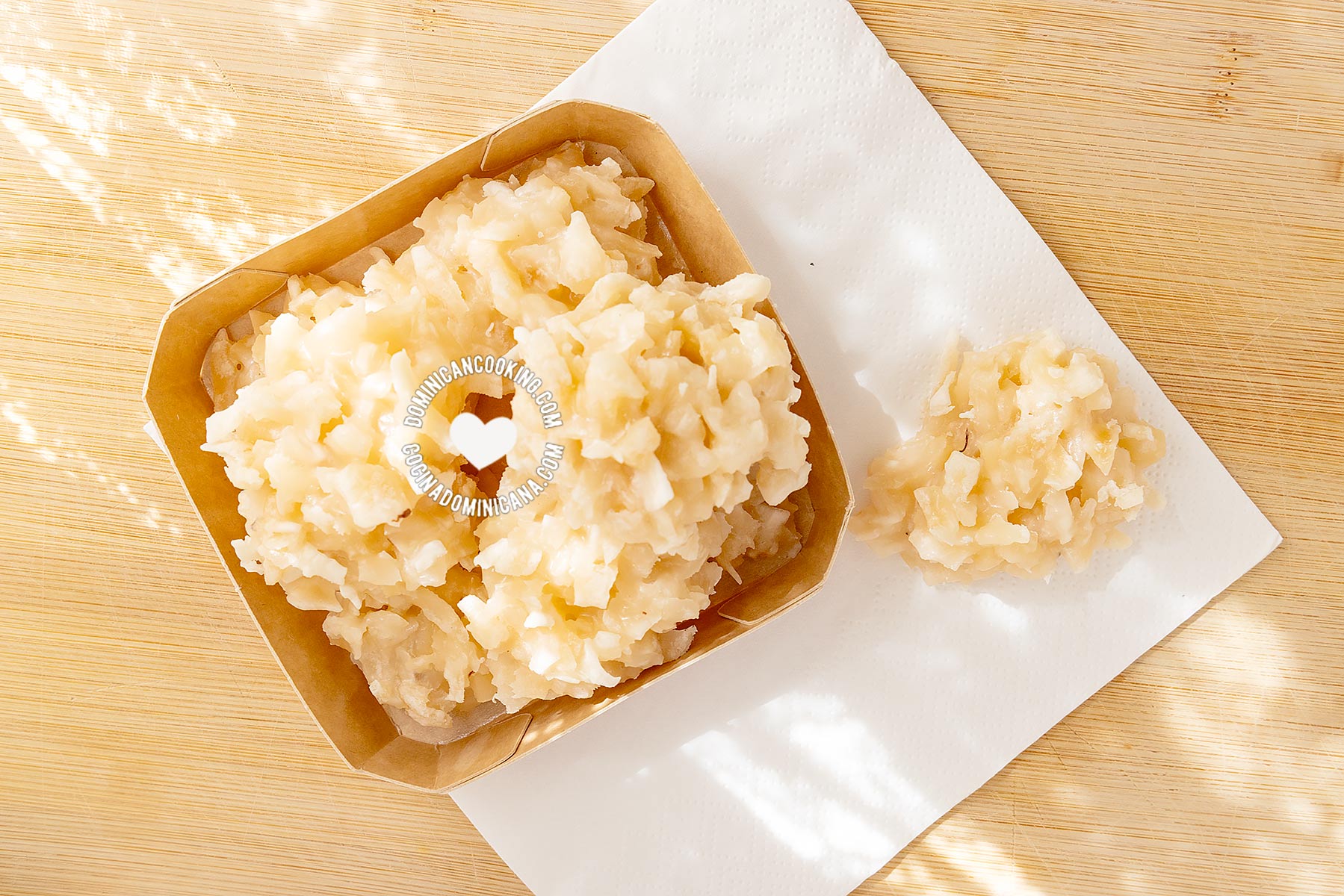
Unlike baked coconut variations such as coco horneado, traditional cocadas are formed in individual portions without the aid of flour, relying entirely on the natural oils of the coconut and the precise crystallization of sugar. While commercially produced or mass-marketed versions frequently incorporate bright red food coloring for visual appeal, traditional and artisanal preparations often eschew artificial dyes to let the natural amber and white tones of the caramelized sugar and coconut shine.
Chronology and Culinary Evolution
The history of coconut-based sweets in the Dominican Republic parallels the agricultural expansion of the Caribbean, where coconut palms (Cocos nucifera) thrive in tropical coastal climates. For generations, confection-making was a domestic art form passed down orally through families.
- Pre-Industrial Era: Coconut candies were produced entirely by hand, utilizing rudimentary kitchen tools such as box graters to manually process fresh coconuts harvested locally.
- The Colmado Culture: As local commerce developed throughout the 20th century, independent neighborhood colmados became the primary distribution hubs for these unpackaged, jar-stored sweets, cementing their status as an accessible everyday luxury.
- The Digital Transition: In the 21st century, traditional Caribbean gastronomy transitioned into the digital sphere. Culinary preservationists began documenting oral recipes through video demonstrations, standardizing preparation methods while maintaining regional authenticity.
Culinary Technique and Analytical Breakdown
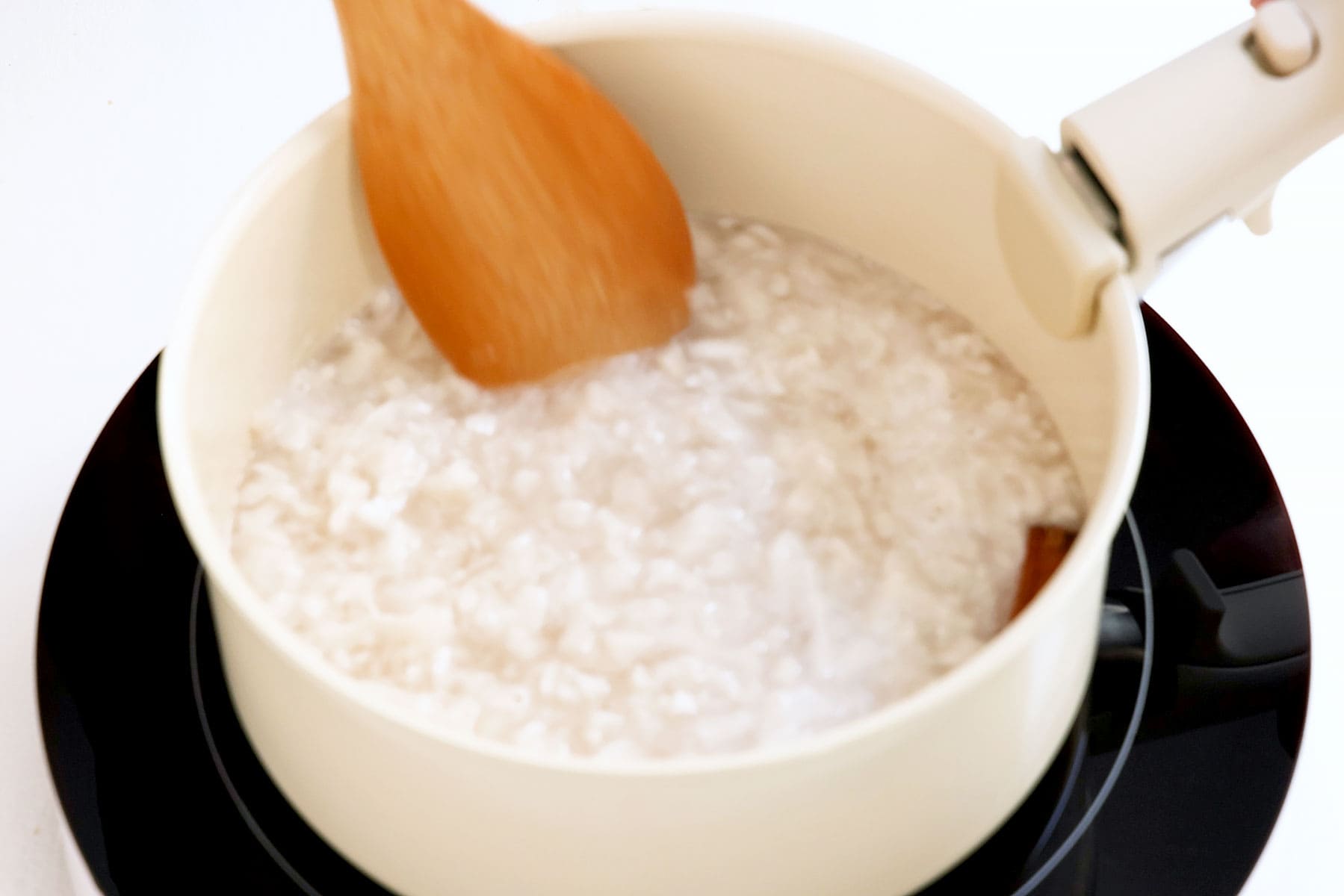
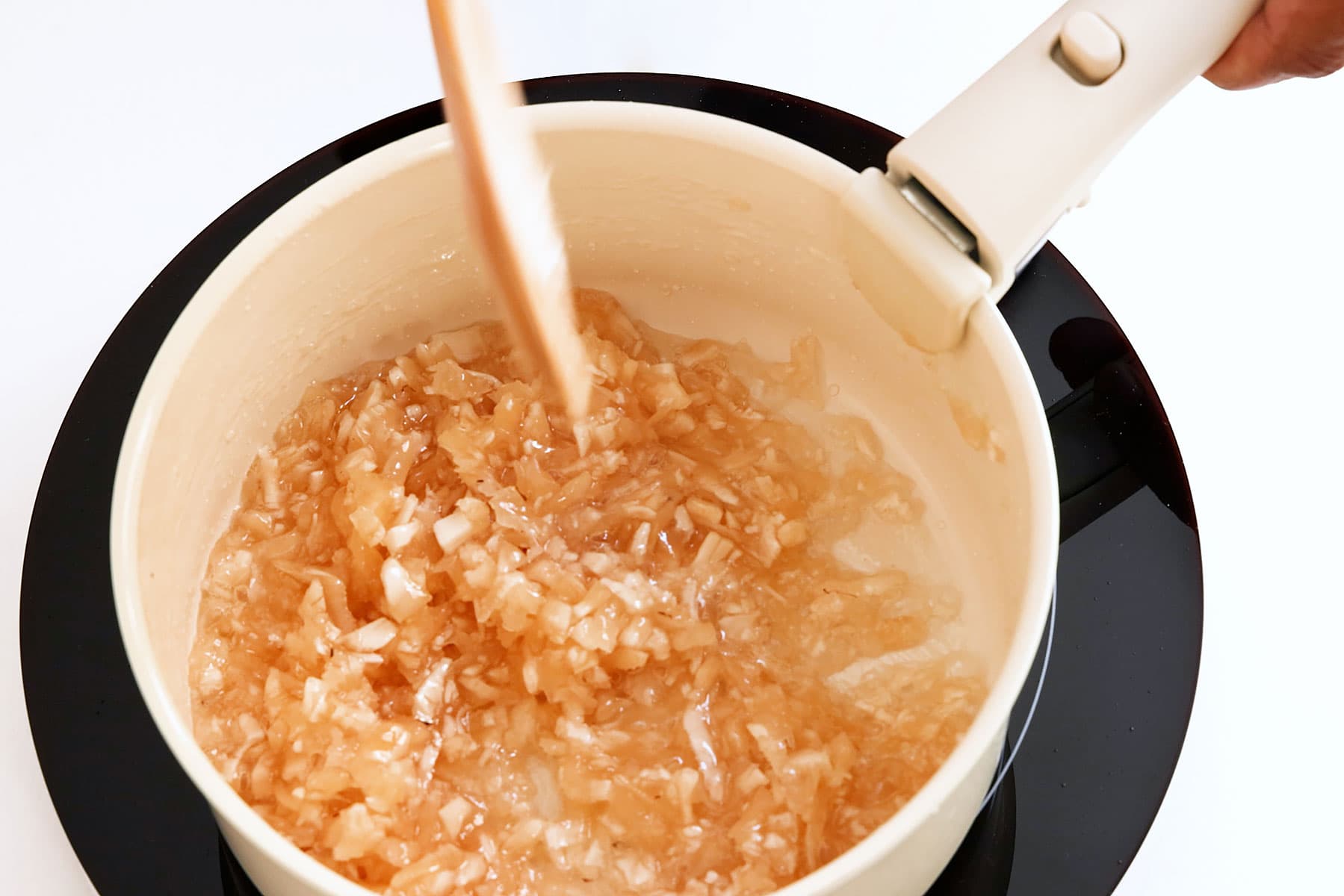
From a technical standpoint, the production of cocadas presents a distinct chemical challenge for confectioners: controlling sugar crystallization. Culinary analyses of the recipe indicate that the primary hurdle lies in preventing the reduced sugar from descending into a sticky, chewy caramel texture.

According to traditional culinary methodology refined by Gonzalez, the strategic introduction of sugar toward the end of the cooking process accelerates crystallization. This technique ensures that the final product maintains a distinctively crunchy exterior and non-sticky bite. Furthermore, the absence of binding agents like flour or eggs classifies cocadas as a naturally gluten-free confection, aligning with contemporary global dietary trends favoring minimal-ingredient, whole-food desserts.
Nutritional data calculated for a standard single serving (approximately one-sixth of a recipe batch yielding six servings) outlines the energy profile of the treat:
- Calories: 269 kcal
- Total Carbohydrates: 38 g
- Dietary Fiber: 4 g
- Sugars: 35 g
- Total Fat: 14 g (Saturated Fat: 12 g)
- Protein: 1 g
- Sodium: 105 mg
These figures underscore the high energy density inherent to traditional sugar-and-coconut confections, reflecting their historical purpose as a calorie-dense, easily preserved energy source for working-class populations.
Economic and Market Implications
The resurgence of interest in traditional Caribbean recipes like cocadas carries significant implications for cultural tourism and the preservation of intangible heritage. As diaspora communities seek authentic connections to their homelands, digital platforms have transformed regional specialties into globally searchable commodities. Search metrics indicate sustained international consumer interest in variations such as cocadas secas, coquitos, and dulce de coco seco.
This digital documentation also supports micro-economies surrounding traditional food production. By lowering the barrier to entry for home cooks—requiring merely four fundamental ingredients (fresh coconut, sugar, cinnamon, and water) and basic kitchen equipment—such recipes encourage the continuation of domestic culinary traditions that might otherwise be overshadowed by mass-produced, industrial sweets.
Broader Impact on Caribbean Gastronomy
The global dissemination of the cocada recipe via video platforms illustrates a broader shift in how regional cuisines are consumed and validated. Culinary historians note that by demystifying traditional techniques—such as the specific timing of sugar incorporation—digital creators empower a global audience to replicate authentic Caribbean flavors with precision.
Ultimately, the enduring popularity of cocadas transcends their status as a mere dessert. They serve as a sensory archive of Dominican domestic life, embodying the resourcefulness, historical resilience, and vibrant flavor profiles that define Caribbean confectionery culture for generations past and present.