The Ritz Escoffier School, located within the historic walls of the Ritz Paris on the Place Vendôme, serves as a global benchmark for haute pâtisserie. For students like culinary professional Seonkyoung Longest, the facility represents a rigorous intersection of classical French technique and modern gastronomic endurance. As the school concludes its current term, the daily reality for students involves a demanding schedule that begins well before the city of Paris fully stirs.

The Anatomy of a Culinary Routine
The daily schedule at the Ritz Escoffier is designed to mimic the high-pressure environment of a professional kitchen. For students, the day commences at approximately 6:30 a.m. This early start is necessitated by the physical and mental demands of the curriculum, which requires sustained focus from 8:30 a.m. until the late afternoon.
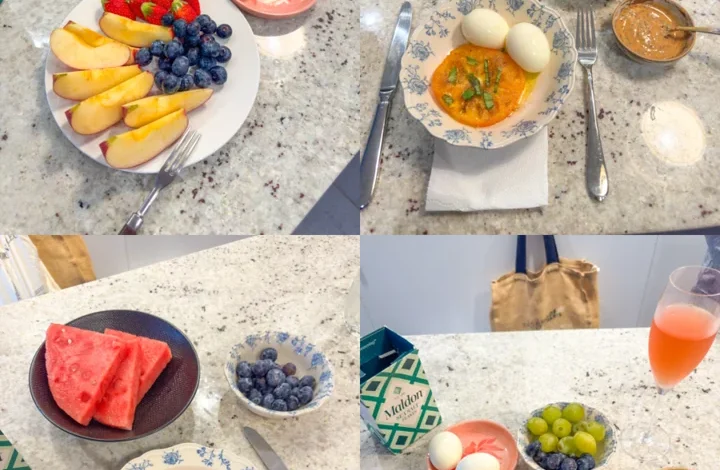
Nutritional maintenance plays a critical role in this schedule. Many students, adapting to the intense heat—which has seen recent Paris summers frequently exceed 30°C (86°F)—have transitioned to lighter, early-morning regimens. The consumption of hydrating, non-caffeinated, or sparkling beverages, alongside nutrient-dense proteins, has become a standard approach to mitigating the heat-related fatigue that often accompanies professional kitchen work.

Historical Context and Architectural Constraints
The school operates within a building steeped in history, requiring students to navigate the unique challenges of Parisian infrastructure. The Opéra district, where many students reside, offers proximity to the school but is characterized by 19th-century architecture. These buildings often feature narrow, manual-operation elevators and limited storage space, which contrast sharply with the modern, high-efficiency appliances found within the Ritz Paris’s state-of-the-art laboratory classrooms.
The logistical reality of life in Paris involves a trade-off between the romanticized aesthetic of the city—evidenced by historic fireplaces, crown molding, and views of zinc-roofed skylines—and the functional limitations of older housing, such as lack of central air conditioning and restricted freezer capacity. These environmental factors necessitate a high degree of adaptability, a trait essential for success in the culinary arts.

Curriculum Structure and Professional Standards
The Ritz Escoffier curriculum is centered on technical precision. The school provides students with professionally laundered uniforms daily, a standard intended to instill the importance of hygiene and discipline in a professional kitchen environment. By removing the burden of maintenance, the institution allows students to dedicate their cognitive bandwidth to complex pastry assembly, such as the preparation of rum babas, pavlovas, and intricate confections.
A standard day at the school follows a rigid timeline:

- 08:30 a.m.: Commencement of practical classes.
- 12:00 p.m.: Institutional lunch break, providing a balanced, varied menu including salads and seasonal proteins.
- 03:00 p.m.: Conclusion of practical instruction, followed by rigorous sanitation and station cleanup.
- 03:30 p.m.: Final briefings and instructor-led Q&A sessions.
Culinary Methodology and Market Dynamics
Beyond the classroom, the culinary habits of students in the Opéra district reflect a sophisticated understanding of ingredient quality. While the area is a hub for international gastronomy, many culinary professionals opt for home-prepared meals. This preference is driven by a desire for control over ingredient sourcing and flavor profiles.
Data from local market trends indicates that the Opéra district’s concentration of specialized Japanese and Korean grocers provides a unique opportunity for fusion cooking. Students frequently integrate traditional French pastry techniques with home-style savory cooking, utilizing ingredients such as miso, seasonal stone fruits, and high-quality guanciale to create balanced, restorative dinners.

The Heat Dome Effect and Physiological Impact
The persistence of European heat waves—often referred to as "heat domes"—has significantly altered the living and working conditions for those in the hospitality industry. With indoor temperatures often rising, the physiological demand on students is substantial. Many report that even moderate physical exertion in the kitchen leads to rapid dehydration. Consequently, the industry is observing a shift toward "cold-start" mornings, where hydration and cooling techniques are prioritized over traditional high-calorie breakfast habits.
Professional Reflections and Institutional Legacy
As the training period reaches its conclusion, many participants reflect on the transformative nature of the Ritz Escoffier experience. The school serves not merely as a site for technical training, but as a space for professional "reset." The exposure to elite-level pastry arts, combined with the networking opportunities presented by the school’s diverse international cohort, has long-term implications for a chef’s career trajectory.

The pedagogical approach at the Ritz Escoffier is rooted in the legacy of Auguste Escoffier, the pioneer who simplified classical French cooking. By stripping away non-essential elements and focusing on the core components of flavor and structure, the school encourages students to develop a sustainable culinary identity. For individuals spending an extended period—often over a year—in the program, the experience functions as an intensive immersion that refines their palate and work ethic.
Future Implications for Culinary Arts
The shift toward more conscious, sustainable, and health-oriented routines among culinary students suggests a broader change in the industry. The focus on energy conservation and personal health is becoming as important as the mastery of sugar work or lamination. As these students transition back into the workforce, they bring with them not only the prestige of the Ritz Escoffier name but also a refined approach to the lifestyle demands of the modern culinary professional.

The final month of the program is typically the most rigorous, focusing on the synthesis of learned skills into a coherent final project. For those involved, the period is marked by a blend of exhaustion and professional growth. The ultimate takeaway from such an experience is often the discovery of personal endurance—a realization that the discipline required to succeed in one of the world’s most prestigious kitchens is, ultimately, a transferable skill that serves the chef long after they have removed their apron.
This period of training in Paris provides a foundational reset, enabling chefs to re-evaluate their techniques and professional goals. Whether they choose to return to their home countries or pursue further opportunities in the European culinary scene, the Ritz Escoffier remains a vital touchstone in their career development, ensuring the continuity of the high standards for which the Ritz Paris is known.