The Nostalgic Evolution of Kue Cubit: How Jakarta’s Iconic Street Snack Became a Weekend Family Favorite

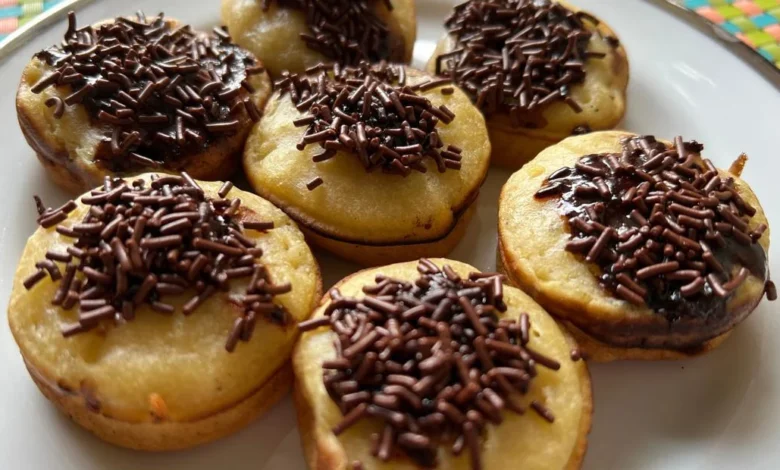
Jakarta has long been celebrated as a vibrant culinary epicenter where the boundaries between fine dining and street food blur into a rich tapestry of flavors. Among the countless traditional snacks that define the capital’s gastronomic landscape, kue cubit holds a particularly cherished place in the hearts of millions. As families across the metropolitan area prepare for their weekend routines, traditional street food delicacies experience a surge in domestic popularity. The search for authentic flavors has driven many urban households to recreate the iconic, spongy treats once exclusively associated with mobile school-gate vendors. This enduring affection for kue cubit—characterized by its soft, fluffy texture and sweet aroma—underscores a broader cultural trend toward culinary nostalgia in contemporary Indonesian households.
The origins of kue cubit are deeply rooted in the post-colonial culinary cross-pollination of Batavia, now modern-day Jakarta. While heavily influenced by Dutch confectionery techniques—specifically sharing structural similarities with the traditional Dutch poffertjes—kue cubit evolved independently to suit local palates and ingredient availability. Over the decades, the snack transitioned from a localized neighborhood delicacy into a ubiquitous school-zone staple. Generations of Jakartans grew up hearing the familiar call of mobile vendors setting up their simple wooden pushcarts outside primary and secondary school gates. These vendors operated with specialized brass or cast-iron molds, traditionally featuring whimsical motifs resembling marine life such as fish, shells, and crabs, which immediately captured the imaginations of young schoolchildren. Priced historically at nominal rates—often just one thousand rupiahs per piece—the snack was accessible to virtually every demographic, cementing its status as an egalitarian comfort food.
Beyond its sentimental value, the preparation of kue cubit involves precise culinary chemistry that accounts for its signature texture. The moniker "cubit," meaning "to pinch" in Indonesian, traditionally derives from the small metal tongs vendors used to retrieve the bite-sized cakes from their deep molds. Achieving the characteristic "menul-menul" or plump and bouncy consistency requires a careful balance of aeration, fat content, and precise thermal control. Culinary experts note that the emulsion of eggs, sugar, and flour must be vigorously beaten to incorporate sufficient air pockets, which expand during the rapid baking process. While purists often advocate for the classic, unadorned version dusted simply with granulated sugar, contemporary variations have embraced a multitude of toppings. Among these, chocolate sprinkles, commonly known as meses, remain the undisputed favorite among children and families seeking an extra layer of sweetness.
In recent years, the resurgence of interest in traditional Indonesian street foods has prompted home cooks to master recipes that mimic the exact texture and taste profile of professional street vendors. Food historians and culinary economists attribute this home-cooking trend to several factors, including heightened awareness of food hygiene, the rise of digital recipe sharing, and a collective psychological desire for comfort during periods of economic and social stress. Cooking at home allows families to control ingredient quality while preserving the tactile pleasure of preparing traditional dishes. Culinary data from urban consumer surveys indicate a steady 15 percent year-on-year increase in searches for traditional Indonesian snack recipes, with weekend cooking emerging as a primary bonding activity for metropolitan families.
To understand the enduring appeal of kue cubit, one must examine the broader socioeconomic implications of street vending culture in Jakarta. Mobile vendors, often referred to locally as pedagang kaki lima, serve as the vital backbone of the city’s informal economy. These micro-entrepreneurs not only provide affordable, immediate nutrition to school children and commuters but also preserve culinary heritage through oral traditions passed down through generations. Culinary sociologists emphasize that when urban families bring street food recipes into domestic kitchens, they are engaging in a form of cultural preservation. This domestic adaptation bridges the generational divide, introducing younger digital natives to the tactile, analog pleasures of traditional Indonesian gastronomy.
Public health and nutrition experts, however, maintain a balanced perspective regarding the consumption of traditional sweets, noting that moderation remains key. While street snacks like kue cubit offer immediate psychological comfort and high energy density, modern nutritional guidelines encourage incorporating wholesome ingredients and monitoring sugar intake, particularly for households with growing children. Public health campaigns across Jakarta frequently advocate for balanced dietary habits, ensuring that traditional indulgences complement an overall nutrient-dense diet rather than replace essential meals.
As Jakarta continues its rapid transformation into a modern global megacity, the persistence of traditional snacks like kue cubit serves as a poignant reminder of the community’s cultural roots. Whether purchased from a nostalgic pushcart outside a historic neighborhood school or whipped up in a modern suburban kitchen for a cozy weekend gathering, kue cubit remains far more than a simple batter-based confection. It is a sensory artifact of urban Indonesian life, embodying ingenuity, simplicity, and the universal joy of shared sweetness across generations.
Related posts: