Beyond the Rind: Neal’s Yard Dairy and the Sustainable Food Trust Pioneer Holistic Farm Assessment

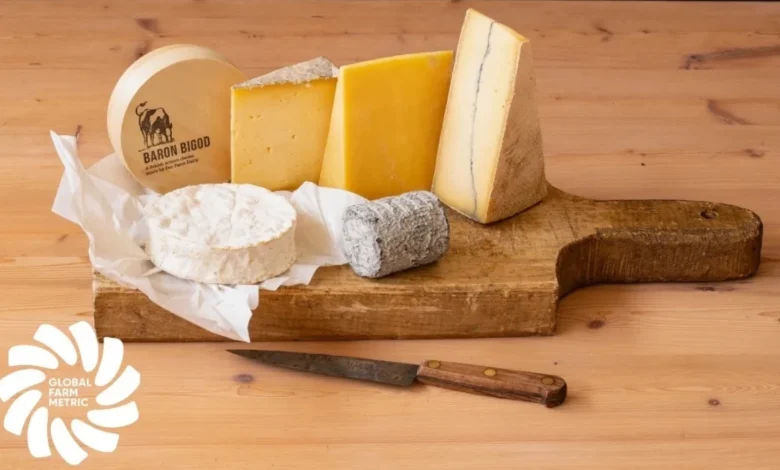
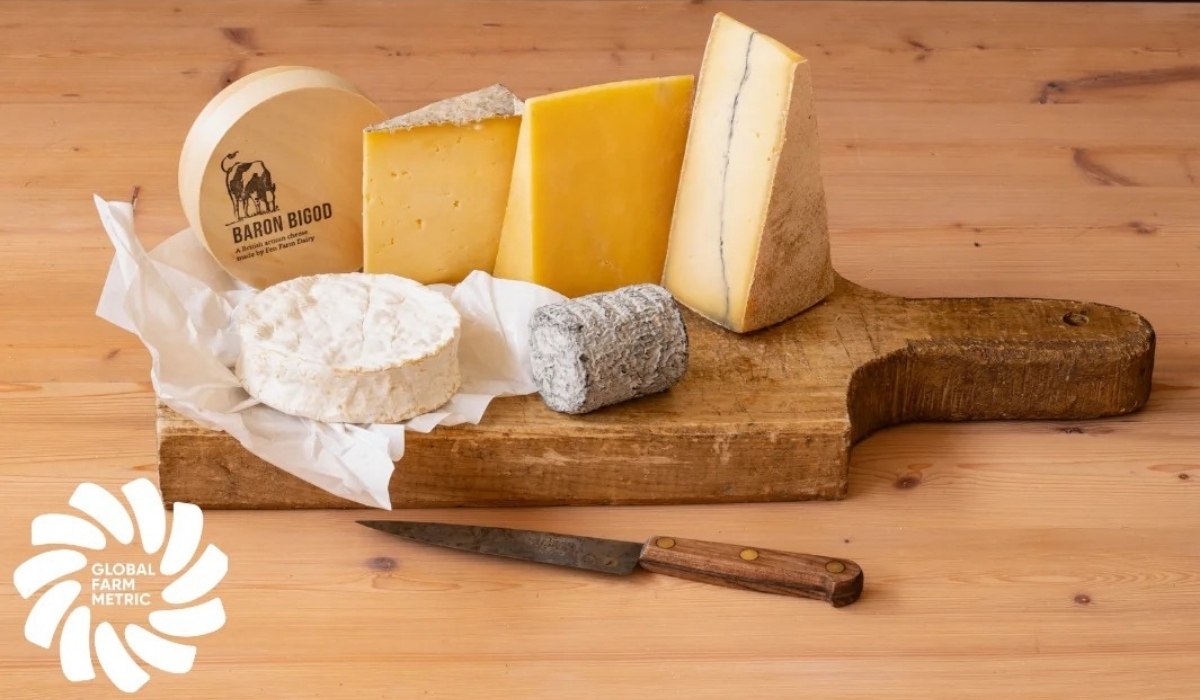
The quest to quantify sustainability in artisanal food production has reached a significant milestone with the conclusion of a landmark trial between renowned cheesemonger Neal’s Yard Dairy (NYD) and the Sustainable Food Trust (SFT). For nearly five decades, Neal’s Yard Dairy has defined its business model through a dedication to flavor and deep, decades-long relationships with independent farmers. However, as consumer demand for radical transparency regarding environmental impact, animal welfare, and social responsibility grows, the company has pivoted toward a more empirical approach to evaluating its supply chain. By implementing the Sustainable Food Trust’s Global Farm Metric (GFM), NYD has attempted to reconcile the traditional, subjective art of cheesemaking with the modern, data-driven necessity of measuring ecological footprint.
The Evolution of Sustainable Procurement
The collaboration represents a departure from standard industry practices, which often rely on singular metrics such as carbon footprint or "food miles" to gauge sustainability. While such metrics are easy to communicate, they frequently fail to capture the holistic reality of a working farm. The GFM framework, developed by the Sustainable Food Trust under the leadership of Patrick Holden, assesses twelve interconnected domains, including soil health, biodiversity, water management, animal welfare, and economic viability.
The relationship between the two organizations is rooted in a long history of agricultural discourse. Frequent, informal meetings at Holden’s farm in Wales, where the two parties discussed the intricacies of producing Hafod Cheddar, served as the genesis for the formal trial. Recognizing that current agricultural metrics often ignore the symbiotic nature of farm ecosystems, Neal’s Yard Dairy invited its entire roster of farmhouse cheesemakers—producers who manage their own livestock—to undergo the GFM assessment in 2025.
Chronology of the 2025 Trial
The implementation of the GFM was a labor-intensive process that unfolded over several months throughout 2025:
- Q1 2025: Conceptualization and outreach. NYD invited its direct-supply cheesemakers to participate in the pilot, emphasizing that the project was not intended to be a competitive audit but a developmental tool.
- Q2 2025: Engagement and Data Collection. Twelve producers agreed to participate. These farmers invested significant man-hours in documenting their practices, from pasture management strategies to community engagement, often with the assistance of the GFM technical team.
- Q3 2025: Analytical Phase. Sara Hall, a researcher at the University of Bristol and a former cheesemonger, joined the project to provide academic rigor. Her role was to bridge the gap between abstract metrics and the practical reality of dairy farming, ensuring the data captured the nuance of different terrains, from upland hills to fertile lowlands.
- Q4 2025 – Q1 2026: Review and Synthesis. The gathered data was compared against a broader dataset of 71 mixed-farming enterprises and a specific cohort of 22 dairy farms from Hall’s academic research.
- July 2026: Public reporting and the launch of the GFM-verified cheese selection.
Comparative Data and Benchmarking
One of the most revealing aspects of the trial was the benchmarking exercise. The GFM team analyzed the NYD producers against a wider pool of UK farms. While the data remains sensitive, the participating cheesemakers consistently scored higher than the comparison group in categories such as "Public Goods Delivery" and "Nature/Biodiversity."
However, the researchers and the dairies were careful to avoid creating a "league table." A key finding of the trial was that direct comparison can be misleading. A farm operating on marginal upland pasture, which might have lower nitrogen output but higher biodiversity, cannot be objectively compared to a high-output lowland farm using a simple numerical score. The data suggests that sustainability is not a static destination but a trajectory; therefore, the direction of a farm’s improvement is arguably as significant as its current state.
The Challenge of Communicating Complexity
A central hurdle identified during the trial was the "transparency paradox." Consumers expressed a strong desire to know the environmental impact of their purchases, yet they often lacked the time or interest to digest complex, multi-variable datasets.
Neal’s Yard Dairy’s internal surveys revealed that while customers value the ethical backstory of their cheese, they are resistant to "greenwashing" or overly simplified numerical scores that might misrepresent the diversity of traditional farming. Consequently, the company decided against using a single score. Instead, they have adopted the GFM logo as a "signpost," indicating that a producer has engaged with the rigorous, whole-system audit. This approach favors honesty over marketing impact, acknowledging that the complexity of farming is not a problem to be solved, but a reality to be respected.
Expert Perspectives and Institutional Impact
Dr. Sara Hall, whose research formed the backbone of the evaluation, emphasized that the inclusion of the "social dimension" was a critical differentiator for the project. Traditional agricultural metrics often focus exclusively on the biophysical, neglecting the farmer’s role as a steward of rural culture and local economic stability.
"The GFM approach allows us to see the farmer not just as a producer of units of milk, but as a node in a complex local network," noted an industry observer familiar with the project. "By including categories like ‘Community’ and ‘Governance,’ the metric acknowledges that a farm’s resilience is tied to its ability to maintain local employment and support regional biodiversity."
The impact of this trial is expected to ripple through the artisanal food sector. For Neal’s Yard Dairy, the goal is to shift from a high-burden, assessment-heavy model to one that utilizes a few, high-impact indicators to track progress over time. This reduces the administrative load on farmers while maintaining a high level of accountability.
Broader Implications for the Dairy Industry
The findings from the Neal’s Yard Dairy trial provide a template for other small-to-medium enterprises (SMEs) looking to formalize their sustainability claims. As legislative pressures mount—particularly regarding the UK government’s Environmental Land Management (ELM) schemes—having a robust, farm-level data set becomes a competitive advantage for producers.
Furthermore, the trial highlights a shift in the definition of "quality" in the food industry. For decades, artisanal quality was measured primarily through organoleptic properties—taste, texture, and aroma. The integration of the GFM into the procurement process suggests that the next generation of "premium" will be defined by "integrated quality," where the health of the soil and the social fabric of the rural community are as essential to the product’s identity as the flavor of the cheese itself.
Moving Forward: The Future of the GFM Selection
As of the third quarter of 2026, customers visiting Neal’s Yard Dairy locations or browsing their digital storefront can identify participating farms through specific branding. This summer and autumn, the dairy will launch curated collections featuring these producers, moving beyond the mere sale of a product to tell the story of the farming systems behind it.
The long-term strategy for Neal’s Yard Dairy remains focused on the "continuous improvement" of its suppliers. By using the GFM as a diagnostic tool rather than a punitive one, they hope to encourage farmers to make incremental changes—such as shifting to regenerative grazing patterns or improving on-farm energy efficiency—that accumulate into significant environmental benefits over the next decade.
While the project did not provide a "silver bullet" for sustainability, it succeeded in creating a common language between the farm and the consumer. By refusing to reduce the richness of agricultural life to a single digit, Neal’s Yard Dairy and the Sustainable Food Trust have set a precedent for how the food industry can engage with the climate crisis: with nuance, patience, and a deep respect for the complexity of the land. The journey of mapping the environmental and social footprint of every wedge of cheese is far from over, but the trial marks a definitive step toward a more transparent and sustainable future for the artisanal dairy industry.