Historical Context and Culinary Significance
The pairing of pork and apples is not a modern invention but a practice rooted in Northern European agricultural history. Historically, the dietary reliance on swine and orchard fruits during the harvest season necessitated preservation and cooking methods that leveraged the natural sweetness of apples to offset the savory, fatty profile of pork. Over centuries, this regional habit evolved from peasant survival food into a staple of fine dining and home cuisine.
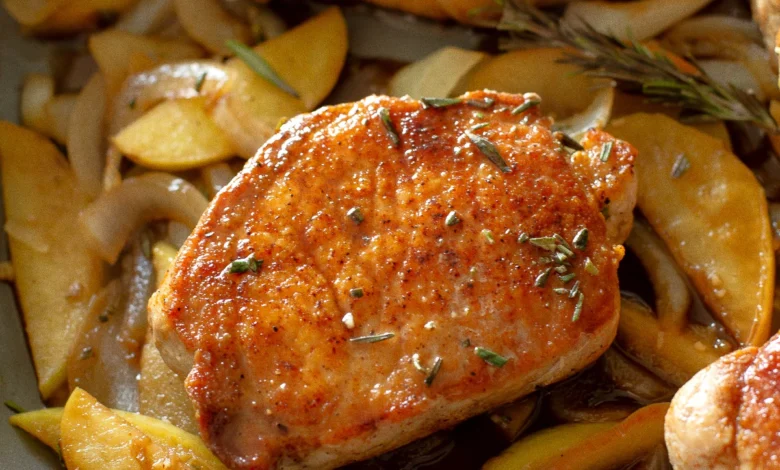
In contemporary culinary circles, the dish is celebrated for its efficiency. A typical preparation involves a 30-minute window from preparation to serving, making it an ideal candidate for modern schedules. The process centers on the "one-pan" method, which serves a dual purpose: it minimizes post-cooking cleanup and ensures that the fond—the caramelized brown bits left at the bottom of the skillet after searing the pork—is incorporated into the final sauce, significantly elevating the depth of the flavor profile.
Technical Requirements for Ingredient Selection
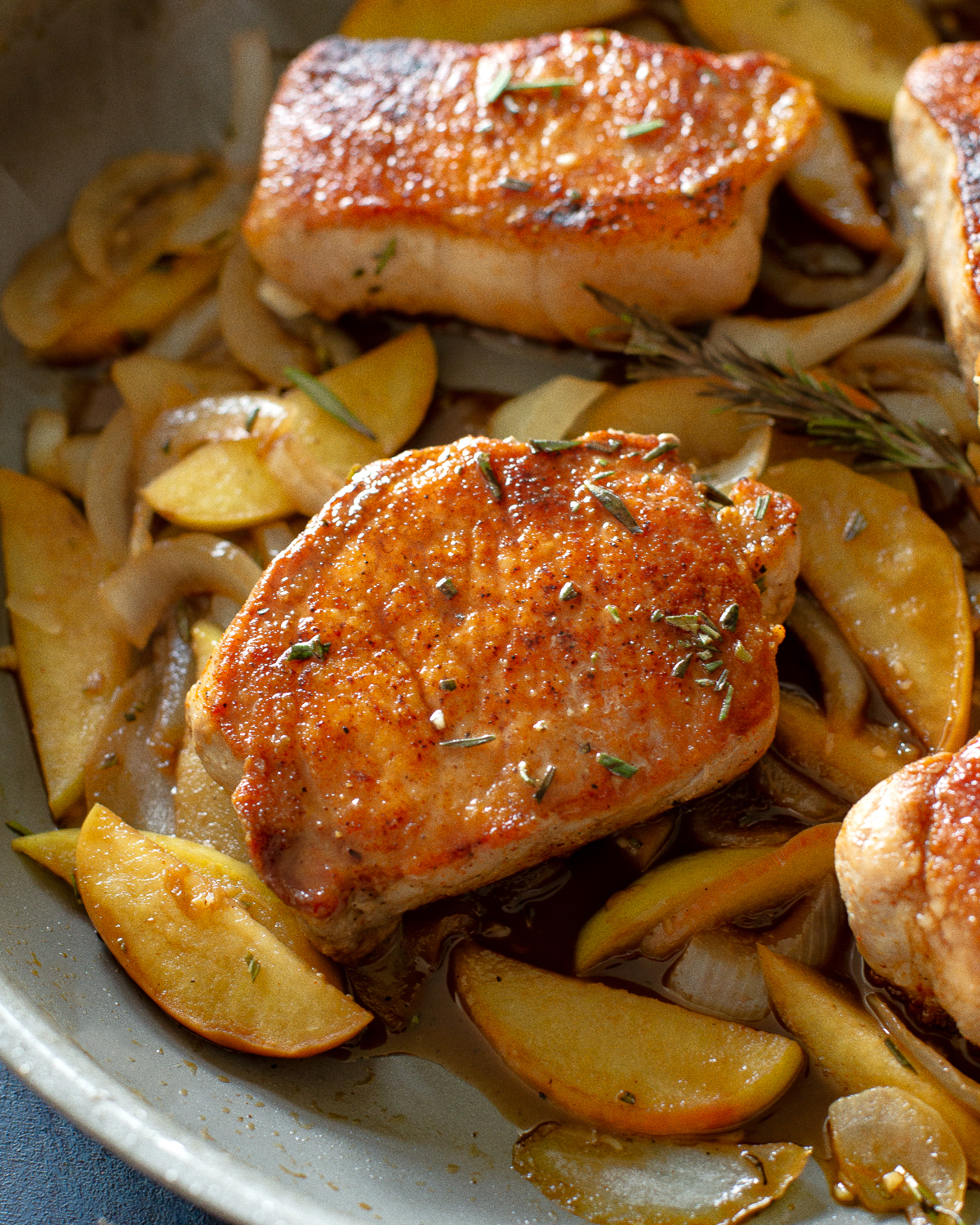
Achieving a high-quality outcome depends heavily on the selection of raw materials. Culinary experts emphasize that the choice of pork cut is the primary determinant of success. For optimal moisture retention and flavor, procurement of bone-in rib or center-cut chops, ideally between 1 and 1.5 inches in thickness, is recommended.
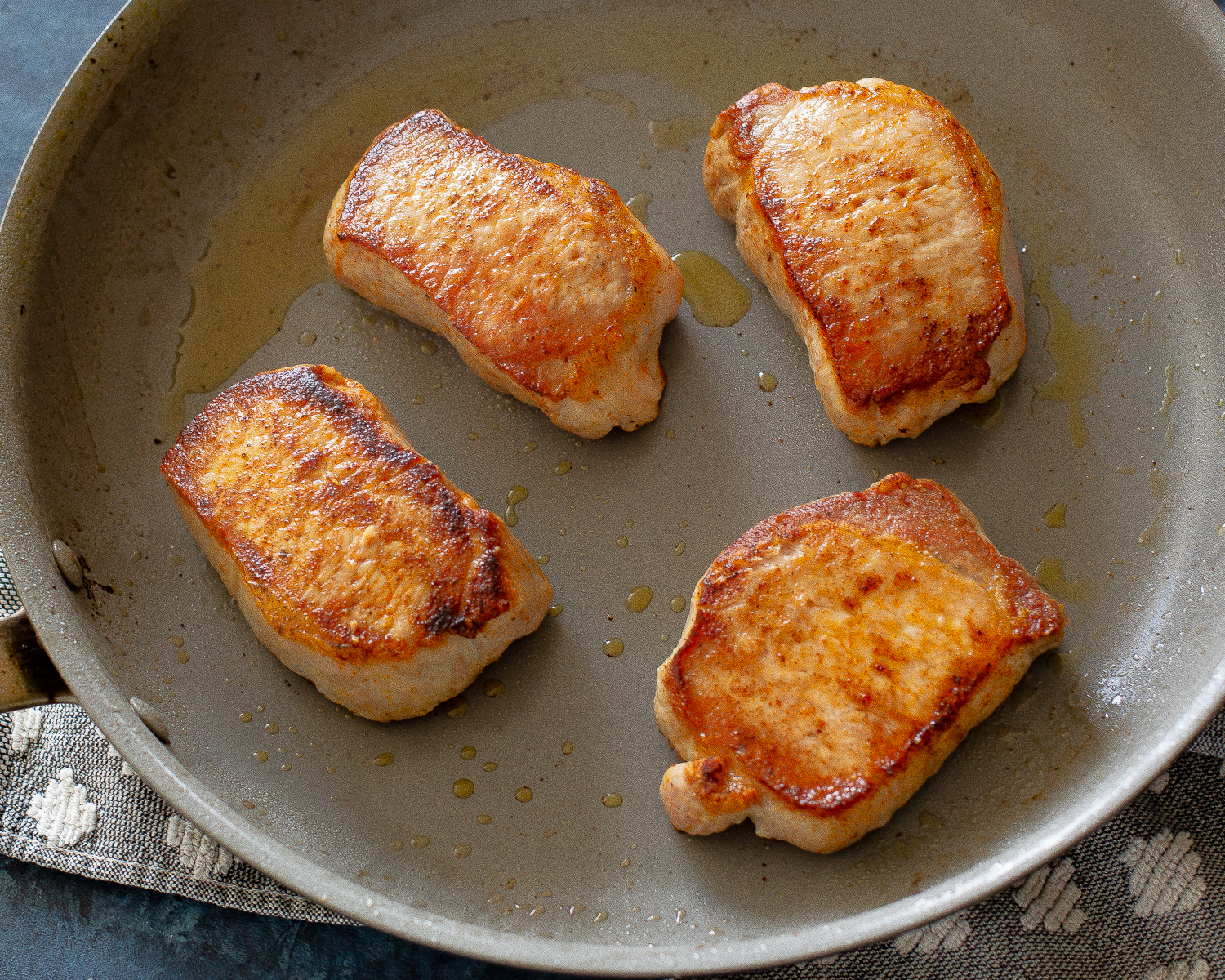
The rationale behind this selection is rooted in thermodynamics and protein structure. Thinner cuts of pork, often found in mass-market retail packaging, are prone to rapid moisture loss. When placed in a high-heat environment, these thin cuts reach an internal temperature that renders them dry and tough before the exterior can develop the desired Maillard reaction—the chemical process responsible for the savory, browned crust. By contrast, thicker cuts allow for a longer searing time, enabling the exterior to develop a deep, complex flavor while keeping the interior juicy and tender.
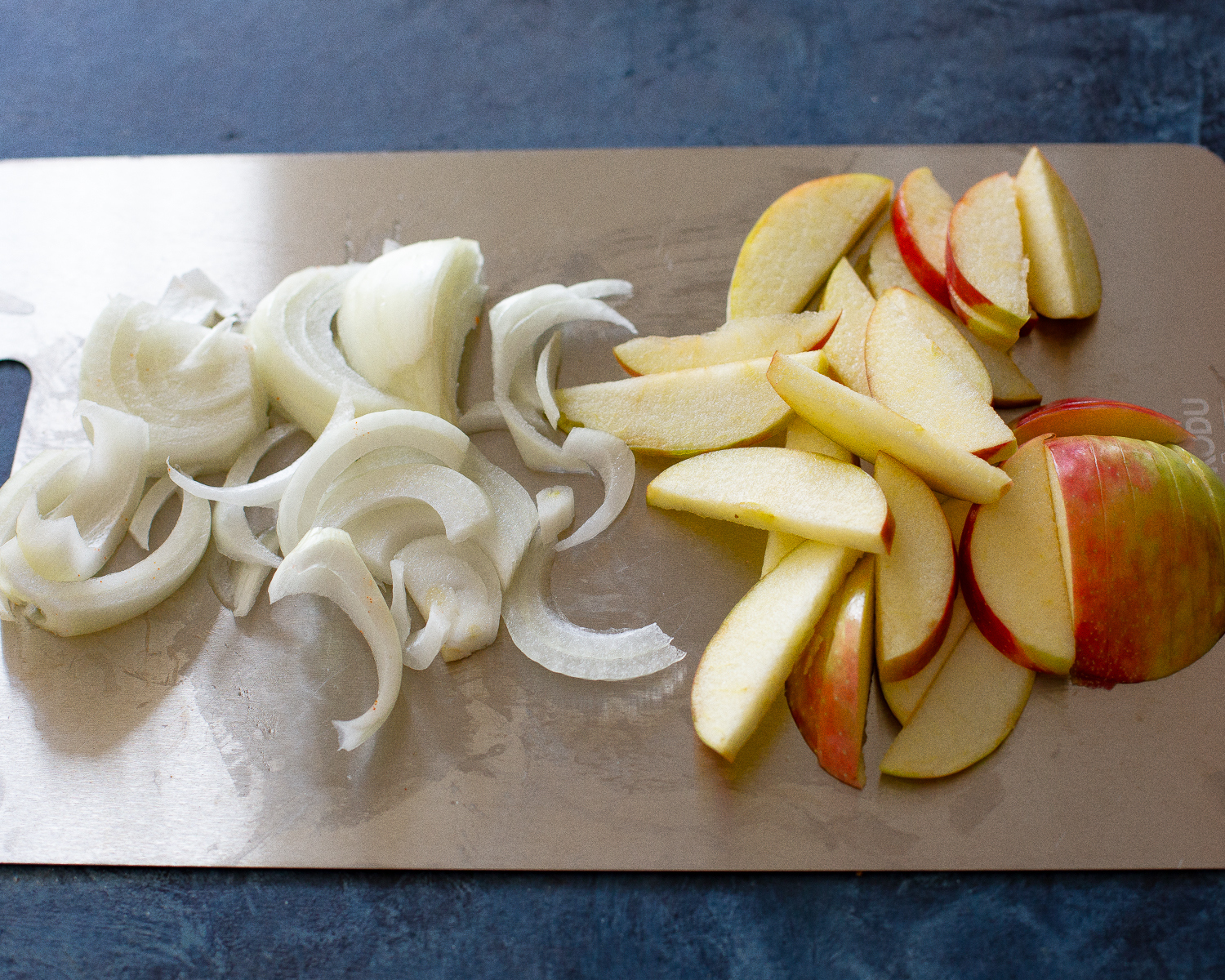
Regarding the fruit component, consistency is paramount. The structural integrity of the apple is critical to the dish’s texture. Varieties such as Honeycrisp or Pink Lady are preferred due to their high pectin content and firm cell walls, which allow them to soften under heat without disintegrating into a puree. This textural contrast between the fibrous, tender pork and the firm, slightly softened fruit provides the sensory variety essential to the dish’s appeal.
Chronology of Preparation
The assembly of the dish follows a precise, time-sensitive sequence designed to optimize flavor extraction.
- Searing Phase: The pork is seasoned and seared in a heavy-bottomed skillet over medium-high heat. This step is strictly for surface browning; the meat is typically removed before it reaches its final internal temperature to prevent overcooking.
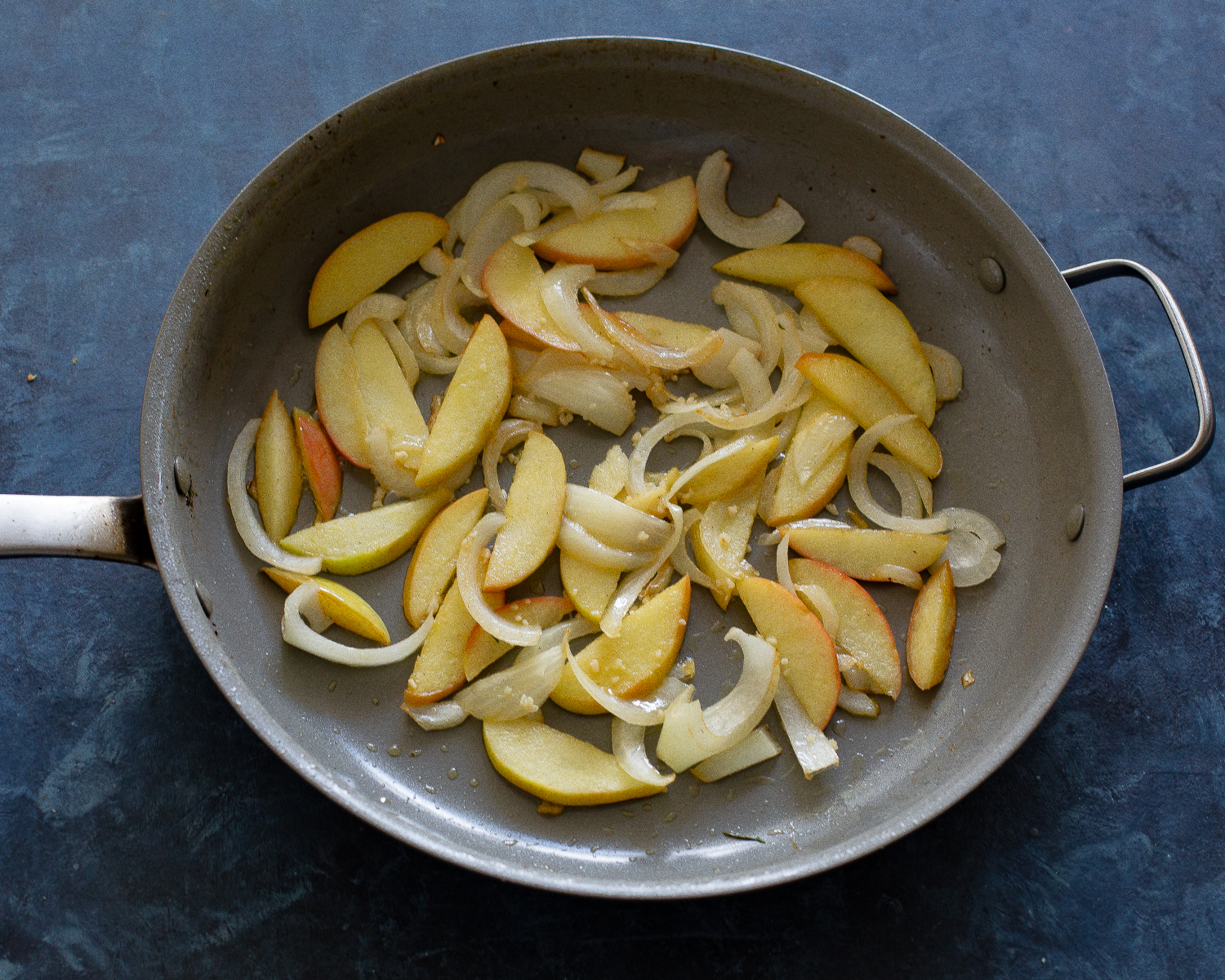
- Aromatic Integration: In the remaining rendered fat, sliced onions are sautéed until translucent. This step extracts the sugars from the onions, creating a foundation for the sauce.
- Deglazing: The addition of apple cider and a splash of balsamic vinegar serves to deglaze the pan, lifting the browned bits (the fond) from the surface. This is a critical chemical step that creates the backbone of the glaze.
- Reduction: The apples are introduced to the skillet, where they simmer in the cider-balsamic mixture. As the liquid reduces, it thickens into a syrup, coating the ingredients in a glaze that balances the acidity of the vinegar with the natural sweetness of the fruit.
- Finishing: The pork is returned to the pan to finish cooking alongside the aromatics, ensuring that the meat absorbs the essence of the rosemary and the cider reduction.
Nutritional Implications and Economic Impact
From a nutritional perspective, this dish offers a balanced macronutrient profile. Pork is a significant source of high-quality protein, thiamine, and selenium. When paired with apples, the meal gains essential dietary fiber and vitamin C. The inclusion of onions adds organosulfur compounds, which have been linked to anti-inflammatory benefits.
The dish also carries a notable economic profile. Because the ingredients—apples, onions, and pork—are shelf-stable or readily available in bulk during the autumn harvest, the cost per serving is significantly lower than that of restaurant-prepared equivalents. According to consumer food trend reports, there has been an increased preference for "cozy" or "comfort" meals as households look to mitigate inflation through home cooking. This recipe directly satisfies the demand for high-value, restaurant-quality meals that can be executed with minimal investment in specialized kitchen equipment.
Professional Perspectives on Food Safety
Culinary safety standards mandate that pork must reach an internal temperature of 145 degrees Fahrenheit (63 degrees Celsius) to ensure the elimination of foodborne pathogens, followed by a three-minute rest period. While older guidelines once recommended higher temperatures, the United States Department of Agriculture (USDA) updated its standards in 2011 to reflect improved safety in the pork supply chain. Modern practitioners of this recipe are encouraged to use a digital meat thermometer to ensure accuracy, as relying on visual cues alone often results in overcooking, which is the primary cause of consumer dissatisfaction with pork dishes.
Broader Impact on Home Cooking Trends
The resurgence of interest in traditional pairings like pork and apples reflects a broader shift toward "back-to-basics" cooking. As digital media platforms continue to prioritize long-form, educational content, the "one-pan" cooking methodology has become a hallmark of the modern home kitchen. It represents an efficient synthesis of aesthetics and functionality.
Furthermore, the adaptability of this recipe allows for significant individual modification. Some variations incorporate dry white wine or mustard into the reduction, while others may utilize different varieties of aromatics or herbs. This flexibility encourages home cooks to experiment within a structured framework, fostering culinary confidence and reducing dependence on pre-packaged, highly processed meal solutions.
Conclusion and Future Outlook
As the food industry continues to evolve, the enduring nature of recipes such as Pork Chops with Apples serves as a reminder that the most effective culinary solutions are often those that respect seasonal cycles and fundamental cooking principles. By combining high-quality proteins with the tart, sweet profile of orchard fruits, the dish remains a cornerstone of domestic comfort food. Whether served for a quiet weeknight dinner or as a centerpiece for a small gathering, its reliance on simple, fresh ingredients and precise technique ensures its relevance for generations of home cooks to come. The simplicity of the method—searing, simmering, and glazing—is the ultimate testament to the efficacy of traditional culinary wisdom in a modern, fast-paced world.