Chinese Noodle Sauce Da Lu Mian Comfort Food Tradition and Culinary Evolution

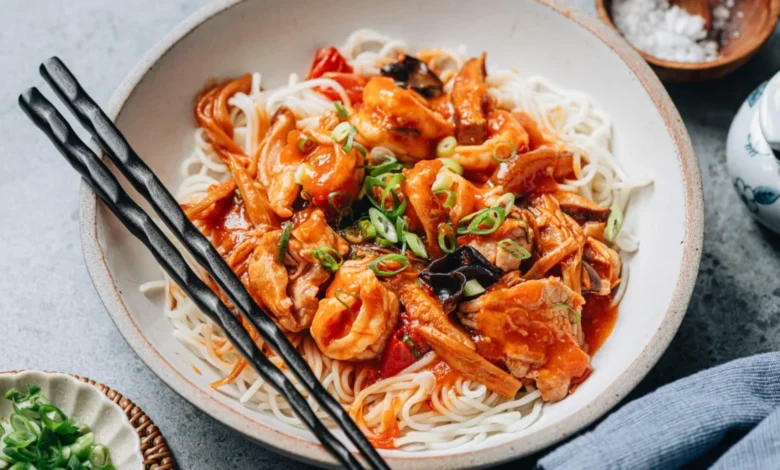
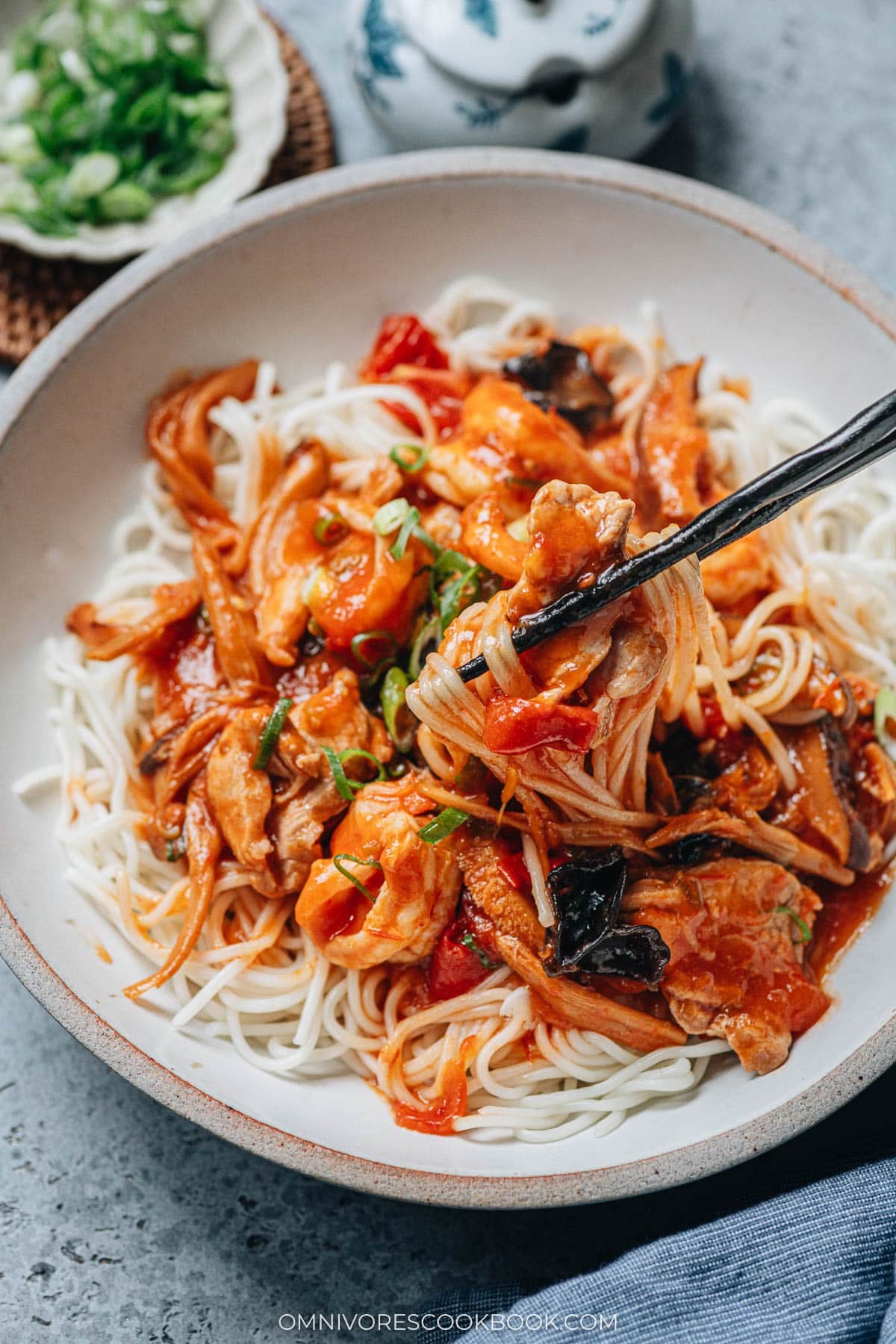
Da Lu Mian stands as a prominent pillar of Northern Chinese comfort cuisine, defined by its signature savory, cornstarch-thickened gravy ladled generously over wheat noodles. While everyday domestic preparations typically rely on modest staples like eggs, pork, and assorted mushrooms, regional and familial variations often elevate the dish into a complex, celebratory centerpiece. This noodle dish bridges historical rationing eras with modern home cooking, reflecting how culinary traditions adapt across generations while retaining their cultural significance.
Historical Context and Cultural Significance
The roots of Da Lu Mian trace back to Northern China, where thick, warming noodle soups and gravies provide sustenance against cold winters. Historically, the dish functioned as both an accessible daily meal for working-class households and a customizable canvas for special occasions. During periods of strict food rationing in China’s mid-20th century, everyday access to protein was heavily restricted through a voucher system.
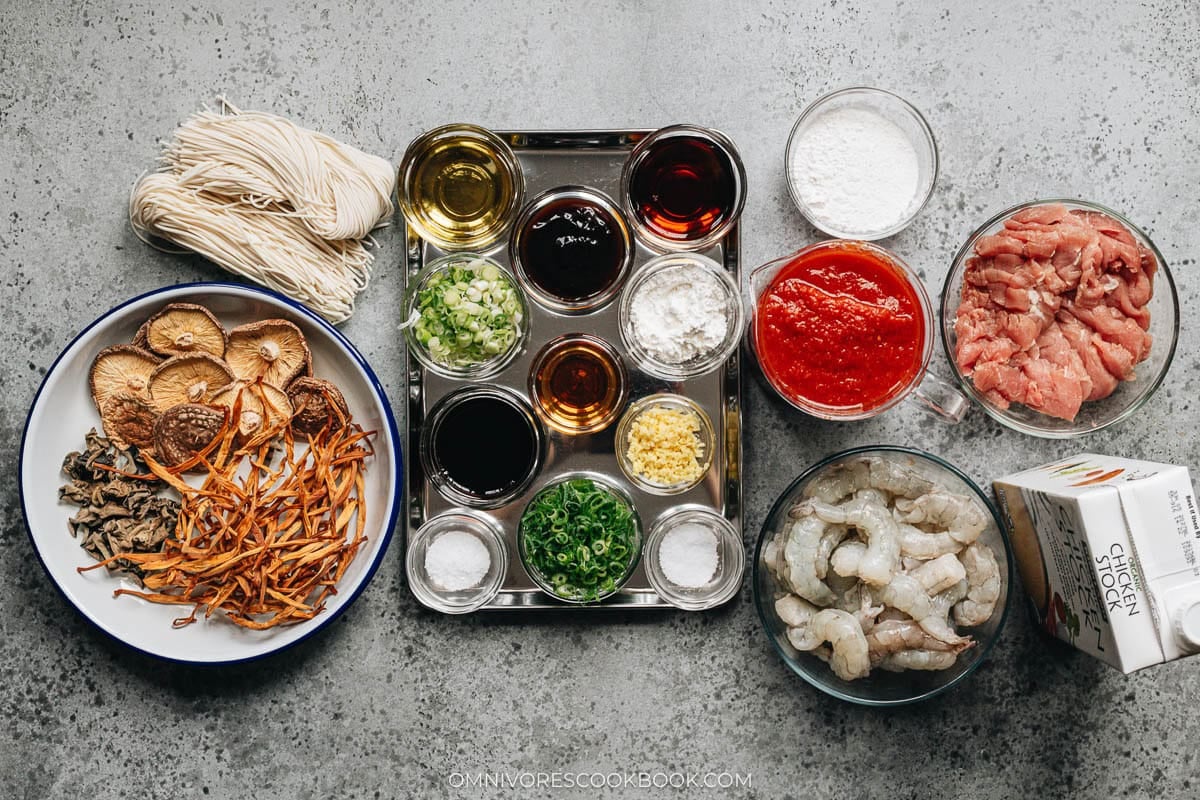
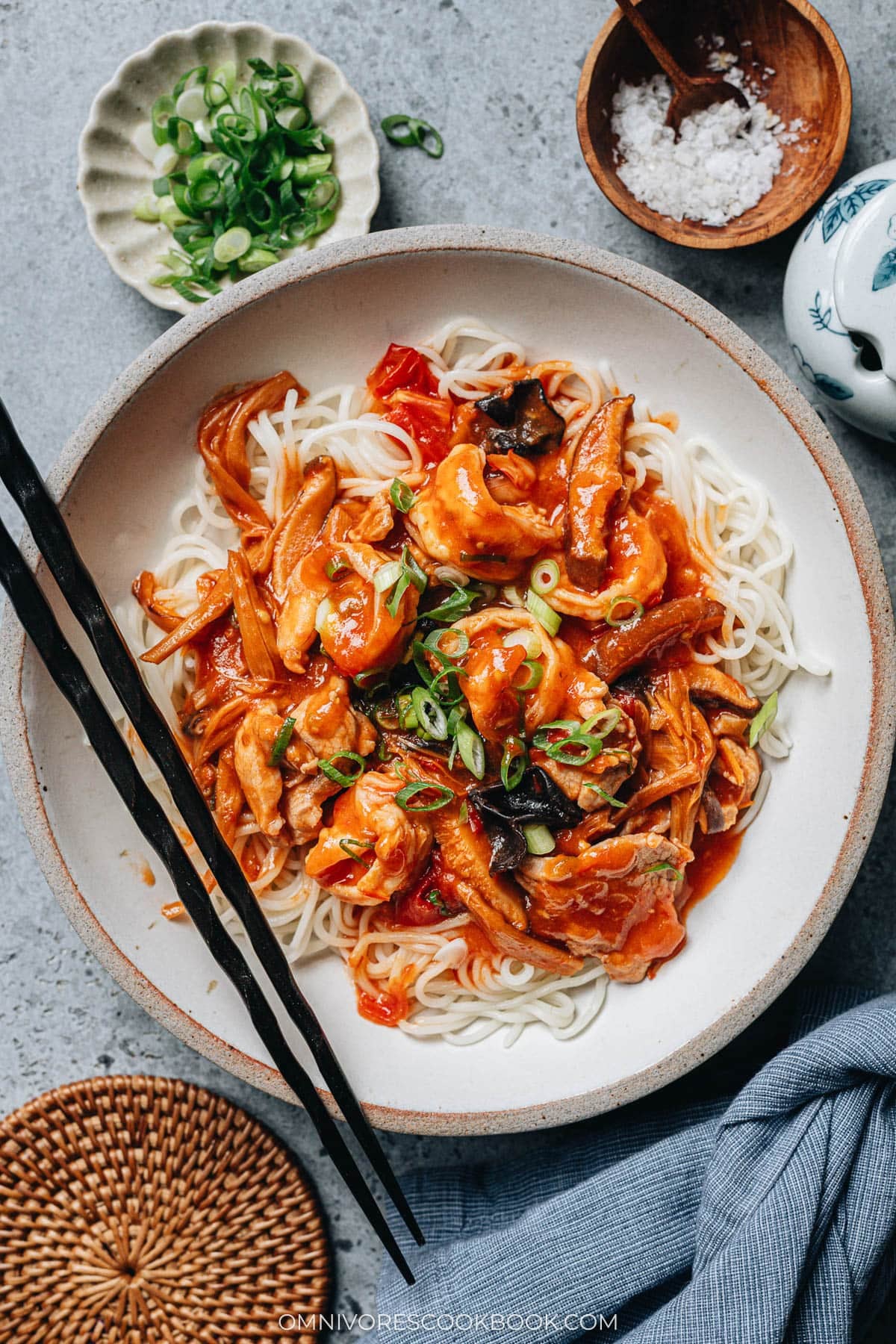
Families with greater economic means or agricultural self-sufficiency could afford ingredients beyond basic grain and vegetable allotments. In these households, noodle gravies were fortified with luxury additions such as pork tenderloin, shrimp, dried lily flowers, shiitake mushrooms, and wood ear mushrooms. These elaborate preparations served a dual purpose: providing robust nutrition for milestone celebrations like the Chinese New Year and signaling domestic prosperity within tight-knit neighborhoods. Over decades, recipes passed down through family networks evolved, incorporating modern convenience ingredients—such as canned diced tomatoes—while preserving foundational techniques like rehydrating specialized dried forest goods and utilizing precise cornstarch thickening methods.
Culinary Anatomy and Preparation Methodology
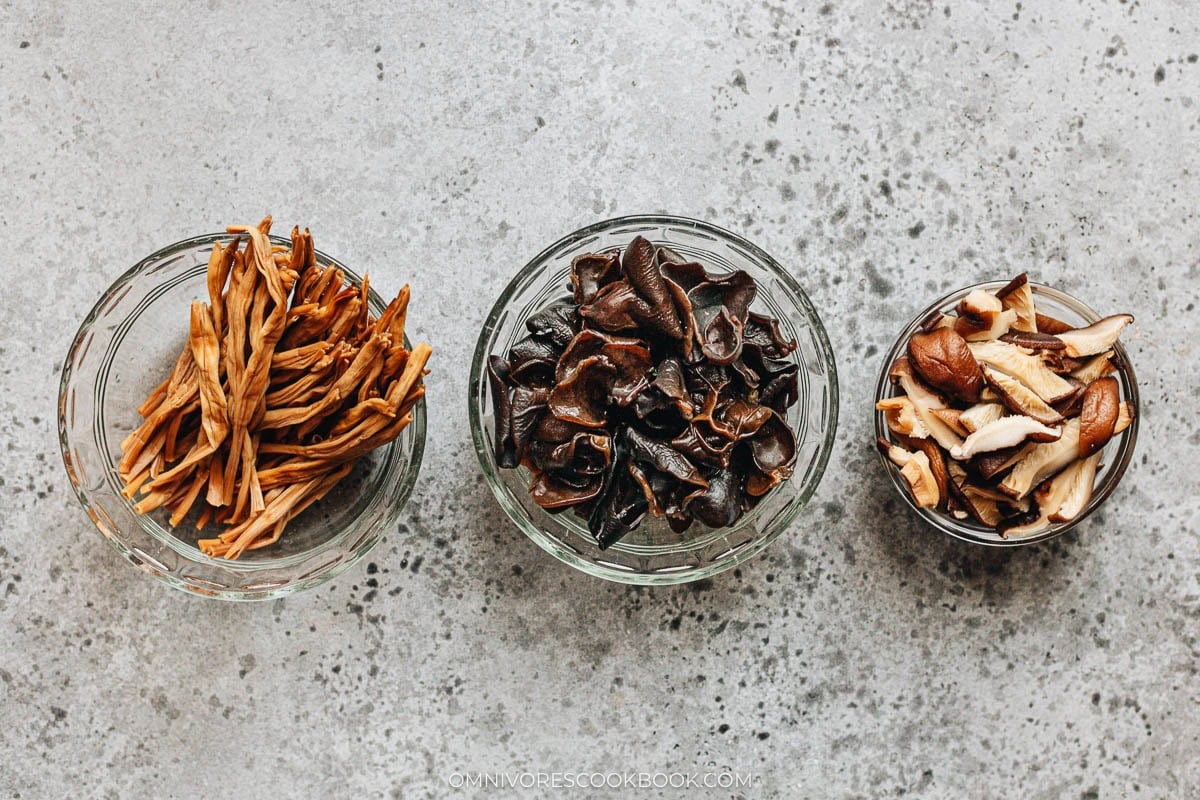
At its core, the preparation of an authentic, elevated Da Lu Mian requires a structured chronology of ingredient rehydration, protein marinating, and gravy development. The process begins well in advance of cooking, as key flavor drivers—specifically dried lily flowers, dried shiitake mushrooms, and wood ear mushrooms—require thorough soaking in hot water to soften.
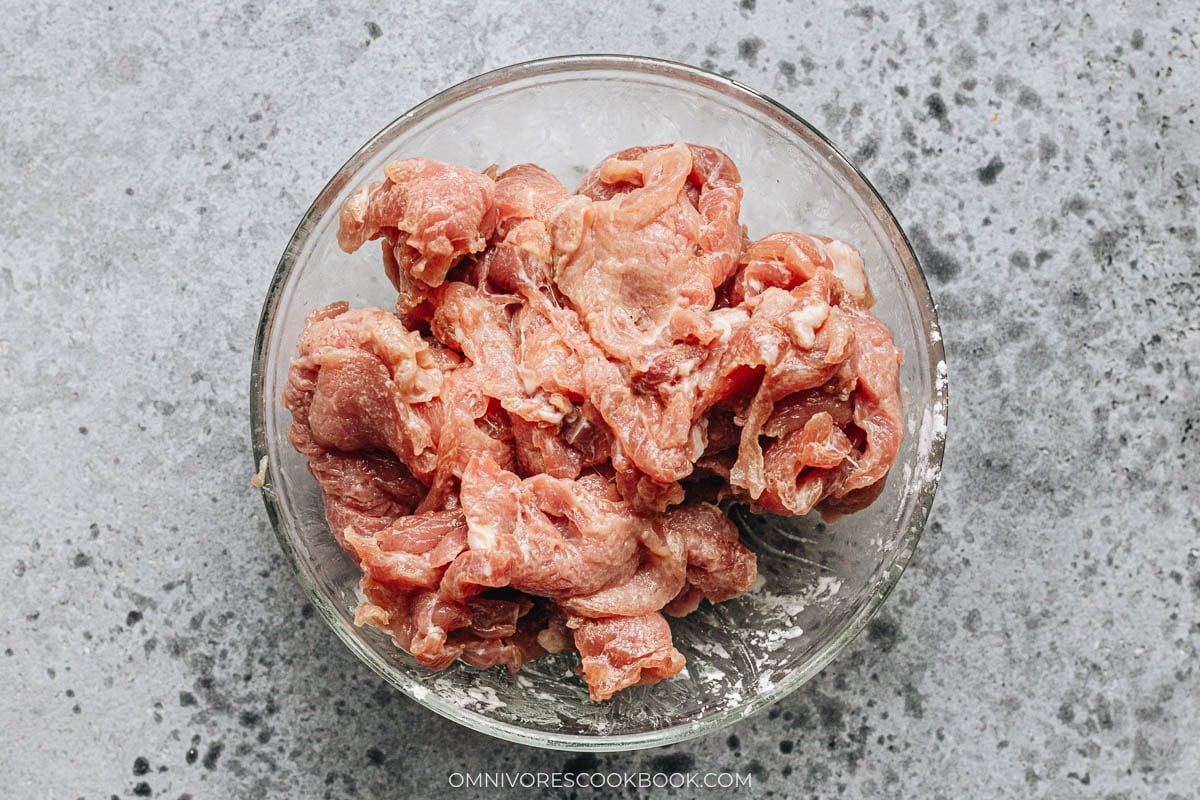
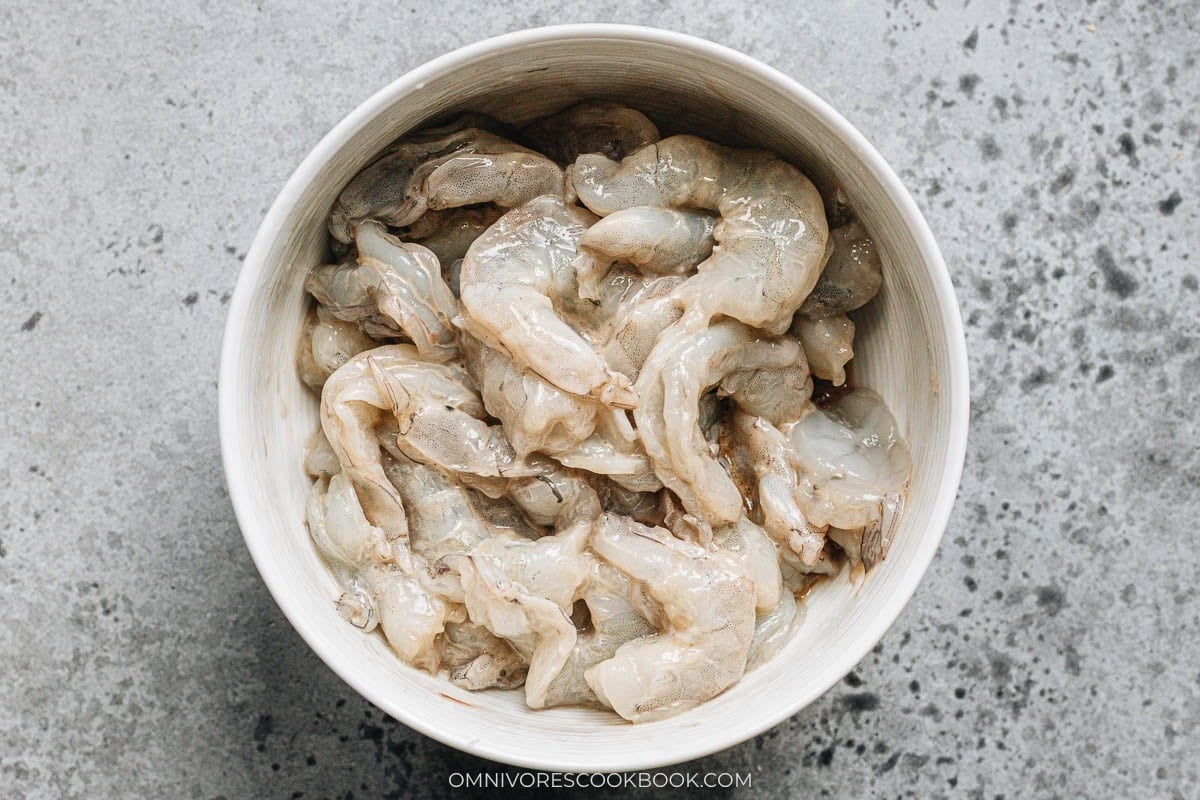
A critical technique in traditional execution involves reserving and filtering the soaking liquid from the dried lily flowers to serve as the foundation of the broth. This step infuses the gravy with deep, earthy undertones without necessitating prolonged simmering times. Proteins, typically thin-slicing pork tenderloin and fresh shrimp, undergo a brief velvetizing marinade consisting of Shaoxing wine, salt, and cornstarch. This technique locks in moisture, ensuring the meats remain tender when subjected to the residual heat of the simmering sauce.
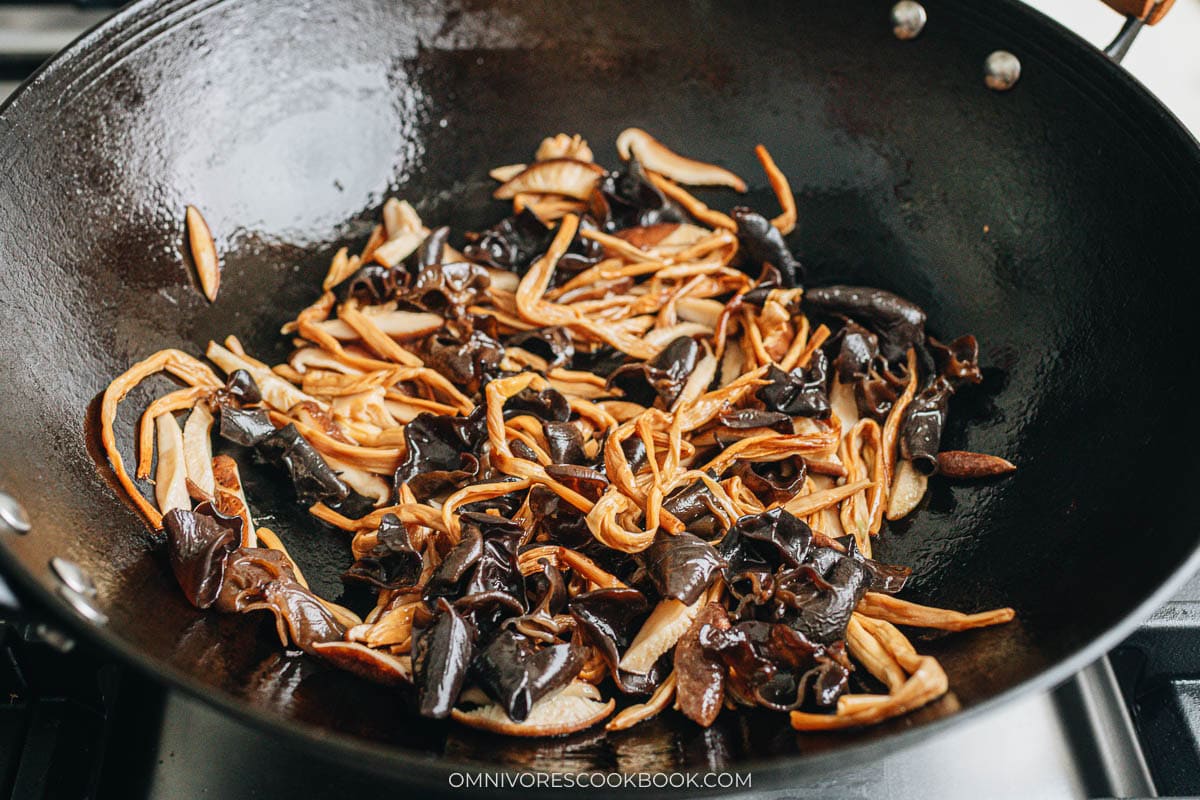
The cooking sequence proceeds systematically:
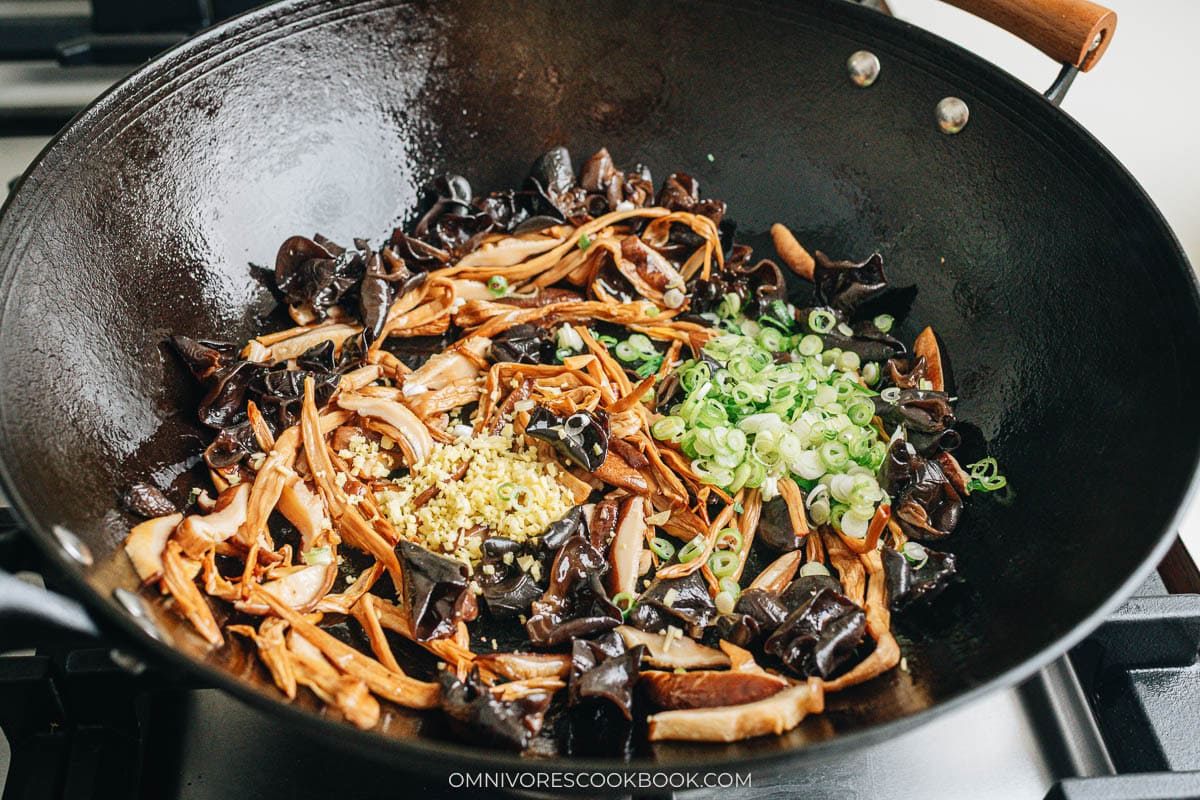
- Rehydration and Searing: Dried vegetables are drained, trimmed, and gently sautéed in oil to release their aromatic oils.
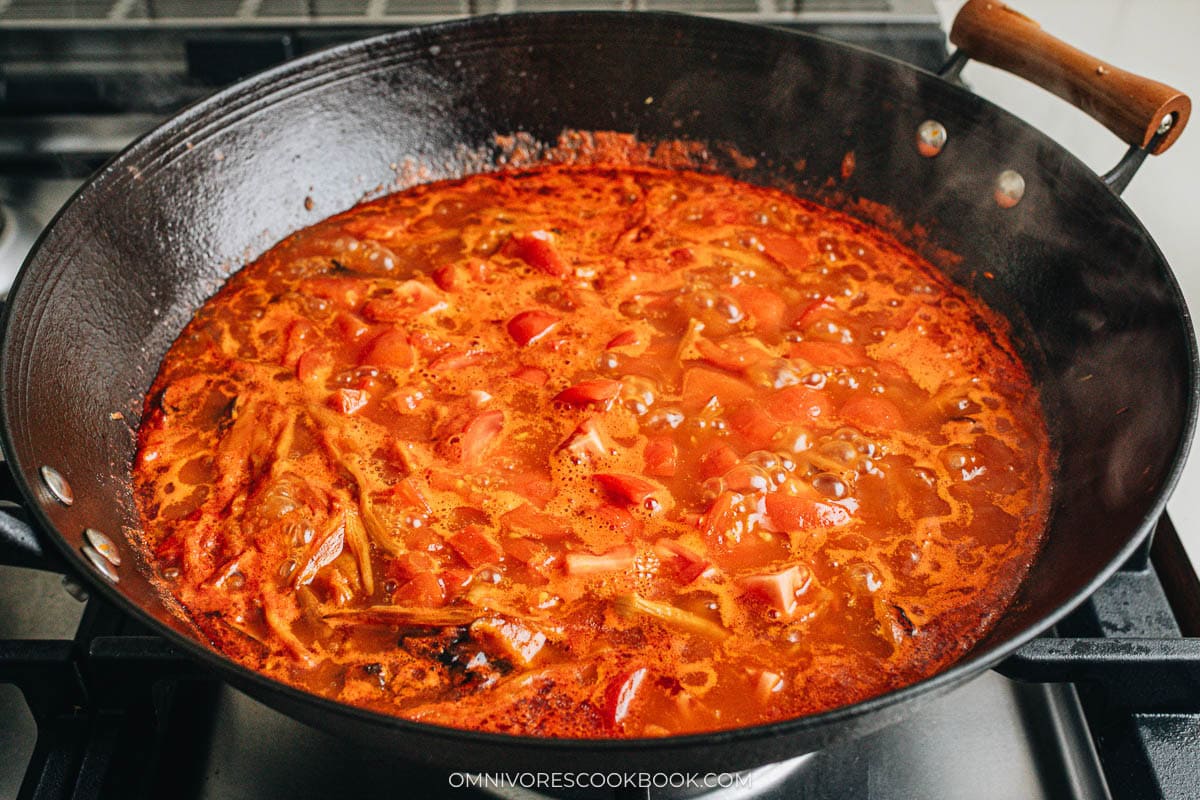
- Aromatics and Base Integration: Green onion whites and minced ginger are introduced, followed by canned tomatoes and the reserved lily flower water combined with chicken stock, soy sauce, oyster sauce, sugar, and salt.
- Simmering: The mixture achieves a boil before being reduced to a simmer, allowing the complex flavors of the stock, tomatoes, and mushrooms to meld over approximately 15 minutes.
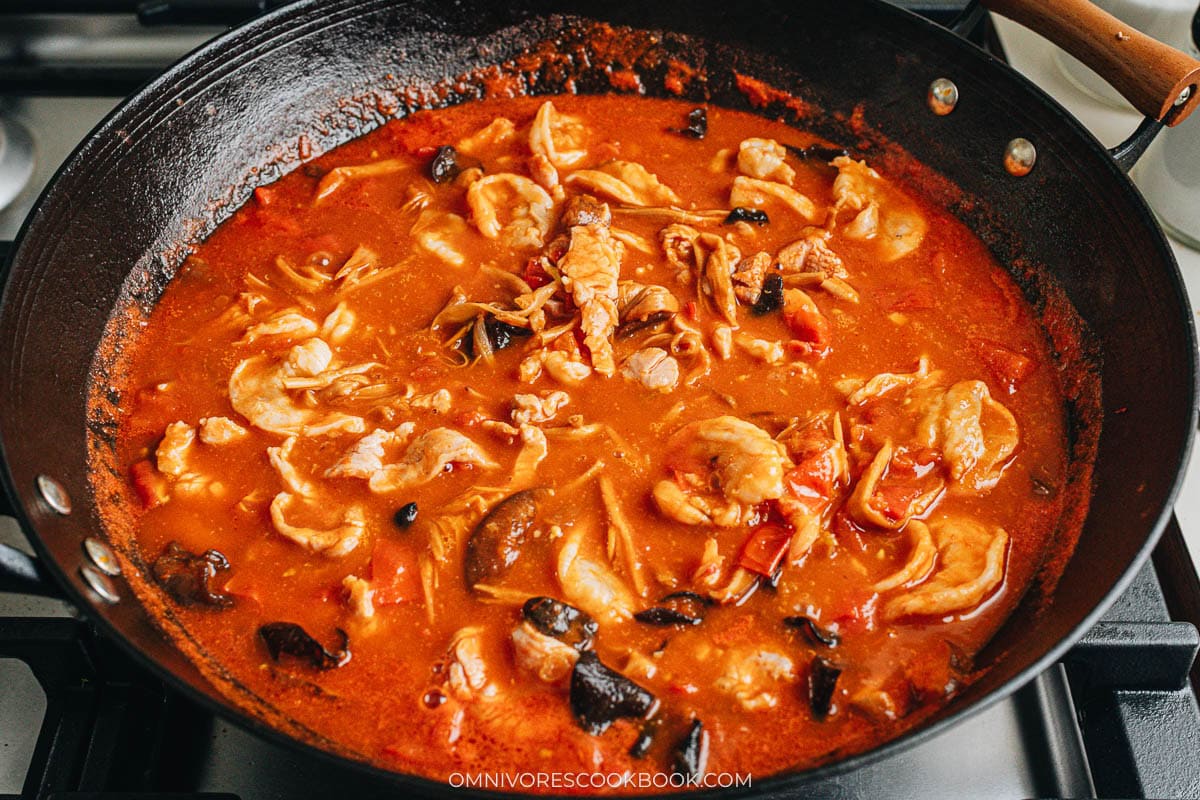
- Protein Incorporation: The marinated shrimp and pork are added near the end of the cooking cycle, requiring only one to two minutes to cook through to prevent toughness.
- Finishing Touches: A cornstarch slurry is introduced in measured increments to achieve the desired gravy consistency. The sauce is finished with toasted sesame oil or chili oil, fresh green onion greens, and served immediately over freshly cooked wheat noodles.
Broader Culinary Implications and Adaptation in Western Kitchens
The longevity of traditional recipes in contemporary global cuisine depends heavily on workflow optimization. Culinary historians and modern recipe developers note that dishes like Da Lu Mian face adoption hurdles in fast-paced Western kitchens due to the multi-step preparation required for specialized Asian pantry items.
Recent updates to traditional home-cooking methodologies—such as utilizing partly frozen pork tenderloin for easier slicing, standardizing canned tomato additions for consistent acidity, and implementing a two-stage cornstarch slurry addition for precise viscosity control—demonstrate how classic dishes are streamlined for modern efficiency. Food safety and preparation experts emphasize that these adaptations do not compromise the nutritional or sensory profile of the dish, which averages roughly 292 kilocalories per serving while offering balanced macronutrients including 22 grams of protein and 3.3 grams of dietary fiber.
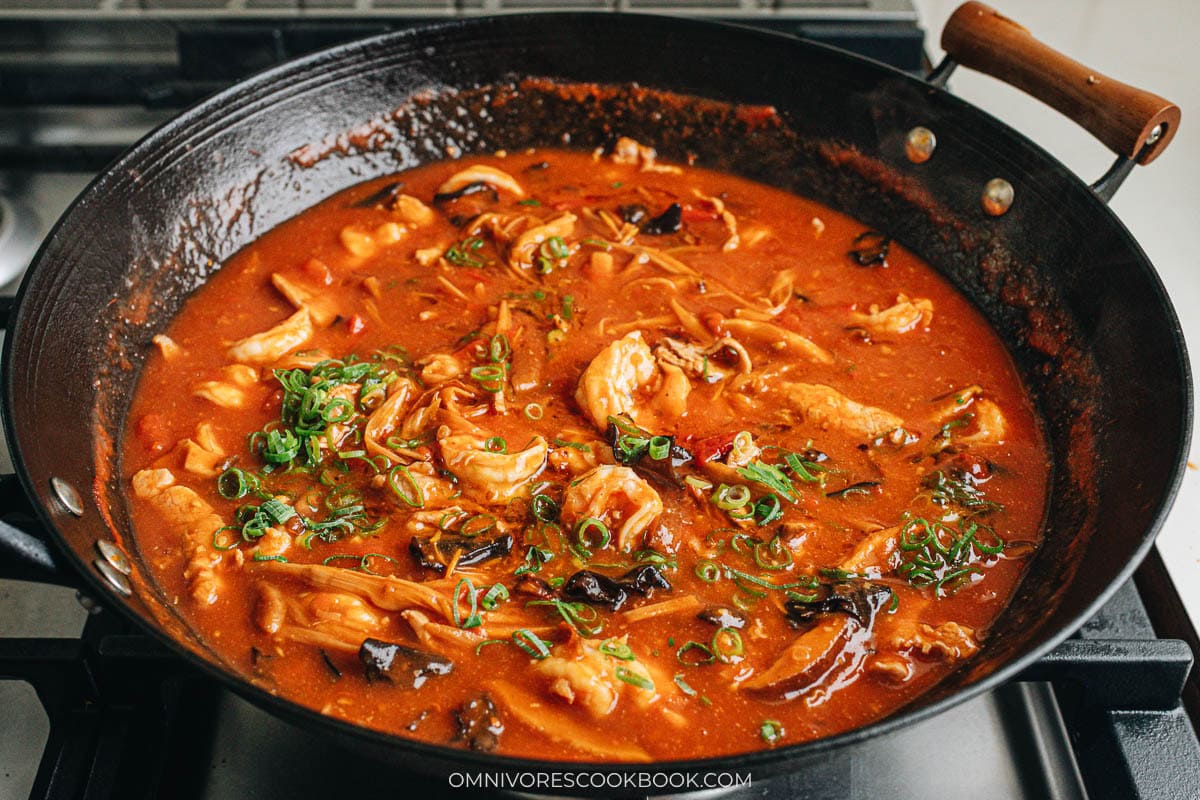
As global interest in authentic regional Asian cooking continues to expand, dishes like Da Lu Mian offer consumers a window into the intersection of historical resourcefulness and modern culinary refinement. By preserving foundational flavor profiles—such as the umami-rich combination of dried forest mushrooms and seafood—while embracing accessible cooking techniques, home cooks worldwide continue to sustain centuries-old culinary heritage.