Scallion Pancake Popovers: A Modern Approach to Traditional Savory Pastries

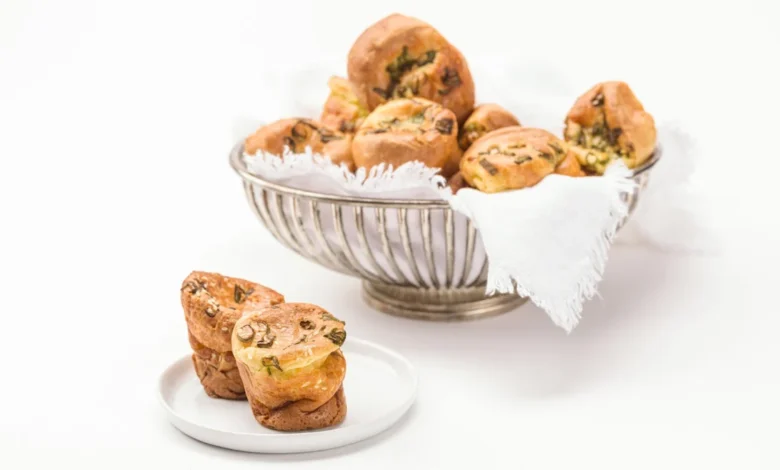
The evolution of traditional culinary staples has accelerated in recent years, driven by a growing consumer demand for gluten-free alternatives and more efficient home-cooking methodologies. A notable development in this sector is the transition of the traditional scallion pancake—a staple of East Asian cuisine—into a baked, gluten-free popover format. This shift represents a departure from the labor-intensive, pan-fried techniques that have defined the dish for generations, offering a streamlined approach that prioritizes convenience without sacrificing the structural integrity of the final product.
The Historical Context of the Scallion Pancake
The traditional scallion pancake, known in Mandarin as cong you bing, is a classic unleavened flatbread folded with oil and minced scallions. Historically, the dish is characterized by its laminated dough, which is achieved through a multi-step rolling and folding process. This technique creates distinct, crispy layers that contrast with a chewy, dense interior.
For centuries, the preparation of this dish has required consistent stovetop oversight, involving precise heat management to ensure that the exterior achieves a deep golden-brown crust while the interior remains cooked through. In a contemporary culinary context, however, the reliance on high-fat frying methods and wheat-based flours has faced scrutiny from health-conscious demographics and those with celiac disease or non-celiac gluten sensitivity. The emergence of the scallion popover serves as a technical response to these concerns, leveraging the principles of batter-based baking to replicate the savory profile of the pancake while utilizing alternative flours to meet modern dietary requirements.
Technical Innovations in Baking
The transformation of the scallion pancake into a popover involves a shift from a dough-based architecture to a batter-based one. A popover is essentially a light, airy roll made from an egg-rich batter, similar to the British Yorkshire pudding. By incorporating scallions into this specific chemical structure, bakers can achieve a product that rises significantly in the oven, creating a hollow, soft interior protected by a crisp, golden shell.
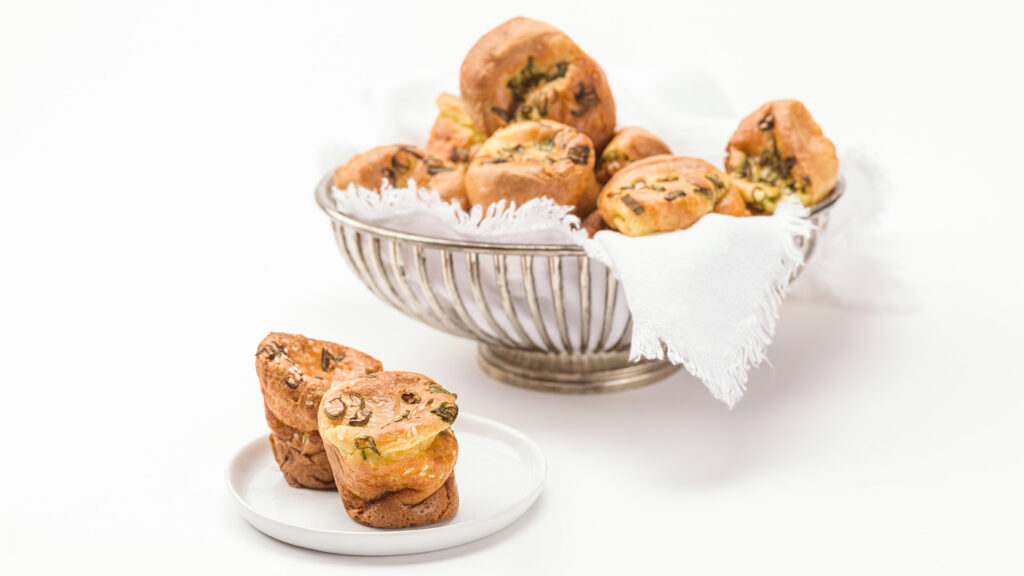
This method eliminates the need for the traditional "flipping" technique—a process that requires constant manual intervention. According to food science principles, the leavening in a popover is achieved through the rapid expansion of steam within the batter. By preheating the baking vessel, the exterior sets quickly, trapping the steam inside and forcing the batter to climb the walls of the mold. This process requires approximately 25 minutes of active preparation time, followed by a total investment of one hour, a significant reduction compared to the intensive kneading and resting periods required for traditional dough-based scallion pancakes.
Supporting Data and Consumer Trends
Market research indicates a steady increase in the demand for "convenience-focused" gluten-free recipes. Data from the National Center for Biotechnology Information (NCBI) suggests that the prevalence of gluten-related disorders has remained a significant driver in the innovation of home-baking substitutes. Furthermore, industry reports from the culinary sector highlight a 12% year-over-year increase in interest for "baked-not-fried" savory appetizers.
The shift toward the scallion popover aligns with broader trends in the food industry toward "gourmet efficiency." As urban living spaces shrink and consumer time availability tightens, the reliance on single-use appliances and simplified, high-output cooking methods—such as the 12-popover yield—has become a standard expectation for home cooks. This specific recipe structure, which yields one dozen units, is calibrated for social hosting, addressing a market need for appetizers that are both culturally inspired and allergen-friendly.
Chronology of Preparation and Implementation
The logistical timeline for producing these popovers is structured to optimize kitchen efficiency. The process begins with the preparation of the batter, which necessitates a resting period to allow the starches to hydrate, a critical step when working with gluten-free flour blends.
- Preparation Phase (0–15 minutes): Initial assembly of the base ingredients, including the incorporation of fresh scallions. The scallions should be thinly sliced to ensure even distribution throughout the batter, preventing heavy clumps that might impede the vertical rise of the popover.
- Thermal Preparation (15–25 minutes): Preheating the oven and the baking tin. Thermal consistency is paramount; the tin must be hot enough to initiate the "pop" as soon as the batter is introduced.
- Baking Phase (25–55 minutes): The popovers undergo a two-stage baking process. They are initially baked at a high temperature to trigger the steam expansion, followed by a lower temperature phase to stabilize the structure and ensure the interior is fully set.
- Cooling and Service (55–60 minutes): A brief rest allows the crust to firm up, preventing the popover from collapsing upon exposure to room-temperature air.
Culinary Implications and Professional Assessment
Professional chefs and food technologists suggest that the success of this dish relies on the ratio of liquid to protein. In a gluten-free context, the use of binders—such as xanthan gum or high-quality starches—is essential to provide the elasticity that wheat gluten would naturally supply. Without these stabilizers, the steam would escape the batter rather than lifting it, resulting in a flat, dense disc rather than a light, airy popover.

Industry experts note that the "savory hit" referenced by enthusiasts is heavily dependent on the quality of the scallions. Using only the green parts of the scallion is recommended, as they provide a milder flavor profile that does not interfere with the delicate egg-based structure of the batter. The integration of high-heat cooking techniques effectively mimics the char of a traditional scallion pancake, providing the familiar smoky, aromatic notes associated with the original dish.
Broader Impact on Home Cooking
The rise of the scallion popover is symptomatic of a larger movement in modern cooking: the "democratization of technique." By stripping away the need for advanced skills—such as proper dough lamination and delicate stovetop temperature management—this recipe allows a broader range of home cooks to execute a dish that was previously viewed as a specialized culinary task.
Furthermore, the environmental and health implications of moving away from deep-fried, oil-intensive preparation methods cannot be overlooked. As public health initiatives continue to emphasize the reduction of trans-fats and processed oils in the home diet, recipes that utilize oven-baking as a primary cooking medium are seeing higher adoption rates. The transition from the traditional pancake to the popover is not merely a recipe alteration; it is a realignment of traditional cultural flavors with the health and time-management constraints of the 21st-century household.
Conclusion: Future Outlook
As we look toward the future of home-prepared appetizers, the scallion popover stands as a model for how legacy recipes can be successfully adapted for modern dietary needs. By leveraging the physical properties of steam leavening and prioritizing accessible, gluten-free ingredients, this approach bridges the gap between heritage and innovation.
While the traditional scallion pancake will undoubtedly retain its cultural significance in professional and authentic settings, the popover variant offers a pragmatic solution for the modern kitchen. It preserves the essential flavor profile of the scallion while providing a structurally superior, healthier, and more efficient alternative. As consumer interest in diverse, accessible, and allergen-conscious cooking continues to grow, it is highly probable that we will see more traditional dough-based snacks undergo similar transformations, ensuring their longevity in a rapidly changing culinary landscape. The success of this specific iteration serves as a benchmark for future innovations in the field of savory baking.