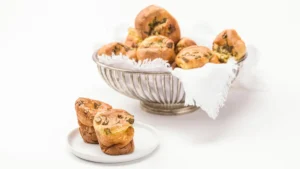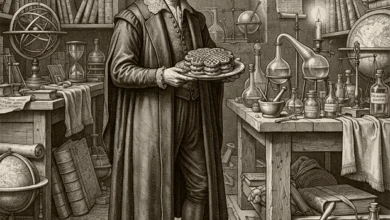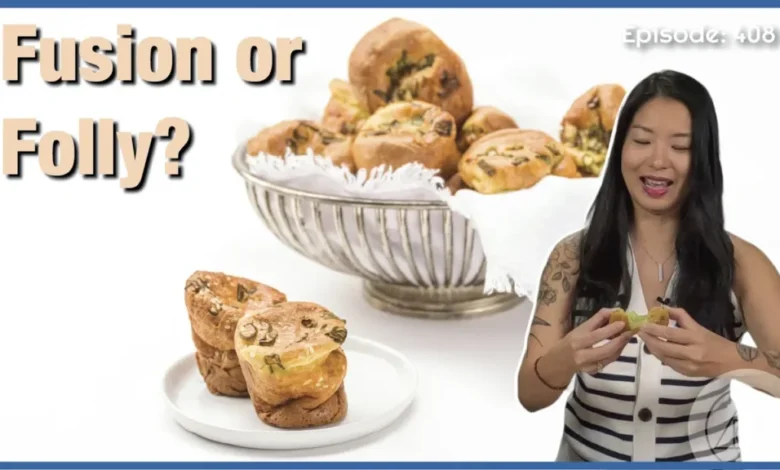
The intersection of traditional Chinese street food and British culinary technique has long been a subject of fascination for chefs and food scientists alike. The scallion pancake, known traditionally as cong you bing, is a staple of Chinese cuisine characterized by its unleavened, laminated dough that results in a crispy, flaky exterior and a chewy interior. Conversely, the British Yorkshire pudding is a classic batter-based side dish that relies on the rapid expansion of air and steam within a preheated tin to achieve its signature hollow, puffed structure. Recent developments in culinary experimentation have successfully bridged these two disparate techniques, resulting in the creation of a hybrid dish: the Scallion Pancake Popover.
Culinary Fusion and Technical Innovation
The concept of the Scallion Pancake Popover represents a shift in how home cooks approach complex ethnic recipes. Traditional scallion pancakes require significant manual labor: folding, rolling, and pan-frying the dough in layers of fat to achieve the desired texture. This process is time-consuming and often involves the use of significant amounts of oil, which some modern consumers seek to minimize for health or dietary reasons.
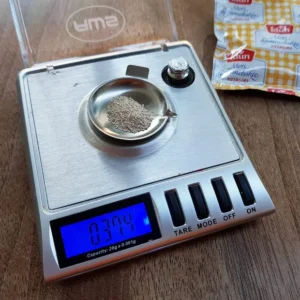
By utilizing the physics of the Yorkshire pudding—a high-heat, oven-baked batter process—culinary innovators have found a way to replicate the sensory experience of a scallion pancake without the traditional stovetop frying. This innovation primarily addresses two modern dietary trends: the move toward gluten-free alternatives and the desire for "hands-off" cooking methods. In the context of the Modernist Pantry’s "We Transform Food" series, this dish serves as a case study in how specialized ingredients and equipment can alter the outcome of legacy recipes.
The Science of the Rise: A Chronology of Technique
The transformation of these culinary staples can be viewed through a chronological lens of kitchen science. Historically, the scallion pancake evolved as a way to utilize leftover dough and green onions in Northern China. The lamination technique—folding dough with fat—was the primary method for creating texture.
In contrast, the popover, derived from 17th-century British recipes, relies on a thin batter. The chemical reaction involves the evaporation of liquid into steam, which is trapped by the structure of eggs and starch. When this occurs inside a preheated, oiled tin, the steam causes the batter to rise rapidly before the structure sets.
In the 21st century, the marriage of these two techniques was accelerated by the availability of specialized starches and leavening agents. By incorporating scallions into a high-hydration, gluten-free batter, chefs have created a product that mimics the savory, aromatic profile of the cong you bing while adopting the airy, light mouthfeel of the Yorkshire pudding. This process effectively removes the need for the repetitive flipping and frying associated with traditional pancake preparation.
Supporting Data and Dietary Shifts
Market data indicates a growing consumer demand for "accessible gourmet" cooking. According to recent reports on global food trends, interest in Asian-inspired home cooking has increased by approximately 22% over the last five years. Simultaneously, the market for gluten-free baking aids and high-performance kitchen gadgets has seen a compound annual growth rate (CAGR) of nearly 8% in the same period.
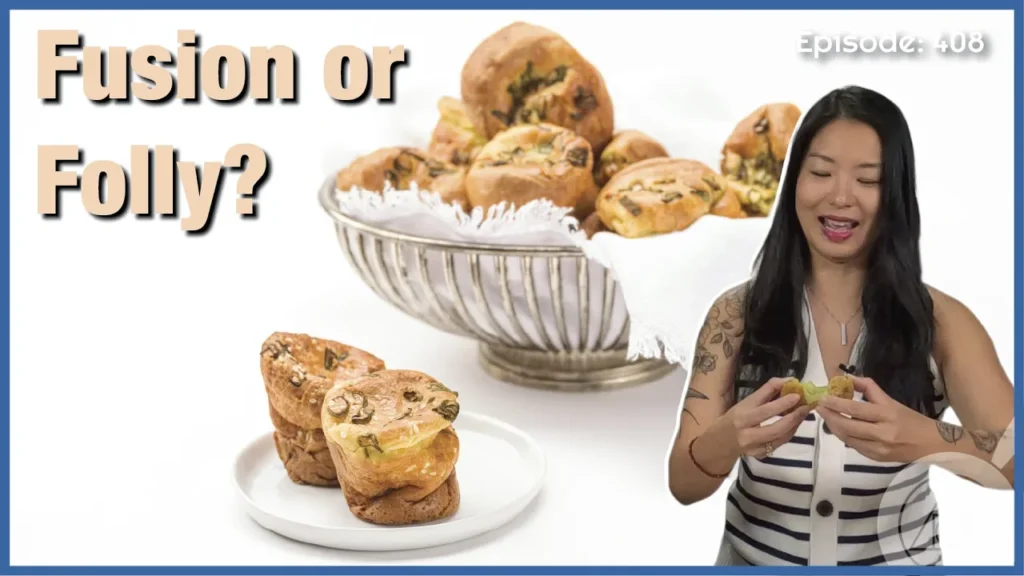
The Scallion Pancake Popover aligns with these market shifts. By moving the preparation from the stovetop to the oven, the recipe reduces the likelihood of burning—a common issue with traditional scallion pancakes—and allows for a more standardized, reproducible result. Furthermore, the exclusion of wheat flour in favor of gluten-free blends allows those with celiac disease or gluten sensitivity to participate in a culinary tradition that has historically been closed to them due to its reliance on wheat-based doughs.
Broader Culinary Implications
The emergence of this hybrid dish underscores a broader trend in gastronomy: the democratization of complex techniques. Where once a cook would need years of practice to master the lamination of a scallion pancake, the current culinary landscape allows for the achievement of similar flavor profiles through the use of precise oven temperatures and batter chemistry.
From a nutritional standpoint, the transition from pan-frying to baking represents a significant reduction in total fat content. Traditional cong you bing requires a substantial amount of oil to fry the layers, often absorbing a portion of that fat. Baking, by contrast, relies on the heat of the oven to crisp the exterior, allowing for a "lighter" interpretation of the savory classic.
Expert Analysis of the Hybrid Approach
Industry experts suggest that the success of these experiments—such as those highlighted in episode 408 of "We Transform Food"—lies in the "transferability of flavor profiles." When the aromatics (in this case, scallions and sesame oil) are integrated into a batter rather than layered into a dough, the intensity of the flavor is often more evenly distributed.
"The goal of such transformations is not to replace the original, but to provide a scalable alternative," says one independent culinary analyst. "When you take a labor-intensive dish and find a way to streamline it through a different technical application, you increase the frequency with which people can make it. That is how food cultures evolve—not by deleting the past, but by adapting it to the contemporary pace of life."
The Future of Kitchen Transformation
As the Modernist Pantry continues its exploration of ingredients and gadgets, the focus remains on the intersection of chemistry and convenience. The Scallion Pancake Popover is not an isolated experiment but part of a larger movement toward "modular cooking." This approach encourages home chefs to understand the underlying mechanics of a dish—in this case, the expansion of steam in a batter—and apply it to various flavor profiles.
The implications for the food industry are clear: there is a significant appetite for recipes that bridge the gap between traditional cultural heritage and the efficiency of modern technology. As more consumers seek out ways to replicate restaurant-quality appetizers at home without the need for specialized training, these hybrid recipes will likely continue to proliferate.
Summary of Impact
- Accessibility: By shifting the preparation method to the oven, the recipe becomes more approachable for amateur cooks.
- Health-Consciousness: The reduction of frying time and the move toward gluten-free compositions cater to modern dietary preferences.
- Technological Integration: The use of precise temperature control and specific ingredient ratios exemplifies how modern home kitchens are becoming laboratories for culinary innovation.
- Cultural Preservation: By adapting the flavor profile of a traditional Chinese street food into a new form, the dish ensures that the essence of the original recipe remains relevant to a wider, global audience.
In conclusion, the Scallion Pancake Popover serves as a compelling example of how culinary boundaries are fluid. By blending the aromatic, savory foundations of Chinese street food with the structural, airy elegance of the British Yorkshire pudding, chefs are proving that innovation is not about discarding tradition, but about finding new ways to experience it. Whether for the convenience of the home cook or the dietary requirements of the modern diner, the evolution of this dish highlights the ongoing potential for creativity within the constraints of the kitchen. As the series "We Transform Food" continues to document these shifts, it provides a valuable roadmap for those looking to expand their culinary repertoire through the lens of science and innovation.