Culinary Science Reclaims the Spotlight: A Comprehensive Review of Definitive Food Science Literature from 2020

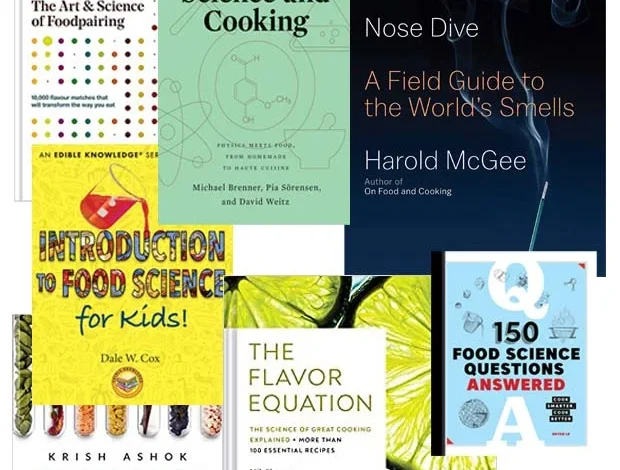
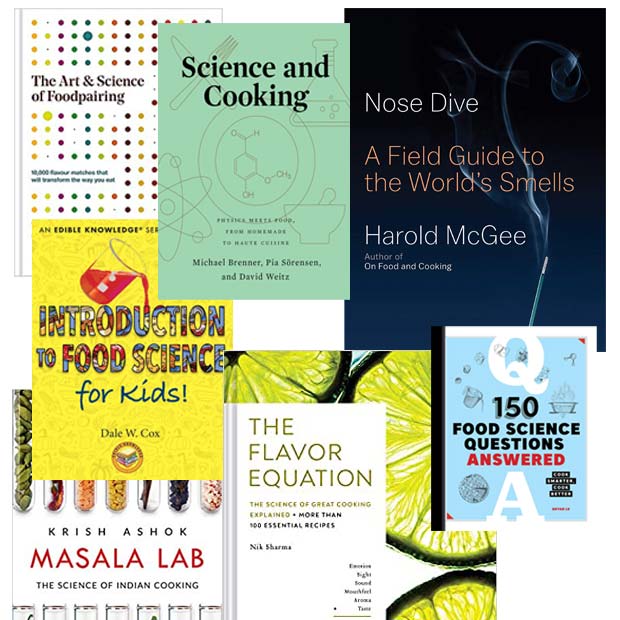
The intersection of culinary arts and hard science has experienced a profound resurgence, marked by a wave of seminal literary contributions that decode the physics, chemistry, and biology of the kitchen. Following an extended hiatus in public book recommendations dating back to 2013, culinary science commentator and blogger Khymos has curated a definitive list of publications released in 2020 that bridge the gap between empirical research and everyday gastronomy. This collection underscores a broader cultural shift toward evidence-based cooking, driven by contributions from academic researchers, software engineers, and professional chefs alike.
The Evolution of Culinary Science in Print
For decades, the culinary canon treated cooking as an intuitive art form governed by tradition and sensory perception. However, the publication of foundational texts—most notably Harold McGee’s 1984 landmark work, On Food and Cooking: The Science and Lore of the Kitchen—began to demystify the physical and chemical transformations that occur over heat.
By the year 2020, this niche academic pursuit matured into a mainstream publishing movement. Authors are no longer merely translating laboratory jargon for home cooks; rather, they are systematically embedding scientific methodologies directly into recipes, textbooks, and field guides. This shift reflects a growing consumer demand for precision, reproducibility, and a deeper understanding of sensory perception in the modern kitchen.
Key Publications Shaping the 2020 Culinary Landscape
The 2020 publishing cycle produced a diverse array of titles that approach food science through distinct lenses, ranging from quantitative flavor pairing to regional culinary traditions.
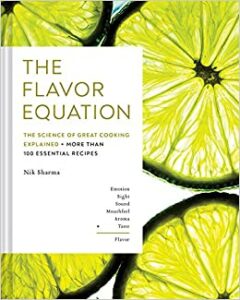
The Flavor Equation by Nik Sharma
Spanning 352 pages, Nik Sharma’s The Flavor Equation integrates approximately 100 recipes with rigorous scientific explanations. The text distinguishes itself through its recurring section, "The Flavor Approach," which provides micro-lessons on the chemical reactions underlying specific taste profiles. Complemented by metric units and an accessible approach to complex chemical concepts, the book dedicates its initial chapters to examining flavor through multiple optical, emotional, and chemical perspectives.
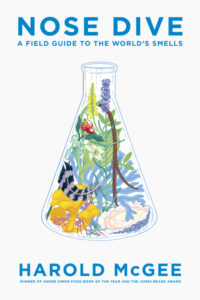
Nose Dive: A Field Guide to the World’s Smells by Harold McGee
Harold McGee returns with a monumental 688-page volume entirely dedicated to the mechanics of olfaction. Unlike his previous works that focused broadly on kitchen thermodynamics and ingredients, Nose Dive explores volatile organic compounds found not only in food but across the natural environment. While the text introduces readers to specific chemical nomenclature, it remains approachable for enthusiasts seeking to understand the primary driver of human flavor perception: the sense of smell.
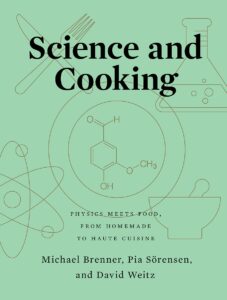
Science and Cooking: Physics Meets Food, From Homemade to Haute Cuisine by Michael Brenner, Pia Sørensen, and David Weitz
Originating from the popular general education course at Harvard University, this 320-page textbook synthesizes a decade of academic lectures. Authors Brenner, Sørensen, and Weitz—specialists in applied mathematics, chemistry, and physics—collaborate with world-renowned chefs to demonstrate how fundamental scientific principles govern both domestic cooking and haute cuisine. The volume pairs theoretical physics with practical kitchen applications, complete with standard metric measurements.
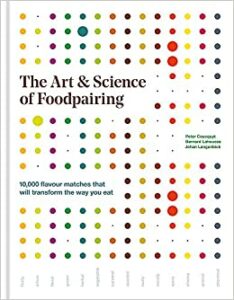
The Art and Science of Foodpairing by Peter Coucquyt, Bernard Lahousse, and Johan Langenbick
Drawing from years of empirical research and the pioneering work of the Foodpairing company, this 388-page text examines the computational side of flavor combinations. Based on aroma analysis and volatile compound matching, the book maps out unconventional ingredient pairings. Although flavor pairing remains a subject of debate within traditional culinary circles, the book successfully translates analytical data into a functional resource for culinary creativity.
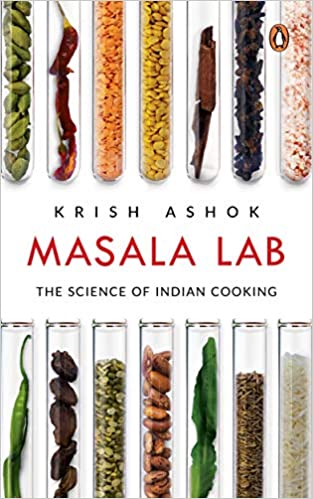
Masala Lab by Krish Ashok
Bringing a rigorous scientific lens to South Asian cuisine, software and electronic engineer Krish Ashok authored a 280-page exploration of traditional Indian cooking techniques. Masala Lab deconstructs common practices—such as the tempering of spices and the browning of onions—through the principles of thermodynamics and chemistry. Initially distributed primarily within regional markets, the book represents a vital expansion of food science literature into diverse global cuisines.
150 Food Science Questions Answered: Cook Smarter, Cook Better by Bryan Le
Structured around a comprehensive question-and-answer format, Bryan Le’s 198-page book addresses fundamental inquiries regarding kitchen techniques, flavor development, and food safety. Designed as a practical reference guide, it caters primarily to home cooks seeking an accessible entry point into empirical kitchen management.
Introduction to Food Science for Kids!: A Kitchen-Based Workbook by Dale W Cox
Aimed at younger audiences, this 112-page workbook utilizes domestic environments to teach basic physical and chemical concepts, demonstrating that the kitchen serves as an ideal introductory laboratory for STEM education.
Chronology and Development of the Food Science Movement
The formal integration of science into professional and domestic kitchens did not happen overnight. The following timeline illustrates the key milestones leading up to the 2020 publishing boom:
- 1984: Harold McGee publishes On Food and Cooking, establishing the foundational framework for modern culinary science.
- 1992: The first International Workshop on Molecular and Physical Gastronomy is held in Erice, Italy, co-founded by physicist Nicholas Kurti and chemist Hervé This.
- 2010: The Flemish Primitives conferences in Belgium bring international attention to emerging concepts like flavor pairing and technological innovation in the kitchen.
- 2010: Harvard University launches its prominent "Science and Cooking" general education course, spearheaded by Michael Brenner, Pia Sørensen, and David Weitz.
- 2013: Online platforms and specialized blogs, such as Khymos, regularly catalog the intersection of chemistry and cooking, setting the stage for a decade of accelerated literature growth.
- 2020: A convergence of academic texts, consumer field guides, and regional explorations—such as works by Nik Sharma, Harold McGee, and Krish Ashok—propels culinary science into mainstream publishing.
Industry Impact and Broader Implications
The proliferation of scientifically rigorous cookbooks signals a fundamental evolution in consumer behavior. Modern home cooks are increasingly motivated by a desire for operational control rather than blind adherence to traditional culinary rules. By understanding the Maillard reaction, thermal conductivity, and gas chromatography of aromas, individuals can troubleshoot recipes dynamically rather than relying solely on trial and error.
Furthermore, the inclusion of regional cuisines—exemplified by Krish Ashok’s work on Indian cooking—corrects a long-standing Eurocentric bias in food science literature. Historically, molecular gastronomy and culinary physics heavily emphasized Western culinary traditions, primarily French and Italian techniques. The broadening of this literature to encompass global spice chemistry and diverse preparation methods opens new avenues for culinary innovation worldwide.
As academic institutions continue to formalize partnerships with the culinary arts, and as engineers and chemists apply empirical methods to traditional recipes, the boundary between the laboratory and the kitchen will continue to dissolve. The 2020 literary crop demonstrates that the future of cooking lies not in intuition alone, but in a literate, scientifically informed appreciation of the natural world on our plates.